TULUM, Mexico — There are many Maya civilization sites on the Yucatan Peninsula, but none has a more beautiful location than Tulum, not far from Cancun.
They don’t call it the Riviera Maya for nothing.1 Seven hundred years before all-inclusive beach resorts, ice-cold mojitos, and someone deciding that a perfectly good beer needed a wedge of lemon, the Maya built a city with a stunning ocean view.
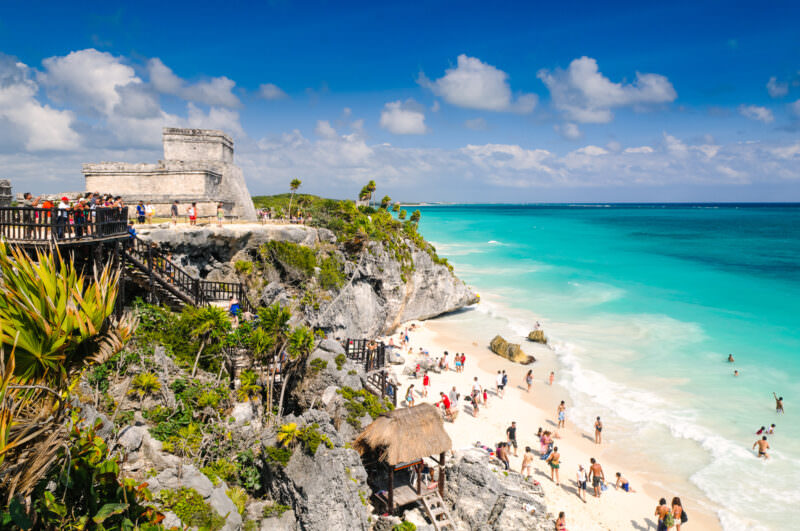
There are many Maya civilization sites on the Yucatan Peninsula, but none has a more beautiful location than Tulum. On small rocky cliffs above white sandy beaches overlooking emerald green waters, it showcases the coastal beauty of Riviera Maya (also known as the Mayan Riviera). And it shares with Cancun what must be Mexico’s best sunrise, with the tropical sun rising over the beautiful Caribbean Sea. And that is why the city was also known, so far as can be established, as Zama, meaning dawn.
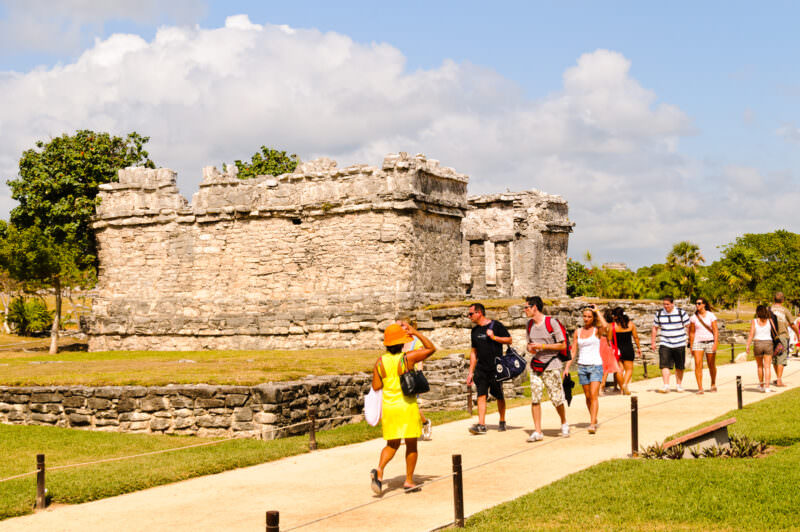
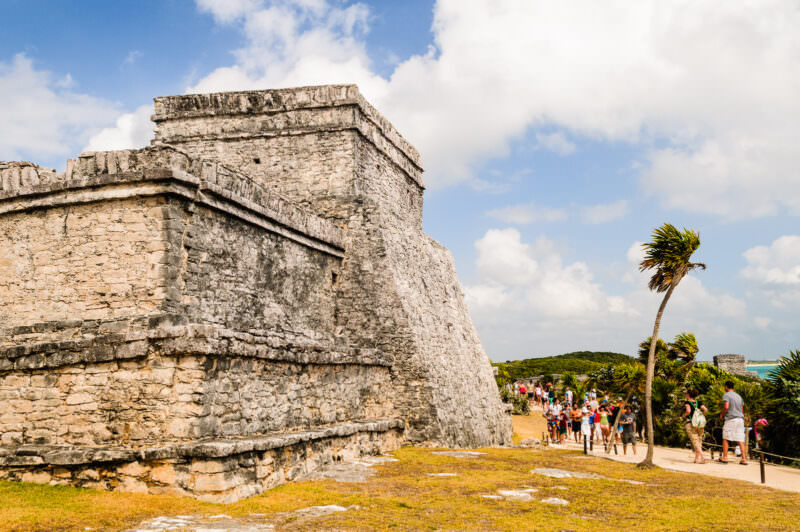
These days, it’s known as Tulúm, meaning “wall” or “fence.” When you arrive, you’ll quickly see why. Entering the city means walking through a narrow opening in a stone wall about 5 to 8 meters thick and 3 to 5 meters high that protects three sides; the fourth side is protected by ocean-facing cliffs.
Walls like Tulum’s weren’t typical in Maya cities. Some of the biggest cities, like nearby Coba and Tikal further south in Guatemala, did not have any obvious defenses. Of course, even in this case, the wall was only protecting the royal and religious parts of the city — most of the people lived and worked outside the walls.
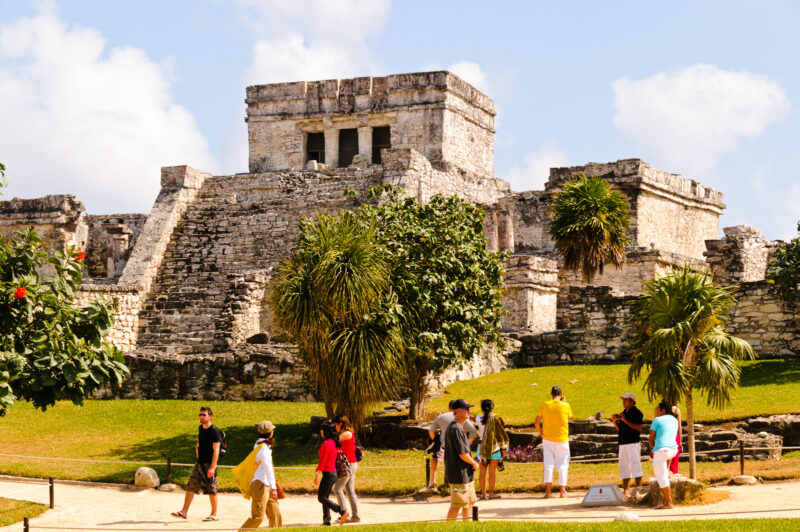
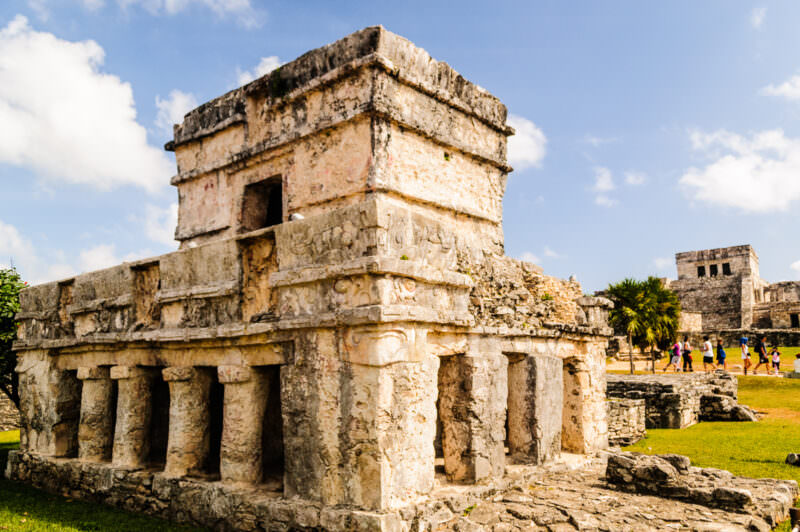
Like most Maya cities, the site radiates from a Castillo, the tallest building occupying pride of place. In this case, the Castillo’s columns are designed to look like serpents. Although the site is much smaller in scale than Chichen Itza, its architectural features are similar, and several of the buildings are very well preserved, among them the Temple of the Frescoes and the Temple of the Descending God. Originally, there was also a cenote within the walls providing the city with a protected and self-contained source of freshwater.
The location is beautiful, but it is also strategic. It was connected by road to the much larger city complex nearby at Coba and sea to other coastal areas of not just the Yucatan Peninsula but throughout Central America, even as far, by river, as the Guatemala Highlands.
Tulum was one of the last of the Maya civilization cities and appears to have peaked during the 13th to 15th centuries, even lasting into the early decades of Spanish presence in the region.
These days, the Tulum Archeological Zone (there are also a Tulum hotel zone and a Tulum commercial zone) is one of the most-visited Maya civilization sites in the region. Being an easy day trip from Playa del Carmen and Cancun certainly helps, but you simply can’t beat the beautiful location.
Photos of the Tulum Archaeological Zone
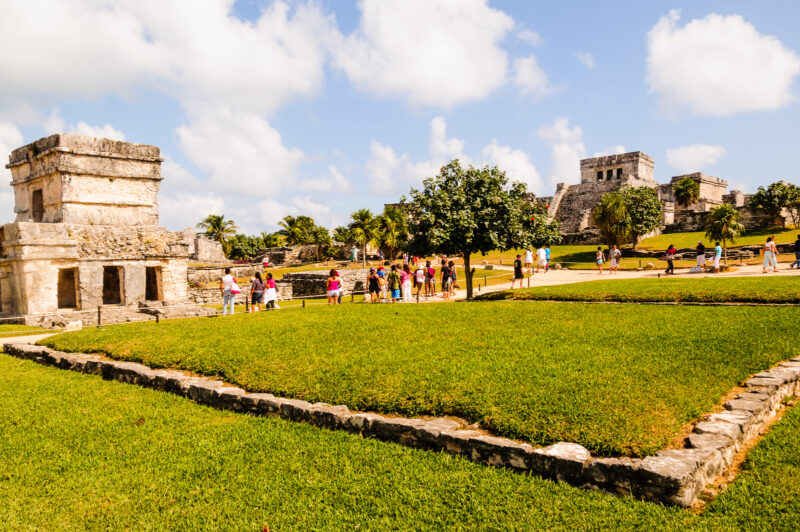
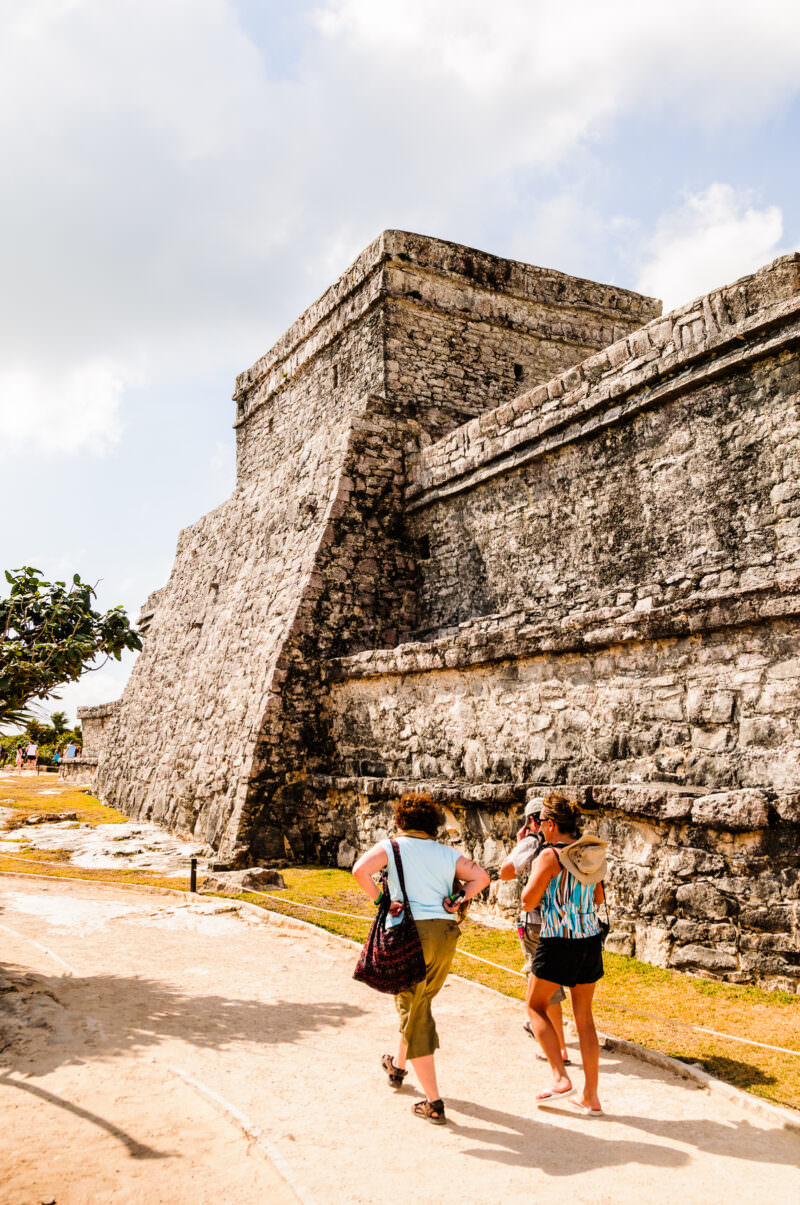
TULUM, Mexico — El Castillo pyramid dominates the archaeological site at Tulum, a Maya civilization city located on the coast of Mexico’s Yucatan Peninsula. The ancient settlement was once known as Zama, meaning dawn, because its position on the far eastern edge of Mexico made it among the first places in the country to see sunrise. Tulum functioned as a commercial port that traded extensively throughout Central America and Central Mexico during the Late Postclassic period. The archaeological site now attracts visitors from around the world, situated on cliffs overlooking the Caribbean Sea. The ruins combine Maya architecture with one of Mexico’s most scenic coastal locations. Tulum remains one of the most visited archaeological sites in Mexico, offering both cultural heritage and beach access to tourists. Photo by David Coleman / Have Camera Will TravelLicense this image at:DirectlyAlamy
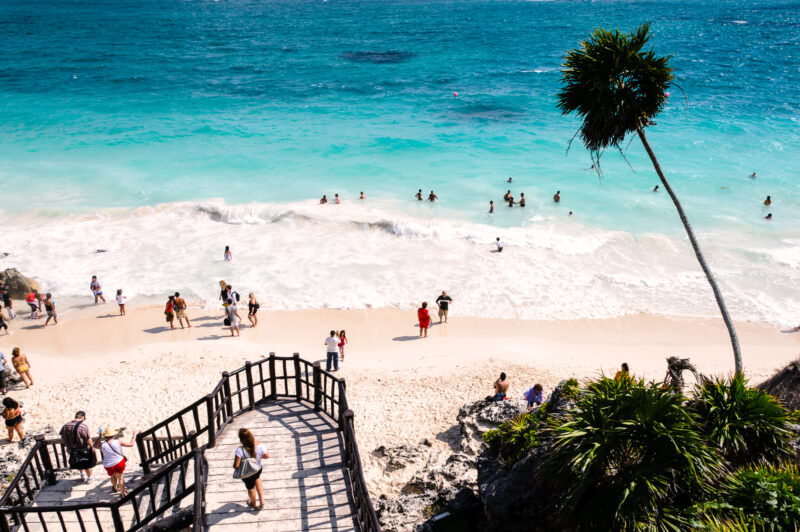
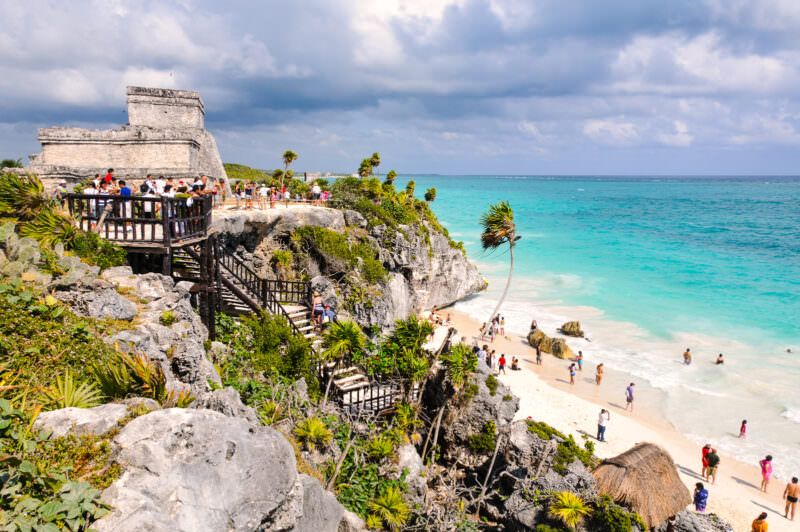
TULUM, Mexico — Tulum Beach, featuring white sand and turquoise Caribbean waters, lies beneath the ancient Mayan ruins of Tulum, one of Mexico’s most well-preserved pre-Columbian archaeological sites. The Tulum ruins, perched on 12-meter (39-foot) cliffs, served as a major trading port for the Maya civilization from approximately 1200 to 1450 CE. This walled city was among the last Maya settlements inhabited when Spanish conquistadors arrived in the early 16th century. The site combines its beaches with limestone temples and structures, including the iconic El Castillo pyramid overlooking the sea. Located in Quintana Roo state, approximately 130 kilometers (81 miles) south of Cancún, the archaeological zone attracts visitors to experience both ancient Maya heritage and the Riviera Maya coastline’s natural beauty. Photo by David Coleman / Have Camera Will TravelLicense this image at:DirectlyAlamy
TULUM, Mexico — The ruins of the ancient Maya city of Tulum overlook the Caribbean Sea on Mexico’s Yucatan Peninsula coast. The archaeological site was once known as Zama, meaning “dawn,” as it sits on the far eastern edge of Mexico where sunrise first appears over the country. Tulum served as an important commercial port from approximately the 13th to 15th centuries, facilitating extensive trade networks throughout Central America and Central Mexico. The walled city was among the last Maya settlements to be inhabited when Spanish conquistadors arrived in the early 16th century. Today, Tulum is one of Mexico’s most visited archaeological sites, attracting tourists who come to explore the well-preserved ruins situated dramatically on limestone cliffs above white sand Caribbean beaches. The site combines significant Maya cultural heritage with some of the region’s most scenic coastal landscapes. Photo by David Coleman / Have Camera Will TravelLicense this image at:DirectlyAlamy
TULUM, Mexico — The ruins of the ancient Maya city of Tulum overlook the Caribbean Sea on Mexico’s Yucatan Peninsula coast. The archaeological site was once known as Zama, meaning “dawn,” as it sits on the far eastern edge of Mexico where sunrise first appears over the country. Tulum served as an important commercial port from approximately the 13th to 15th centuries, facilitating extensive trade networks throughout Central America and Central Mexico. The walled city was among the last Maya settlements to be inhabited when Spanish conquistadors arrived in the early 16th century. Today, Tulum is one of Mexico’s most visited archaeological sites, attracting tourists who come to explore the well-preserved ruins situated dramatically on limestone cliffs above white sand Caribbean beaches. The site combines significant Maya cultural heritage with some of the region’s most scenic coastal landscapes. Photo by David Coleman / Have Camera Will TravelLicense this image at:DirectlyAlamy
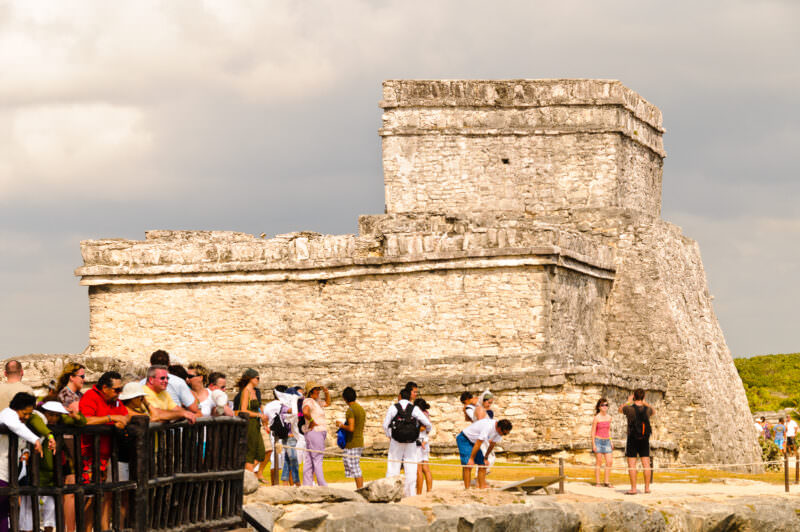
TULUM, Mexico — El Castillo pyramid overlooks the Caribbean coastline at the ancient Maya archaeological site of Tulum. Perched on 12-meter (39-foot) limestone cliffs, these Tulum ruins served as a major trading port for the Maya civilization from approximately 1200 to 1450 CE. This walled coastal city was among the last Maya settlements inhabited when Spanish conquistadors arrived in the early 16th century. The archaeological site features ancient limestone temples and structures, alongside white sand beaches along Mexico’s Caribbean coast. Tulum is located in Quintana Roo state, approximately 130 kilometers (81 miles) south of Cancún. The site attracts visitors seeking to experience both Maya cultural heritage and the natural beauty of the Riviera Maya coastline. Photo by David Coleman / Have Camera Will TravelLicense this image at:DirectlyAlamy
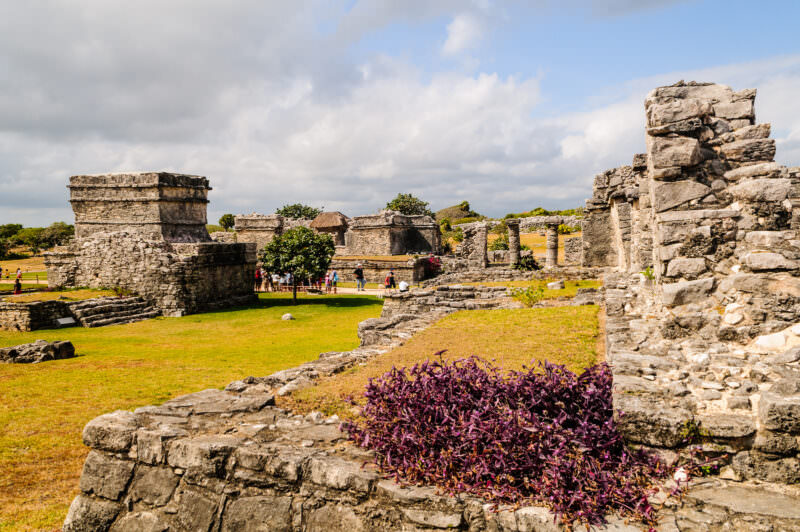
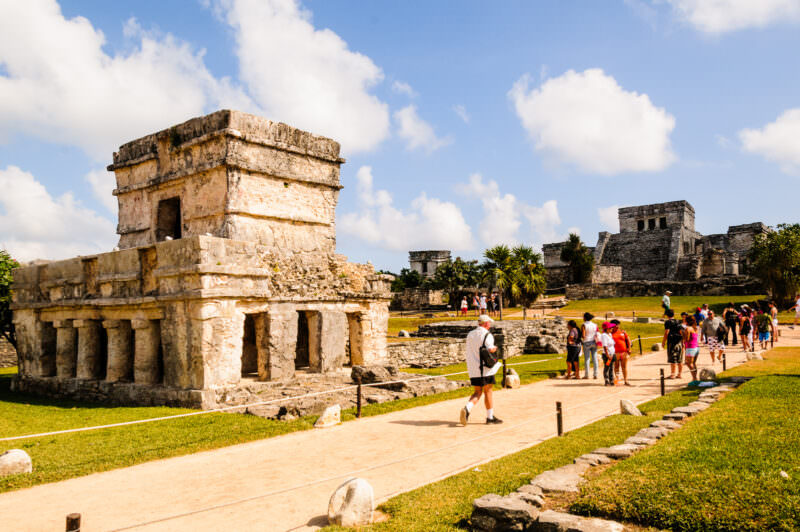
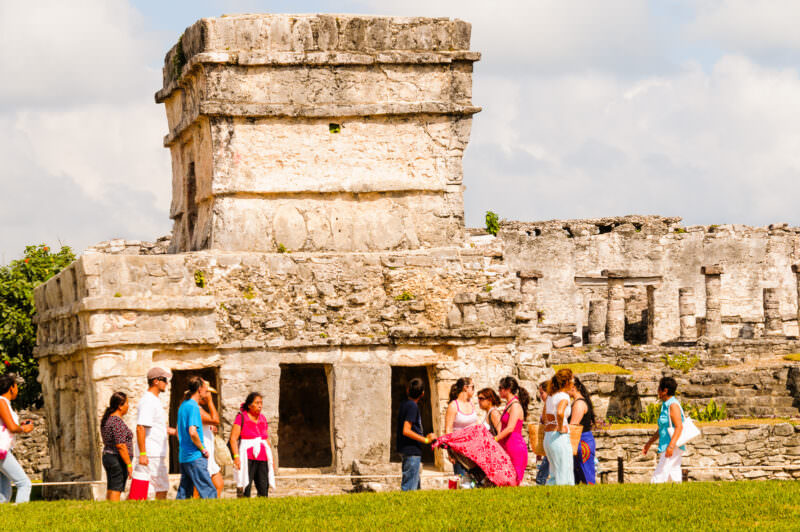
TULUM, Quintana Roo, Mexico — The Temple of the Frescoes at the ancient Maya ruins of Tulum is a well-preserved structure that served as an observatory and ceremonial center, featuring interior murals of Maya deities and astronomical symbols. Tulum was one of the last cities built and inhabited by the Maya. It flourished between the 13th and 15th centuries as a major trading port and fortress during the late Post-Classic period. Unique for its coastal location, the archaeological site sits on 12-meter (39-foot) tall cliffs overlooking the Caribbean Sea on the Yucatan Peninsula’s eastern coast. The ruins are located in the Riviera Maya, approximately 130 kilometers (81 miles) south of Cancun. Photo by David Coleman / Have Camera Will TravelLicense this image at:DirectlyAlamy
TULUM, Mexico — The Temple of the Frescoes is a well-preserved structure at the ancient Maya ruins of Tulum on Mexico’s Caribbean coast. It served as an observatory and ceremonial center, featuring interior murals of Maya deities and astronomical symbols. Tulum was a major trading port and one of the last Maya cities, flourishing from the 13th to 15th centuries. The archaeological site sits on 12-meter (39-foot) tall cliffs overlooking the Caribbean Sea on the Yucatan Peninsula’s eastern coast. These ruins are located in Quintana Roo, approximately 130 kilometers (81 miles) south of Cancun, within the Riviera Maya. Photo by David Coleman / Have Camera Will TravelLicense this image at:DirectlyAlamy
TULUM, Mexico — The Temple of the Frescoes is a well-preserved structure at the ancient Maya ruins of Tulum on Mexico’s Caribbean coast. It served as an observatory and ceremonial center for the Maya civilization, featuring interior murals depicting deities and astronomical symbols. Tulum was one of the last cities built and inhabited by the Maya, flourishing between the 13th and 15th centuries as a major trading port and fortress during the late Post-Classic period. Unique for its coastal location, the archaeological site sits on 12-meter (39-foot) cliffs overlooking the Caribbean Sea on the Yucatan Peninsula’s eastern coast. These ruins are located in the Riviera Maya, approximately 130 kilometers (81 miles) south of Cancun. Photo by David Coleman / Have Camera Will TravelLicense this image at:DirectlyAlamy
TULUM, Mexico — El Castillo pyramid dominates the archaeological site at Tulum, a Maya civilization city located on the coast of Mexico’s Yucatan Peninsula. The ancient settlement was once known as Zama, meaning dawn, because its position on the far eastern edge of Mexico made it among the first places in the country to see sunrise. Tulum functioned as a commercial port that traded extensively throughout Central America and Central Mexico during the Late Postclassic period. The archaeological site now attracts visitors from around the world, situated on cliffs overlooking the Caribbean Sea. The ruins combine Maya architecture with one of Mexico’s most scenic coastal locations. Tulum remains one of the most visited archaeological sites in Mexico, offering both cultural heritage and beach access to tourists. Photo by David Coleman / Have Camera Will TravelLicense this image at:DirectlyAlamy
TULUM, Mexico — El Castillo pyramid dominates the archaeological site at Tulum, a Maya civilization city located on the coast of Mexico’s Yucatan Peninsula. The ancient settlement was once known as Zama, meaning dawn, because its position on the far eastern edge of Mexico made it among the first places in the country to see sunrise. Tulum functioned as a commercial port that traded extensively throughout Central America and Central Mexico during the Late Postclassic period. The archaeological site now attracts visitors from around the world, situated on cliffs overlooking the Caribbean Sea. The ruins combine Maya architecture with one of Mexico’s most scenic coastal locations. Tulum remains one of the most visited archaeological sites in Mexico, offering both cultural heritage and beach access to tourists. Photo by David Coleman / Have Camera Will TravelLicense this image at:DirectlyAlamy
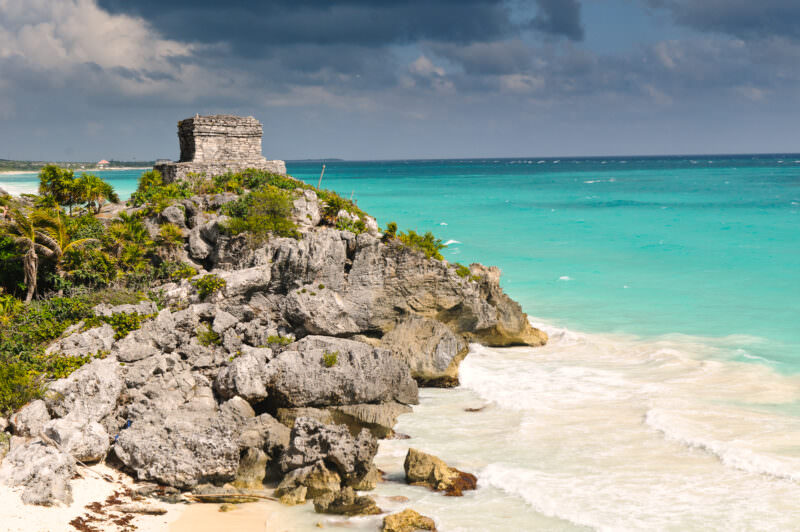
TULUM, Mexico — The Templo del Dios del Viento (Temple of the Wind God) overlooks Playita Tortuga beach along Tulum’s Caribbean coastline. This Maya temple, part of the Tulum archaeological site, is positioned on limestone cliffs approximately 12 meters (39 feet) above the turquoise waters to honor Kukulkan, the Maya wind deity. Tulum was a major trading port from approximately 1200 to 1450 CE and is one of Mexico’s most well-preserved pre-Columbian walled cities. It was among the last Maya settlements inhabited when Spanish conquistadors arrived in the early 16th century. The archaeological zone, combining ancient Maya architecture with pristine white sand beaches, is located in Quintana Roo state, approximately 130 kilometers (81 miles) south of Cancún. Photo by David Coleman / Have Camera Will TravelLicense this image at:DirectlyAlamy
TULUM, Mexico — The Temple of the Frescoes (Templo de los Frescos) is a well-preserved structure at the ancient Maya ruins of Tulum, which served as an observatory and ceremonial center featuring interior murals depicting Maya deities and astronomical symbols. Tulum, one of the last cities built and inhabited by the Maya, flourished as a major trading port and fortress between the 13th and 15th centuries during the late Post-Classic period. The archaeological site is uniquely situated on 12-meter (39-foot) tall cliffs overlooking the Caribbean Sea on the Yucatan Peninsula’s eastern coast. Located in Quintana Roo, Mexico, the ruins are within the Riviera Maya, approximately 130 kilometers (81 miles) south of Cancun. Photo by David Coleman / Have Camera Will TravelLicense this image at:DirectlyAlamy
TULUM, Mexico — El Castillo pyramid dominates the archaeological site at Tulum, a Maya civilization city located on the coast of Mexico’s Yucatan Peninsula. The ancient settlement was once known as Zama, meaning dawn, because its position on the far eastern edge of Mexico made it among the first places in the country to see sunrise. Tulum functioned as a commercial port that traded extensively throughout Central America and Central Mexico during the Late Postclassic period. The archaeological site now attracts visitors from around the world, situated on cliffs overlooking the Caribbean Sea. The ruins combine Maya architecture with one of Mexico’s most scenic coastal locations. Tulum remains one of the most visited archaeological sites in Mexico, offering both cultural heritage and beach access to tourists. Photo by David Coleman / Have Camera Will TravelLicense this image at:DirectlyAlamy
What to know before you go
Go early. You can’t catch the sunrise from within the site, but you can beat the tourist buses. The park opens at 8 am and closes at 5 pm.
Take your beach gear. The beaches are small but stunning!
Take a bottle of water. There are no refreshments available within the ruins, and it can get hot, even with a sea breeze.
Take a hat. There’s not much in the way of shade to escape the Mexican sun.
The parking lot is about 1km from the actual ruins. You can walk or, for a small fee, catch a tram that runs back and forth.
The site is pretty compact as far as Maya cities go. Unless you’re planning on spending some quality time on the beach, you can take in Tulum without rushing in an hour or two.
If you have a car, it’s easy to visit both Tulum and Coba in the same day. There are very few roads across the Yucatan Peninsula, so you have to try hard to get lost, and the roads are very straight and very flat. If you get an early start, you could even make it to Ek’Balam or Chichen Itza. If you’re heading to those sites and want to spread it out over a couple of days, it’s worth including an overnight stop (or two) in Valladolid.
Map
Notes & References:
Actually, “Riviera Maya” is a tourism marketing slogan for what was once called less colorfully the Cancun-Tulum Corridor. The brand was created in 1997. [↩︎]
Enjoyed this article? Personalize your search results.
I'm a freelance travel photographer based in Washington DC. Seven continents, up mountains, underwater, and a bunch of places in between. My images have appeared in numerous publications, and you can check out some of my gear reviews and tips here. More »