CAERNARFON, Wales — All of the surviving castles that King Edward I had built in the late-13th century are impressive. But Caernarfon Castle was designed to be something special.
For a 13th-century fortress, Caernarfon Castle has a surprising attention to style. It’s one of a string of castles that King Edward I of England built or upgraded in northwest Wales in the late 13th century as part of a concerted program to exert English rule over the Welsh. All of them are marvels of security and sturdiness. But each is quite different.
I first visited Caernarfon Castle with my family when I was a kid and we were living in the UK for a bit. I went back many years later, and it was pretty much exactly as I remembered it. There is no museum razzle-dazzle here — just the quiet and imposing fortress that has remained in remarkably good shape for nearly 700 years. It’s grand, to be sure, but also in quite an understated way. And you can wander around and explore the towers and parapets at your leisure.
These Edwardian castles in Wales were always meant to be about strength, defense, and being outwardly imposing, not about luxury. They were primarily fortresses, not palaces. They were, above all, symbols of English power.
But Caernarfon was envisaged as something special. It was designed to accommodate not only a royal household but also to serve as a seat of regional power.1
Building for the castle began in 1283 on a site that had been fortified since the late 11th century, when a Norman castle was built there. Construction was halted in about 1330. Not that it was complete, per se. But it was considered complete enough.
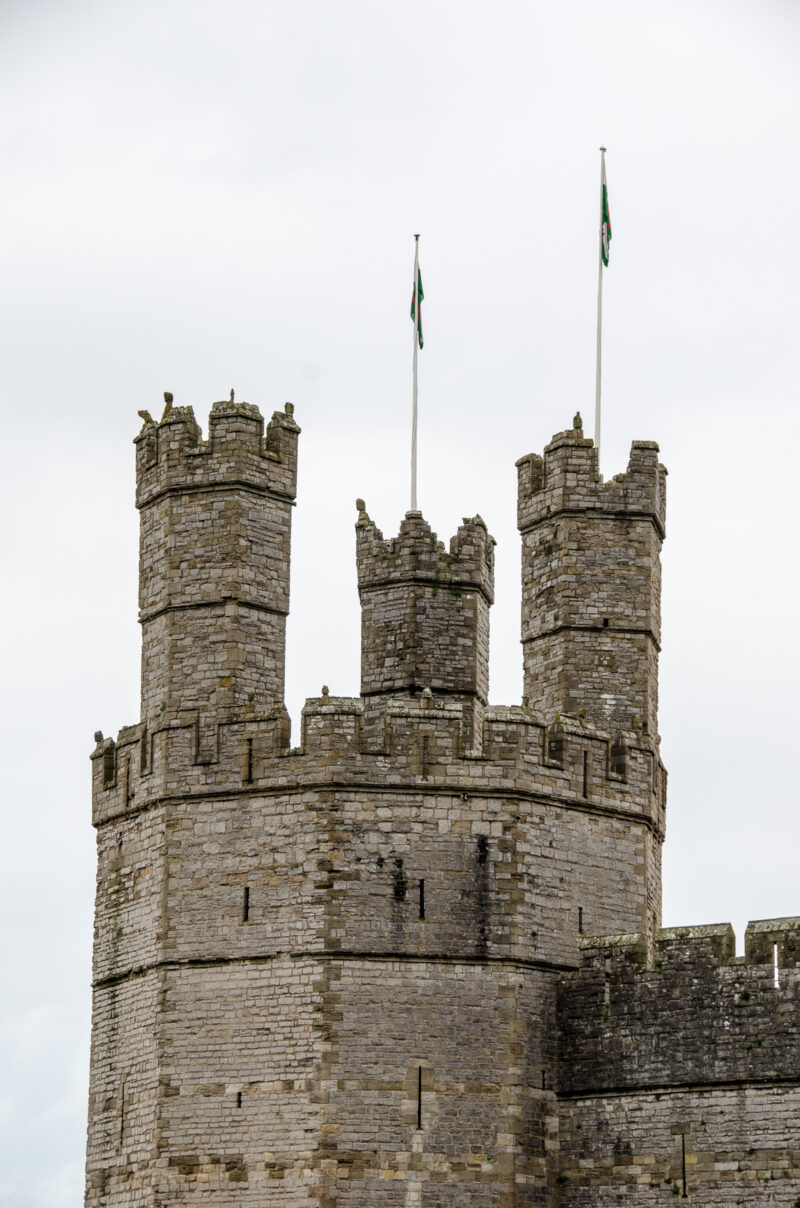
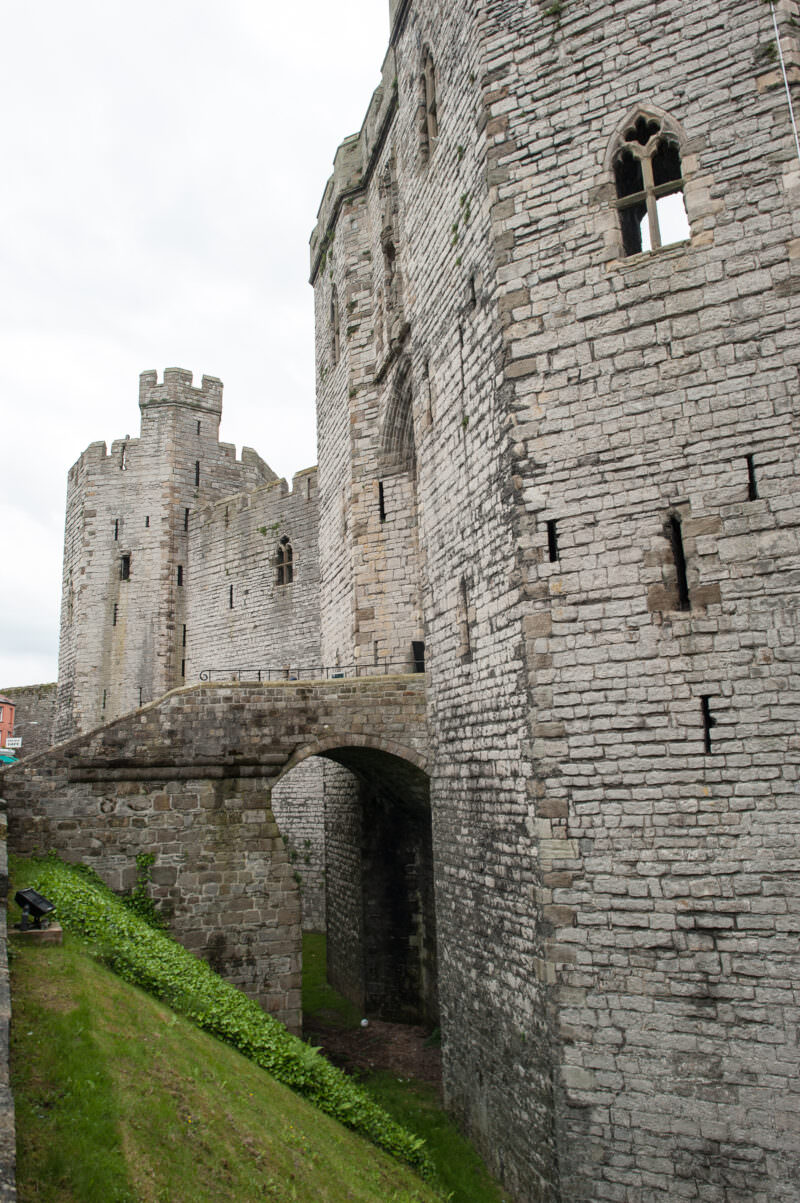
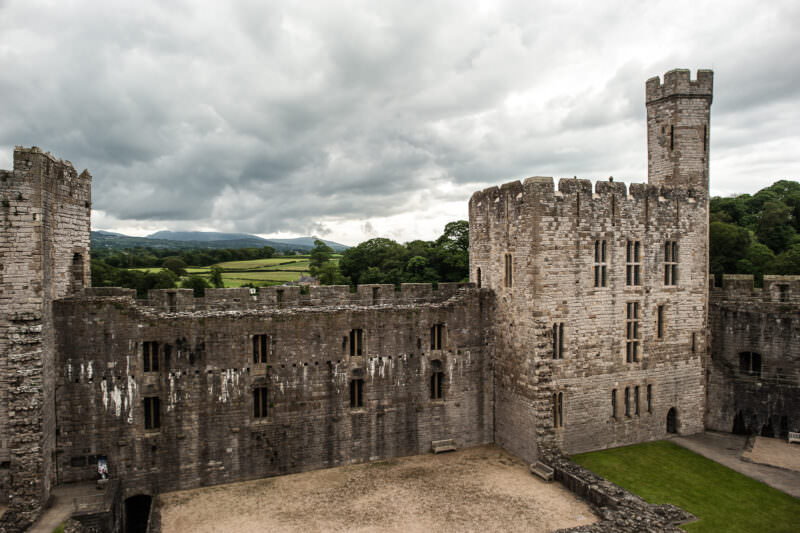
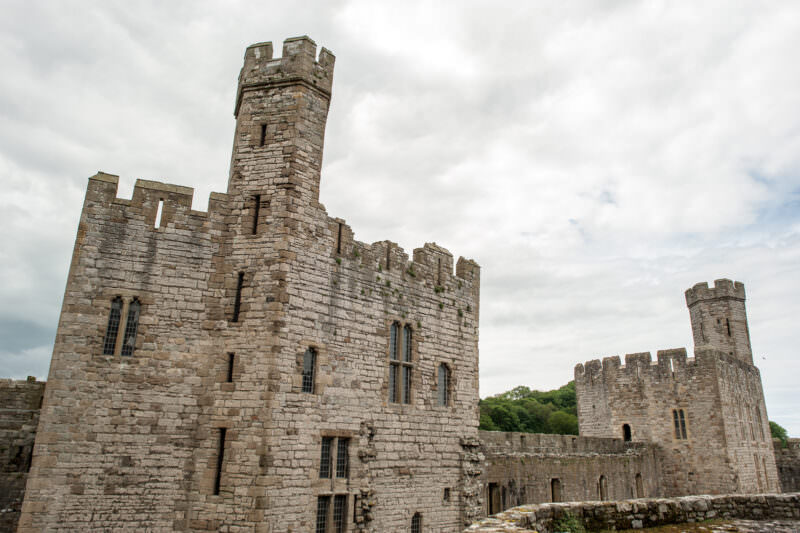
The exterior walls of the castle at Caernarfon are perhaps the best preserved of all of the surviving castles. They’re also the most distinctive, featuring unusual polygonal towers that suggest not just strength but also innovative engineering.
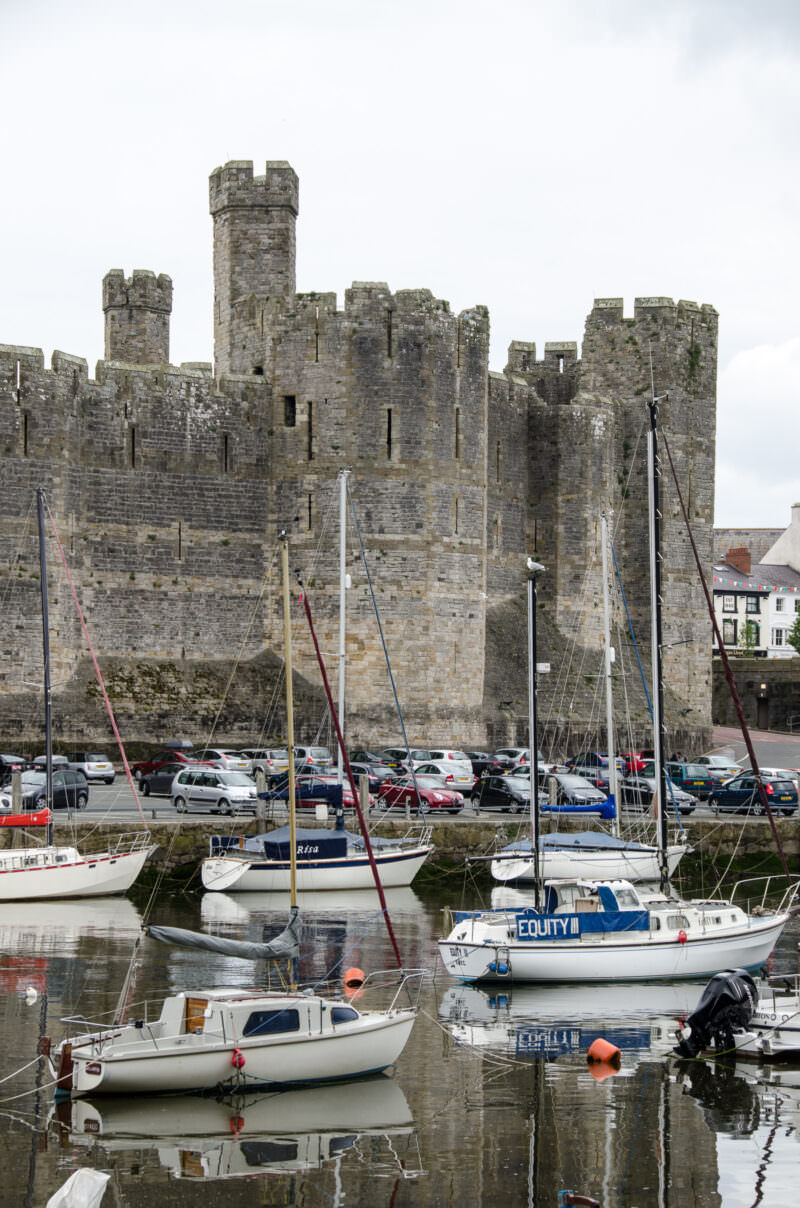
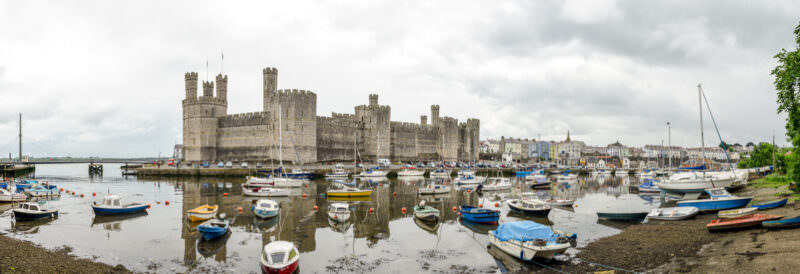
And they’ve worn the centuries remarkably well. From the outside, across the water of the river Seiont, the castle looks complete, imposing, and like something out of a storybook. It has all the romanticism of a castle from the Middle Ages, guarding over the town in its shadow.
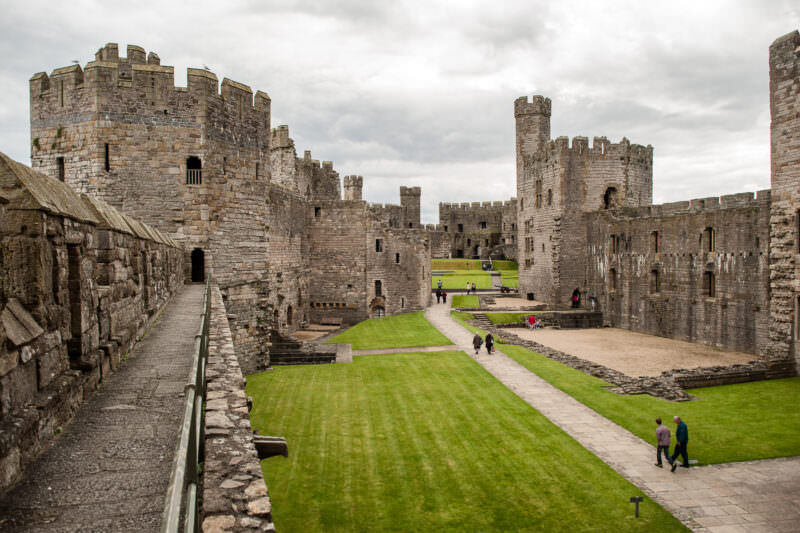
As intricate as it may look from the outside, inside the walls, it looks quite different. Over time, much of the interior of the castle was either incomplete or gutted. But that also helps lend a strong sense of history and authenticity. It is a romanticism of a different flavor.
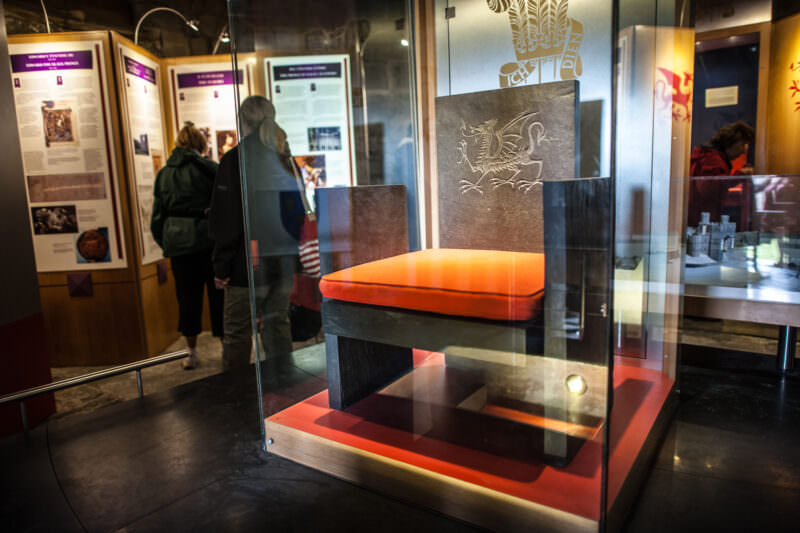
And the interior is still certainly considered fit for a (future) king. It has been used for the investitures of two princes of Wales: in 1911 for the future Edward VIII and in 1969 for Prince Charles, or, as he’s now known, King Charles III. They continued a long tradition. The first English Prince of Wales was born within the walls centuries earlier.1
Have Camera Will Travel // Newsletter
Practical field notes, hands-on gear tests.
Photos of Caernarfon Castle
Here are some of the photos I’ve taken at Caernarfon Castle.
CAERNARFON, Wales — Cannons positioned on the grounds of Caernarfon Castle in northwest Wales. The current structure was commissioned by King Edward I in the late 13th century, replacing an earlier castle that dated to the late 11th century. The fortress is renowned for its distinctive polygonal towers and forms part of Edward I’s iron ring of fortifications built to secure his conquest of Wales. Caernarfon Castle served as the administrative center of north Wales and was designed as a potent symbol of English dominance in the region. Today it is recognized as a UNESCO World Heritage Site and remains one of the best-preserved medieval fortifications in Britain. License this image at:DirectlyAlamyPhoto by David Coleman / Have Camera Will Travel
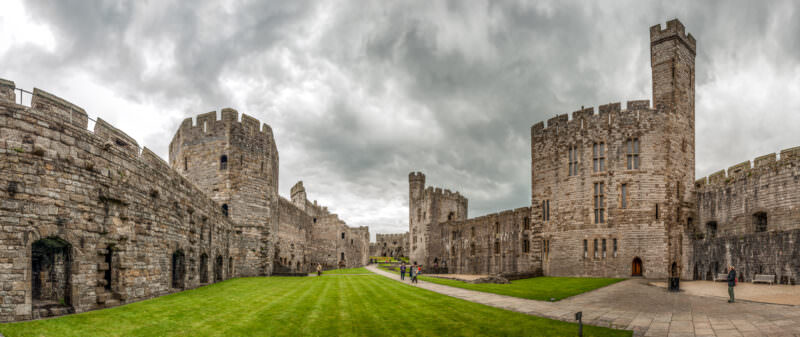
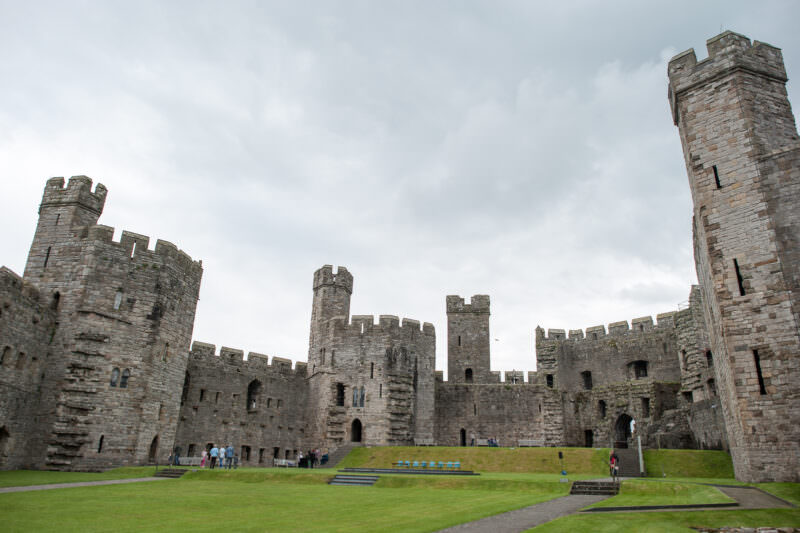
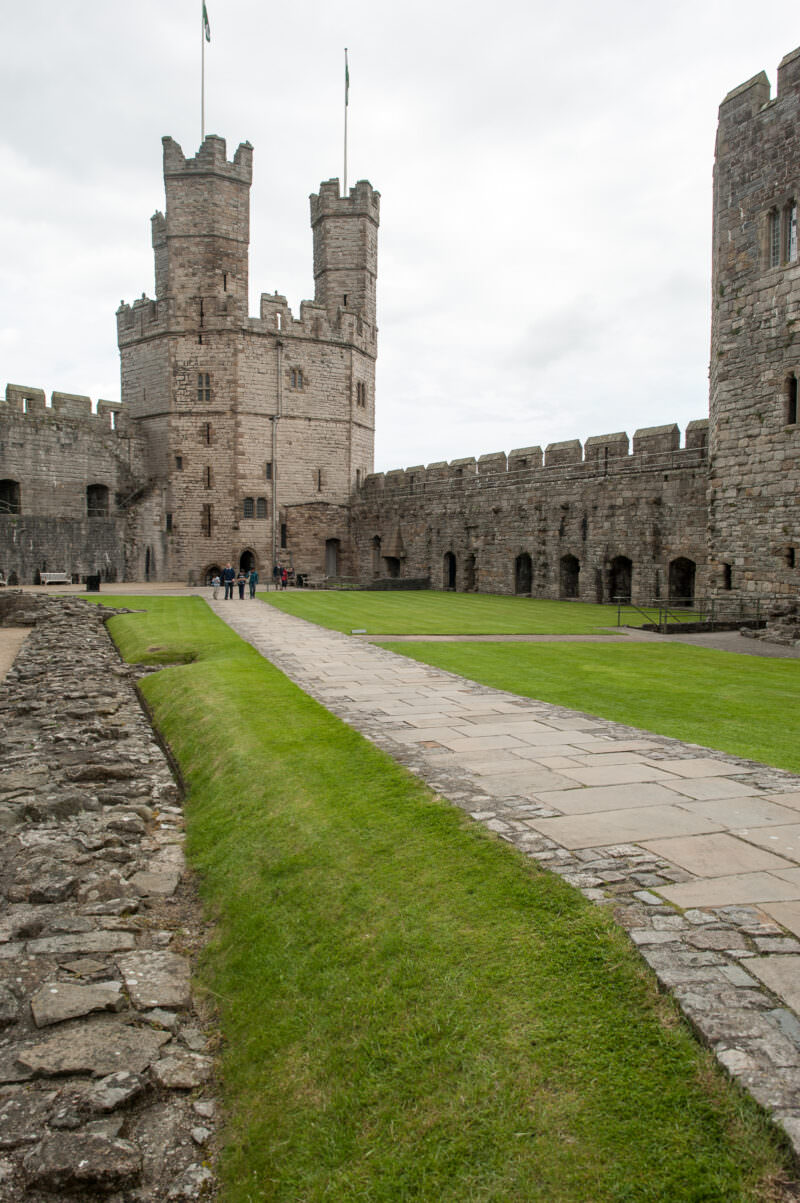
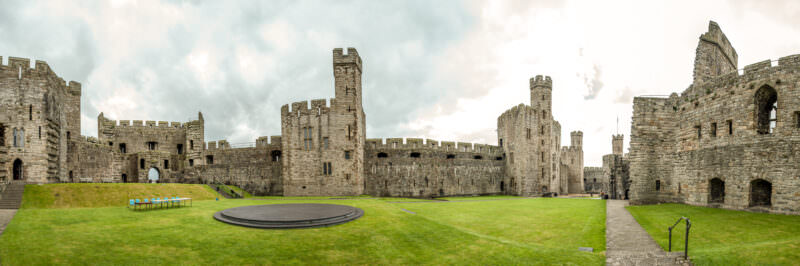
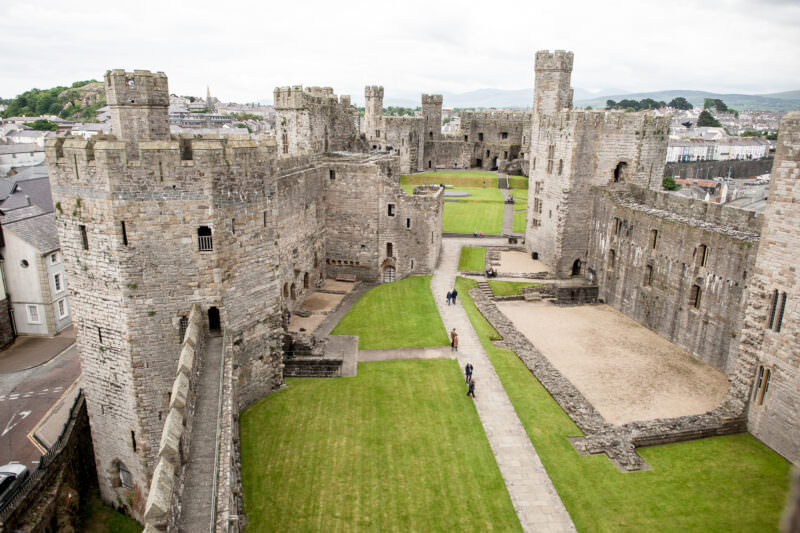
CAERNARFON, Wales — Caernarfon Castle’s interior courtyard displays the fortress’s distinctive polygonal towers and imposing defensive walls. Built by Edward I during his late 13th-century conquest of Wales, the castle served as a symbol of English dominance and later became the traditional site for the investiture of the Prince of Wales. The design features banded masonry and angular towers — thought to draw inspiration from the walls of Constantinople — rather than the round forms typical of Norman castles. The fortress overlooks the Menai Strait in Gwynedd and was designated a UNESCO World Heritage Site in 1986 as part of Edward I’s “iron ring” of north Welsh castles. License this image at:DirectlyAlamyPhoto by David Coleman / Have Camera Will Travel
CAERNARFON, Wales — The slate throne used during the investiture of Prince Charles as Prince of Wales at Caernarfon Castle in 1969, on display within the fortress. The castle was originally commissioned by King Edward I in the late 13th century, replacing an earlier Norman structure dating to the late 11th century. Renowned for its distinctive polygonal towers and massive curtain walls, Caernarfon Castle served for centuries as a seat of English power in north Wales. The 1969 investiture ceremony — presided over by Queen Elizabeth II — revived a tradition associated with the castle stretching back to the medieval period. Today the castle is recognized as a UNESCO World Heritage Site and remains one of Wales’s most significant medieval fortresses. License this image at:DirectlyAlamyPhoto by David Coleman / Have Camera Will Travel
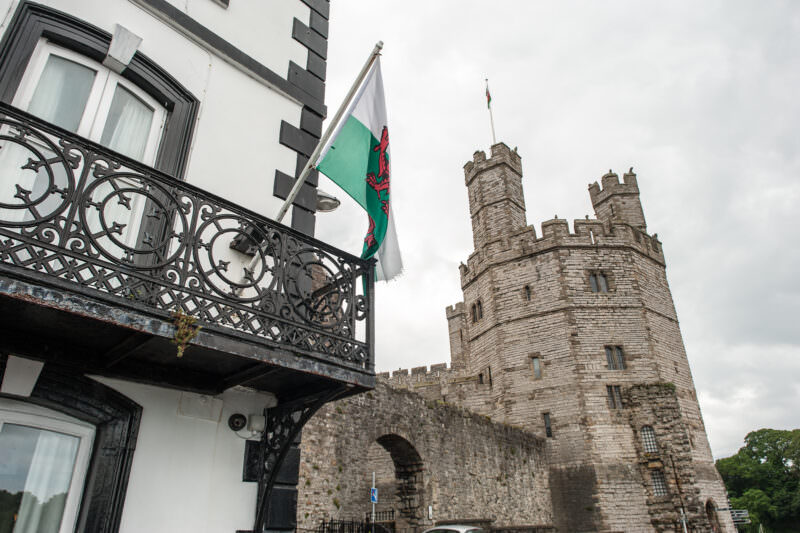
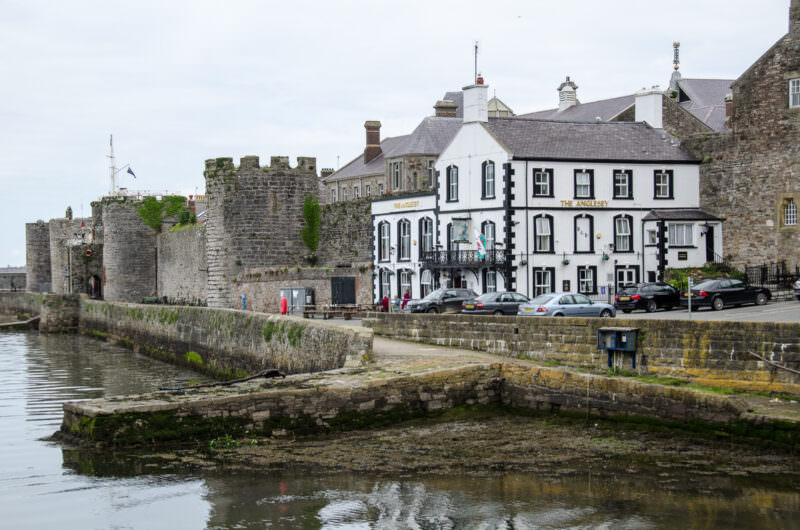
CAERNARFON, Wales — A Welsh flag flies outside the Anglesey Arms pub near the walls of Caernarfon Castle in northwest Wales. The medieval fortress, built by Edward I during his late 13th-century conquest of Wales, is recognized as a UNESCO World Heritage Site and remains one of the finest examples of late medieval military architecture in Europe. The castle served as the administrative center of north Wales and forms part of Edward I’s “iron ring” of fortifications across the region. Situated in the historic town of Caernarfon in Gwynedd, on the shore of the Menai Strait, the castle continues to serve as a powerful symbol of Welsh heritage. License this image at:DirectlyAlamyPhoto by David Coleman / Have Camera Will Travel
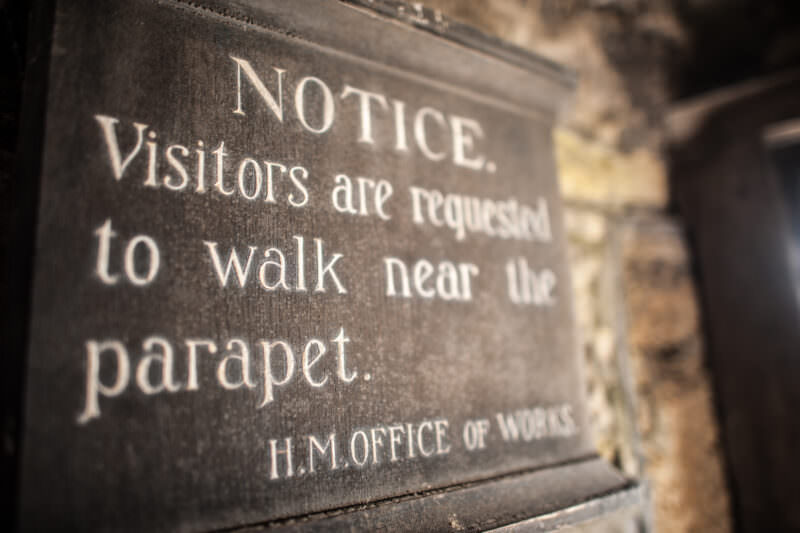
CAERNARFON, United Kingdom — A sign from H.M. Office of Works requesting visitors to keep near the parapet at Caernarfon Castle in northwest Wales. The medieval fortress was commissioned by King Edward I in the late 13th century, replacing an earlier Norman castle that dated to the late 11th century. The castle is distinguished by its polygonal towers and represents one of the best-preserved examples from Edward I’s series of Welsh castles. The Office of Works was a British government department responsible for maintaining royal palaces and ancient monuments; it was absorbed into the Ministry of Works in 1940 and its functions eventually passed to what is now Cadw, the Welsh government’s historic environment service. Caernarfon Castle forms part of the Castles and Town Walls of King Edward I in Gwynedd UNESCO World Heritage Site. License this image at:DirectlyAlamyPhoto by David Coleman / Have Camera Will Travel
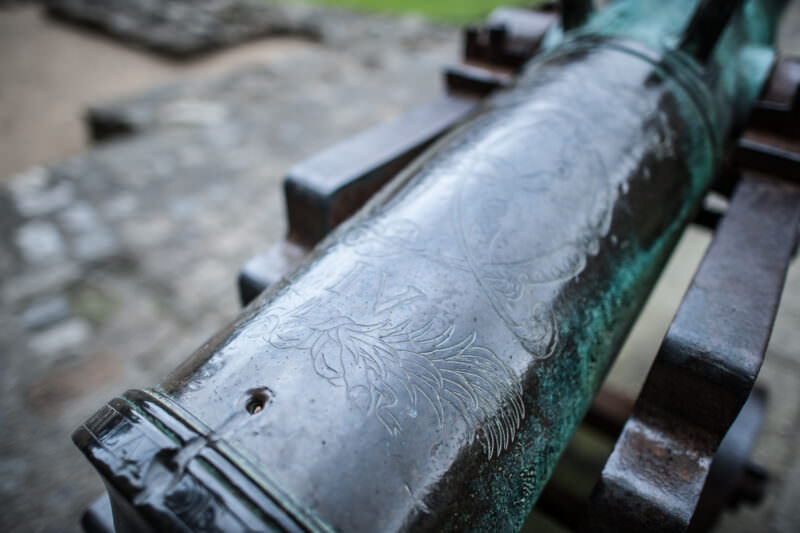
CAERNARFON, Wales — Decorative details on a metal cannon at Caernarfon Castle in northwest Wales. The medieval fortress was built by King Edward I in the late 13th century on the site of an earlier Norman castle from the late 11th century. Part of Edward I’s “iron ring” of fortifications constructed to secure his conquest of Wales, Caernarfon Castle is renowned for its distinctive polygonal towers and well-preserved stonework. The fortress served as a royal residence and administrative center for the English crown in Wales and today stands as a UNESCO World Heritage Site. License this image at:DirectlyAlamyPhoto by David Coleman / Have Camera Will Travel
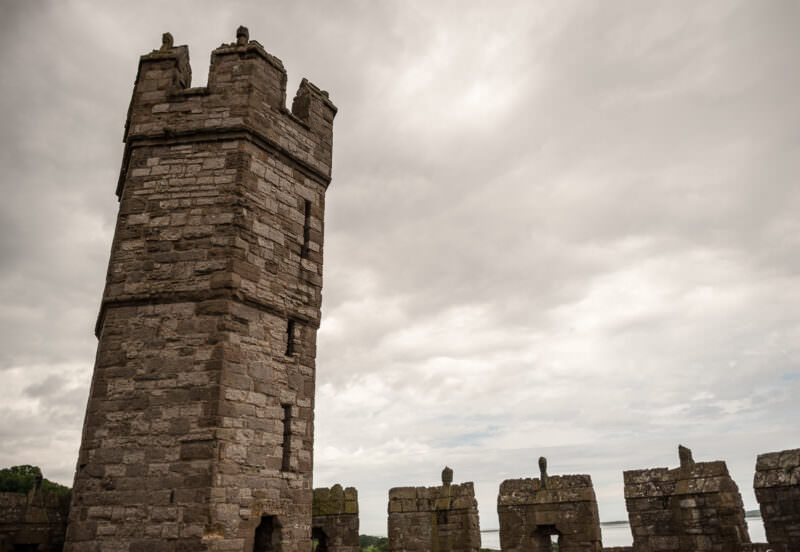
CAERNARFON, Wales — A parapet at Caernarfon Castle, one of the best-preserved fortifications from King Edward I’s late 13th-century castle-building campaign in northwest Wales. The current structure replaced an earlier castle on the site dating to the late 11th century. Edward I commissioned the new fortress as part of his conquest of Wales, creating a series of strongholds throughout the region. The castle is known for its distinctive polygonal towers and well-preserved medieval architecture, and it served for centuries as a symbol of English authority in Wales. The fortress is recognized as a UNESCO World Heritage Site as part of the Castles and Town Walls of King Edward in Gwynedd. License this image at:DirectlyAlamyPhoto by David Coleman / Have Camera Will Travel
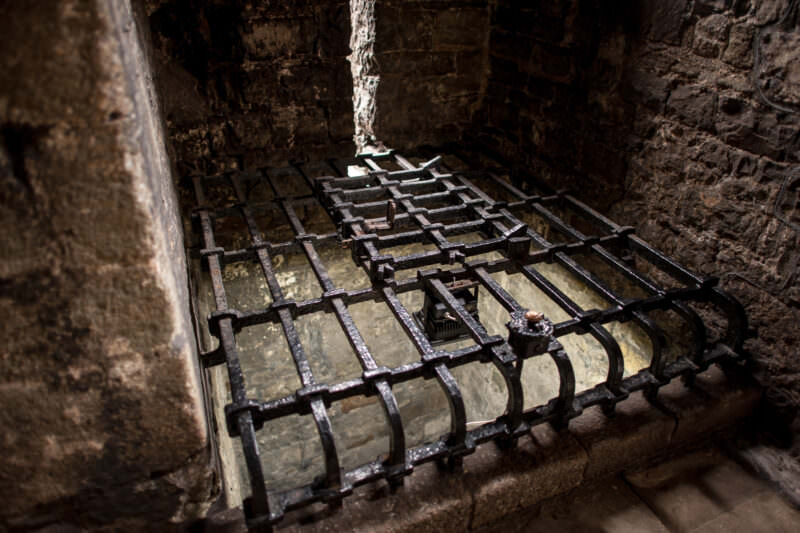
CAERNARFON, United Kingdom — A black metal grill covers the original water well at Caernarfon Castle in northwest Wales. The medieval fortress was commissioned by King Edward I in the late 13th century, replacing an earlier Norman castle that dated to the late 11th century, and forms part of his iron ring of fortifications built to consolidate English control over Gwynedd. The castle is distinguished by its polygonal towers and banded masonry, inspired by the walls of Constantinople. Caernarfon served as the seat of English administration in north Wales and later became the traditional site for the investiture of the Prince of Wales. It was designated a UNESCO World Heritage Site in 1986 as part of the Castles and Town Walls of King Edward I in Gwynedd. License this image at:DirectlyAlamyPhoto by David Coleman / Have Camera Will Travel
CAERNARFON, Wales — Caernarfon Castle’s interior courtyard displays the fortress’s distinctive polygonal towers and imposing defensive walls. Built by Edward I during his late 13th-century conquest of Wales, the castle served as a symbol of English dominance and later became the traditional site for the investiture of the Prince of Wales. The design features banded masonry and angular towers — thought to draw inspiration from the walls of Constantinople — rather than the round forms typical of Norman castles. The fortress overlooks the Menai Strait in Gwynedd and was designated a UNESCO World Heritage Site in 1986 as part of Edward I’s “iron ring” of north Welsh castles. License this image at:DirectlyAlamyPhoto by David Coleman / Have Camera Will Travel
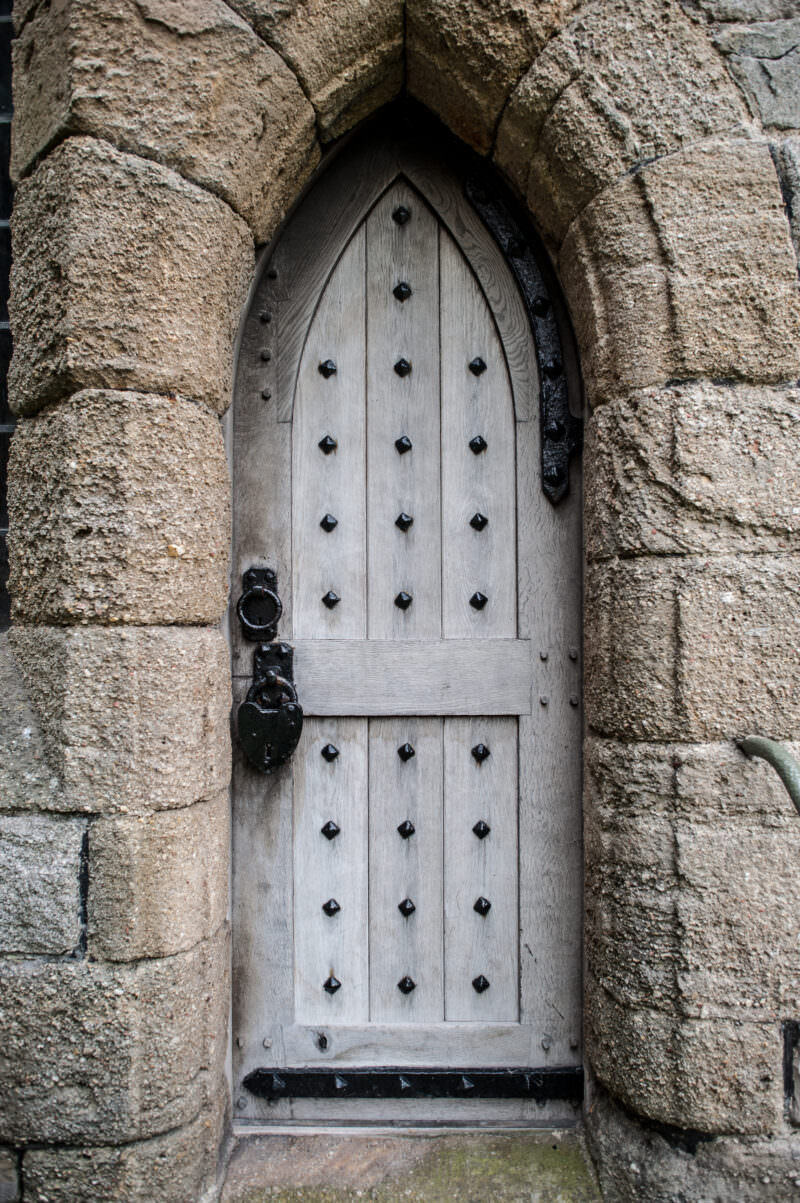
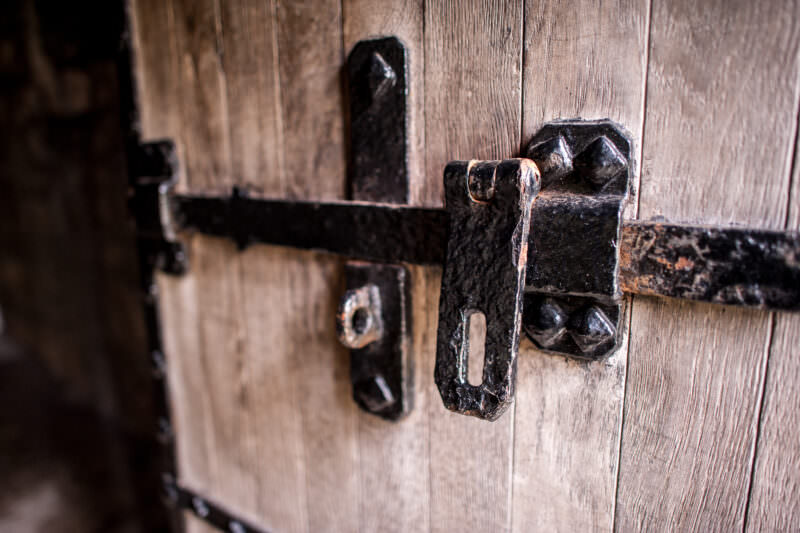
CAERNARFON, United Kingdom — A solid oak door leads into a room at Caernarfon Castle in northwest Wales. The medieval fortress was commissioned by King Edward I in the late 13th century, replacing an earlier Norman castle that dated to the late 11th century. The castle forms part of Edward I’s iron ring of fortifications built to secure his conquest of Wales, and is renowned for its distinctive polygonal towers and well-preserved medieval fabric. Caernarfon served as a royal residence and administrative center for the English crown in Wales. Today it stands as a UNESCO World Heritage Site and remains one of the finest examples of late 13th and early 14th-century military architecture in Europe. License this image at:DirectlyAlamyPhoto by David Coleman / Have Camera Will Travel
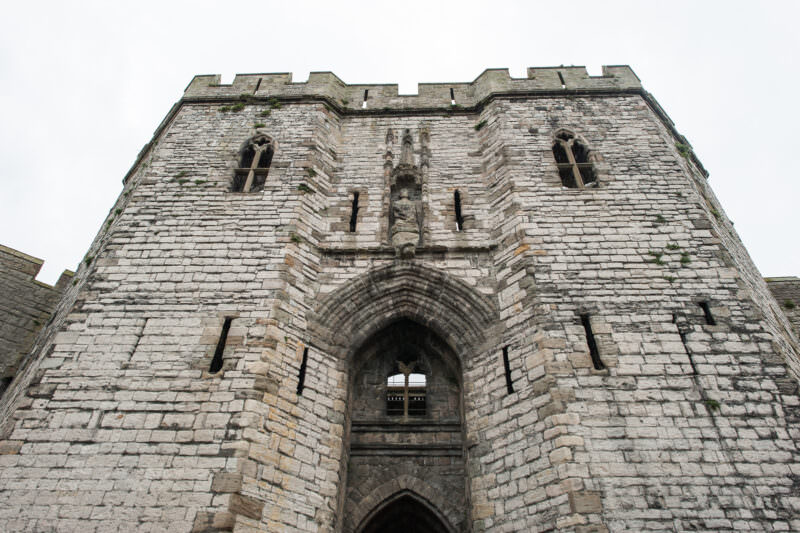
CAERNARFON, Wales — The main gatehouse of Caernarfon Castle rises above the entrance to the medieval fortress in northwest Wales. A castle stood on this site from the late 11th century, but King Edward I commissioned the imposing structure seen today in the late 13th century as part of his conquest of Wales. The gatehouse anchors a fortress renowned for its distinctive polygonal towers and massive curtain walls — features that place it among the finest examples of late medieval military architecture in Europe. Caernarfon Castle forms part of Edward I’s “iron ring” of north Welsh fortifications and was designated a UNESCO World Heritage Site in 1986. License this image at:DirectlyAlamyPhoto by David Coleman / Have Camera Will Travel
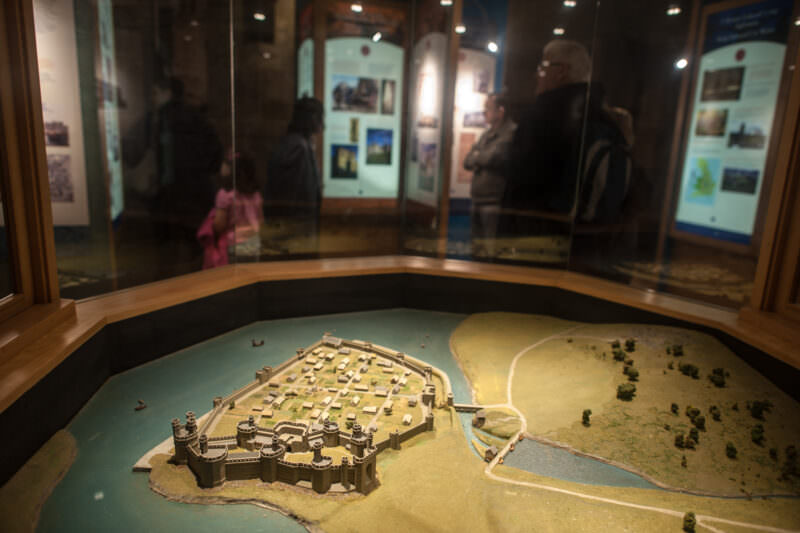
CAERNARFON, Wales — A detailed architectural scale model depicts Caernarfon Castle at the height of its medieval function, displayed as part of an on-site museum exhibit. The model gives visitors a comprehensive sense of the castle’s original extent and spatial organization — features less legible from ground level within the surviving ruin. Edward I commissioned the fortress during his late 13th-century conquest of Wales, and its polygonal towers and banded masonry set it apart from conventional Norman castle design. The castle served as a royal residence and the seat of English administration in north Wales. Now a UNESCO World Heritage Site, the exhibit helps visitors connect the physical remains with the fortress’s broader architectural and historical significance. License this image at:DirectlyAlamyPhoto by David Coleman / Have Camera Will Travel
CAERNARFON, Wales — The main gatehouse of Caernarfon Castle in northwest Wales. A castle stood on this site from the late 11th century, but King Edward I commissioned the surviving structure in the late 13th century to consolidate his conquest of Wales. The gatehouse is part of a fortress renowned for its distinctive polygonal towers and massive curtain walls, widely considered among the finest examples of late medieval military architecture in Europe. Caernarfon Castle forms part of Edward I’s “iron ring” of fortifications in north Wales, served as the seat of English administrative power in the region, and was designated a UNESCO World Heritage Site in 1986. License this image at:DirectlyAlamyPhoto by David Coleman / Have Camera Will Travel
CAERNARFON, United Kingdom — The open courtyard at Caernarfon Castle in northwest Wales. The site held a Norman castle dating to the late 11th century before King Edward I commissioned the current structure in the late 13th century. The fortress features distinctive polygonal towers and is widely considered one of the best-preserved of the series of castles Edward I built during his conquest of Wales. It served as a royal residence and administrative center, and notably hosted the investiture of Prince Charles as Prince of Wales in 1969. Caernarfon Castle was designated a UNESCO World Heritage Site in 1986 as part of the Castles and Town Walls of King Edward I in Gwynedd. License this image at:DirectlyAlamyPhoto by David Coleman / Have Camera Will Travel
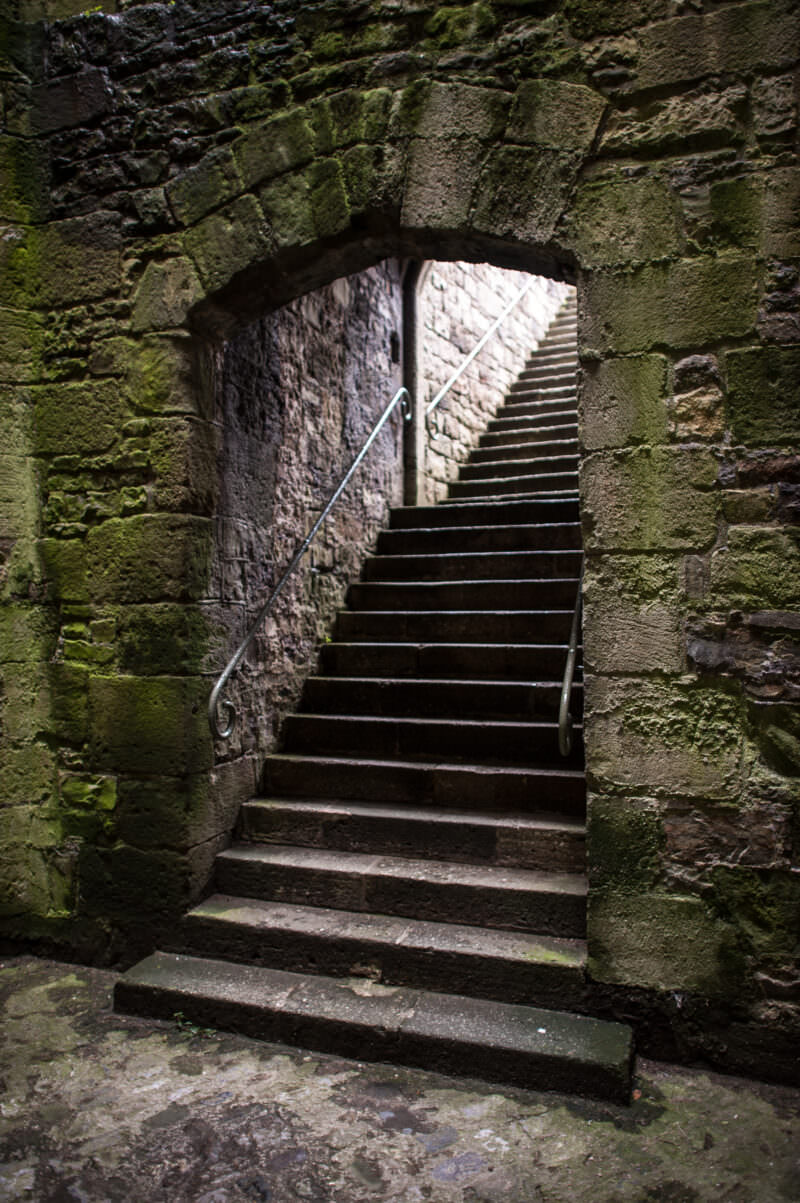
CAERNARFON, United Kingdom — A stone stairway climbs inside Caernarfon Castle in northwest Wales. The medieval fortress was commissioned by King Edward I in the late 13th century, replacing an earlier Norman castle that dated to the late 11th century. The castle forms part of Edward I’s iron ring of fortifications built to consolidate his conquest of Wales, and is renowned for its distinctive polygonal towers and massive curtain walls. It served as the administrative center of north Wales and remains among the best-preserved examples of late 13th and early 14th-century military architecture in Europe. The castle was designated a UNESCO World Heritage Site in 1986 as part of the Castles and Town Walls of King Edward I in Gwynedd. License this image at:DirectlyAlamyPhoto by David Coleman / Have Camera Will Travel
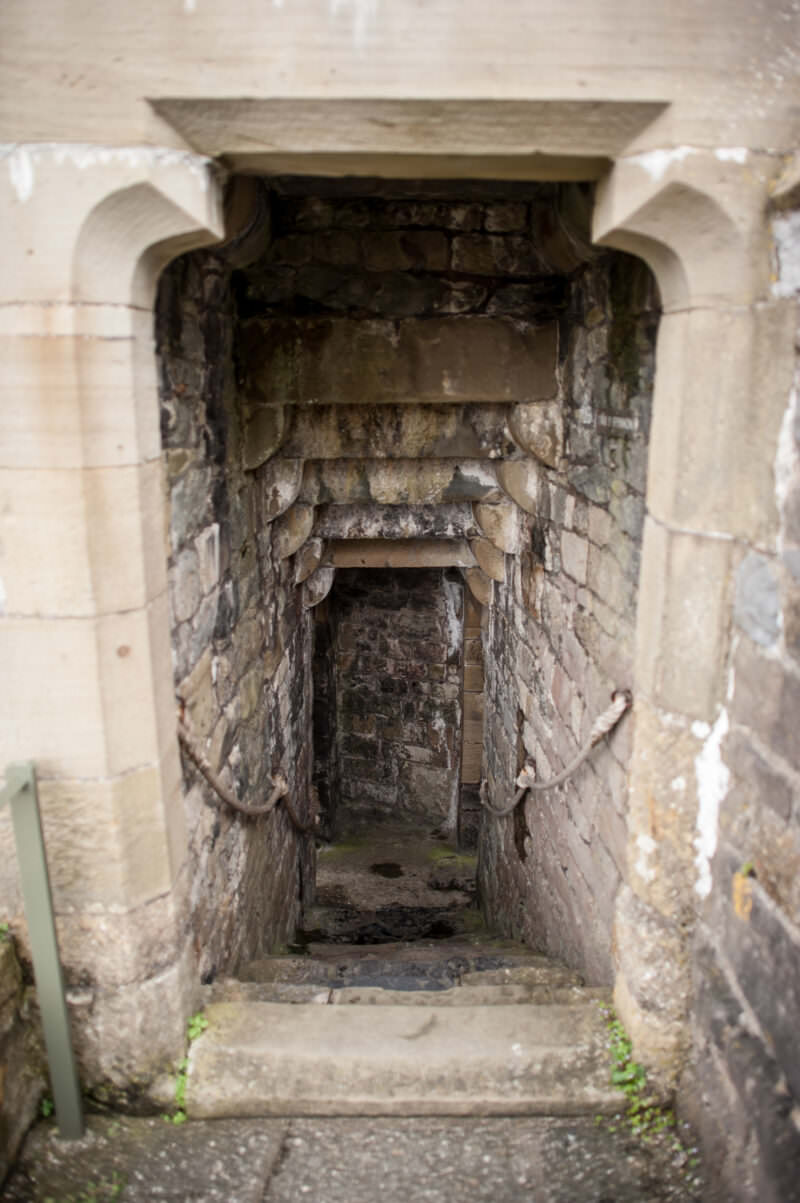
CAERNARFON, Wales — A stone arched doorway at Caernarfon Castle in northwest Wales, its solid masonry typical of the fortress’s robust construction. The medieval castle was commissioned by King Edward I in the late 13th century, replacing an earlier structure from the late 11th century on the same site. Its distinctive polygonal towers and curtain walls rank it among the finest examples of late medieval military architecture in Europe and a centerpiece of Edward I’s iron ring of fortifications across north Wales. The fortress served as the administrative center of north Wales and was designated a UNESCO World Heritage Site in 1986. License this image at:DirectlyAlamyPhoto by David Coleman / Have Camera Will Travel
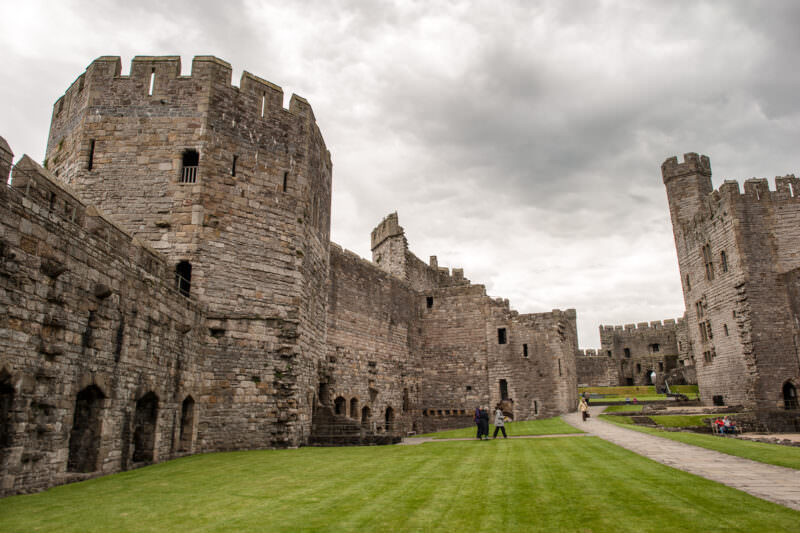
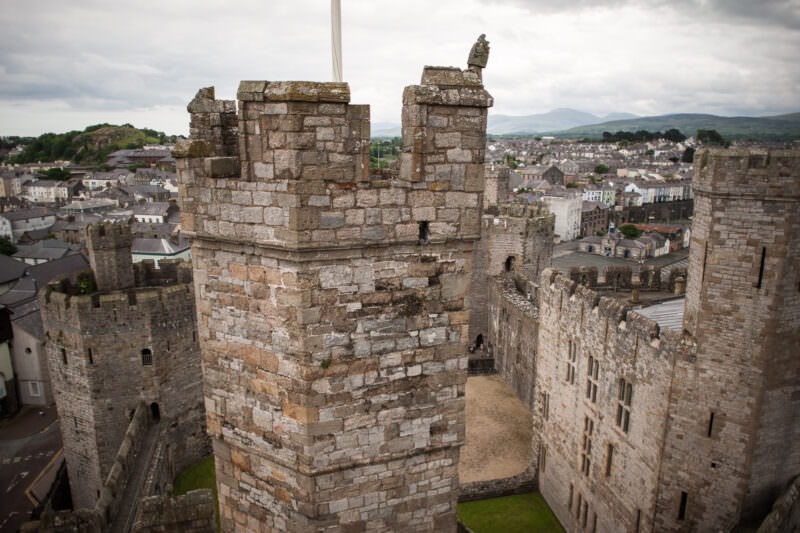
CAERNARFON, Wales — The ramparts of Caernarfon Castle loom over the interior courtyard below in northwest Wales. A castle stood on this site from the late 11th century, but King Edward I commissioned the surviving structure in the late 13th century as part of his conquest of Wales. The fortress’s polygonal towers distinguish it from conventional Norman designs and mark it as a centerpiece of Edward I’s iron ring of fortifications across north Wales. Caernarfon Castle served as the seat of English administrative power in the region and was designated a UNESCO World Heritage Site in 1986. License this image at:DirectlyAlamyPhoto by David Coleman / Have Camera Will Travel
CAERNARFON, Wales — A stone arched doorway within Caernarfon Castle in northwest Wales. The medieval fortress was commissioned by King Edward I in the late 13th century, replacing an earlier structure from the late 11th century on the same site. The castle’s distinctive polygonal towers and massive masonry walls make it a centerpiece of Edward I’s iron ring of fortifications built to secure his conquest of Wales. Widely considered among the finest examples of late medieval military architecture in Europe, the fortress served as the administrative center of north Wales and was designated a UNESCO World Heritage Site in 1986. License this image at:DirectlyAlamyPhoto by David Coleman / Have Camera Will Travel
CAERNARFON, Wales — Ramparts frame the interior courtyard at Caernarfon Castle in northwest Wales. A castle stood on this site from the late 11th century, but King Edward I commissioned the structure visible today in the late 13th century to consolidate his conquest of Wales. The fortress’s distinctive polygonal towers are a defining feature of Edward I’s iron ring of fortifications across north Wales. It served as the seat of English administrative power in the region and was designated a UNESCO World Heritage Site in 1986, recognized as one of the finest surviving examples of late medieval military architecture in Europe. License this image at:DirectlyAlamyPhoto by David Coleman / Have Camera Will Travel
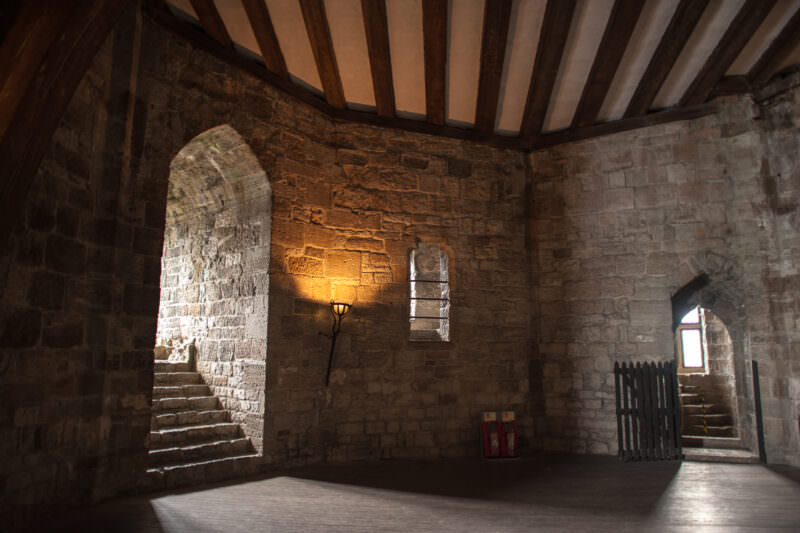
CAERNARFON, United Kingdom — A well-preserved room within the royal residential quarters at Caernarfon Castle in northwest Wales. The castle was commissioned by King Edward I in the late 13th century, replacing an earlier Norman castle that dated to the late 11th century, as part of his series of fortifications to consolidate English control over Wales. The fortress is distinguished by its distinctive polygonal towers and colorful banded stonework. Caernarfon served as both a military stronghold and royal residence, and later became the traditional site for the investiture of the Prince of Wales. It is now recognized as a UNESCO World Heritage Site as part of the Castles and Town Walls of King Edward I in Gwynedd. License this image at:DirectlyAlamyPhoto by David Coleman / Have Camera Will Travel
CAERNARFON, Wales — Ramparts rise above the interior courtyard at Caernarfon Castle in northwest Wales. A castle stood on this site from the late 11th century, but King Edward I commissioned the structure seen today in the late 13th century to consolidate his conquest of Wales. The fortress’s distinctive polygonal towers form a key part of Edward I’s iron ring of fortifications across north Wales. Widely considered among the finest examples of late medieval military architecture in Europe, it served as the seat of English administrative power in the region and was designated a UNESCO World Heritage Site in 1986. License this image at:DirectlyAlamyPhoto by David Coleman / Have Camera Will Travel
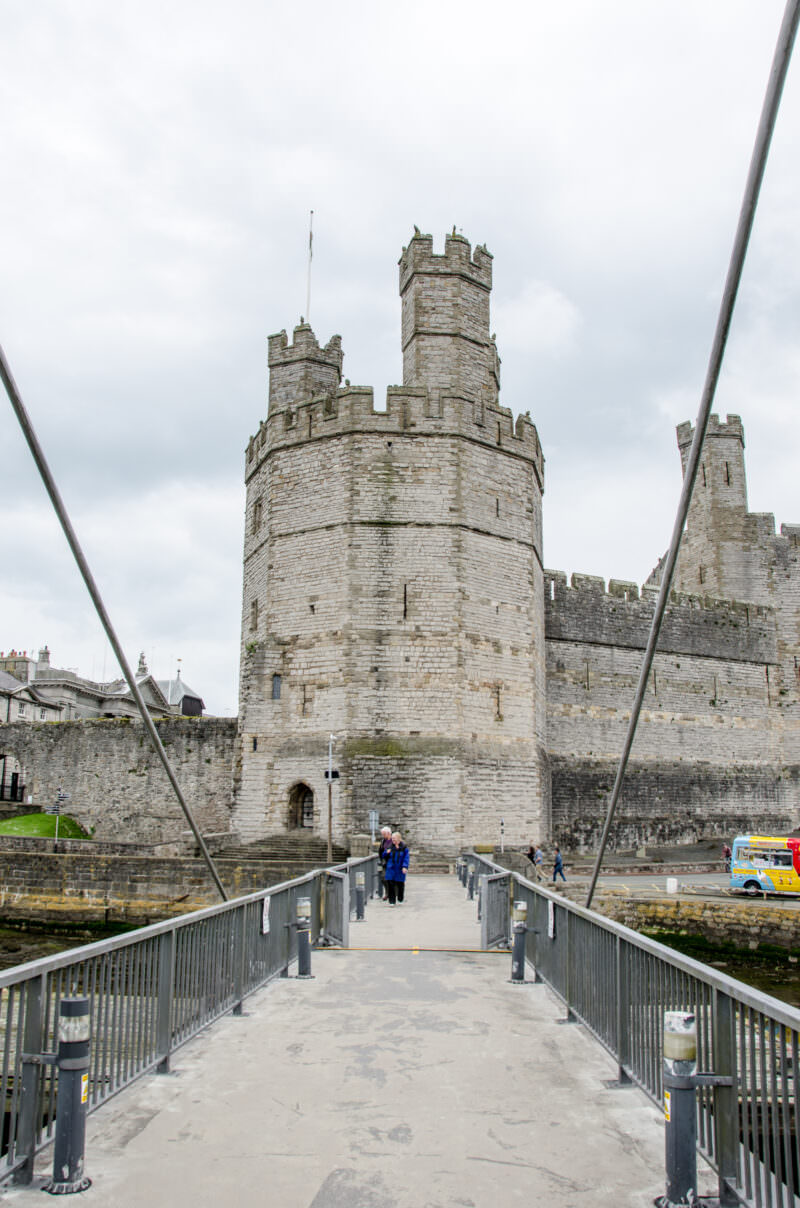
CAERNARFON, Wales — A drawbridge spans the moat at the entrance to Caernarfon Castle in northwest Wales. The site has been fortified since the late 11th century, but the castle seen today was commissioned by King Edward I in the late 13th century as part of his conquest of Wales, with construction continuing into the early 14th century. The fortress features distinctive polygonal towers and is widely regarded as one of the finest examples of late medieval military architecture in Europe. Caernarfon Castle forms part of Edward I’s “iron ring” of fortifications in north Wales and was designated a UNESCO World Heritage Site in 1986. It served as the setting for the investiture of Prince Charles as Prince of Wales in 1969 and remains one of Britain’s best-preserved medieval strongholds. License this image at:DirectlyAlamyPhoto by David Coleman / Have Camera Will Travel
CAERNARFON, Wales — Caernarfon Castle’s interior courtyard displays the fortress’s distinctive polygonal towers and imposing defensive walls. Built by Edward I during his late 13th-century conquest of Wales, the castle served as a symbol of English dominance and later became the traditional site for the investiture of the Prince of Wales. The unique design — featuring banded masonry and angular towers rather than the round forms typical of Norman castles — is thought to have drawn inspiration from the walls of Constantinople. The fortress overlooks the Menai Strait in Gwynedd and was designated a UNESCO World Heritage Site in 1986 as part of Edward I’s “iron ring” of north Welsh castles. License this image at:DirectlyAlamyPhoto by David Coleman / Have Camera Will Travel
CAERNARFON, Wales — The Anglesey pub sits hard against the curtain walls of Caernarfon Castle in northwest Wales, illustrating how the medieval fortification has long shaped the surrounding townscape. The current castle was commissioned by King Edward I in the late 13th century, replacing an earlier fortification dating to the late 11th century. Renowned for its distinctive polygonal towers and massive walls, the castle served as a symbol of English conquest and later became the traditional site for investing the Prince of Wales. Today it stands as a UNESCO World Heritage Site and one of the best-preserved fortifications in Edward I’s chain of Welsh castles. License this image at:DirectlyAlamyPhoto by David Coleman / Have Camera Will Travel
CAERNARFON, Wales — Storm clouds gather over the ramparts of Caernarfon Castle in northwest Wales. A castle stood on this site from the late 11th century, but King Edward I commissioned the imposing structure visible today in the late 13th century as part of his conquest of Wales. With its distinctive polygonal towers and massive curtain walls, it is among the best preserved of the fortifications Edward I raised across the region. The castle is recognized as a UNESCO World Heritage Site as part of the Castles and Town Walls of King Edward in Gwynedd. License this image at:DirectlyAlamyPhoto by David Coleman / Have Camera Will Travel
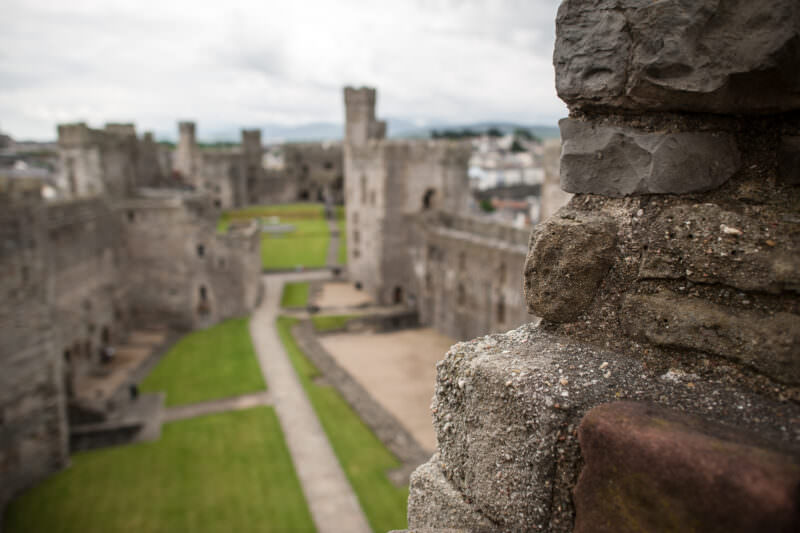
CAERNARFON, Wales — Caernarfon Castle’s interior courtyard stretches below the medieval fortress’s battlements, offering a commanding view of its scale and layout. Commissioned by Edward I during his late 13th-century conquest of Wales, the castle is celebrated for its distinctive polygonal towers and banded masonry. It served as the administrative center of north Wales and is the birthplace of Edward of Caernarfon, born here in 1284 and later invested as Prince of Wales in 1301. The castle forms part of Edward I’s “iron ring” of fortifications in north Wales and was designated a UNESCO World Heritage Site in 1986. Few medieval fortresses in Europe survive in comparable condition. License this image at:DirectlyAlamyPhoto by David Coleman / Have Camera Will Travel
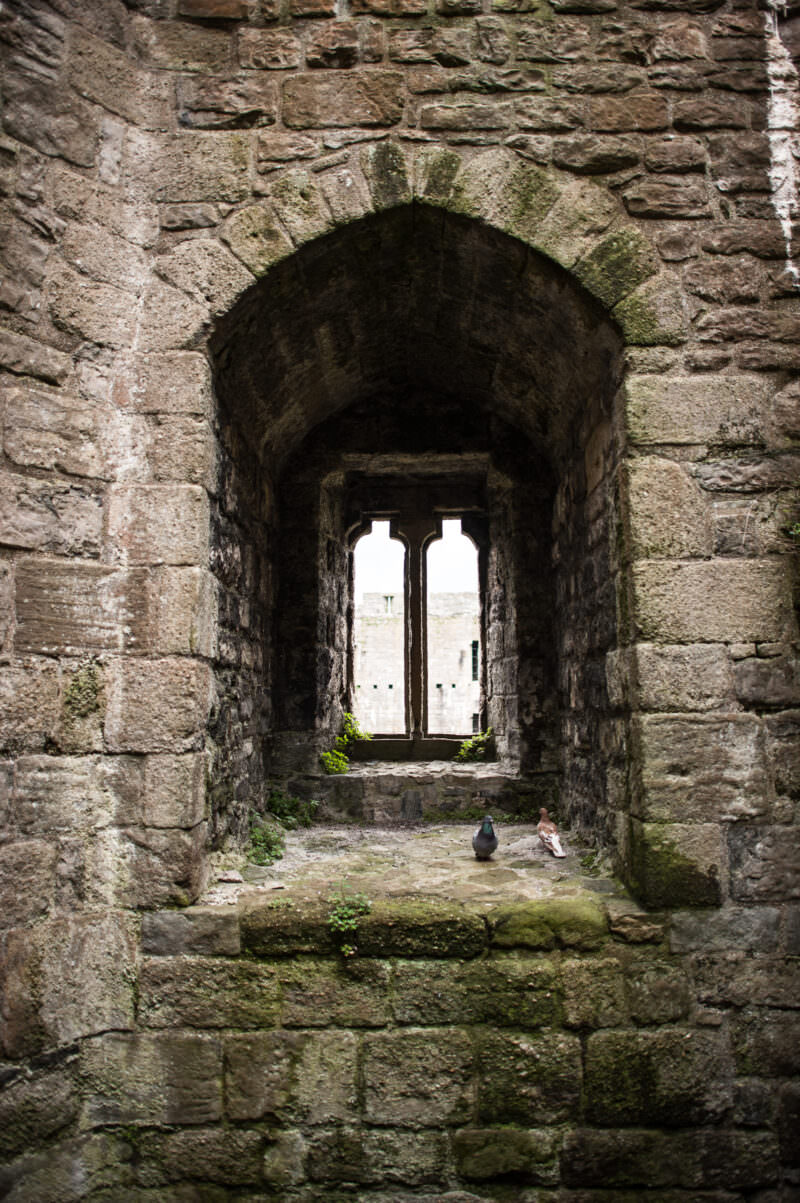
CAERNARFON, United Kingdom — Two pigeons perch on a window ledge at Caernarfon Castle in northwest Wales. The medieval fortress was commissioned by King Edward I in the late 13th century, replacing an earlier Norman castle that dated to the late 11th century. The castle features distinctive polygonal towers and forms part of Edward I’s iron ring of fortifications built to secure his conquest of Wales. Caernarfon is widely considered among the finest examples of late 13th and early 14th-century military architecture in Europe, and served as the setting for the investiture of Prince Charles as Prince of Wales in 1969. Today it stands as a UNESCO World Heritage Site and remains one of the best-preserved medieval fortifications in Britain. License this image at:DirectlyAlamyPhoto by David Coleman / Have Camera Will Travel
CAERNARFON, Wales — The interior courtyard of Caernarfon Castle as seen from the medieval fortress’s battlements. Commissioned by Edward I during his conquest of Wales in the late 13th century, the castle is renowned for its distinctive polygonal towers and banded masonry. It served as the administrative center of north Wales and is the birthplace of Edward of Caernarfon, born here in 1284 and later invested as Prince of Wales in 1301. The fortress forms part of Edward I’s “iron ring” of castles across north Wales and was designated a UNESCO World Heritage Site in 1986. It remains one of the finest examples of late medieval military architecture in Europe. License this image at:DirectlyAlamyPhoto by David Coleman / Have Camera Will Travel
CAERNARFON, Wales — A parapet at Caernarfon Castle, one of the best-preserved fortifications from King Edward I’s late 13th-century castle-building campaign in northwest Wales. The current structure replaced an earlier castle on the site dating to the late 11th century. Edward I commissioned the new fortress as part of his conquest of Wales, and the resulting design — with its distinctive polygonal towers and banded masonry — remains among the finest examples of medieval military architecture in Europe. The castle served as a seat of English power in Wales for generations and is now recognized as a UNESCO World Heritage Site as part of the Castles and Town Walls of King Edward in Gwynedd. License this image at:DirectlyAlamyPhoto by David Coleman / Have Camera Will Travel
CAERNARFON, United Kingdom — Caernarfon Castle seen from across the river, with boats moored in the foreground. The medieval fortress in northwest Wales stands on a site where a Norman castle has existed since the late 11th century, with the current structure commissioned by King Edward I in the late 13th century as part of his conquest of Wales. The castle’s distinctive polygonal towers rise above the waterfront, making it one of the most recognizable fortifications in Edward I’s chain of Welsh castles. Caernarfon Castle is recognized as a UNESCO World Heritage Site as part of the Castles and Town Walls of King Edward I in Gwynedd, and remains one of the finest examples of late 13th and early 14th-century military architecture in Europe. License this image at:DirectlyAlamyPhoto by David Coleman / Have Camera Will Travel
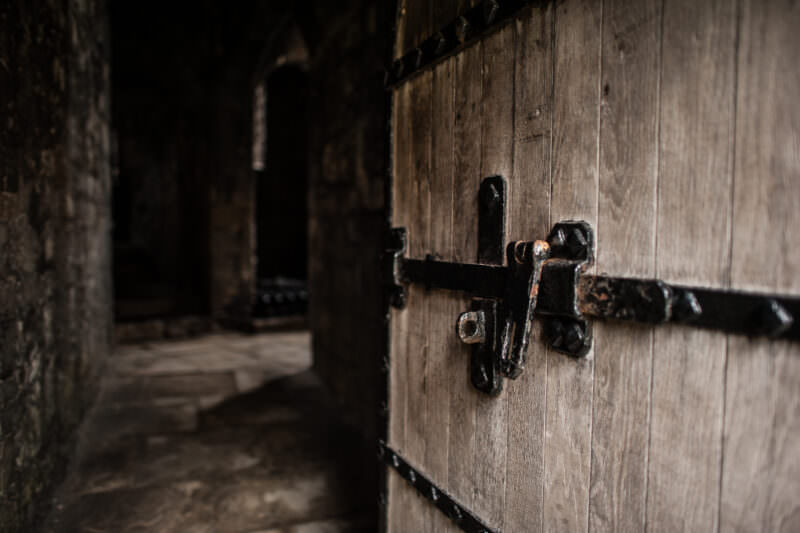
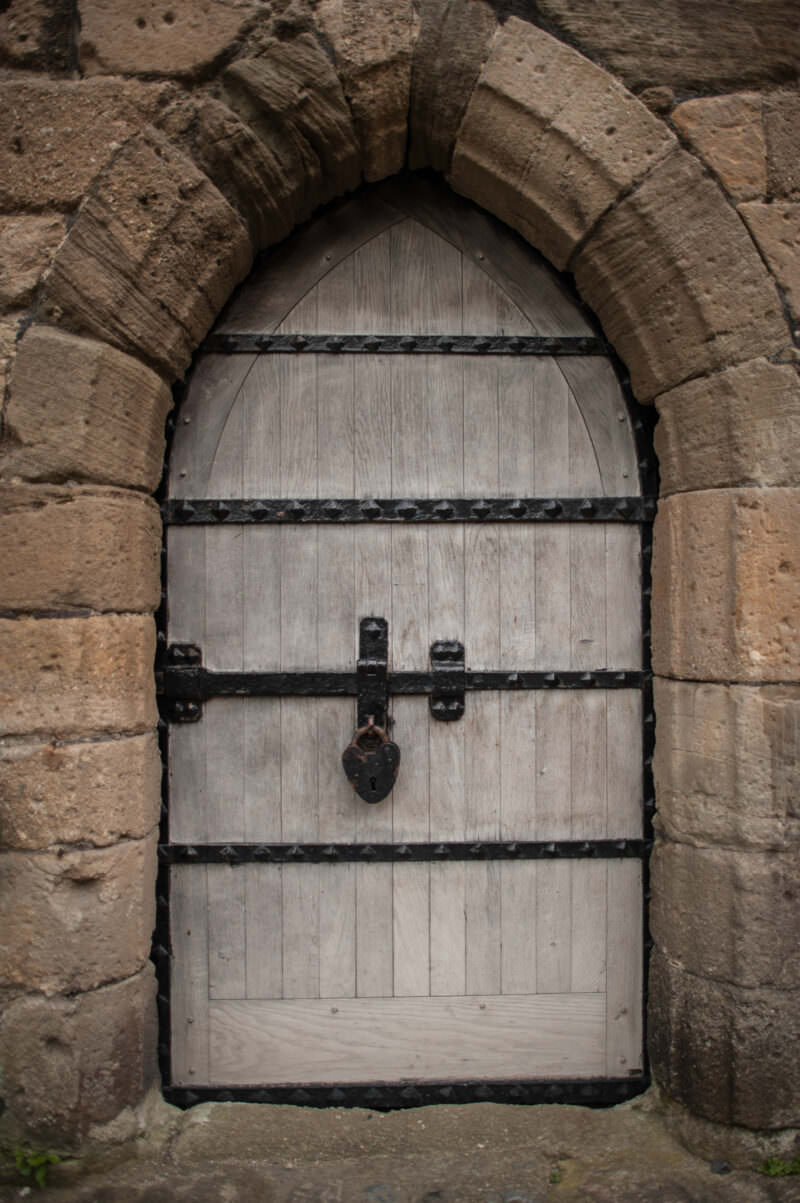
CAERNARFON, United Kingdom — A solid oak door fitted with a heavy metal lock at Caernarfon Castle in northwest Wales. The medieval fortress was commissioned by King Edward I in the late 13th century, replacing an earlier Norman castle that dated to the late 11th century. The castle forms part of Edward I’s iron ring of fortifications built to consolidate his conquest of Wales, and is distinguished by its polygonal towers and colorful banded masonry. Caernarfon served as the seat of English administration in Wales and later became the traditional site for the investiture of the Prince of Wales. Today it stands as one of the finest examples of late 13th and early 14th-century military architecture in Europe and is designated a UNESCO World Heritage Site. License this image at:DirectlyAlamyPhoto by David Coleman / Have Camera Will Travel
CAERNARFON, United Kingdom — A panoramic view of the exterior of Caernarfon Castle in northwest Wales. The site held a Norman castle dating to the late 11th century before King Edward I commissioned the current structure in the late 13th century. The castle features distinctive polygonal towers and is among the best-preserved of Edward I’s iron ring of fortifications built to consolidate English rule in North Wales. It was designated a UNESCO World Heritage Site in 1986 as part of the Castles and Town Walls of King Edward I in Gwynedd. The castle has served as the setting for the investiture of several Princes of Wales, most recently Prince Charles — now King Charles III — in 1969. License this image at:DirectlyAlamyPhoto by David Coleman / Have Camera Will Travel
CAERNARFON, United Kingdom — The Eagle Tower at Caernarfon Castle in northwest Wales. The site held a Norman castle dating to the late 11th century before King Edward I commissioned the current structure in the late 13th century as part of his iron ring of castles built to consolidate English rule in North Wales. The Eagle Tower, the largest of the castle’s distinctive polygonal towers, served as the principal residential accommodation and remains one of the fortress’s most prominent architectural features. Caernarfon Castle was designated a UNESCO World Heritage Site in 1986 as part of the Castles and Town Walls of King Edward I in Gwynedd, and is widely considered one of the finest examples of late 13th and early 14th-century military architecture in Europe. License this image at:DirectlyAlamyPhoto by David Coleman / Have Camera Will Travel
CAERNARFON, United Kingdom — A stone stairway descends within Caernarfon Castle in northwest Wales. The medieval fortress was built by King Edward I in the late 13th century on the site of an earlier Norman castle from the late 11th century, and forms part of Edward I’s iron ring of fortifications built to secure his conquest of Wales. The castle features distinctive polygonal towers and is widely considered among the finest examples of late 13th and early 14th-century military architecture in Europe. It served as the administrative center of north Wales and was designated a UNESCO World Heritage Site in 1986 as part of the Castles and Town Walls of King Edward I in Gwynedd. License this image at:DirectlyAlamyPhoto by David Coleman / Have Camera Will Travel
CAERNARFON, United Kingdom — Interior walls of Caernarfon Castle in northwest Wales. The site held a Norman castle dating to the late 11th century before King Edward I commissioned the current structure in the late 13th century as part of his iron ring of castles built to consolidate English rule in Wales. The fortress features distinctive polygonal towers and is widely considered among the finest examples of late 13th and early 14th-century military architecture in Europe. Caernarfon Castle served as the seat of English administrative power in North Wales and was designated a UNESCO World Heritage Site in 1986 as part of the Castles and Town Walls of King Edward I in Gwynedd. Today it remains one of the best-preserved medieval fortifications in Britain. License this image at:DirectlyAlamyPhoto by David Coleman / Have Camera Will Travel
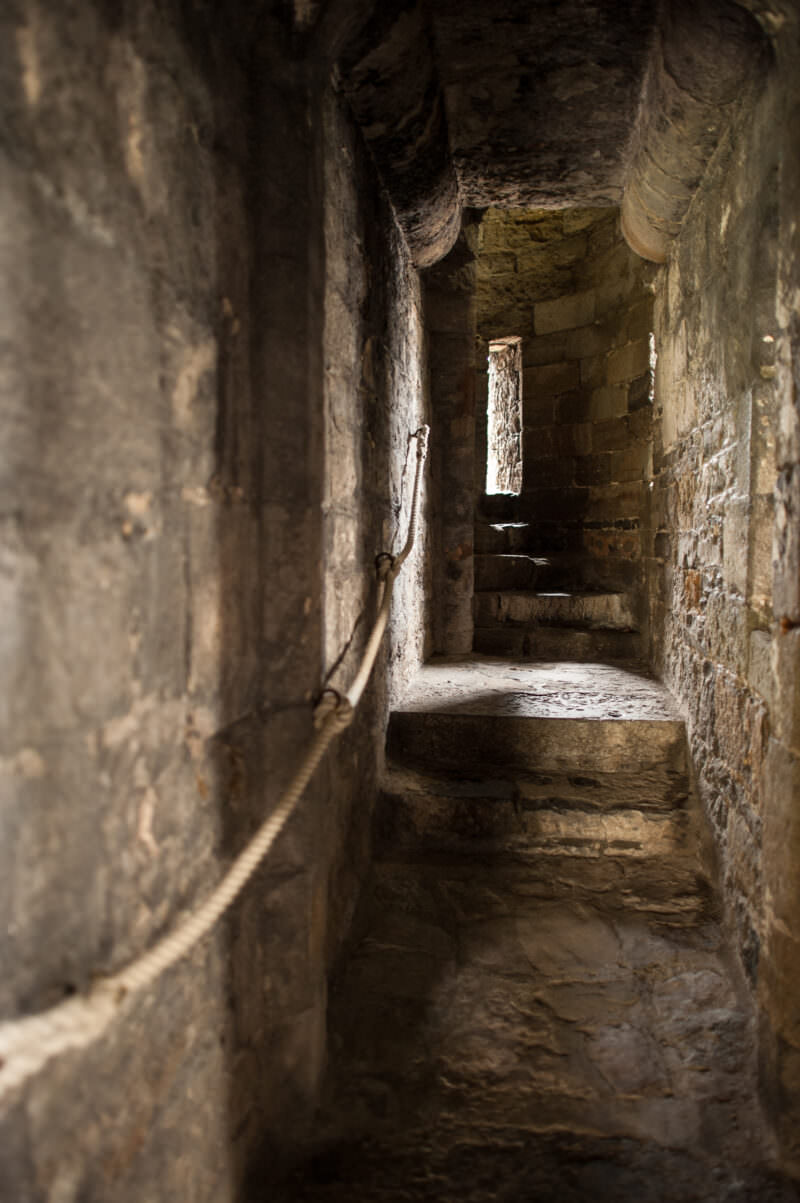
CAERNARFON, United Kingdom — An interior corridor runs through the thickness of the walls at Caernarfon Castle in northwest Wales. The site held a Norman castle dating to the late 11th century before King Edward I commissioned the current structure in the late 13th century as part of his iron ring of castles built to consolidate his conquest of Wales. The medieval fortress features distinctive polygonal towers and is widely considered among the finest examples of late 13th and early 14th-century military architecture in Europe. Caernarfon Castle served as the seat of English administrative power in North Wales and was designated a UNESCO World Heritage Site in 1986. Today it remains one of the best-preserved medieval fortifications in Britain. License this image at:DirectlyAlamyPhoto by David Coleman / Have Camera Will Travel
CAERNARFON, United Kingdom — Welsh slate rooftops spread across the town as seen from one of the towers at Caernarfon Castle in northwest Wales. The site held a Norman castle dating to the late 11th century before King Edward I commissioned the current structure in the late 13th century. Among the best-preserved of the fortifications Edward I built during his conquest of Wales, the castle features distinctive polygonal towers that afford sweeping views over the surrounding town and waterways. The fortress served as a symbol of English dominance over Wales and later became the traditional site for the investiture of the Prince of Wales. It was designated a UNESCO World Heritage Site in 1986 as part of the Castles and Town Walls of King Edward I in Gwynedd. License this image at:DirectlyAlamyPhoto by David Coleman / Have Camera Will Travel
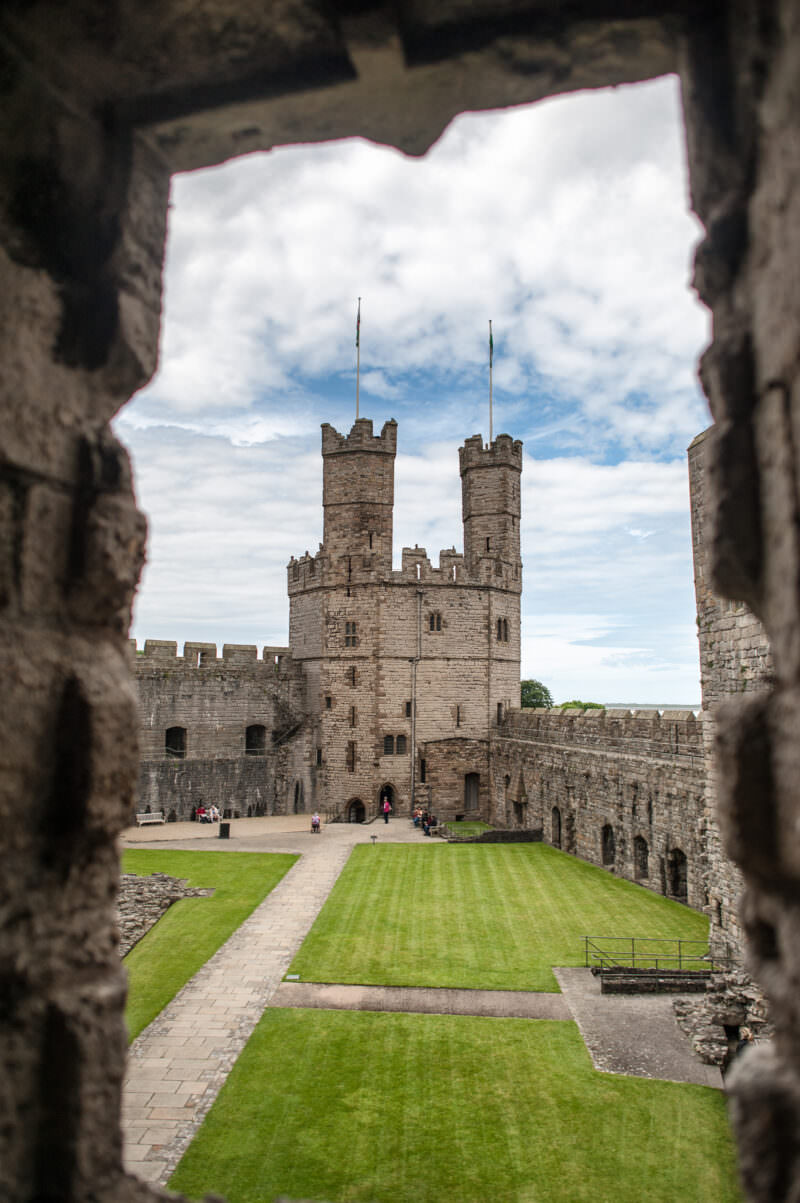
CAERNARFON, United Kingdom — The interior courtyard of Caernarfon Castle framed through a stone window opening in northwest Wales. The site held a Norman castle dating to the late 11th century before King Edward I commissioned the current structure in 1283, with construction continuing intermittently for several decades under master mason James of Saint George. The medieval fortress features distinctive polygonal towers and represents one of the best-preserved examples from Edward I’s series of Welsh castles. Caernarfon Castle served as a symbol of English conquest and later became associated with the investiture of the Prince of Wales. It forms part of the Castles and Town Walls of King Edward I in Gwynedd UNESCO World Heritage Site. License this image at:DirectlyAlamyPhoto by David Coleman / Have Camera Will Travel
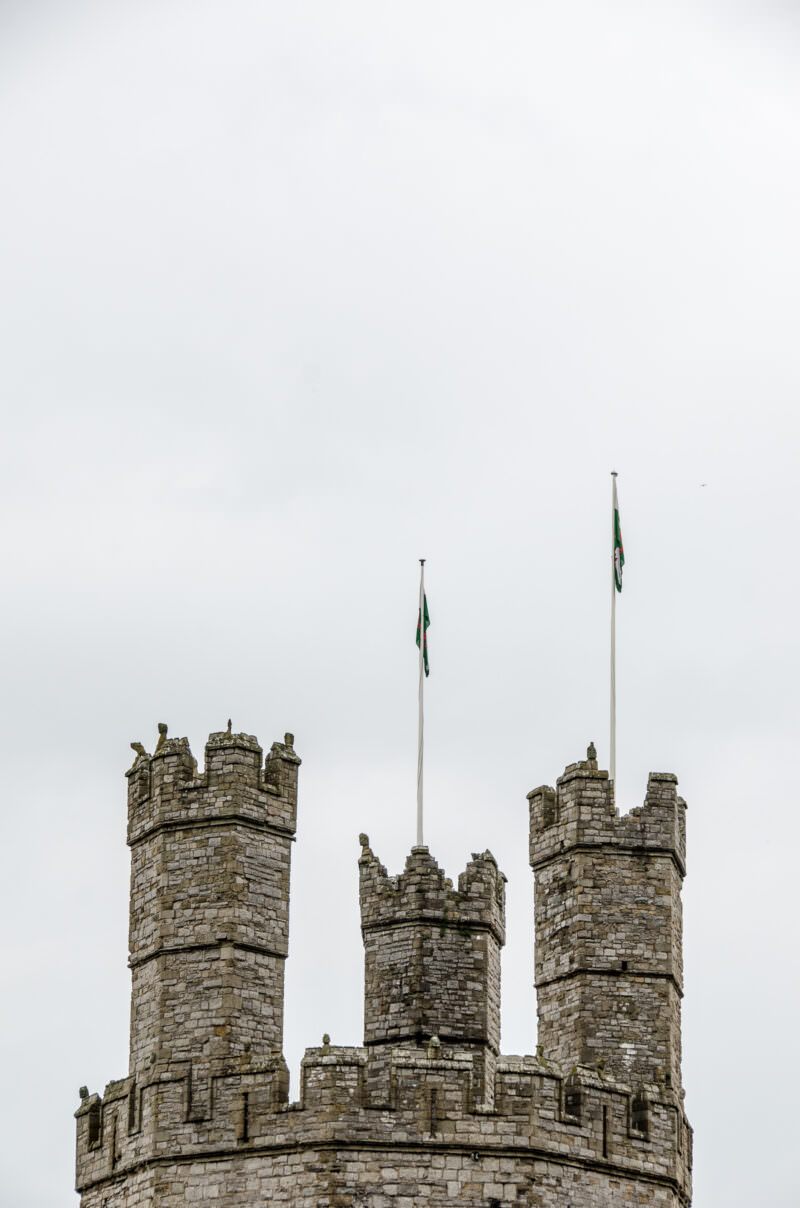
CAERNARFON, United Kingdom — Turrets rising above Caernarfon Castle in northwest Wales. The site originally held a Norman castle dating to the late 11th century, but King Edward I commissioned the current structure in the late 13th century to consolidate his conquest of Wales. The castle’s distinctive polygonal towers and massive curtain walls made it a centerpiece of Edward I’s iron ring of fortifications across Gwynedd. Widely considered one of the finest examples of late 13th and early 14th-century military architecture in Europe, the fortress served as the seat of English administrative power in North Wales. It was designated a UNESCO World Heritage Site in 1986. License this image at:DirectlyAlamyPhoto by David Coleman / Have Camera Will Travel
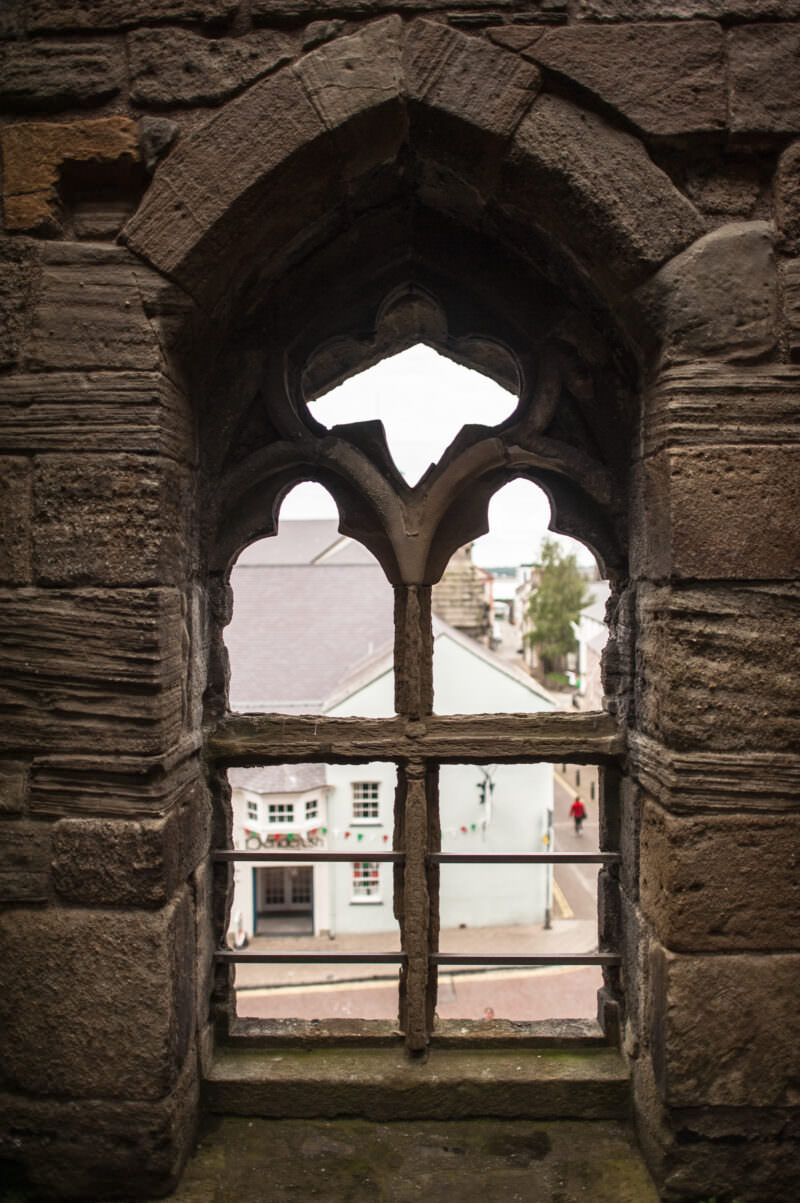
CAERNARFON, United Kingdom — A window looking out towards the town at Caernarfon Castle in northwest Wales. The medieval fortress was commissioned by King Edward I in the late 13th century, replacing an earlier Norman castle that dated to the late 11th century. The castle forms part of Edward I’s iron ring of fortifications built to secure his conquest of Wales, and is distinguished by its polygonal towers and banded masonry, inspired by the walls of Constantinople. Caernarfon served as the administrative center of north Wales and later became the traditional site for the investiture of the Prince of Wales. Today it is designated a UNESCO World Heritage Site as part of the Castles and Town Walls of King Edward I in Gwynedd. License this image at:DirectlyAlamyPhoto by David Coleman / Have Camera Will Travel
I'm a freelance travel photographer based in Washington DC. Seven continents, up mountains, underwater, and a bunch of places in between. My images have appeared in numerous publications, and you can check out some of my gear reviews and tips here. More »