GRANADA, Nicaragua — Parque Central is a hustling, bustling center of town. As in so many Spanish colonial towns, the park forms the heart of a grid that radiates out through the city’s streets.
It’s a hustling, bustling center of town. As in so many Spanish colonial towns, Parque Central (or Central Park, if you prefer) forms the heart of a grid that radiates out through the streets.
With the distinctive three peaks of Catedral de Granada towering above, the park itself is both a showpiece and a living, breathing public space.
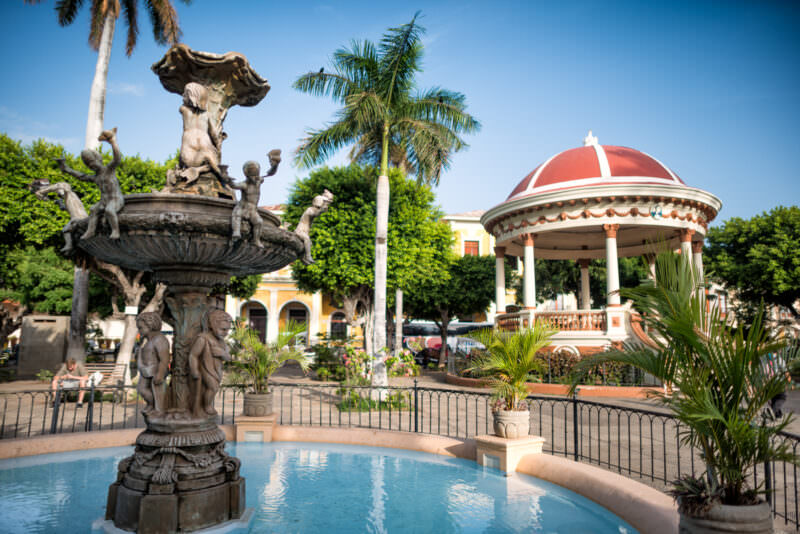
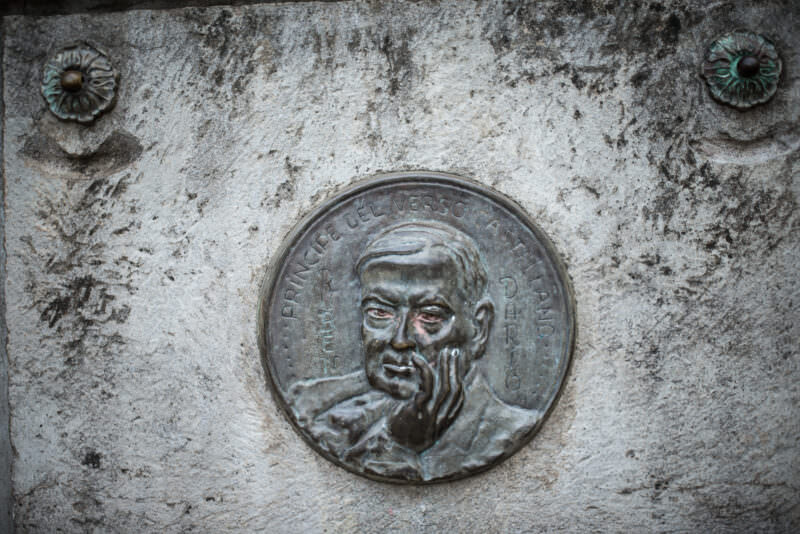
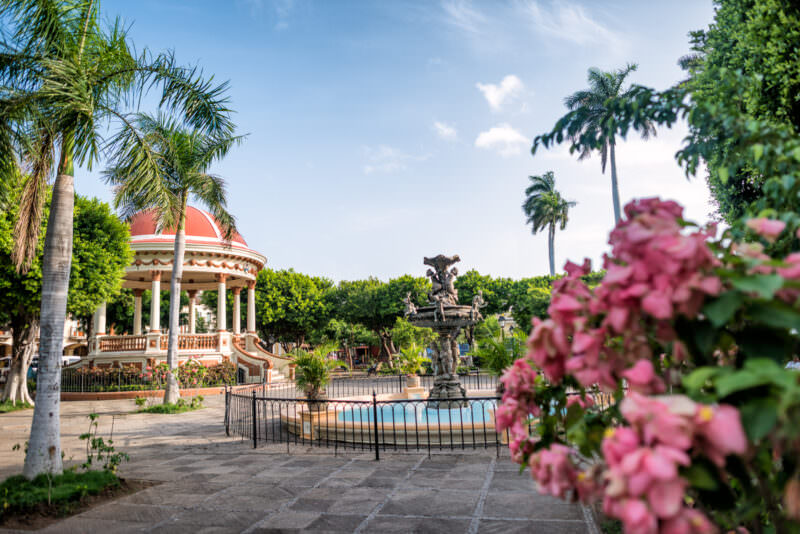
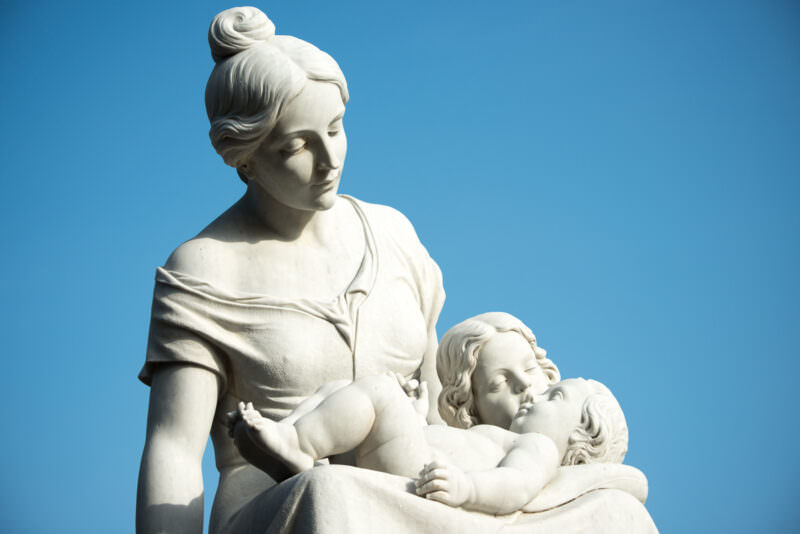
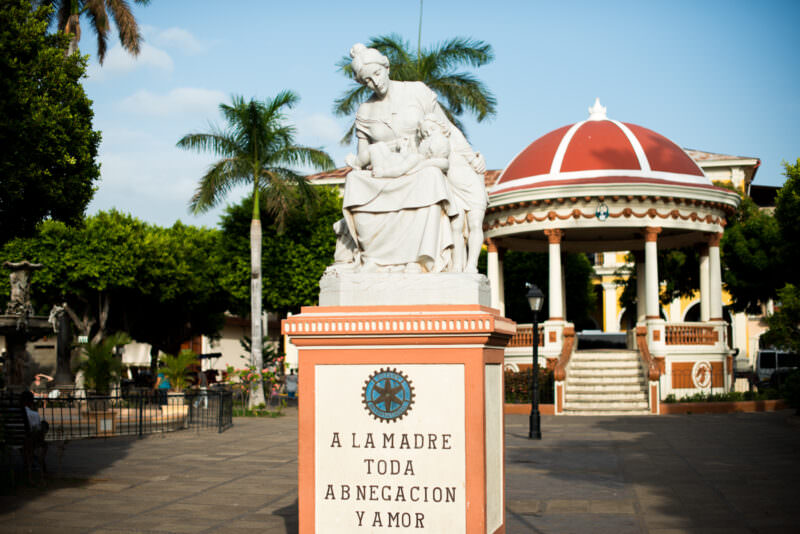
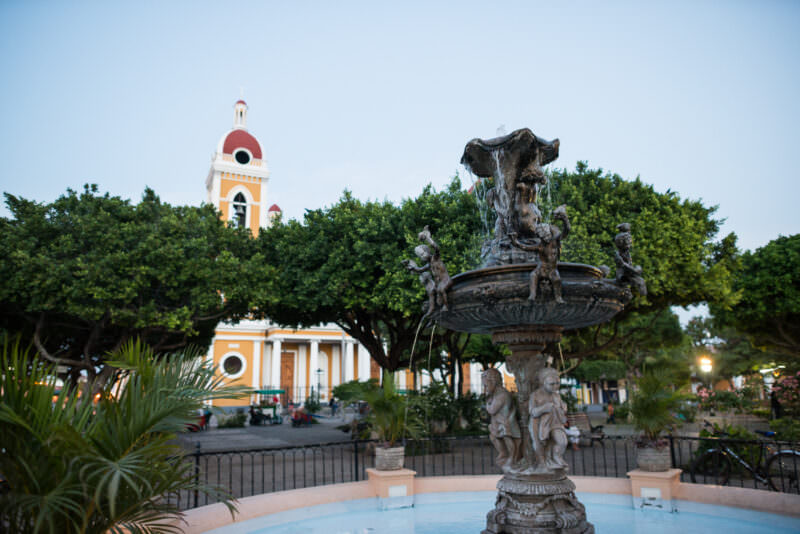
There are fountains and statues dedicated to mothers and to beloved Nicaraguan poet Rubén Darío.
And while it gets sleepy in the heat of the middle of the day, despite the shade offered by the covering of ficus, mango, poinciana, and palm trees, by sunset it becomes a lively hive of activity. The park’s many benches offer a wonderful spot to sit and watch the world go by.
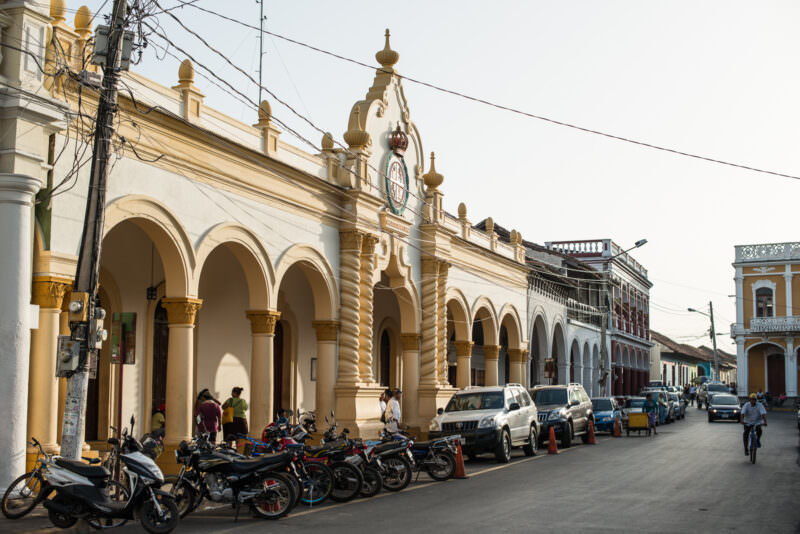
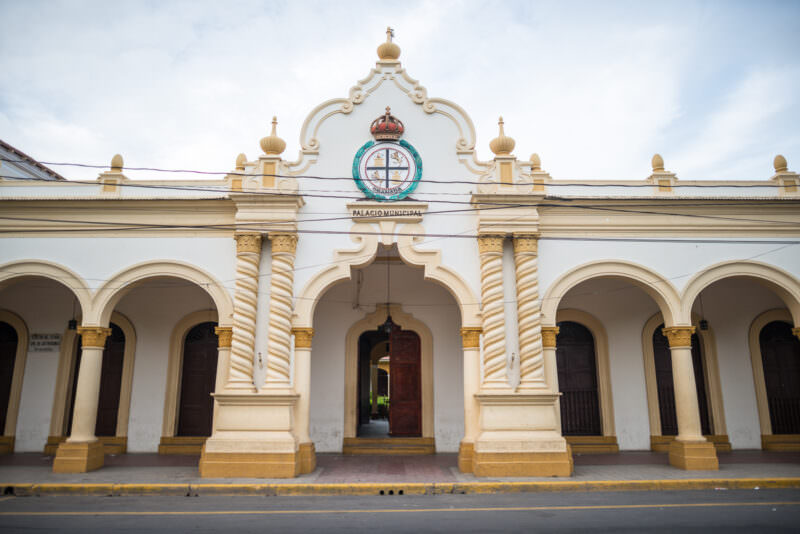
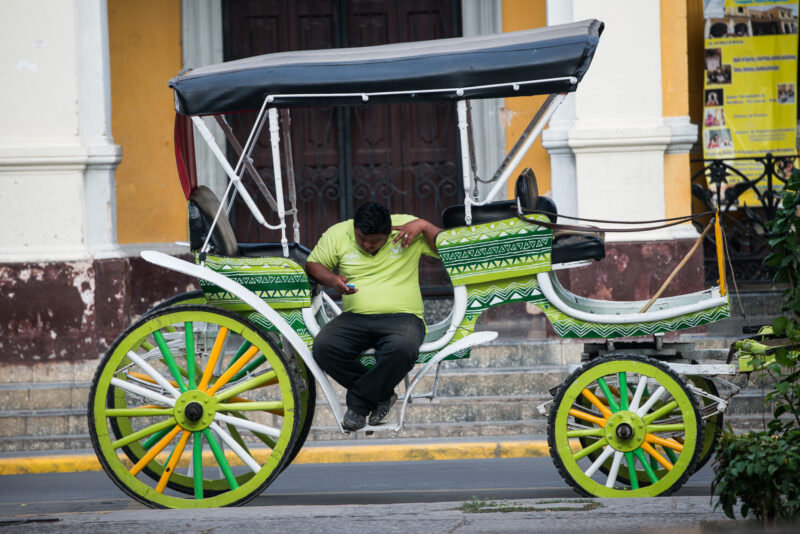
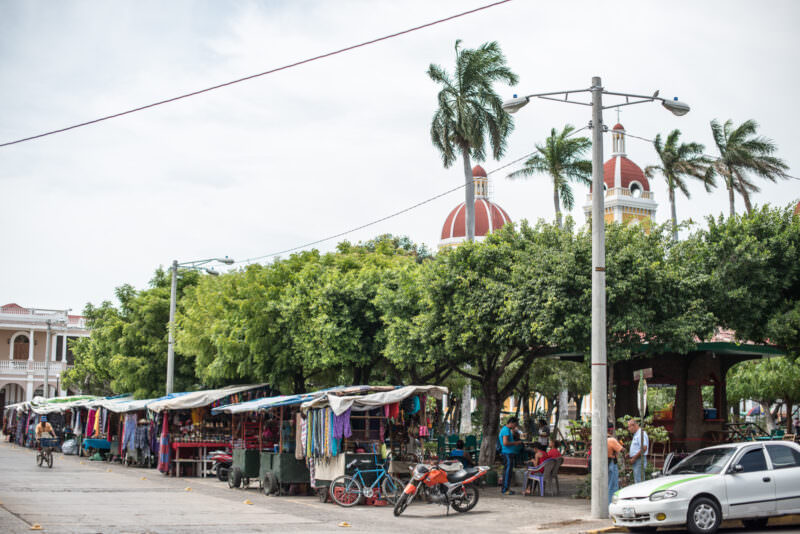
On the western side of the park, brightly painted horse-drawn carriages line up, waiting for tourists to come along for a ride around the town. On the northern side is a row of tourist market stalls selling things you really don’t need but that can make cute gifts. The eastern side feeds into Plaza de la Independencia (Independence Square), the bustling pedestrian street Calle La Calzada lined with bars and restaurants, and Granada Cathedral. On the southern side is the relatively low-key city hall. On each of the four corners is a kiosk where the house specialty is the Nicaraguan dish of vigaron.
Photos of Granada’s Parque Central
Here are some of the photos I’ve taken at Parque Central.
The Reference Context does not flag any errors in this specific caption about the coches and Parque Central. The 1524 founding date is confirmed accurate, and the description of the carriages and their role as tourist conveyances is consistent with the verified historical context. No corrections are needed.
GRANADA, Nicaragua — Horse-drawn carriages decorated with brightly painted geometric patterns wait for passengers along the western edge of Parque Central. Known locally as coches, the vehicles navigate an urban street grid originally laid out in 1524. They serve as the primary tourist conveyance through the cobblestone streets of one of the oldest continuously inhabited European-established settlements in the Americas. Photo by David Coleman / Have Camera Will TravelLicense this image at:DirectlyAlamy
GRANADA, Nicaragua — Twisted Solomonic columns and an arched portico define the facade of the Palacio Municipal on the edge of Parque Central. The building’s placement reflects the 16th-century Spanish urban planning codes known as the Laws of the Indies, which mandated that principal civic structures anchor a central square. Founded in 1524, Granada is one of the oldest remaining colonial settlements in the Americas. Photo by David Coleman / Have Camera Will TravelLicense this image at:DirectlyAlamy
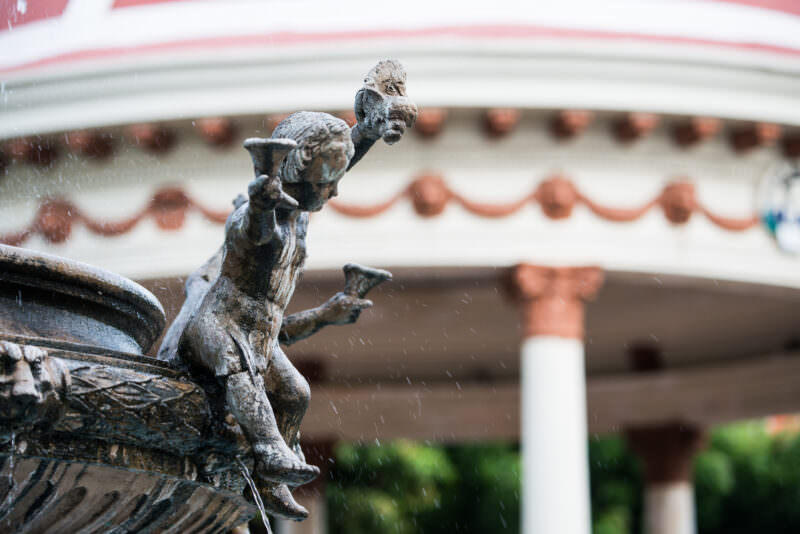
GRANADA, Nicaragua — An ornate cherub fountain stands before the red-domed music kiosk in Parque Central, the city’s colonial-era main square. Built by mayor Manuel Urbina Bermúdez in 1933 and named for the composer José de la Cruz Mena, the bandstand and imported fountain were added during the park’s late 19th-century remaking of the original 16th-century Plaza Mayor. Photo by David Coleman / Have Camera Will TravelLicense this image at:DirectlyAlamy
GRANADA, Nicaragua — The arcaded facade of the Palacio Municipal features twisted Solomonic columns flanking its main entrance. The prominent coat of arms above the doorway displays the lions and castles of Spanish royalty, reflecting the heritage of a city founded in 1524 as one of the oldest European-established settlements in the Americas. Photo by David Coleman / Have Camera Will TravelLicense this image at:DirectlyAlamy
GRANADA, Nicaragua — A driver checks his mobile phone while waiting for passengers in a brightly painted horse-drawn carriage at Parque Central. Founded in 1524, Granada is one of Central America’s oldest colonial settlements and retains much of its original Spanish grid architecture. These traditional carriages, once the primary mode of urban transit, now operate as a cornerstone of the city’s modern tourism economy. Photo by David Coleman / Have Camera Will TravelLicense this image at:DirectlyAlamy
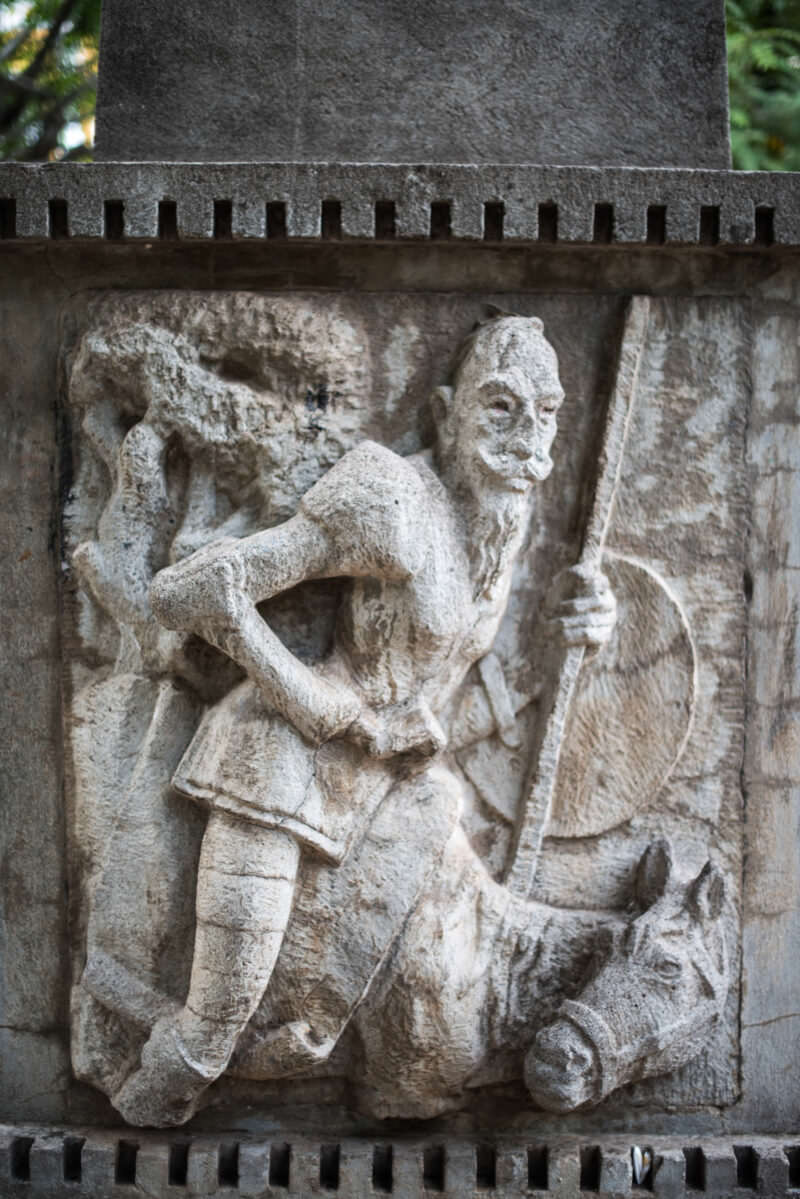
GRANADA, Nicaragua — A carved stone relief of Don Quixote anchors the base of the Ruben Dario Obelisk in Parque Central. The presence of Miguel de Cervantes’ knight reflects the literary lineage of Dario, the founder of the Spanish-American Modernismo movement, who frequently invoked Quixote as a symbol of Hispanic idealism. The monument was installed in 1966 to mark the 50th anniversary of the Nicaraguan poet’s death. Photo by David Coleman / Have Camera Will TravelLicense this image at:DirectlyAlamy
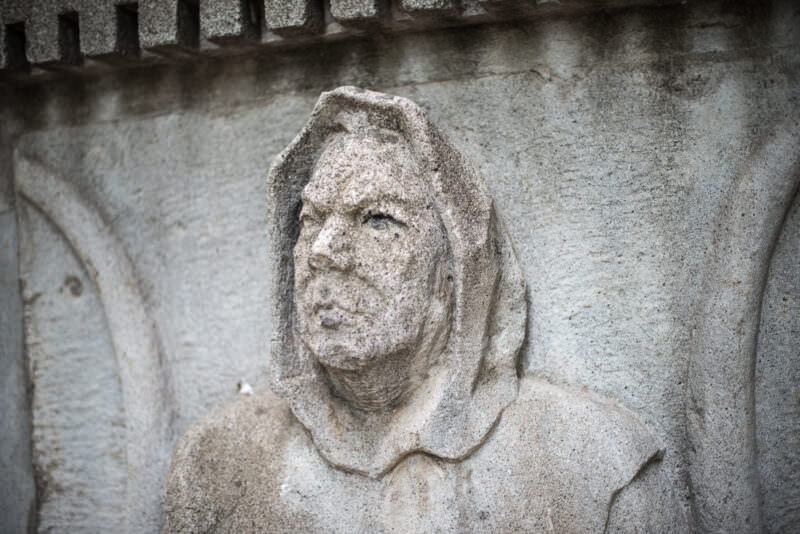
GRANADA, Nicaragua — A weathered stone relief of a hooded figure decorates the base of the Rubén Darío monument in Parque Central. The obelisk was raised in 1966, fifty years after the death of Félix Rubén García Sarmiento, the Nicaraguan poet who wrote as Rubén Darío and led Modernismo, the literary movement that reshaped Spanish-language poetry and prose. Photo by David Coleman / Have Camera Will TravelLicense this image at:DirectlyAlamy
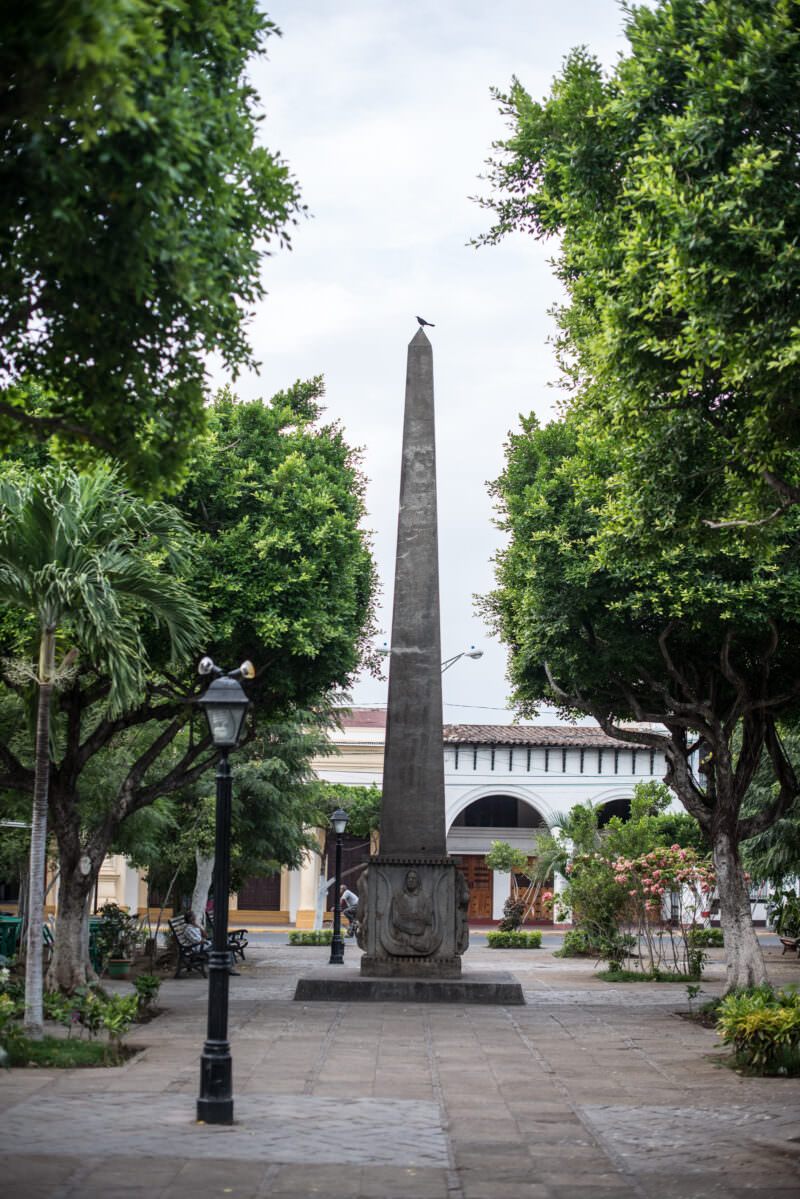
GRANADA, Nicaragua — A stone obelisk rises among the trees of Parque Central, the historic main square of one of Nicaragua’s oldest colonial cities. The monument’s base features a carved relief portrait of Rubén Darío, installed in 1966 to mark the 50th anniversary of the poet’s death. Born Félix Rubén García Sarmiento, Darío is celebrated as the father of Modernismo, a movement that profoundly shaped Spanish-American literature. Photo by David Coleman / Have Camera Will TravelLicense this image at:DirectlyAlamy
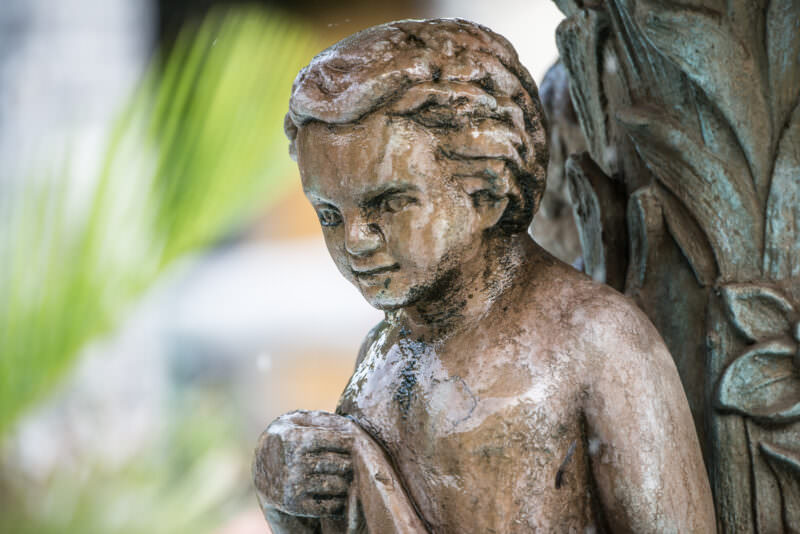
GRANADA, Nicaragua — A weathered fountain sculpture of a boy in classical drapery anchors Parque Central. The plaza has served as the civic hub of Granada since 1524, when the city was established as one of the earliest European settlements in the Americas. The fountain’s Roman-inspired design reflects late 19th-century neoclassical additions layered over the original 16th-century Spanish colonial plaza grid, part of broader municipal efforts to transform open colonial squares into formalized public parks. Photo by David Coleman / Have Camera Will TravelLicense this image at:DirectlyAlamy
GRANADA, Nicaragua — A weathered bronze cherub sits on the main fountain of Parque Central, framed against the plaza’s neoclassical kiosk. The square dates to the city’s 1524 founding by Francisco Hernández de Córdoba. The red-domed glorieta bandstand and the classical fountains represent late 19th-century neoclassical additions layered over the original 16th-century Spanish plaza grid. This central placement reflects the Spanish Crown’s Laws of the Indies urban planning codes, anchoring the civic life of one of Central America’s oldest European-established settlements. Photo by David Coleman / Have Camera Will TravelLicense this image at:DirectlyAlamy
GRANADA, Nicaragua — A bronze relief portrait of poet Rubén Darío marks the stone base of his memorial obelisk in Parque Central. The medallion’s inscription, “Principe del Verso Castellano” (Prince of Castilian Verse), recognizes his status as the leading figure of Modernismo. This late 19th-century literary movement fundamentally transformed Spanish-language poetry. The monument was installed in 1966 to commemorate the 50th anniversary of Darío’s death in 1916. Photo by David Coleman / Have Camera Will TravelLicense this image at:DirectlyAlamy
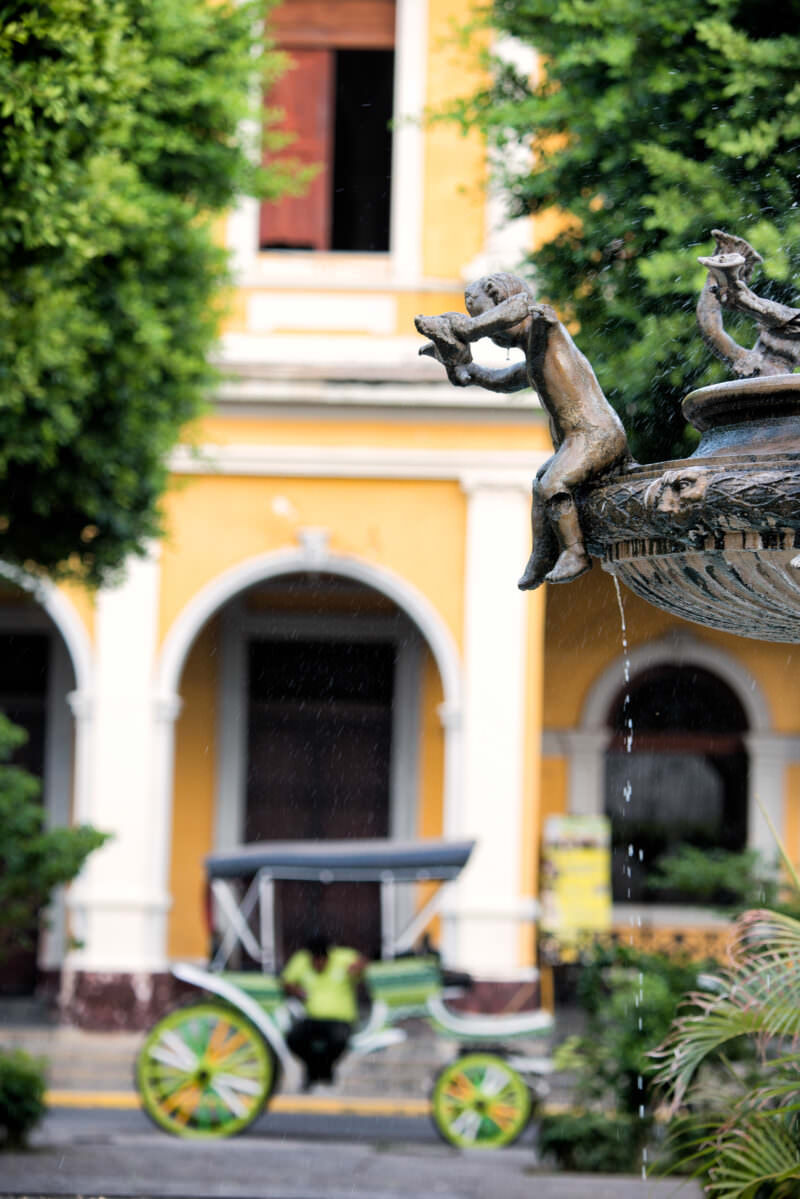
GRANADA, Nicaragua — A bronze cherub sprays water from a shell in the central fountain of Parque Central. The decorative fixture anchors a public square laid out during the city’s founding in 1524. This continuous use makes it one of the oldest European-established plazas in Central America, following the Spanish Crown’s Laws of the Indies, which mandated a central gathering space surrounded by arcaded civic buildings. The classical fountain itself is among the late 19th-century neoclassical additions layered over the original 16th-century Spanish plaza grid. Photo by David Coleman / Have Camera Will TravelLicense this image at:DirectlyAlamy
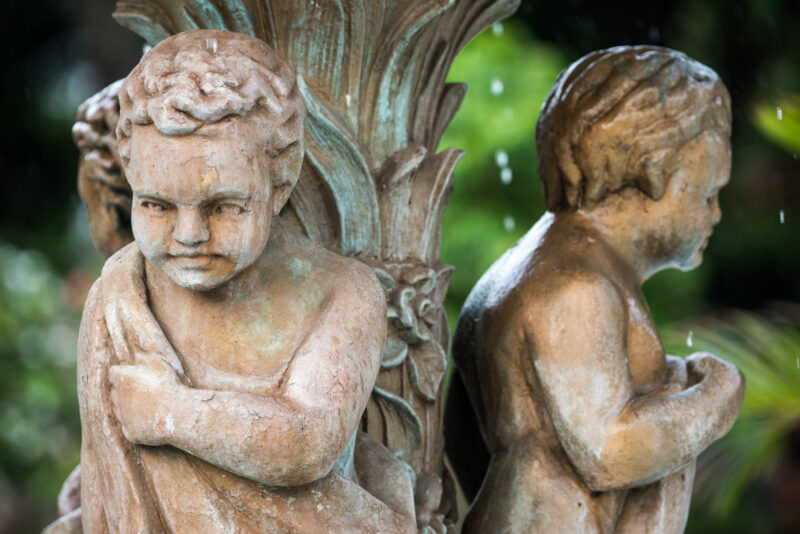
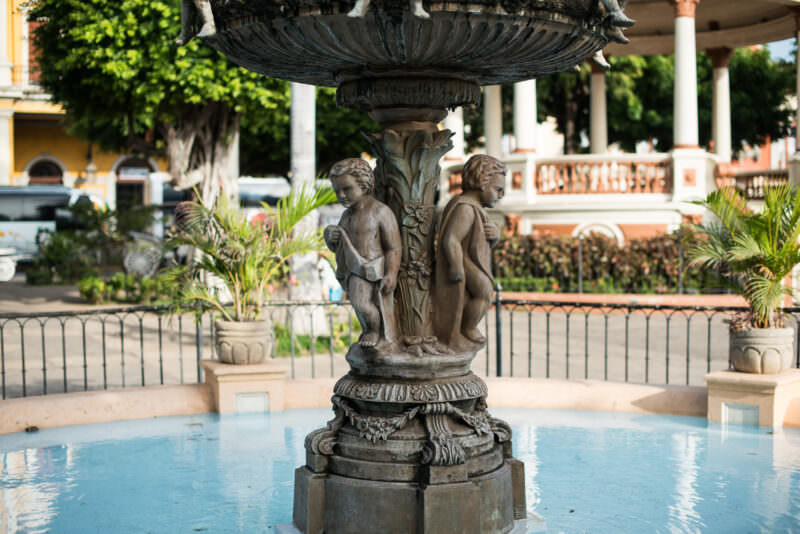
GRANADA, Nicaragua — Sculptures of boys draped in Roman togas decorate a weathered fountain in Parque Central. The incorporation of classical European motifs into this civic water feature reflects the late 19th-century neoclassical layering over the original 16th-century Spanish plaza grid. These design choices echo the broader post-colonial modernization efforts seen across Latin American public squares. The plaza anchors a city founded in 1524, standing as one of the oldest continuously inhabited European settlements in the Americas. Photo by David Coleman / Have Camera Will TravelLicense this image at:DirectlyAlamy
Looking at this caption, I need to check it against the Reference Context. The caption mentions “neoclassical colonnades lining the square largely date to the late 19th century,” which aligns with the Reference Context’s confirmation that late 19th-century neoclassical layers are historically accurate. The Reference Context also confirms the 1524 founding date and the 1856 burning by William Walker. No factual errors are present in this caption — the Reference Context errors flagged concern other photos (cathedral chronology in Photos 2, 9, 19, 34), not this one. The caption is already well-structured and factually sound.
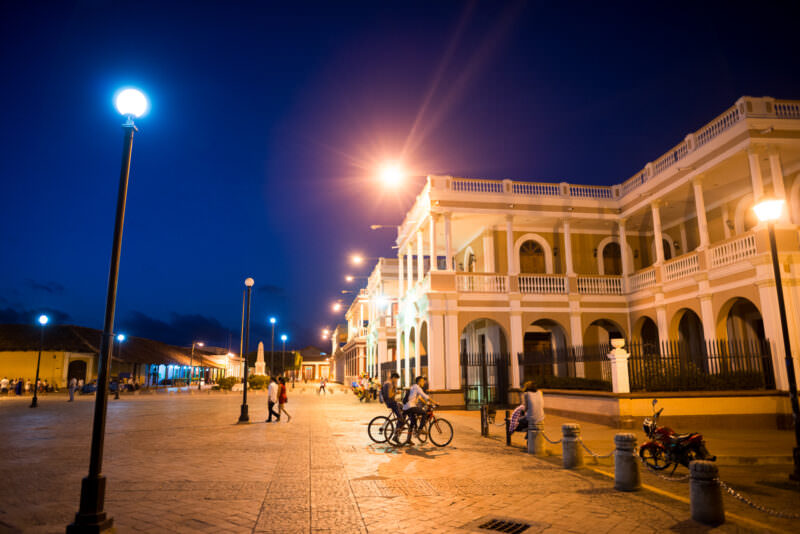
GRANADA, Nicaragua — Streetlamps illuminate the paved walkways and arcaded facades of Independence Plaza (Plaza de la Independencia) at night. Although Granada was established in 1524, the neoclassical colonnades lining the square largely date to the late 19th century. The city required extensive reconstruction after American filibuster William Walker ordered his retreating mercenary army to burn the settlement to the ground in 1856. Photo by David Coleman / Have Camera Will TravelLicense this image at:DirectlyAlamy
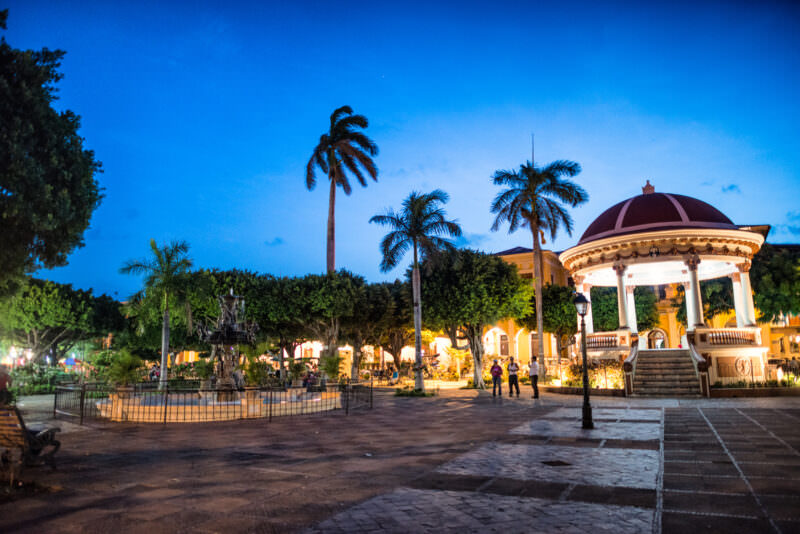
GRANADA, Nicaragua — An illuminated neoclassical gazebo and sculpted fountain anchor Parque Central at dusk. The plaza’s layout follows the traditional Spanish colonial grid system that mandated a central square as the civic nucleus for new settlements. Francisco Hernández de Córdoba founded the city around this space in 1524, making Granada one of the oldest continuous European settlements in the continental Americas. The red-domed glorieta bandstand and classical fountains represent late 19th-century neoclassical additions layered over the original 16th-century Spanish plaza grid. Photo by David Coleman / Have Camera Will TravelLicense this image at:DirectlyAlamy
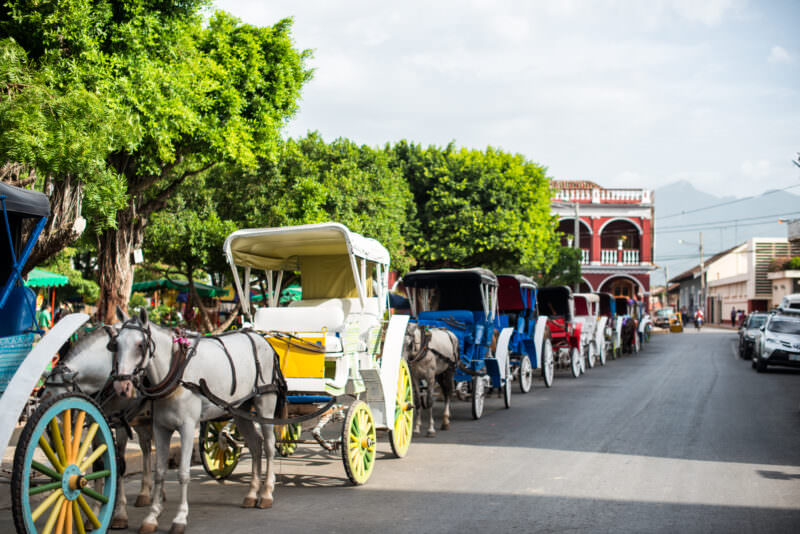
GRANADA, Nicaragua — Horse-drawn carriages, known locally as coches, line the western edge of Parque Central. The plaza anchors the original urban grid established when Spanish conquistador Francisco Hernández de Córdoba founded the settlement in 1524. The surrounding arcaded architecture, including the red building in the background, largely dates to the late 19th-century reconstruction period after American filibuster William Walker ordered the city burned in 1856. Photo by David Coleman / Have Camera Will TravelLicense this image at:DirectlyAlamy
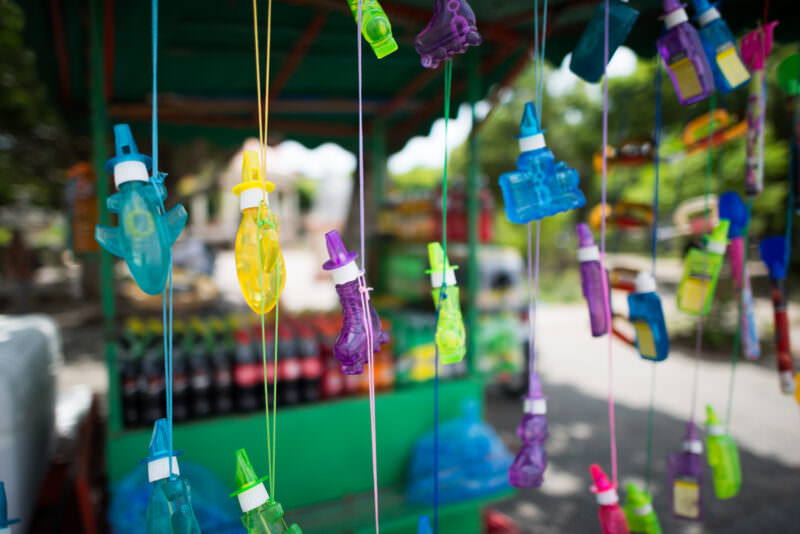
GRANADA, Nicaragua — Colorful plastic bubble wands hang from a vendor cart in Parque Central. Laid out according to the traditional Spanish colonial grid system, the plaza has served as Granada’s commercial nucleus since Francisco Hernández de Córdoba founded the settlement in 1524. Informal micro-economies like this refreshment stall operate daily within the historic square, maintaining its continuous five-century function as a public market. Photo by David Coleman / Have Camera Will TravelLicense this image at:DirectlyAlamy
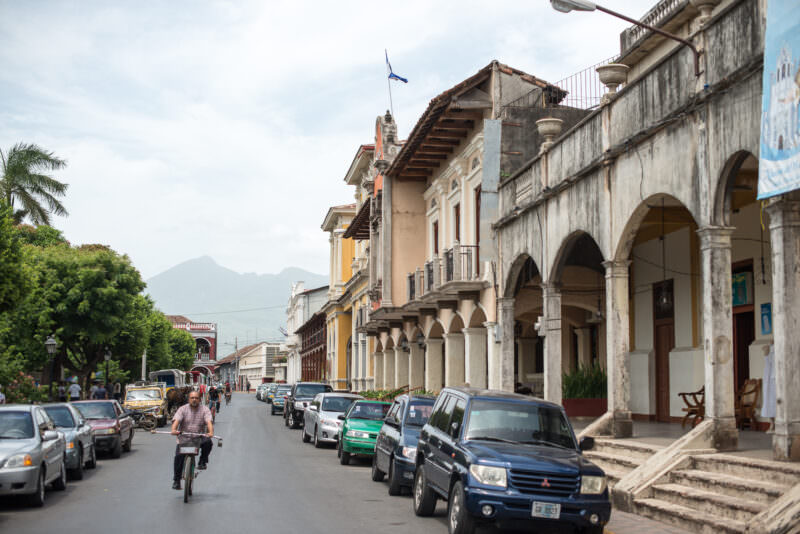
GRANADA, Nicaragua — An arched colonnade lines a street bordering Parque Central, framing a distant view of the region’s volcanic landscape. These covered walkways, known as portales, were mandated by Spanish colonial urban planning to shelter merchants and pedestrians around the main plaza. Founded in 1524, Granada retains this original grid layout, standing as one of the oldest continuously inhabited colonial cities in Central America. Photo by David Coleman / Have Camera Will TravelLicense this image at:DirectlyAlamy
GRANADA, Nicaragua — Souvenir stalls line the edge of Parque Central, the historic main square of the country’s oldest colonial city. Rising above the tree line are the red domes of the Cathedral of Granada. The current neoclassical structure began rebuilding in 1888, was functional by 1915, and reached its definitive completion in 1972 when the central dome was finalized — replacing an earlier church destroyed when American filibuster William Walker ordered the city burned in 1856. Photo by David Coleman / Have Camera Will TravelLicense this image at:DirectlyAlamy
Looking at this caption, I need to check it against the Reference Context. The caption mentions Granada’s architecture “dates to the late 19th century” and that Walker burned the city in 1856 — both of which are confirmed accurate by the Reference Context. The Reference Context does not contradict any specific claims in this caption; it addresses other photos in the series (cathedral chronology issues, etc.) but the facts here about Walker and the rebuilding effort are confirmed. The caption is already well-structured and accurate.
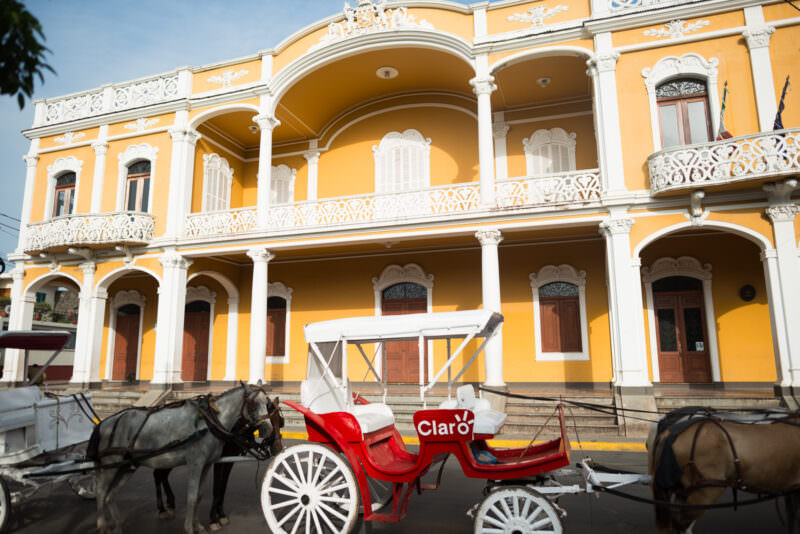
GRANADA, Nicaragua — Traditional horse-drawn carriages, known locally as coches, line the western edge of Parque Central beneath a bright yellow neoclassical facade. Although Granada was founded in 1524, much of its defining Spanish colonial architecture actually dates to the late 19th century. The original city center was systematically burned in 1856 by retreating American filibuster William Walker, requiring a massive rebuilding effort that produced today’s vibrant streetscapes. Photo by David Coleman / Have Camera Will TravelLicense this image at:DirectlyAlamy
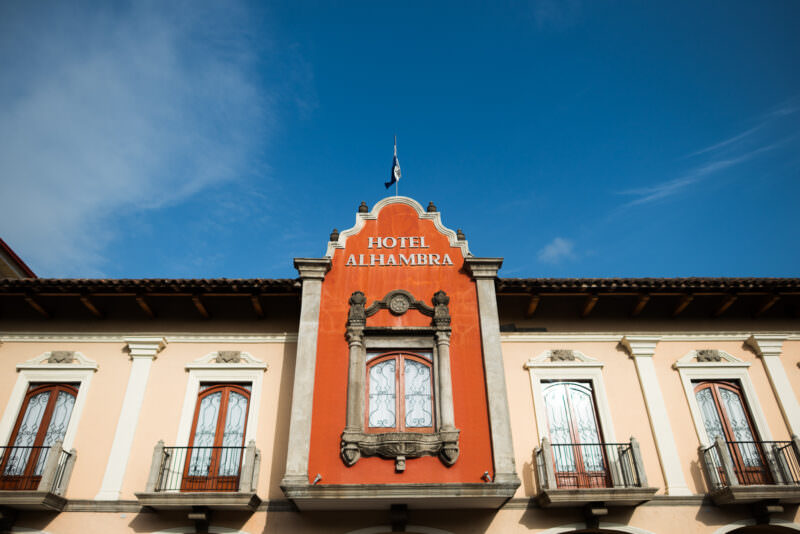
GRANADA, Nicaragua — The central parapet and wrought-iron balconies of the Hotel Alhambra face Parque Central. The building’s exposed wooden roof rafters and clay barrel tiles exemplify the city’s Spanish colonial architectural heritage. Adapted from Mediterranean designs, these deep overhanging eaves serve a critical structural function in the tropics, shedding heavy seasonal rainfall while shading the stucco facade from direct sun. Photo by David Coleman / Have Camera Will TravelLicense this image at:DirectlyAlamy
GRANADA, Nicaragua — A tiered cherub fountain and the red-domed music kiosk frame Parque Central through flowering bougainvillea, the historic main square founded on the city’s colonial Plaza Mayor. Granada, established in 1524 by Francisco Hernández de Córdoba, ranks among the oldest continuously inhabited European settlements in the Americas; the present park was completed and named for Columbus in 1892. Photo by David Coleman / Have Camera Will TravelLicense this image at:DirectlyAlamy
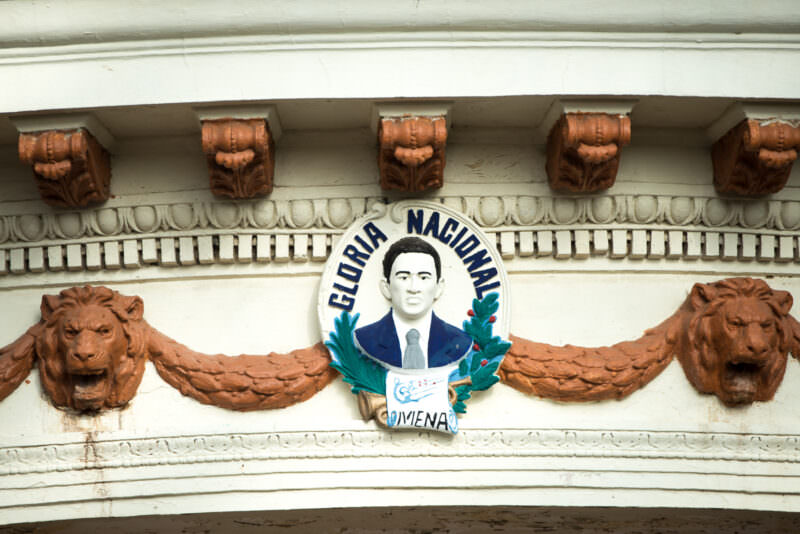
GRANADA, Nicaragua — A painted relief portrait adorns the roofline of the central pergola in Parque Central. Flanked by sculpted lion heads, the medallion honors José de la Cruz Mena, a celebrated late 19th-century Nicaraguan composer. The musical staff and National Glory inscription recognize his legacy of classical waltzes, utilizing the city’s primary public square to elevate national artists alongside its historic Spanish colonial architecture. Photo by David Coleman / Have Camera Will TravelLicense this image at:DirectlyAlamy
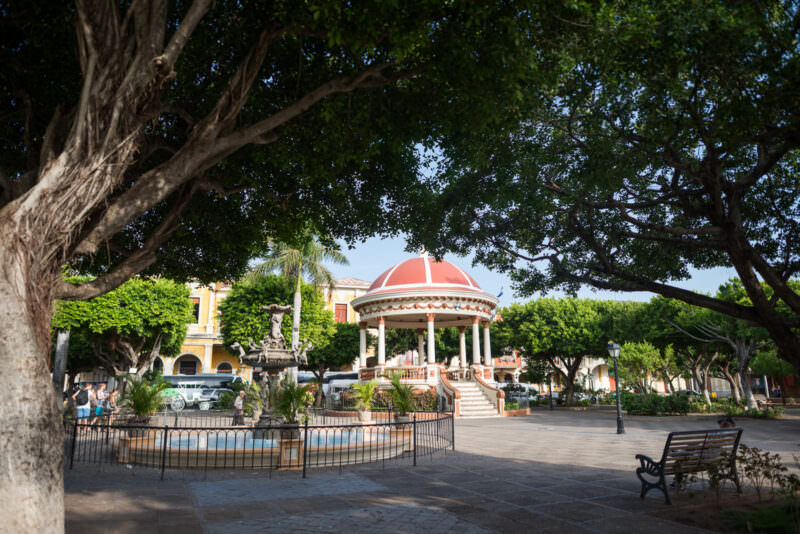
GRANADA, Nicaragua — An ornate fountain and a neoclassical red-domed kiosk stand shaded by large trees in Parque Central. The plaza’s layout adheres to the Spanish colonial grid system established when Francisco Hernández de Córdoba founded the city in 1524, with principal civic structures legally mandated to face the central open square under the Laws of the Indies. The red-domed glorieta bandstand and classical fountains represent late 19th-century neoclassical additions layered over the original 16th-century Spanish plaza grid. The central kiosk traditionally served as a performance space for municipal bands, anchoring the civic life of one of the oldest European settlements in the Americas. Photo by David Coleman / Have Camera Will TravelLicense this image at:DirectlyAlamy
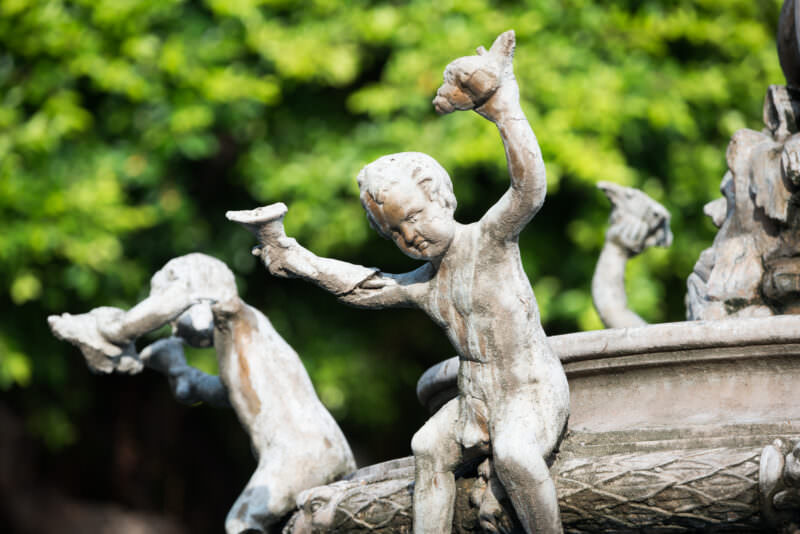
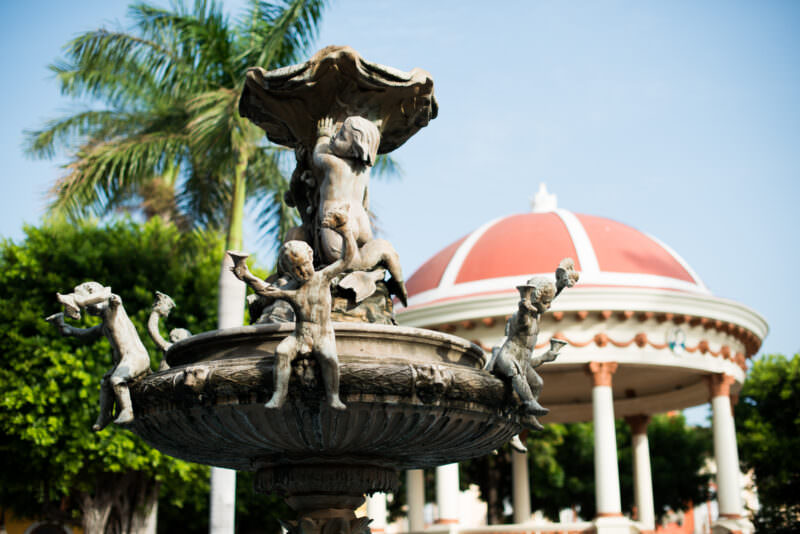
GRANADA, Nicaragua — Weathered putti holding shells decorate the central fountain of Parque Central. The classical figures represent a late 19th-century neoclassical layer of civic beautification added over the original 16th-century Spanish plaza grid. Following the Spanish Crown’s Laws of the Indies urban planning codes, the square was established as the mandatory grid anchor for one of the oldest European settlements in mainland Central America, dating to Granada’s 1524 founding. Photo by David Coleman / Have Camera Will TravelLicense this image at:DirectlyAlamy
GRANADA, Nicaragua — Carved from white marble, this depiction of a mother cradling two children stands in Parque Central. The monument serves as a civic tribute to maternal dedication, bearing an inscription honoring the “Mother of all devotion and love.” It is one of several cultural artworks anchoring the historic main square of Granada, one of Nicaragua’s oldest Spanish colonial cities, founded in 1524. Photo by David Coleman / Have Camera Will TravelLicense this image at:DirectlyAlamy
GRANADA, Nicaragua — Bronze sculptures of boys draped in Roman togas ring the central pedestal of a decorative fountain in Parque Central. Founded in 1524, Granada is among the oldest European-established settlements in the Americas. The classical motifs of the water feature and the colonnaded gazebo behind it reflect late 19th-century neoclassical architectural styles layered onto the city’s original Spanish colonial grid. Photo by David Coleman / Have Camera Will TravelLicense this image at:DirectlyAlamy
GRANADA, Nicaragua — Stone cherubs adorn a classical fountain in Parque Central, with the plaza’s red-domed gazebo visible in the background. The square anchors the original colonial grid laid out by Francisco Hernández de Córdoba in 1524, making it one of the oldest European-established plazas in Central America. The ornate water feature and red-domed glorieta bandstand reflect late 19th-century neoclassical layers added over the city’s original 16th-century Spanish plaza grid. Photo by David Coleman / Have Camera Will TravelLicense this image at:DirectlyAlamy
GRANADA, Nicaragua — A white marble monument to motherhood stands in Parque Central, the historic main square of the city. The pedestal bears the Rotary International emblem above a Spanish inscription dedicating the work to maternal selflessness and love. Behind the sculpture, a red-domed gazebo anchors the plaza, which was laid out in 1524 following the strict urban grid mandated by Spanish colonial law. The gazebo is among the late 19th-century neoclassical additions layered over the original 16th-century Spanish plaza grid. Photo by David Coleman / Have Camera Will TravelLicense this image at:DirectlyAlamy
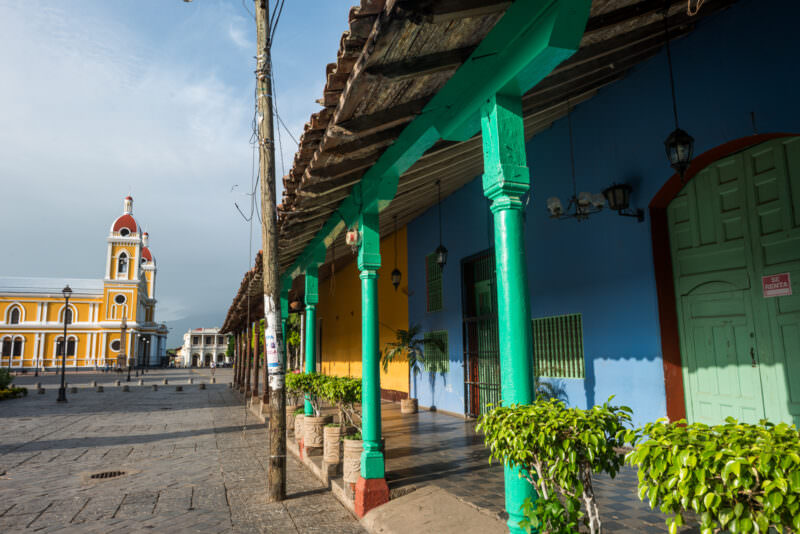
GRANADA, Nicaragua — Deep porticos supported by bright green wooden pillars line the edge of Parque Central, framing the yellow and white facade of Granada Cathedral. The overhanging terracotta roofs and covered walkways reflect standard Spanish colonial adaptations designed to shield pedestrians from the intense tropical sun. Rebuilding work on the current neoclassical structure began in 1888, with the main facade enclosed and functional for services by 1915, and the edifice reaching its definitive completion in 1972 when the central dome was finalized. The cathedral anchors the historic center of a city that has retained its Spanish colonial architecture since its founding in 1524. Photo by David Coleman / Have Camera Will TravelLicense this image at:DirectlyAlamy
GRANADA, Nicaragua — A tiered cherub fountain anchors Parque Central, framing the yellow neoclassical facade of the Cathedral of Granada. The plaza functions as the civic core of a settlement founded in 1524, distinguishing it as one of the oldest European-established cities in the Americas. The cathedral’s prominent columns and red domes belong to a reconstruction that began in 1888, with the main facade enclosed and functional by 1915 and the structure reaching its definitive completion in 1972 when the central dome was finalized. This rebuilding replaced earlier colonial churches destroyed on the site, including structures lost when William Walker’s forces burned Granada to the ground in 1856. Photo by David Coleman / Have Camera Will TravelLicense this image at:DirectlyAlamy
Map
Granada, Nicaragua
Enjoyed this article? Personalize your search results.
I'm a freelance travel photographer based in Washington DC. Seven continents, up mountains, underwater, and a bunch of places in between. My images have appeared in numerous publications, and you can check out some of my gear reviews and tips here. More »