FLORES, Gutemala — I’m on a real Caribbean island. But it’s 100 miles from the sea. Flores is a tiny island village in Guatemala’s Lake Peten Itza. It makes for a convenient jumping off point for visiting the nearby Maya ruins of Tikal.
It feels like the Caribbean. It’s hot. It’s humid. The locals are laid-back. And in every direction, you’re surrounded by water. It’s easy to forget that you’re 100 miles from the sea.
Flores is a tiny island in Lake Peten Itza in the trunk of the Yucatan Peninsula, not far from Mexico and Belize. It’ll take you only 10 mins — maybe 15 if you’re strolling — to walk right around the island. From end to end, it’s only a quarter of a mile.
And ringing the island is a new paved walkway, so you can take in an unobstructed 360-degree view of Lake Peten Itza. Only one small causeway connects Flores to the mainland and its sister town, the larger and more modern Santa Elena. So you’ll have to try very, very hard to get lost.
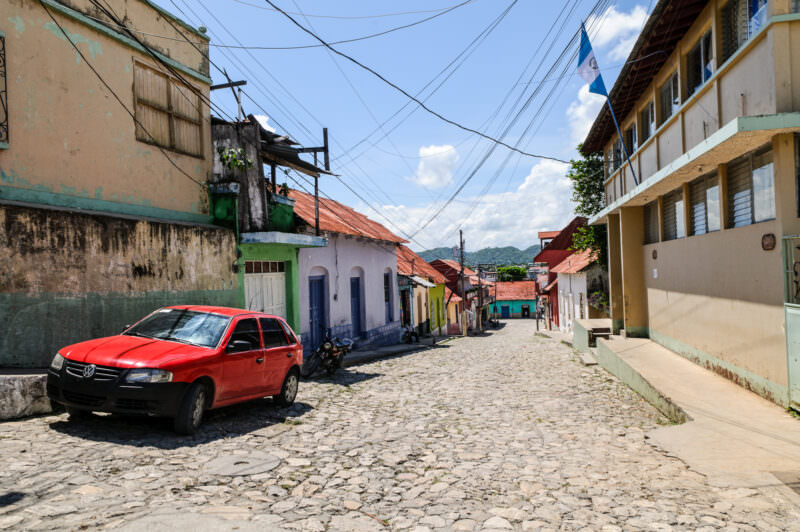
The island was once one of many Maya settlements in the areas near the lake. The natural protection afforded by the water helped protect the settlement for a while, but eventually, it succumbed to the Spanish. The settlement was razed, and the Spanish built their own colonial village there. They built a church in the center of the island on the highest point fronting a very small Parque Central, and they paved the streets with cobblestones.
The island sits in a narrow stretch of Lake Peten Itza. Much bigger than it looks from Flores, the lake is about 20 miles long, 3 miles wide, and up to 500 feet deep, making it the second largest in Guatemala. And it supports plenty of wildlife. Aside from fish and birds, as you would expect, in some areas, there are crocodiles, jaguars, howler monkeys, and spider monkeys.
But you don’t need to worry about any of those in Flores. To see those, you’d have to take one of the boats to nearby jungle-covered shorelines, where stops include a zoo and a lookout built into the trees with a panoramic view of the lake.
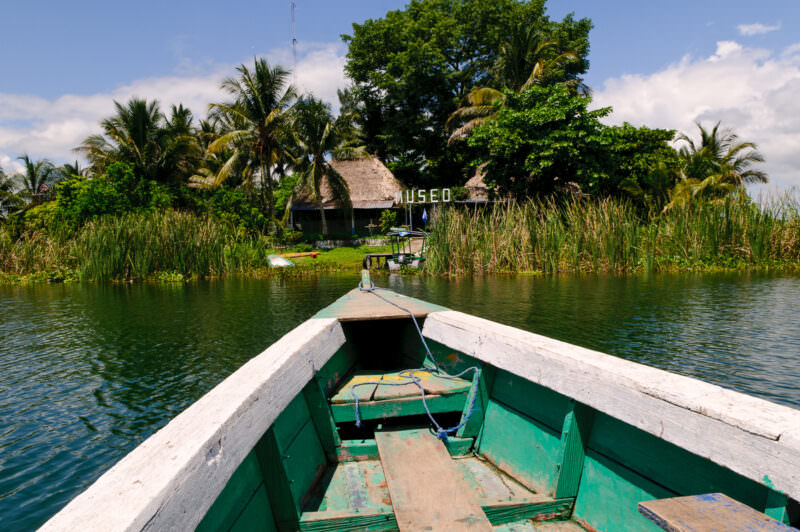
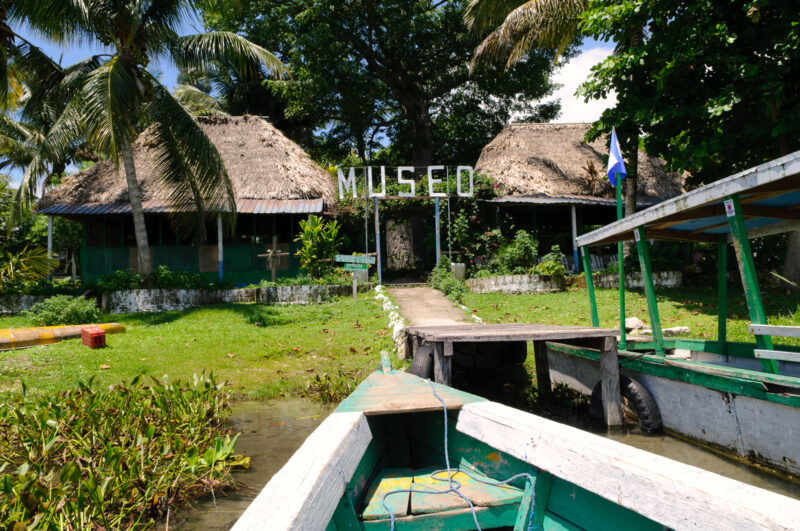
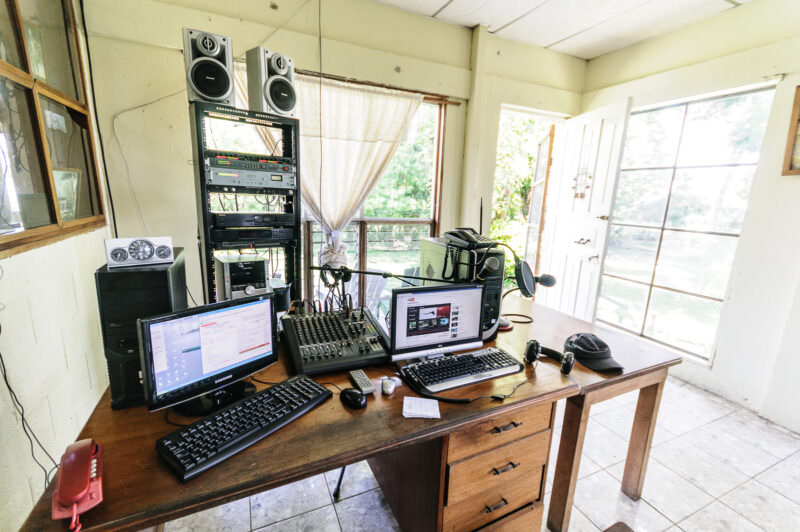
Or you can go to the other island nearby. About half a mile to the west of Flores is a tiny island with only a few buildings and a tall radio tower standing at its center. From Flores, you can read a sign saying “Museo.” The island doesn’t have an official name. It’s known to the locals simply as Radio Peten after the radio station that has been broadcast from there since 1947.
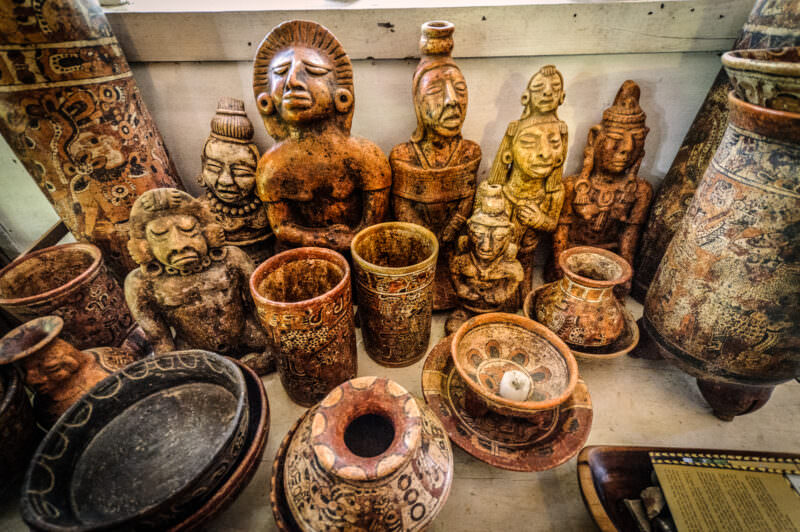
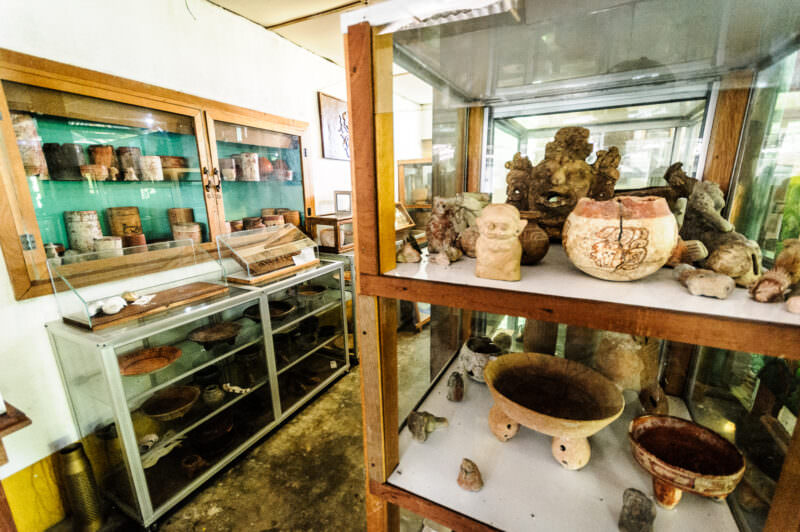
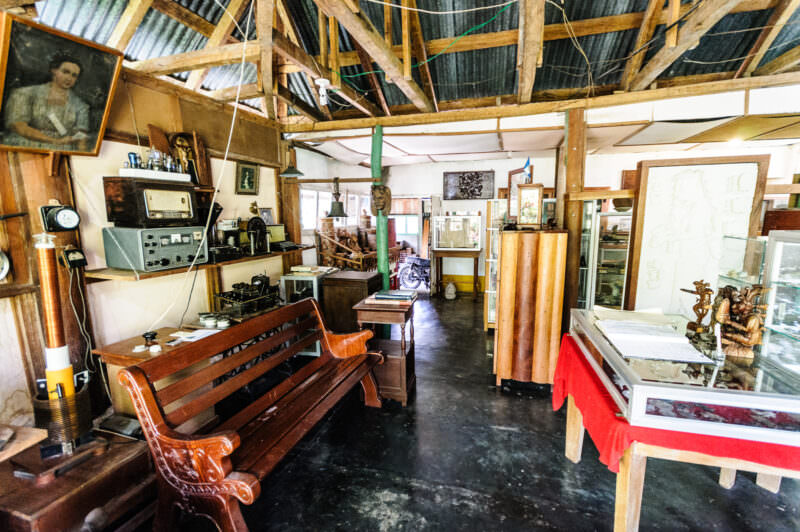
Its museum is a single room packed from floorboards to rafters with an odd assortment of Maya artifacts, old radio and music technology, telephones, and guns. For some, there are photocopies of old articles describing them, but for most of them, you’ll have to rely on the owner to tell you what they are.
Elsewhere around the compound are some of the vintage motorbikes that the current owner, the son of the original founder, likes to restore (although there’s no room to ride them on the island). Soon there will be three hotel rooms on the northern side of the island facing the waterfront, but when they’ll be ready to house their first guests is anyone’s guess. The place does run on island time, after all.
Photos of Flores, Guatemala
Here are some of the photos I’ve taken in Flores.
Have Camera Will Travel // Newsletter
Practical field notes, hands-on gear tests.
FLORES, Guatemala — Cobblestone streets wind through the historic island town of Flores, situated on Lake Petén Itzá in northern Guatemala’s El Petén department. The picturesque colonial settlement occupies a small island connected to the mainland town of Santa Elena by a single causeway. Flores serves as the capital of Petén department and a gateway for tourists visiting the nearby Mayan ruins of Tikal. The town was built on the site of the ancient Maya city of Tayasal, which remained independent until Spanish conquistadors finally conquered it in 1697, making it one of the last Maya strongholds to fall. Photo by David Coleman / Have Camera Will TravelLicense this image at:DirectlyAlamy
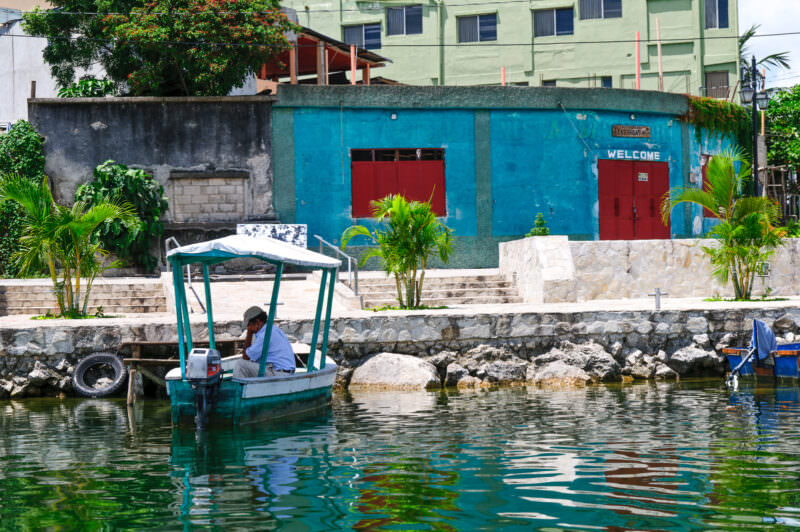
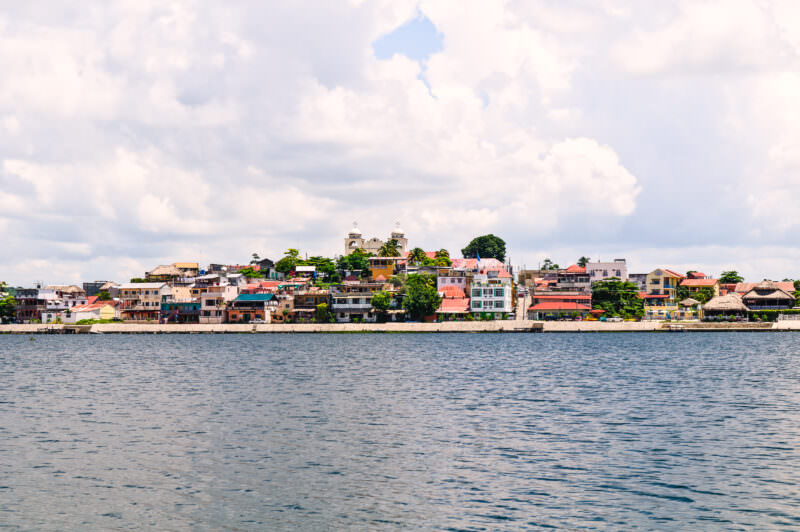
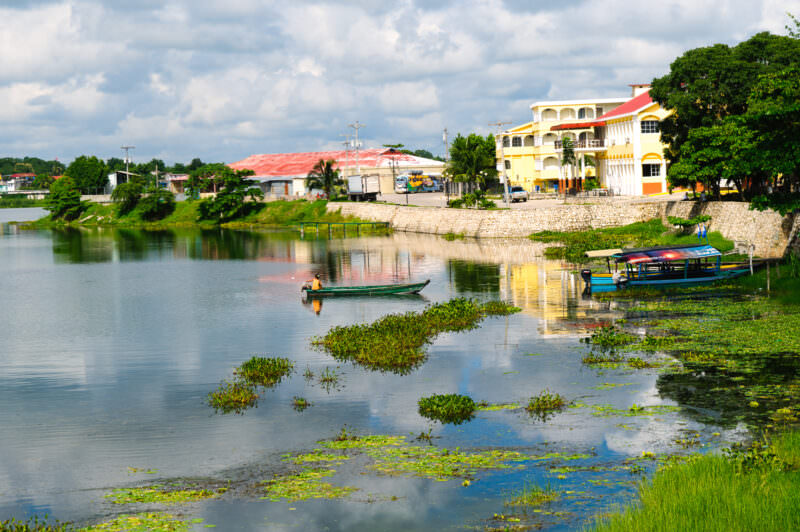
FLORES, Guatemala — The waterfront of Flores, a colonial-era town situated on a small island in Lake Petén Itzá in northern Guatemala. The picturesque community is connected to the mainland by a single causeway, allowing visitors and residents to access the island. Flores serves as the capital of Guatemala’s Petén Department and functions as a gateway for tourists visiting the nearby Mayan ruins of Tikal. The town features colorful buildings and narrow streets that reflect its Spanish colonial heritage dating back to the 17th century. Photo by David Coleman / Have Camera Will TravelLicense this image at:DirectlyAlamy
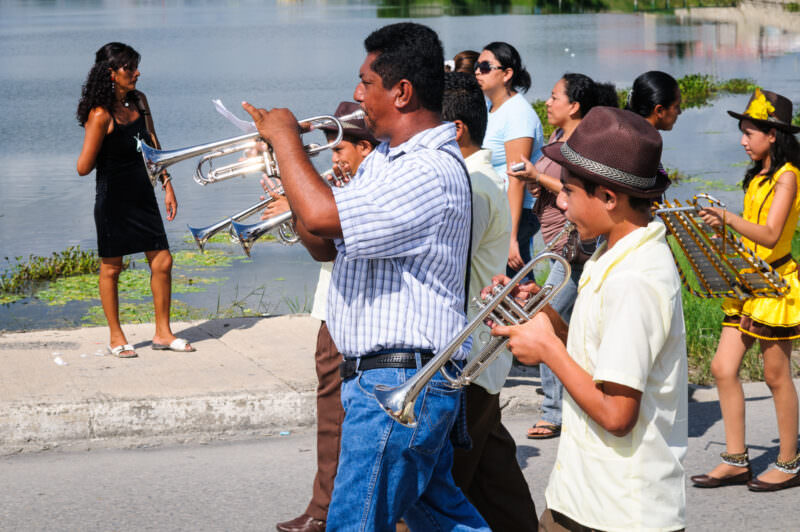
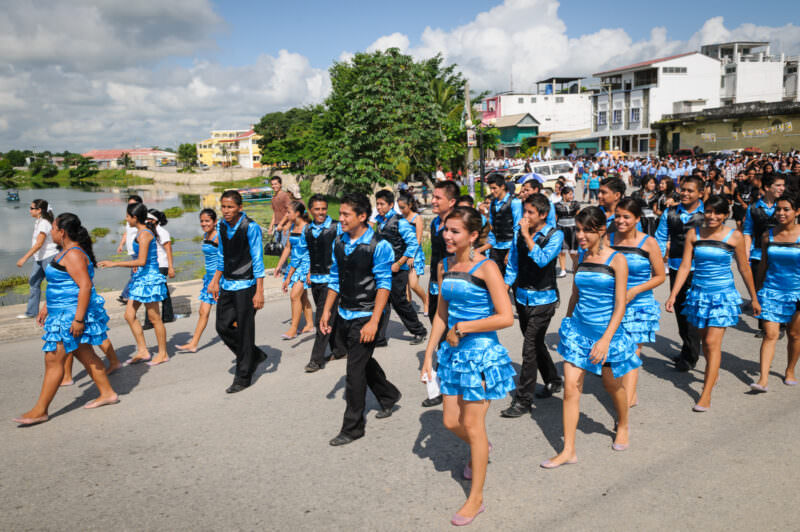
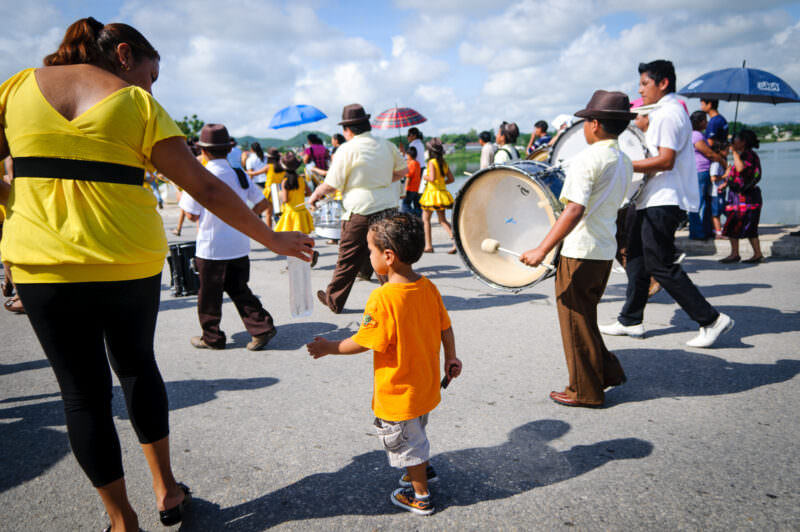
FLORES, Guatemala — A band plays as part of the celebrations for Guatemalan Independence Day on September 15, 2011. Groups of school students parade in a procession through the streets of Flores, starting in the Parque Central, walking through the town, and crossing the causeway into Santa Elena. Photo by David Coleman / Have Camera Will TravelLicense this image at:DirectlyAlamy
FLORES, Guatemala — Off the western side of the island of Flores is another much smaller island known simply as Radio Petén after the radio station that has broadcast from there since 1947. There are only a handful of buildings on the island, one of which is a small, one-room museum of Maya artifacts and various radio, telephone, and other artifacts. The only way to approach the island is by boat. Photo by David Coleman / Have Camera Will TravelLicense this image at:DirectlyAlamy
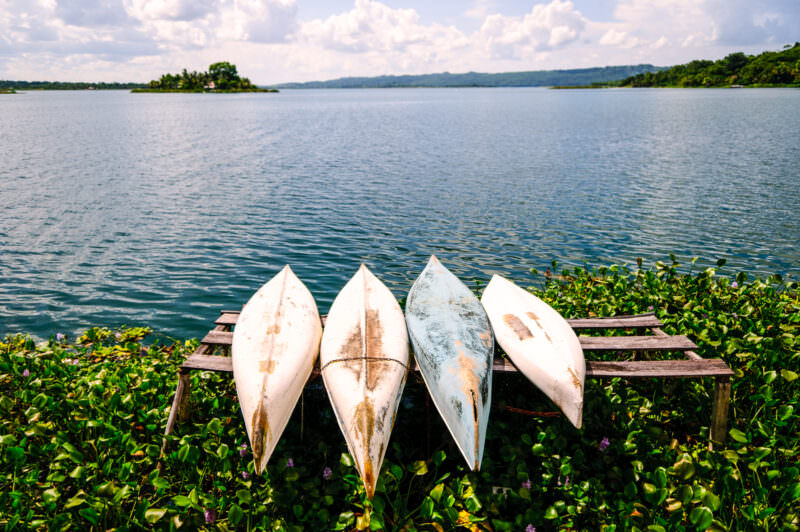
FLORES, Guatemala — Four canoes lay upside down on a wooden platform in the reeds on the shoreline of Flores in Lake Petén Itzá. To the top left of frame is the small island known simply as Radio Petén after the radio station that has broadcast from there since 1947. Photo by David Coleman / Have Camera Will TravelLicense this image at:DirectlyAlamy
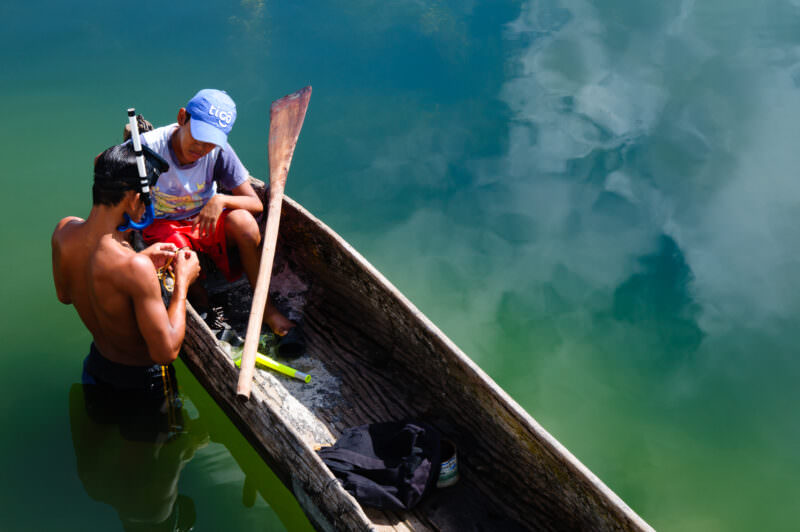
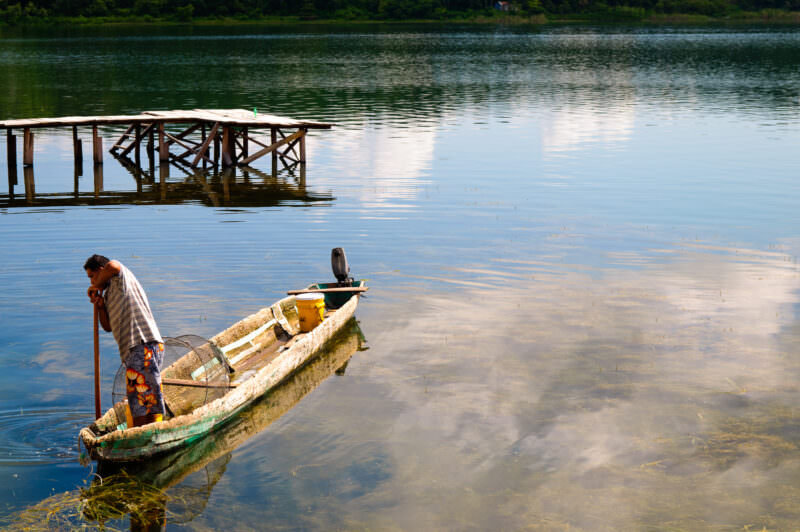
FLORES, Guatemala — A fisherman wades in the shallows of Lake Peten Itza near Flores, using a traditional wooden boat and mesh cage for fishing. Lake Peten Itza, the second largest lake in Guatemala, stretches approximately 32 kilometers along the northern region of the country. The town of Flores, situated on an island in the lake, serves as the capital of Petén Department and is known for its colorful colonial buildings and cobblestone streets. Traditional fishing methods remain an important part of the local economy and cultural heritage in this region. Photo by David Coleman / Have Camera Will TravelLicense this image at:DirectlyAlamy
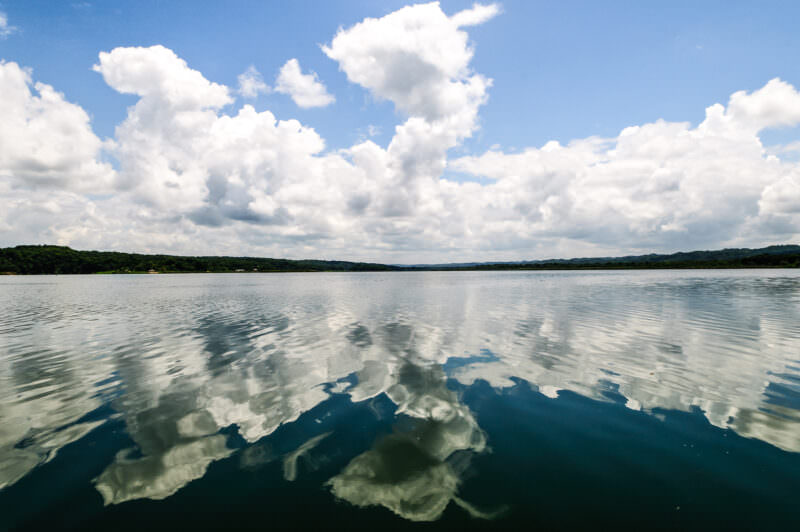
FLORES, Guatemala — Clouds and sky reflect on the smooth surface of Lake Petén Itzá near Flores in Guatemala’s northernmost department of Petén. The lake, spanning approximately 32 square kilometers, is the third-largest lake in Guatemala and serves as a vital resource for surrounding communities. The picturesque town of Flores sits on a small island in the lake connected to the mainland by causeway. The region is known for its proximity to Tikal National Park, a UNESCO World Heritage site featuring ancient Maya ruins. Photo by David Coleman / Have Camera Will TravelLicense this image at:DirectlyAlamy
FLORES, Guatemala — The entrance to the museum on the small island of Radio Peten Island is accessible by boat. Off the western side of the island of Flores is another much smaller island known simply as Radio Peten after the radio station that has broadcast from there since 1947. There are only a handful of buildings on the island, one of which is a small, one-room museum of Maya artifacts and various radio, telephone, and other artifacts. The only way to approach the island is by boat. Photo by David Coleman / Have Camera Will TravelLicense this image at:DirectlyAlamy
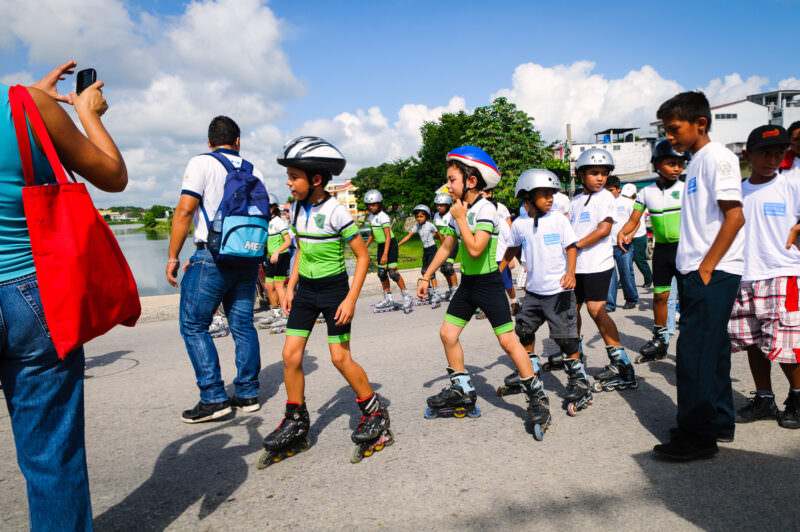
FLORES, Guatemala — A group of boys on rollerblades participate in the Guatemalan Independence Day procession on 15 September 2011. Groups of school students parade in a procession through the streets of Flores, starting in the Parque Central, walking through the town, and crossing the causeway into Santa Elena. Photo by David Coleman / Have Camera Will TravelLicense this image at:DirectlyAlamy
FLORES, Guatemala — The studio of Radio Petén. Off the western side of the island of Flores is another much smaller island known simply as Radio Petén after the radio station that has broadcast from there since 1947. There are only a handful of buildings on the island, one of which is a small, one-room museum of Maya artifacts and various radio, telephone, and other artifacts. The only way to approach the island is by boat. Photo by David Coleman / Have Camera Will TravelLicense this image at:DirectlyAlamy
FLORES, Guatemala — Some of the Maya artifacts on display in the museum at Radio Peten Island. Off the western side of the island of Flores is another much smaller island known simply as Radio Peten after the radio station that has broadcast from there since 1947. There are only a handful of buildings on the island, one of which is a small, one-room museum of Maya artifacts and various radio, telephone, and other artifacts. The only way to approach the island is by boat. Photo by David Coleman / Have Camera Will TravelLicense this image at:DirectlyAlamy
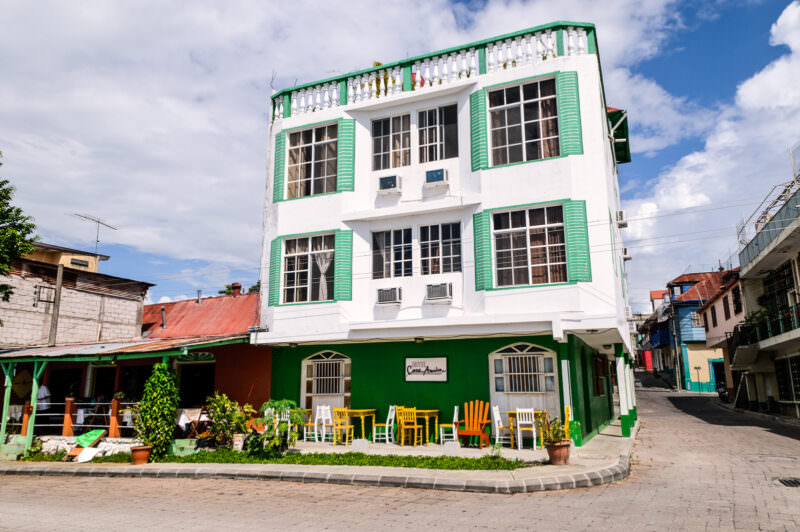
FLORES, Guatemala — The Hotel Casa Amelia stands on the waterfront of Flores, a picturesque island town in Guatemala’s northern Petén department. The hotel offers views of Lake Petén Itzá, which surrounds the small island connected to the mainland by a causeway. Flores serves as a popular base for tourists visiting the nearby Mayan ruins of Tikal, located approximately 64 kilometers (40 miles) northeast. The town features colorful colonial-style buildings and narrow cobblestone streets, reflecting its Spanish colonial heritage and its location in what was once the heart of Maya civilization. Photo by David Coleman / Have Camera Will TravelLicense this image at:DirectlyAlamy
FLORES, Guatemala — View of Flores, Guatemala, from a boat on Lake Peten Itza. The small island town of Flores is the capital of Guatemala’s northernmost department, Petén, and is connected to the mainland by a causeway. Lake Peten Itza, spanning approximately 32 square kilometers, surrounds the colonial-era settlement known for its colorful buildings and narrow streets. Flores serves as a popular gateway for tourists visiting the nearby Mayan ruins of Tikal. Photo by David Coleman / Have Camera Will TravelLicense this image at:DirectlyAlamy
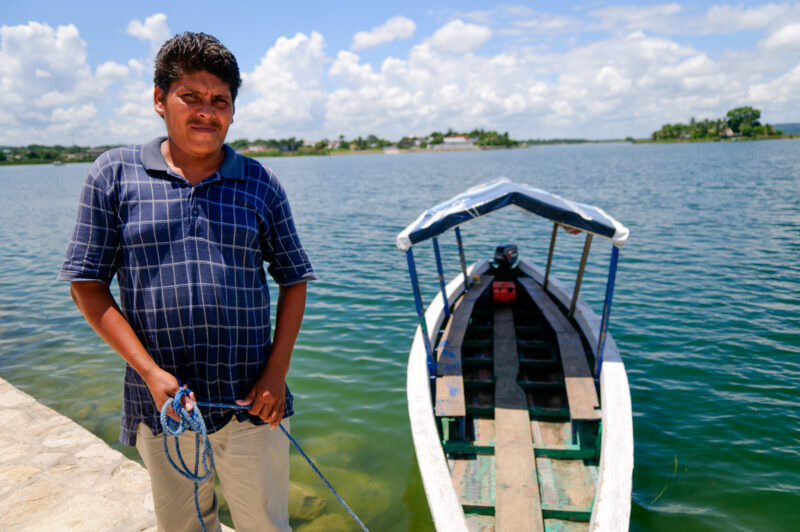
FLORES, Guatemala — A boatman navigates his traditional wooden boat across Lake Petén Itzá in Flores, Guatemala. The picturesque lake surrounds the island town of Flores, which serves as the capital of Guatemala’s northernmost department, Petén. Lake Petén Itzá is the third largest lake in Guatemala and an important natural resource for local communities. The area is known for its proximity to Mayan archaeological sites, including the nearby ruins of Tikal, and serves as a gateway for tourists exploring the region. Photo by David Coleman / Have Camera Will TravelLicense this image at:DirectlyAlamy
FLORES, Guatemala — The waterfront of Flores, a colonial-era town situated on a small island in Lake Petén Itzá in northern Guatemala. The picturesque community is connected to the mainland by a single causeway, allowing visitors and residents to access the island. Flores serves as the capital of Guatemala’s Petén Department and functions as a gateway for tourists visiting the nearby Mayan ruins of Tikal. The town features colorful buildings and narrow streets that reflect its Spanish colonial heritage dating back to the 17th century. Photo by David Coleman / Have Camera Will TravelLicense this image at:DirectlyAlamy
FLORES, Petén, Guatemala — The exhibit room of the museo on Radio Peten Island displays Maya artifacts. The museum also features various radio, telephone, and other artifacts, providing a glimpse into the island’s history and cultural heritage. Photo by David Coleman / Have Camera Will TravelLicense this image at:DirectlyAlamy
FLORES, Guatemala — Young men and women in bright blue costumes participate in the Guatemalan Independence Day procession on 15 September 2011. As part of the celebrations groups of school students parade in a procession through the streets of Flores, starting in the Parque Central, walking through the town, and crossing the causeway into Santa Elena. Photo by David Coleman / Have Camera Will TravelLicense this image at:DirectlyAlamy
FLORES, Guatemala — Interior of the exhibit room of the museum on Radio Peten Island. Off the western side of the island of Flores is another much smaller island known simply as Radio Peten after the radio station that has broadcast from there since 1947. There are only a handful of buildings on the island, one of which is a small, one-room museum of Maya artifacts and various radio, telephone, and other artifacts. The only way to approach the island is by boat. Photo by David Coleman / Have Camera Will TravelLicense this image at:DirectlyAlamy
FLORES, Guatemala — As a band of school students marches by, a young boy enjoys the parade. The procession, on 15 September 2011, was part of the celebrations for Guatemalan Independence Day. Groups of school students parade in a procession through the streets of Flores, starting in the Parque Central, walking through the town, and crossing the causeway into Santa Elena. Photo by David Coleman / Have Camera Will TravelLicense this image at:DirectlyAlamy
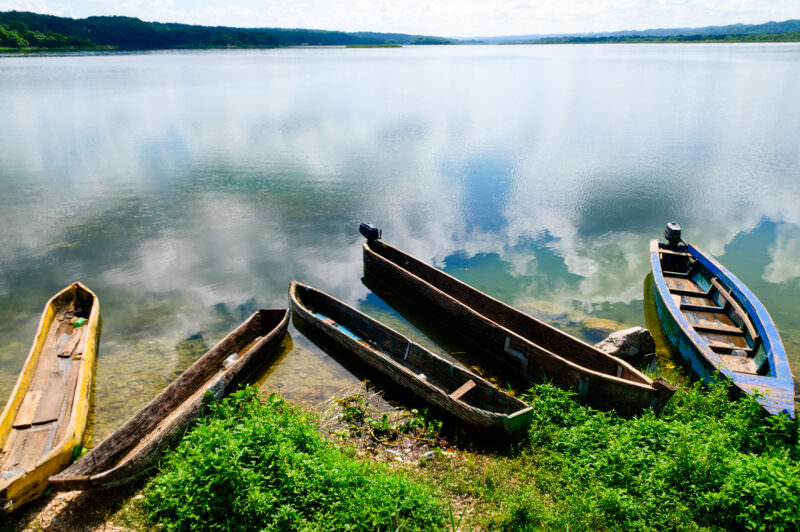
FLORES, Guatemala — Traditional wooden boats and canoes rest on the shoreline of Lake Petén Itzá in Flores, Guatemala. The colorful vessels serve local fishermen and transport needs in this island town located in Guatemala’s northern Petén department. Flores, built on an island connected to the mainland by causeway, was originally a Maya settlement and later served as the last independent Maya stronghold during the Spanish conquest. The picturesque lake, spanning approximately 32 square kilometers, is a significant natural feature of the region and supports local fishing communities. The town serves as a popular base for tourists visiting nearby Tikal National Park, a UNESCO World Heritage site featuring ancient Maya ruins. Photo by David Coleman / Have Camera Will TravelLicense this image at:DirectlyAlamy
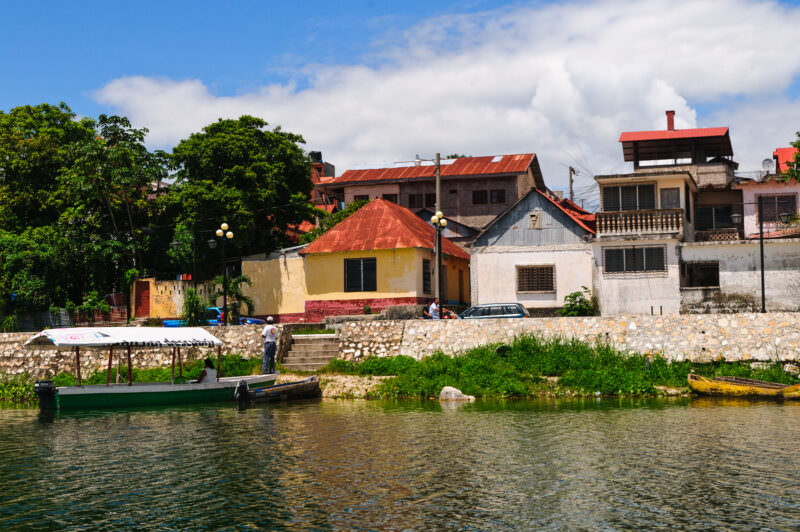
FLORES, Guatemala — Small traditional boats are moored in the shallow waters along the waterfront of Flores, a picturesque island town situated in Lake Petén Itzá in northern Guatemala. The colorful lakeside community serves as the gateway to nearby Tikal National Park, a UNESCO World Heritage site featuring ancient Maya ruins. Flores was built on the site of the ancient Maya city of Tayasal, which resisted Spanish conquest until 1697, making it one of the last independent Maya strongholds. The town is connected to the mainland by a causeway and is known for its narrow cobblestone streets and colonial architecture. Photo by David Coleman / Have Camera Will TravelLicense this image at:DirectlyAlamy
What To Know Before You Go
Flores/Santa Elena is a great jumping-off point for visiting Tikal Maya ruins, especially if you’re flying. It’s about an hour to Tikal by shuttle bus.
Flores can get hot and humid, with Caribbean-like weather. It is, after all, the base of the Yucatan Peninsula (but without a sea breeze).
Flores is quaint, but it’s also small. A night or two should be plenty.
If you can, stay at a hotel with a waterfront view. You’ll pay a few quetzals extra, but if you’re there you may as well have a view of the lake.
The airport at Flores, officially known as Mundo Maya International Airport (code FRS) and actually in a suburb of Santa Elena, is only a few minutes from Flores. The airport is tiny but functional, and you’ll be very limited in food and drink options there. You also won’t find long lines at security. Only a few airlines go there — TACA being one of the main ones. There’s a shopping mall with a new Pizza Hut across the highway (with a pedestrian overbridge) if you’re looking to kill time and grab a bite before your flight. Fun fact: The airport was reportedly originally built by the CIA.
Check the CDC website for current health warnings and recommendations and check with your doctor or a specialized travel clinic, preferably at least a month before your trip (some vaccinations require follow-up shots to be effective). That’s especially important if you plan to head to other places in Guatemala or Central America where malaria and dengue fever might be problems.
Sadly, Guatemala does have a violent crime problem, although there are signs of improvement. The sparsely populated Peten region has been particularly problematic in recent years thanks to it being a drug trafficking thoroughfare, essentially acting as a smuggling land bridge linking South and North America. While most of that serious crime hasn’t been targeting tourists, I still highly recommend that you check the US State Department’s Travel Advisories for Guatemala or the UK Foreign Ministry’s Travel Advice for Guatemala for up-to-date information.
Map
Flores, Guatemala
Enjoyed this article? Personalize your search results.
I'm a freelance travel photographer based in Washington DC. Seven continents, up mountains, underwater, and a bunch of places in between. My images have appeared in numerous publications, and you can check out some of my gear reviews and tips here. More »