The Lake of the Returned Sword and Its Vanishing Turtles
Hoan Kiem Lake’s name comes from a legend of a giant turtle snatching back a magic sword from an emperor — and remarkably, real giant turtles, among the rarest on earth, have actually lived in its waters. Here’s the story, along with photos of the lake, its red bridge, and Jade Island.
There’s a lot to be said for having a body of water in the middle of a city.
Hanoi has a lot of lakes, but Hoan Kiem Lake is in its cultural and historic heart.
It may not be big — it’s much smaller than West Lake — but the Old Quarter wraps around it, making for a scenic and relaxing escape from the chaos and bustle of the Old Quarter’s streets.
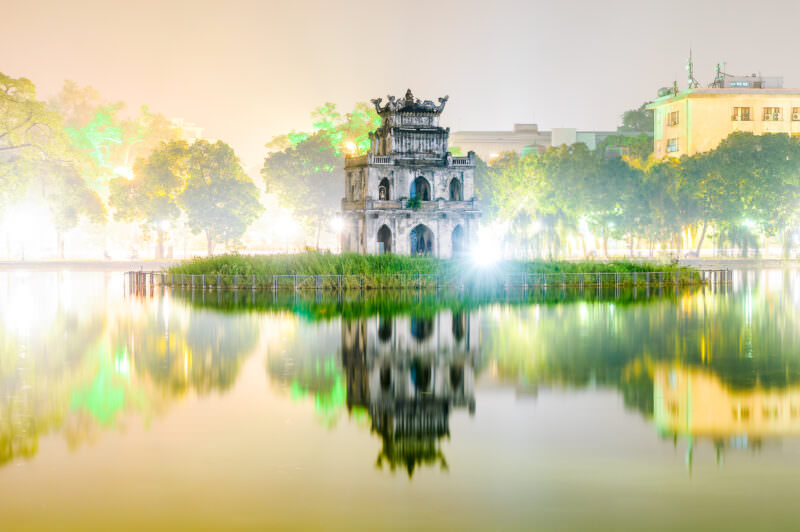
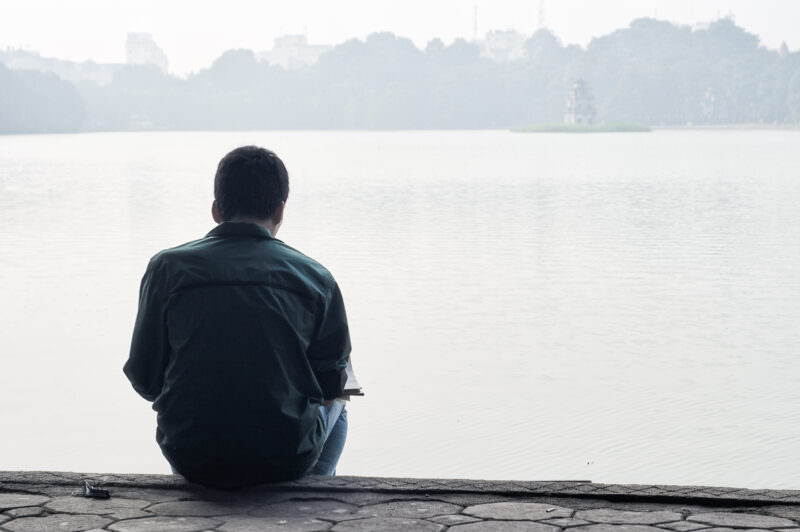
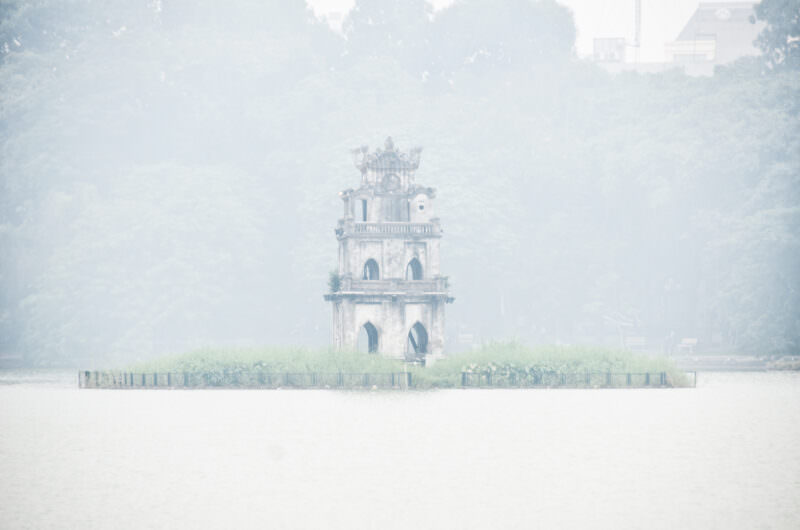
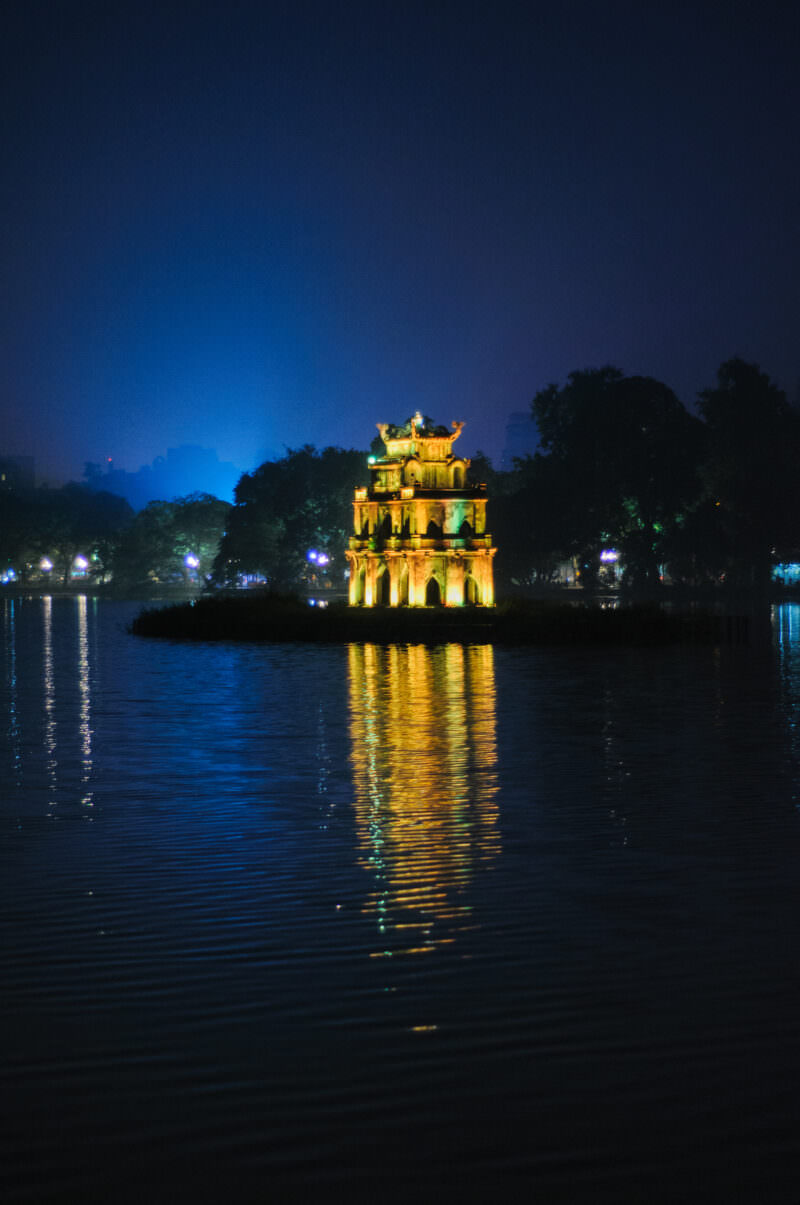
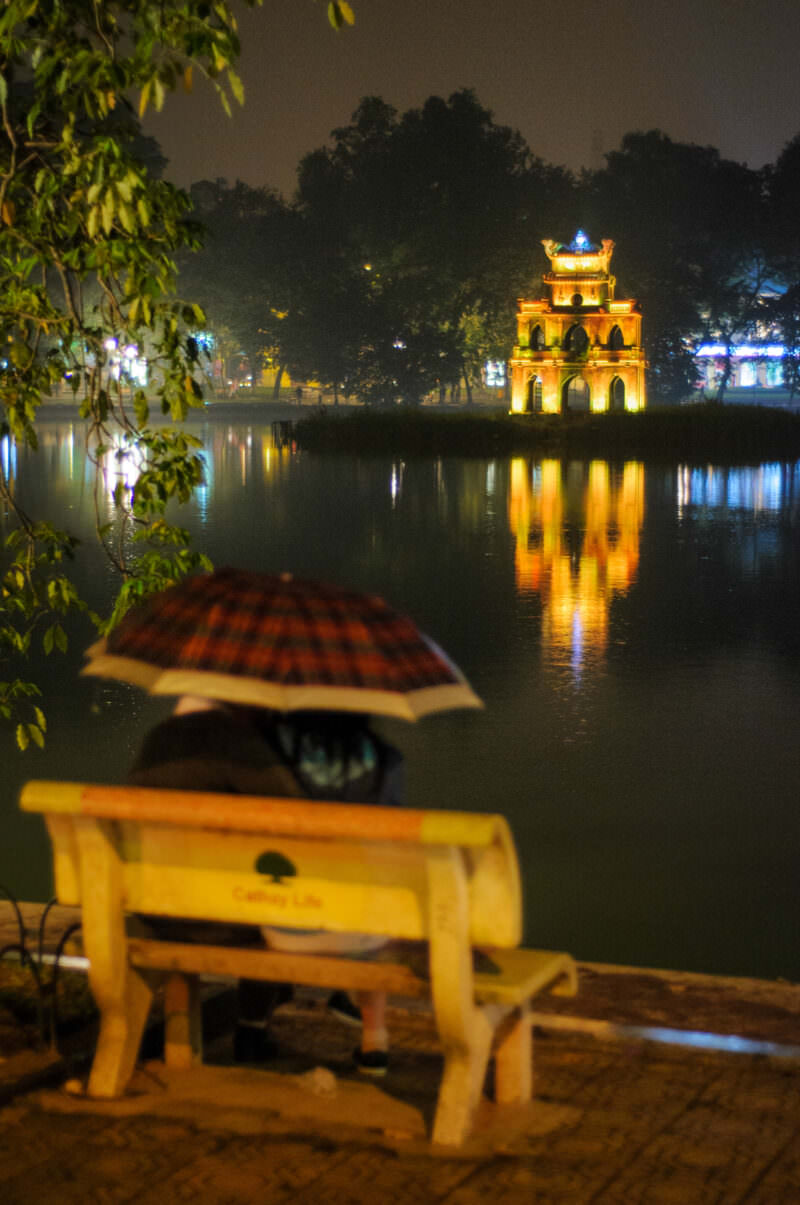
In the middle of the lake is a small island with a small brick tower — the Turtle Tower. You can’t get to it — there are no bridges or boats to the island.
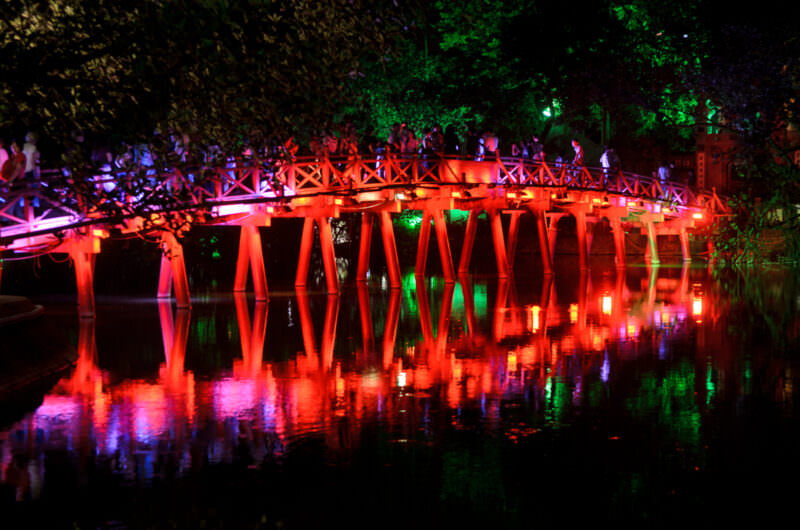
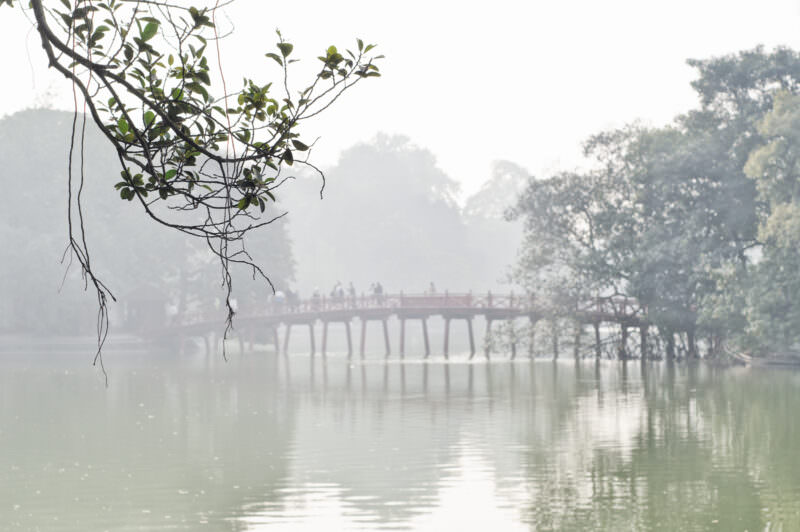
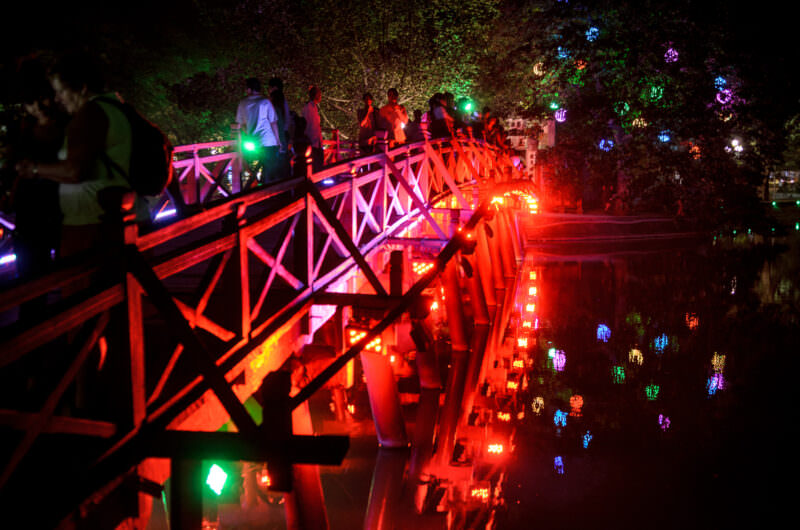
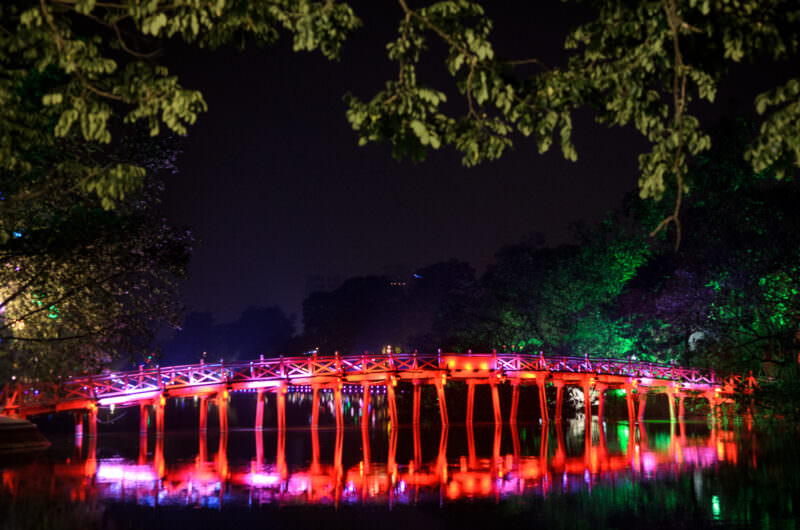
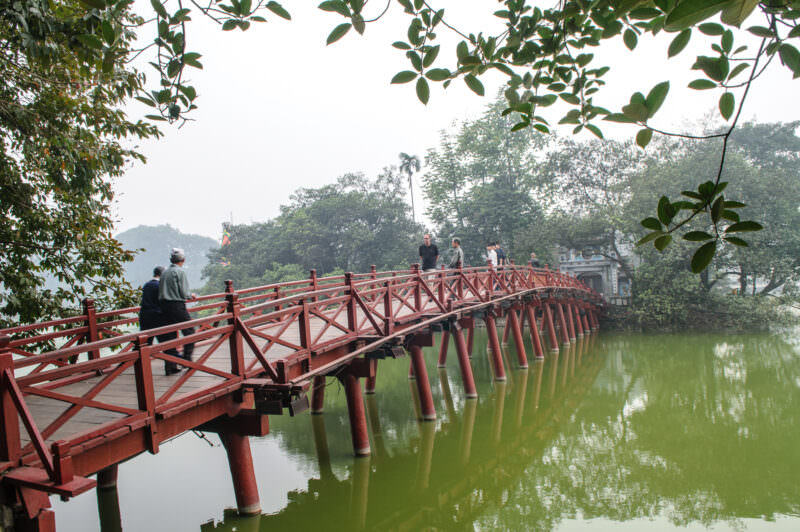
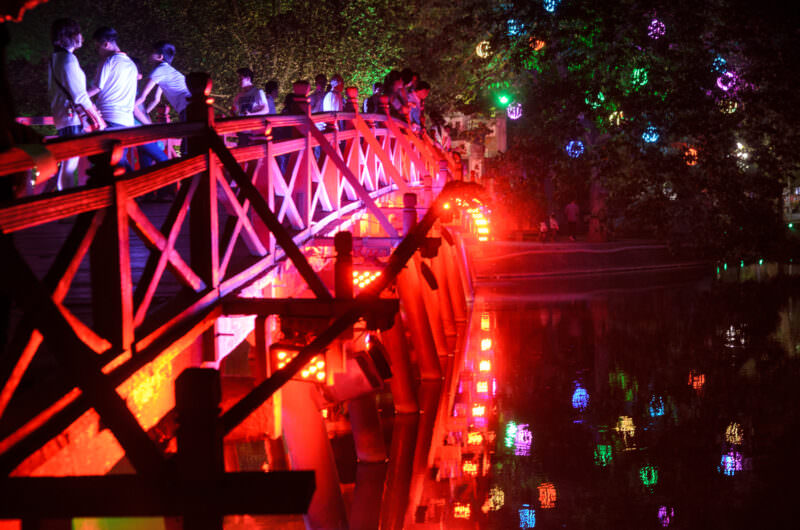
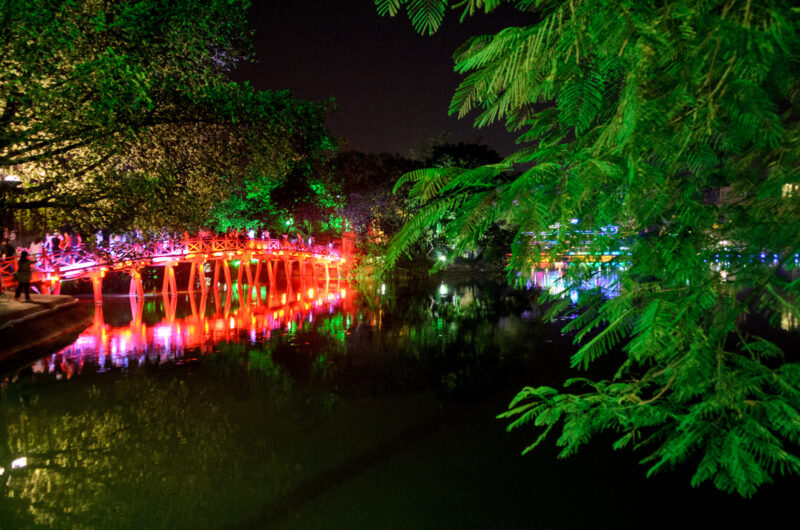
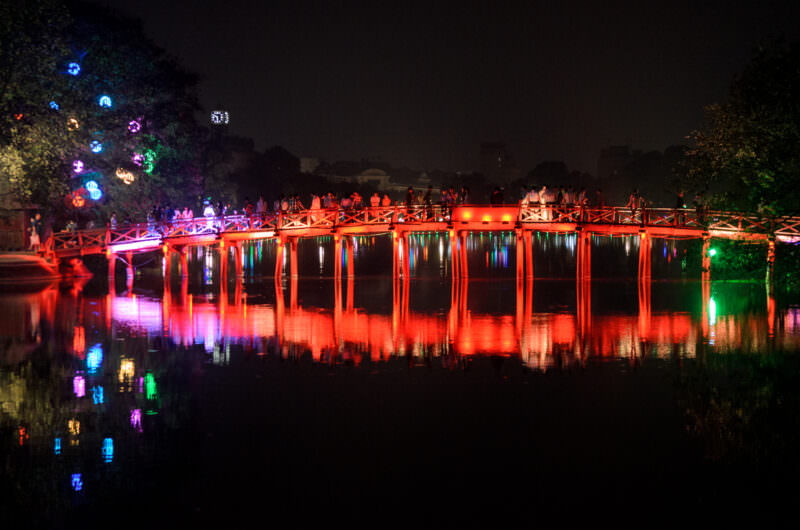
But you can get to the other slightly bigger island on the lake — Jade Island. To get there, you cross a small bright red wooden bridge (The Huc Bridge) that leads to the entrance of a 19th-century temple — Ngoc Son, the Temple of the Jade Mountain.
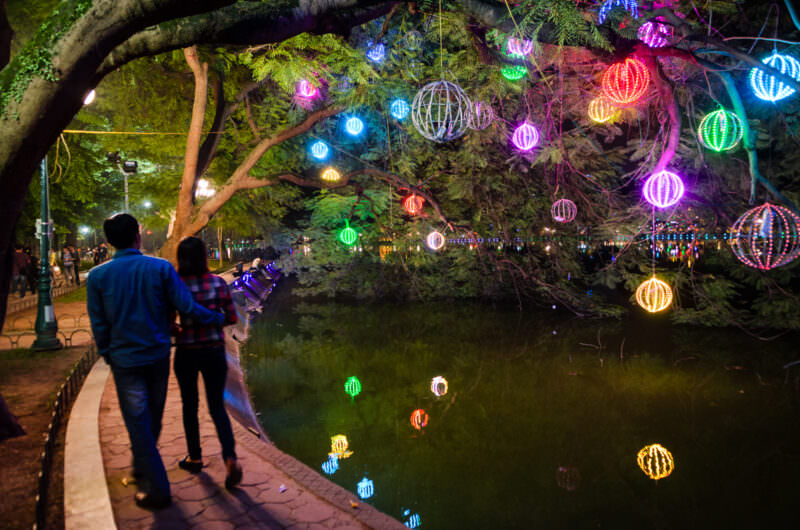
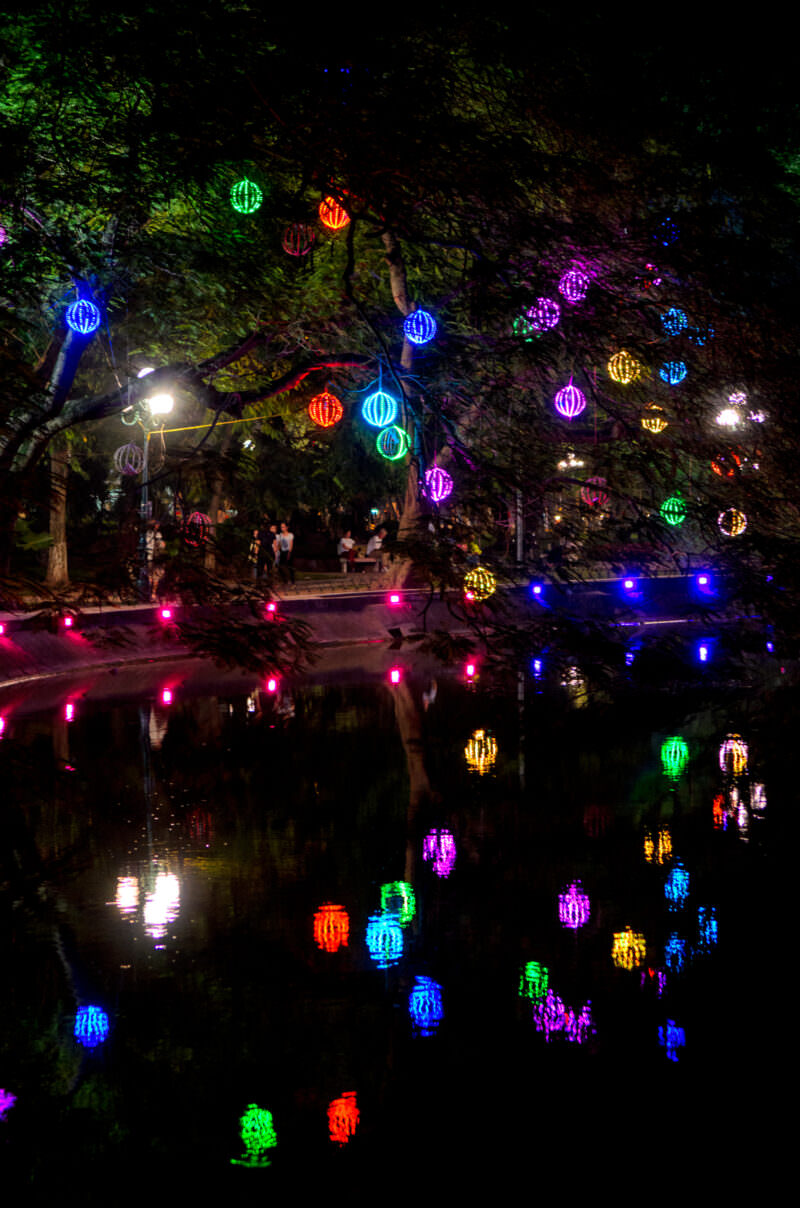
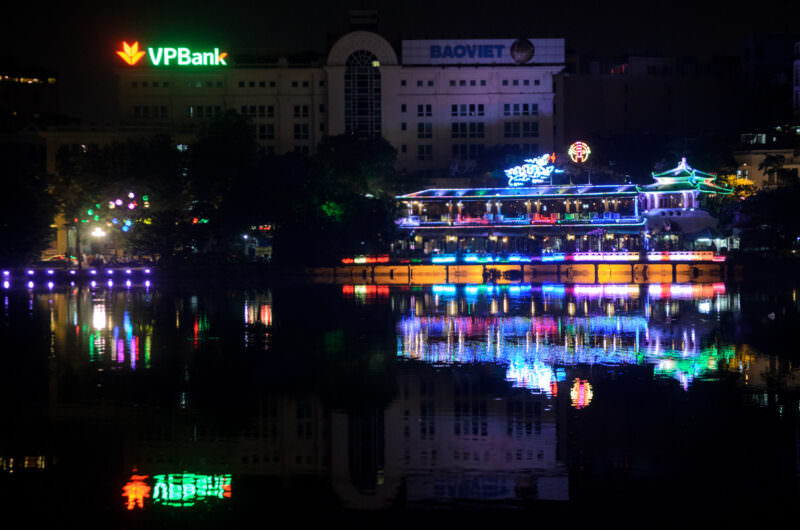
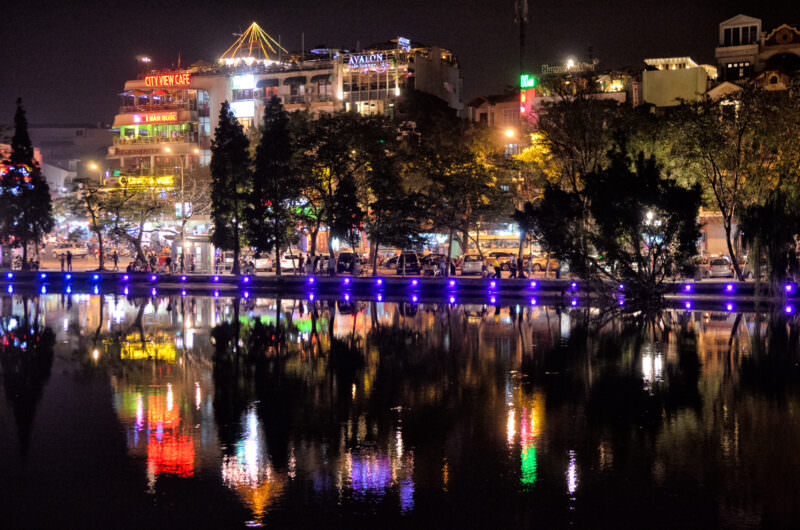
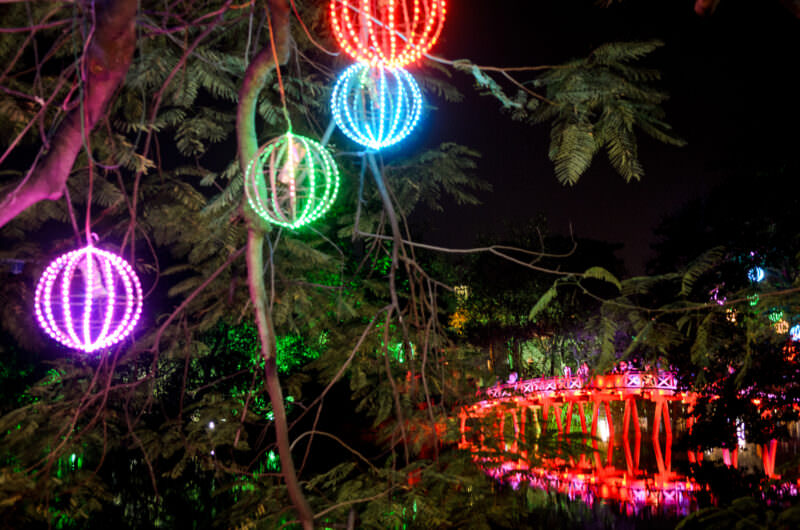
The glassy waters on the lake at night set off the city lights beautifully, enhanced by more lights around parts of the lake wall and on Jade Island.
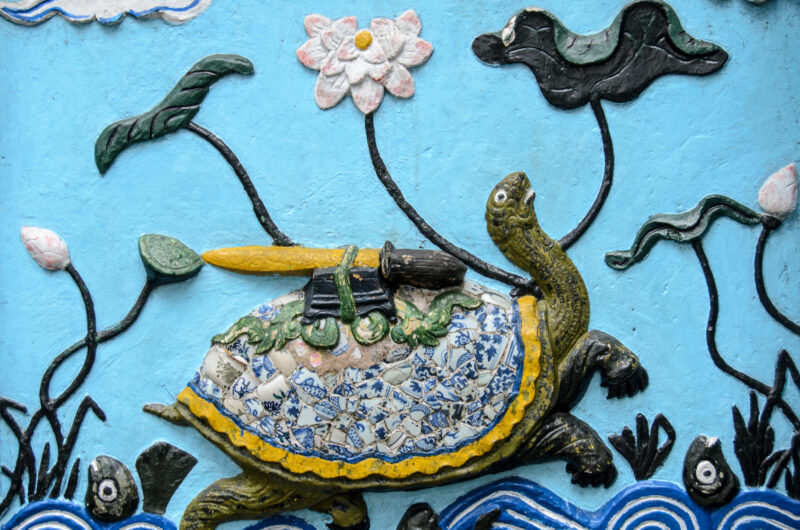
And then there are those turtles. The lake’s name translates as “Lake of the Returned Sword.” It’s based on a legend of a turtle stealing — or, more accurately, reclaiming — a sword from Emperor Le Loi.
The story goes that the emperor had been given a magical sword by the Golden Turtle God (Kim Qui) to smite the Chinese Ming Dynasty. After successfully fending off the invaders, the emperor was boating on Hoan Kiem Lake when a giant turtle rose up and snatched the sword from him and disappeared into the depths, never to be found again. It was explained as the Golden Turtle God reclaiming the magical sword.
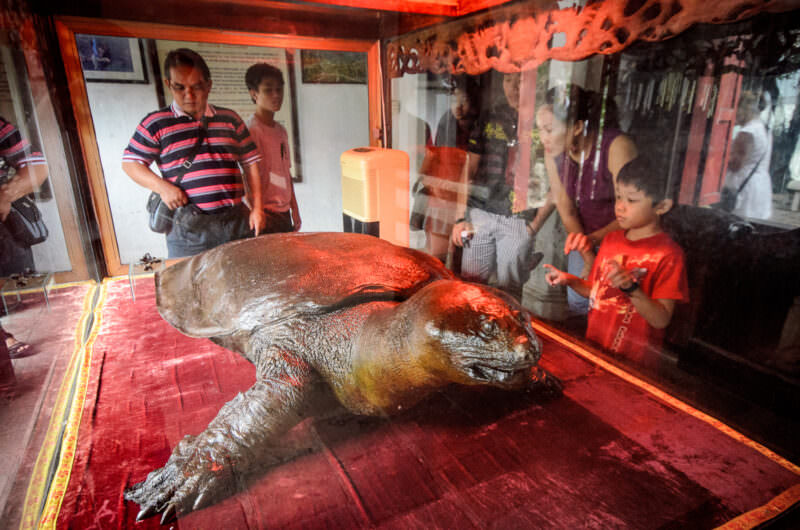
There were, it turns out, giant turtles in Hoan Kiem Lake, but they were very elusive and sightings were rare. The last known one in the lake, the revered “Cu Rua,” was found dead in January 2016; its preserved body is now on display at Ngoc Son Temple.
Have Camera Will Travel // Newsletter
Practical field notes, hands-on gear tests.
But in April 2011, one of the famous turtles was captured for the first time to receive veterinary care. At the time, only three other living examples of this species were known — one other in another lake in Vietnam and a pair in a zoo in China. The species has fared even worse since: only about two individuals are now reliably known to survive, so the long-term prospects aren’t great, to say the least. The one in Hoan Kiem Lake was estimated at 80 to 100 years old and weighing in at around 440 pounds.
Photos of Hoan Kiem
Here are some of the photos I’ve taken at Hoan Kiem.
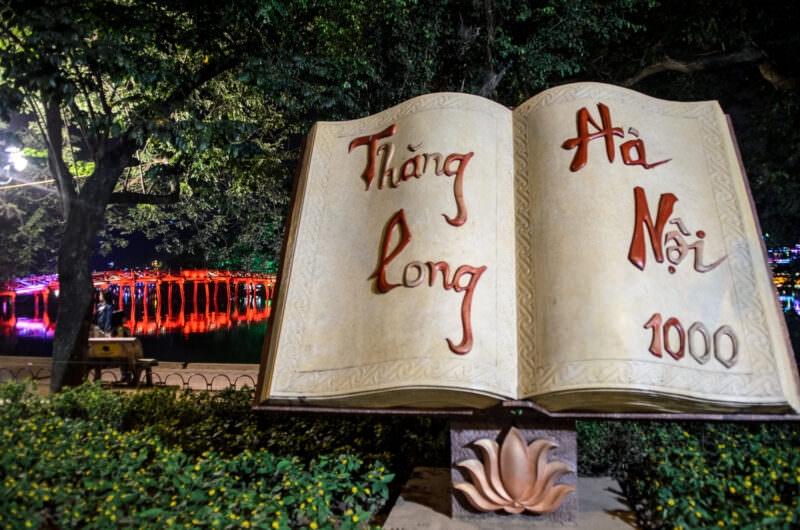
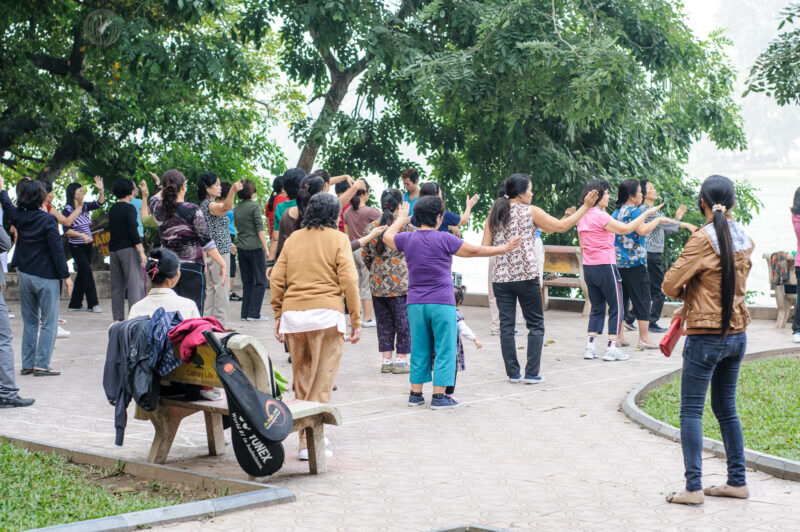
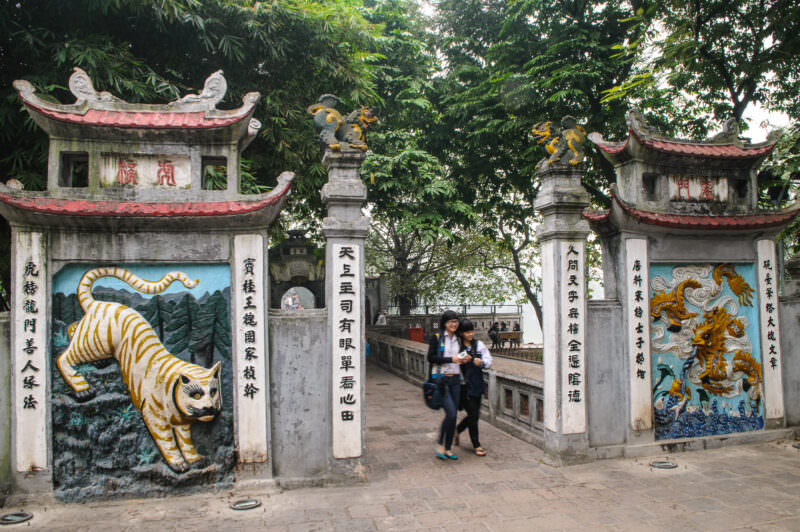
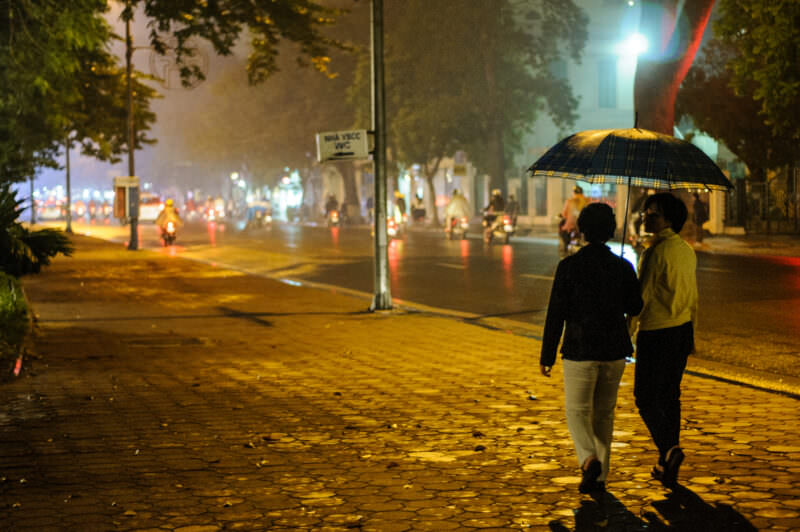
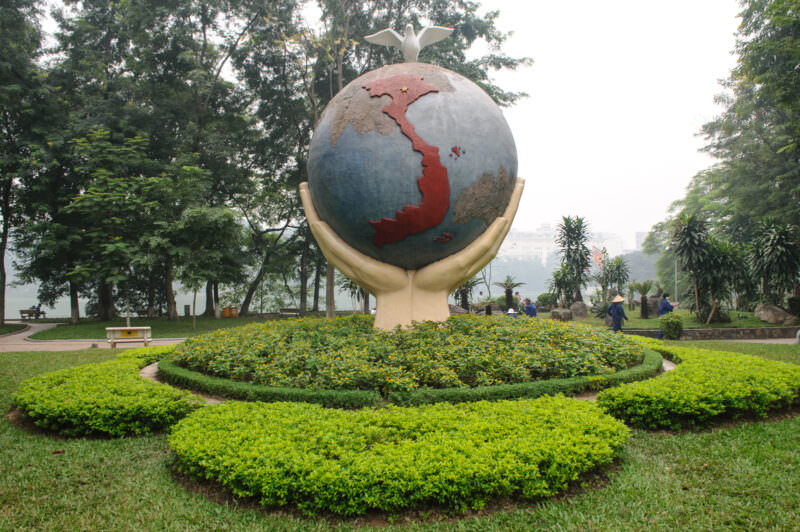
HANOI, Vietnam — Turtle Tower (Thap Rua) reflects in the still waters of Hoan Kiem Lake on a foggy night, its tiers clearly showing the Gothic pointed arches of the lower levels beneath a traditional Vietnamese curved roof. Constructed circa 1884 – 1886 during the French colonial period by Nguyen Huu Kim — a wealthy Hanoian known by his rank-title Ba ho Kim — the tower was ostensibly built to honour Le Loi, though a persistent folk story holds that Kim secretly intended to inter his parents’ remains on the islet; the claim is denied by his descendants and treated by scholars as unverifiable oral tradition. This hybrid design embodies the architectural syncretism of late 19th-century Hanoi, while the islet itself marks the spot where Emperor Le Loi legendarily returned a magical sword to the Golden Turtle God. Photo by David Coleman / Have Camera Will TravelLicense this image at:DirectlyHANOI, Vietnam — Colorful spherical lanterns suspended from overhanging branches illuminate the pedestrian promenade around Hoan Kiem Lake. The name translates to “Lake of the Returned Sword,” referencing the legend of the hero Le Loi, who after driving out the Ming Chinese occupiers returned a magical sword to the divine golden turtle Kim Quy in these waters. The lake covers approximately 11.5 hectares (28.4 acres) and sits at the physical and symbolic center of the capital, dividing the historic Old Quarter from the French colonial district. The entire ensemble of lake and temple was designated a Special National Monument by the Prime Minister of Vietnam on 9 December 2013. Photo by David Coleman / Have Camera Will TravelLicense this image at:DirectlyAlamyHANOI, Vietnam — The illuminated wooden span of The Huc Bridge reflects in the dark waters of Hoan Kiem Lake at night. Commissioned in 1865 by the Confucian scholar Nguyen Van Sieu, the structure connects the northern shore to Ngoc Son Temple on Jade Island. Its distinctive red paint symbolizes life and the sun, a physical manifestation of its name, which translates to “Morning Sunlight Bridge.” Photo by David Coleman / Have Camera Will TravelLicense this image at:DirectlyAlamyHANOI, Vietnam — Visitors peer into a glass display case at Ngoc Son Temple holding the preserved body of Cu Rua, the “Great-Grandfather Turtle” that was the lake’s last known giant softshell turtle. The critically endangered Rafetus swinhoei was found dead in Hoan Kiem Lake in January 2016 and preserved by plastination before going on display in 2019. Vietnamese tradition links the species to the legend of the returned sword that gives the lake its name. Photo by David Coleman / Have Camera Will TravelLicense this image at:DirectlyAlamyHANOI, Vietnam — The vermillion-painted wooden pillars of the Thê Húc Bridge cross the misty waters of Hoan Kiem Lake. The bridge was constructed in 1865 by Confucian scholar Nguyễn Văn Siêu as part of his major renovation of the Ngoc Son Temple complex; its name translates to “Morning Sunlight Bridge,” reflecting its eastern orientation. The traditional red color symbolizes life and prosperity, acting as a deliberate visual threshold between the secular city shore and Jade Island, where the 19th-century temple stands hidden among the trees. Photo by David Coleman / Have Camera Will TravelLicense this image at:DirectlyAlamyHANOI, Vietnam — An illuminated open-book sculpture stands on the banks of Hoan Kiem Lake, backed by the glowing red arches of The Huc Bridge. The inscription “Thang Long” references the city’s historical name, meaning “Ascending Dragon,” bestowed by Emperor Ly Thai To in 1010 CE when he established the site as Vietnam’s capital. The adjacent “1000” marks the 2010 millennial anniversary of that founding decree. Photo by David Coleman / Have Camera Will TravelLicense this image at:DirectlyAlamyHANOI, Vietnam — Nighttime illumination highlights the wooden framework of the Huc Bridge as pedestrians cross Hoan Kiem Lake. Constructed in 1865 by scholar Nguyen Van Sieu, the span’s traditional crimson color symbolizes life and prosperity in Vietnamese culture. The arched structure provides the sole access to Jade Island and Ngoc Son Temple. Photo by David Coleman / Have Camera Will TravelLicense this image at:DirectlyAlamyHANOI, Vietnam — A man sits on the stone promenade of Hoan Kiem Lake, holding a sketchbook as the fog-shrouded silhouette of Turtle Tower (Thap Rua) floats in the distance. The lake’s name — “Lake of the Returned Sword” — derives from the 15th-century legend of Emperor Le Loi surrendering a magical sword to the Golden Turtle God here after driving the Ming dynasty from Vietnam and restoring Vietnamese independence. The roughly 28-acre (11.6 ha) lake is a former meander of the Red River and has been the symbolic heart of Hanoi for centuries, designated a Special National Relic in 2013 under the highest level of protection in Vietnam’s heritage system. Photo by David Coleman / Have Camera Will TravelLicense this image at:DirectlyAlamyHANOI, Vietnam — Colorful spherical lights suspended from mature trees reflect in the waters of Hoan Kiem Lake. The active lakeside path borders the historic Old Quarter, a commercial district originally organized into 36 artisan guild streets. Known as the “Lake of the Returned Sword,” this roughly 28.5-acre (11.5 ha) lake functions as Hanoi’s cultural epicenter and transforms into a pedestrian-only promenade each weekend. Photo by David Coleman / Have Camera Will TravelLicense this image at:DirectlyAlamyHANOI, Vietnam — Turtle Tower (Thap Rua) rises through dense morning fog on its small island in Hoan Kiem Lake. The tower’s pointed Gothic arches on its lower stories and a traditional Vietnamese curved roof above reflect its construction circa 1884 – 1886 during the early French colonial period — a hybrid form built by Nguyen Huu Kim, a wealthy Hanoian known by his rank-title Ba ho Kim, ostensibly to honour Emperor Le Loi. The lake’s name, “Lake of the Returned Sword,” derives from the legend of Le Loi returning a magical sword to the Golden Turtle God after driving out Ming dynasty invaders in the early 15th century — a founding myth that predates the tower by four centuries. Photo by David Coleman / Have Camera Will TravelLicense this image at:DirectlyAlamyHANOI, Vietnam — Turtle Tower (Thap Rua) stands illuminated on its islet in Hoan Kiem Lake against a deep blue night sky. The structure’s hybrid form — Gothic pointed arches on the lower tiers beneath a traditional Vietnamese curved roof — reflects the colonial-era architectural fusion of its circa 1884 – 1886 construction, when the French were reshaping Hanoi around this historic lake. The lake’s name, “Lake of the Returned Sword,” preserves the legend of Emperor Le Loi restoring a magical sword to the Golden Turtle God after expelling Ming dynasty invaders and founding the Le dynasty. Photo by David Coleman / Have Camera Will TravelLicense this image at:DirectlyAlamyHANOI, Vietnam — The illuminated red arches of the The Huc Bridge reflect across the dark waters of Hoan Kiem Lake. The wooden structure was built in 1865 by the Confucian scholar Nguyen Van Sieu as part of a major renovation of the lake’s ensemble of monuments. Its crimson paint was chosen to symbolize life and the sun, in keeping with the bridge’s name — “Perch of the Morning Sunlight” — and it serves as the traditional crossing to Jade Island and Ngoc Son Temple. Photo by David Coleman / Have Camera Will TravelLicense this image at:DirectlyAlamyHANOI, Vietnam — A person shelters under a plaid umbrella on a bench along Hoan Kiem Lake, facing the floodlit Turtle Tower (Thap Rua) and its mirror image in the still water below. Constructed circa 1884 – 1886 during the early French colonial period by Nguyen Huu Kim, known by his rank-title Ba ho Kim, the tower blends Gothic pointed arches on its lower tiers with a traditional Vietnamese curved roof, marking the islet where Emperor Le Loi is said to have returned a magical sword to the Golden Turtle God. The lake’s roughly 28-acre (11.6 ha) surface remains the symbolic and social heart of Hanoi, its tree-lined shore among the city’s most beloved public spaces. Photo by David Coleman / Have Camera Will TravelLicense this image at:DirectlyAlamyHANOI, Vietnam — Pedestrians cross the red-painted wooden span of the Thê Húc Bridge toward Ngoc Son Temple on Jade Island. Constructed in 1865 by Confucian scholar Nguyễn Văn Siêu during his major renovation of the temple complex, the bridge’s name translates to “Morning Sunlight Bridge,” reflecting its eastern orientation across Hoan Kiem Lake. The vivid red was deliberately chosen to symbolize life and prosperity in traditional Vietnamese cosmology. Photo by David Coleman / Have Camera Will TravelLicense this image at:DirectlyAlamyHANOI, Vietnam — Women practice synchronized morning exercises along the paved promenade of Hoan Kiem Lake. While commonly called Tai Chi, the routine is specifically *duong sinh*, a Vietnamese system of slow-motion calisthenics and breathing techniques. Residents gather here in the early hours, using the capital’s historic lakeside as an outdoor gymnasium before the city’s dense motorbike traffic and tropical heat peak. The lake takes its name — “Lake of the Returned Sword” — from the fifteenth-century legend in which the Lê-dynasty founder Lê Loi returned a magic sword to a divine golden turtle in its waters, and the surrounding streets have functioned as a weekend pedestrian zone since September 2016. Photo by David Coleman / Have Camera Will TravelLicense this image at:DirectlyAlamyHANOI, Vietnam — Corporate signs and neon waterfront lights reflect across the dark surface of Hoan Kiem Lake. The brightly illuminated, curved-roof structure is the Thuy Ta Cafe pavilion, originally constructed as a boathouse during the French colonial era in the 1930s. It remains the only commercial building permitted directly on the banks of the capital’s central lake. Photo by David Coleman / Have Camera Will TravelLicense this image at:DirectlyAlamyHANOI, Vietnam — Visitors pass through the outer gates of Ngoc Son Temple on the shore of Hoan Kiem Lake, flanked by reliefs of a white tiger and a golden dragon serving as traditional guardians of the threshold. Representing the cardinal directions of west and east respectively, the paired figures balance yin and yang energies, spiritually preparing worshippers before they cross the Thê Húc Bridge onto Jade Island. The gate ensemble is part of the broader complex renovated in 1865 by the Confucian scholar Nguyễn Văn Siêu. Photo by David Coleman / Have Camera Will TravelLicense this image at:DirectlyAlamyHANOI, Vietnam — Spotlights line the retaining wall of Hoan Kiem Lake, reflecting the illuminated commercial facades of the Old Quarter. The prominent multi-story complex housing rooftop cafes is locally known as “Ham Ca Map” (Shark’s Mouth). Built in the 1990s, the structure anchors the northern edge of the water and serves as a modern gateway to the district’s historic 36 guild streets. Photo by David Coleman / Have Camera Will TravelLicense this image at:DirectlyAlamyHANOI, Vietnam — A ceramic mosaic relief at Ngoc Son Temple depicts the golden turtle carrying a sword on its shell, illustrating the legend behind Hoan Kiem Lake’s name. Tradition holds that Le Loi, who expelled the occupying Ming Chinese and founded the Later Le dynasty in 1427-1428, returned his magical sword to the turtle god after his victory, giving the lake its name: “Lake of the Returned Sword.” Photo by David Coleman / Have Camera Will TravelLicense this image at:DirectlyAlamyHANOI, Vietnam — Red lights illuminate the wooden trusses of the Huc Bridge as pedestrians cross toward Jade Island. Translating to “Morning Sunlight Bridge,” the structure’s signature crimson paint symbolizes life and prosperity in Vietnamese culture. First constructed in 1865 by scholar Nguyen Van Sieu, the arched span crosses Hoan Kiem Lake to provide the sole access to Ngoc Son Temple. Photo by David Coleman / Have Camera Will TravelLicense this image at:DirectlyAlamyHANOI, Vietnam — Two women share an umbrella along the rain-slicked sidewalk of Dinh Tien Hoang street as passing motorbikes blur in the night. The thoroughfare forms the primary eastern boundary of Hoan Kiem Lake and is named for Đinh Tiên Hoàng, the 10th-century emperor who unified Vietnam and established the nation’s independence following centuries of Chinese rule. The lakeside promenade is among the most frequented public spaces in Hanoi, animated at night by pedestrians, street vendors, and the reflections of the illuminated shoreline. Photo by David Coleman / Have Camera Will TravelLicense this image at:DirectlyAlamyHANOI, Vietnam — Pedestrians cross the illuminated red span of the Huc Bridge at night, its wooden arches reflected in the dark waters of Hoan Kiem Lake. Constructed in 1865 by Confucian scholar Nguyen Van Sieu, the structure connects the northern shore to Ngoc Son Temple on Jade Island. The vibrant crimson paint is a deliberate cultural choice symbolizing life and prosperity, aligning with the bridge’s name, which translates to “Morning Sunlight Bridge.” Photo by David Coleman / Have Camera Will TravelLicense this image at:DirectlyAlamyHANOI, Vietnam — Two hands cradle a globe topped with a dove in the “Hope & Love for Peace” sculpture along the shore of Hoan Kiem Lake. The globe features an oversized map of Vietnam marked with a yellow star denoting Hanoi. The monument’s pacifist theme resonates with the lake’s own name — “Lake of the Returned Sword” — drawn from the 15th-century legend of Lê Lợi returning his magical sword to the golden turtle god after securing Vietnamese independence from Ming dynasty rule. Photo by David Coleman / Have Camera Will TravelLicense this image at:DirectlyAlamyHANOI, Vietnam — Spherical lights hang from shoreline trees at Hoan Kiem Lake, framing the illuminated Huc Bridge beyond. Built in 1865 by scholar Nguyen Van Sieu, the wooden structure translates to “Morning Sunlight Bridge” and connects the northern shore to Jade Island. Its traditional red paint symbolizes life and prosperity in Vietnamese culture, guiding worshippers toward Ngoc Son Temple. Photo by David Coleman / Have Camera Will TravelLicense this image at:DirectlyAlamyHANOI, Vietnam — Pedestrians cross the illuminated Huc Bridge as its red wooden arches reflect in the dark waters of Hoan Kiem Lake. The crimson paint symbolizes life and prosperity in traditional Vietnamese culture. Commissioned in 1865 by the Confucian scholar Nguyen Van Sieu, the structure’s name translates to “Morning Sunlight Bridge,” a nod to its eastward orientation designed to catch the day’s first light before leading worshippers to Jade Island and Ngoc Son Temple. Photo by David Coleman / Have Camera Will TravelLicense this image at:DirectlyAlamy
What to know before you go
It’s just part of the landscape of downtown Hanoi, so it’s accessible day and night.
You can’t go to the Turtle Tower pagoda in the middle of the lake that’s pictured in the top photo, but you can cross the red Huc Bridge to visit Ngoc Son Temple that juts out onto the lake.
Hàng Trống, Hoàn Kiếm, Hanoi, Vietnam
How to get to Hoan Kiem Lake
Hoan Kiem Lake is situated in Hanoi, the capital of Vietnam. The nearest major airport is Noi Bai International Airport (HAN), located about 28 kilometers (17 miles) from the city center. From the airport, visitors can take a taxi or arrange a private transfer to reach the lake and surrounding attractions. Public transportation options, such as buses and the Hanoi Metro, are also available to navigate the city.
I'm a freelance travel photographer based in Washington DC. Seven continents, up mountains, underwater, and a bunch of places in between. My images have appeared in numerous publications, and you can check out some of my gear reviews and tips here. More »