Karakoy: Sunset, Tea, and Fish Grills on the Golden Horn
Along Karakoy’s waterfront, plastic tables and grill carts turn into a front-row seat for sunset over the Golden Horn, with fishermen crowding the Galata Bridge above. Here’s how it looked across several visits, tea in hand.
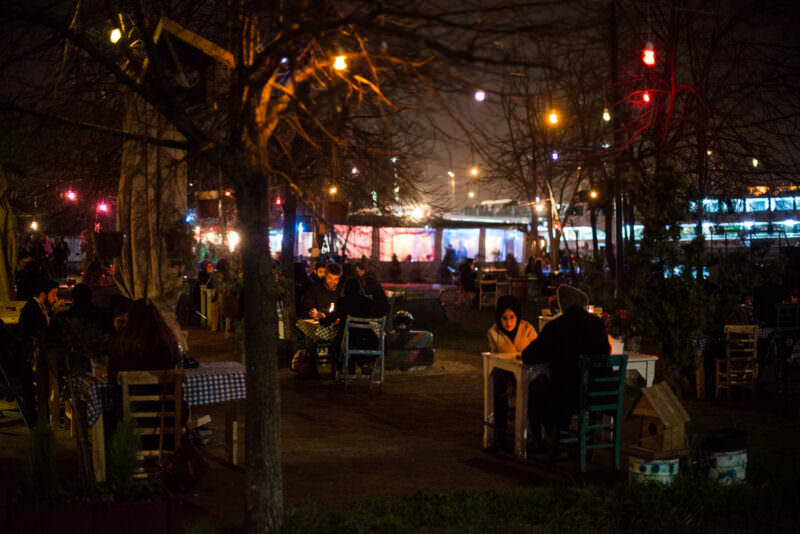
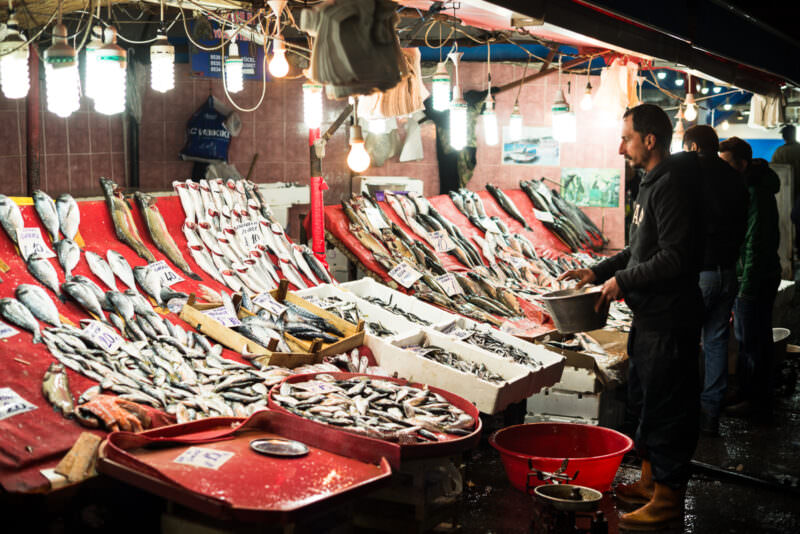
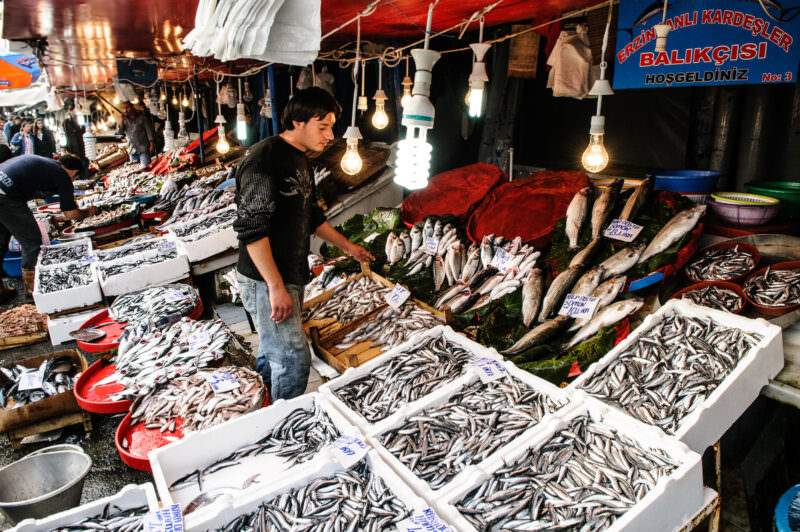
These photographs show the Karaköy waterfront as it was. On June 22, 2015 — seven weeks after I first published this piece and not long after I took the photos — the city sent excavators along this stretch of shore and cleared about twenty mostly unlicensed businesses: the grill carts, the plastic tables and chairs, the tea gardens. A rebuilt, enclosed fish market with twenty-five units opened that November. The fishmongers are still there. What’s in these pictures isn’t.
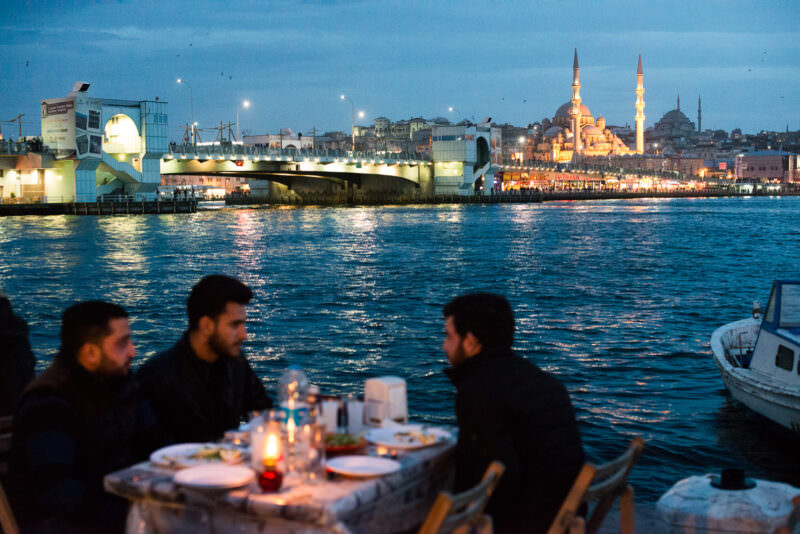
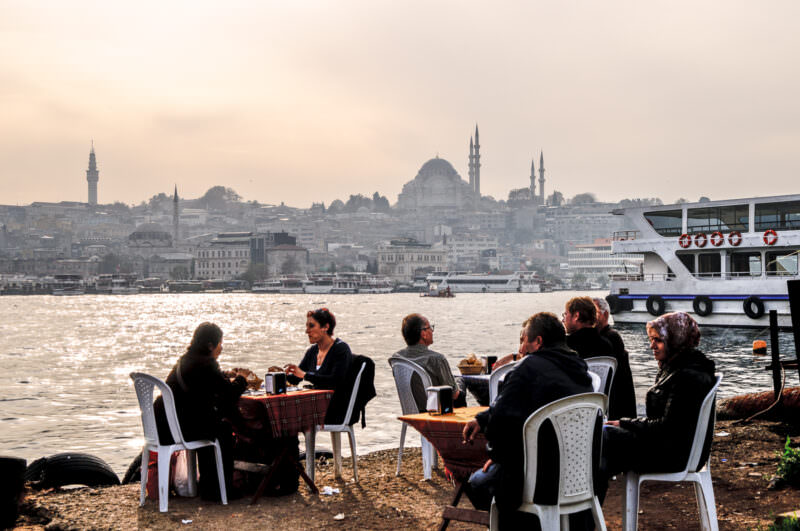
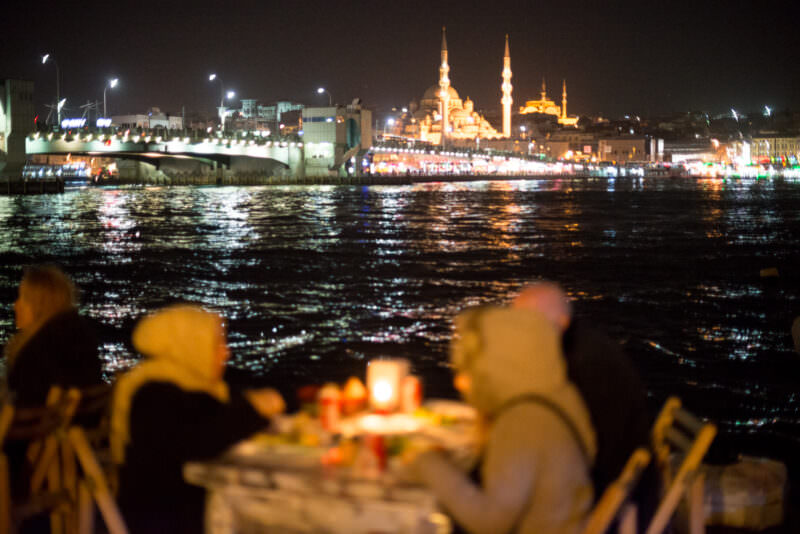
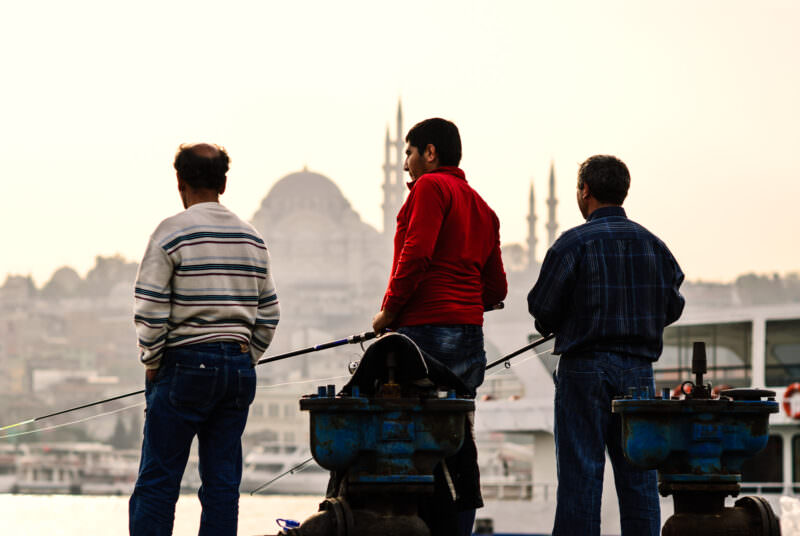
It’s one of Istanbul’s real treats to sit on the waterfront of Karakoy sipping Turkish tea, rakı, or a cold beer and watching the sun setting over the striking silhouettes of the mosques across the other side of the Golden Horn.
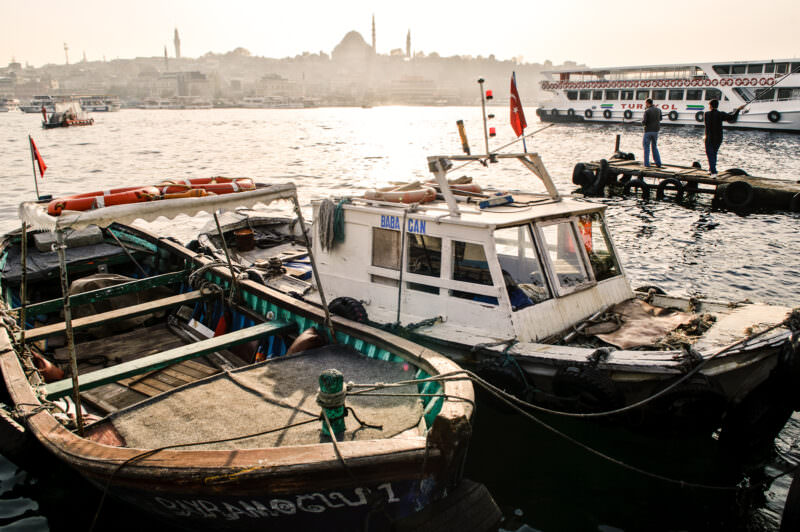
Ferries dance around on the water, while the hundreds of fishermen along the Galata Bridge compete for the daily catch.
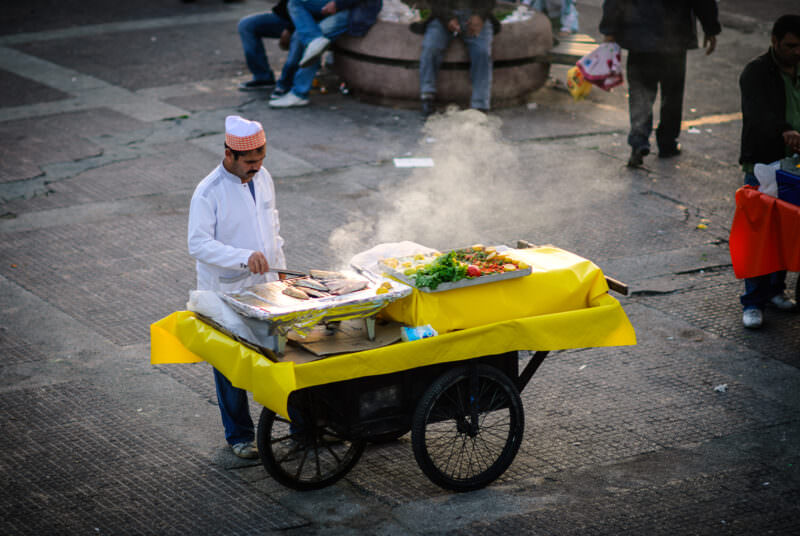
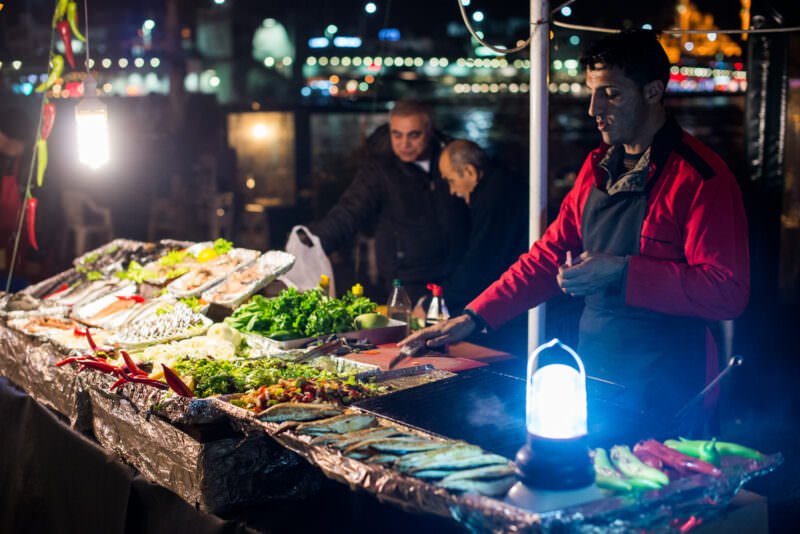
There’s also freshly cooked fish to be had at a series of makeshift fish cafes along the water’s edge. This isn’t luxury dining. In most cases, they’re simply wooden tables and chairs that have been set up outdoors. The “kitchens” are the grill carts set up along the walkway. It’s mostly outdoor seating, although a few are slightly more permanent and are set up under covered tents.
If you’re watching your pennies, you can get the same fish cooked the same way from one of the other grill carts for a fraction of the price. You’re definitely paying a premium for the location. But what a location it is!
Have Camera Will Travel // Newsletter
Practical field notes, hands-on gear tests.
Photos of Istanbul’s Karakoy waterfront
Here are some of the photos I’ve taken at the Karakoy waterfront over the course of several visits.
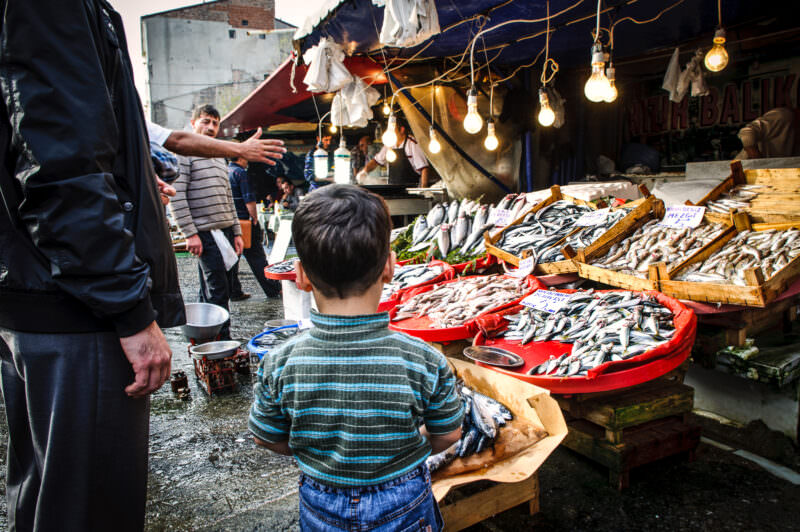
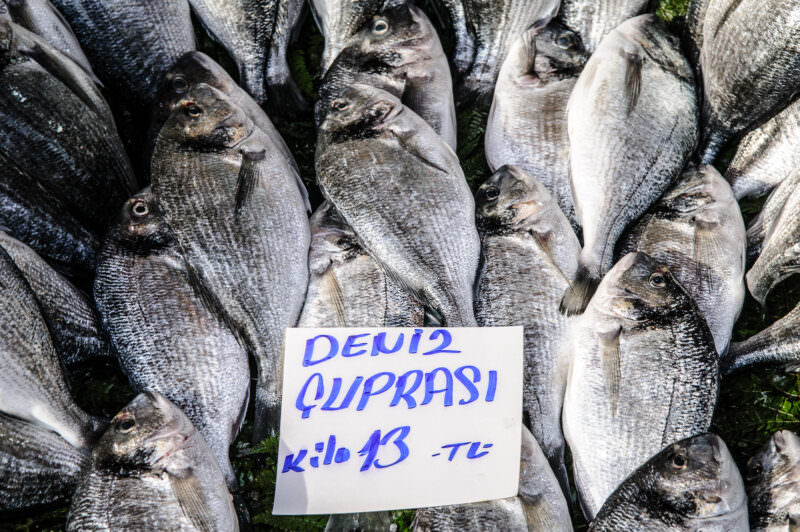
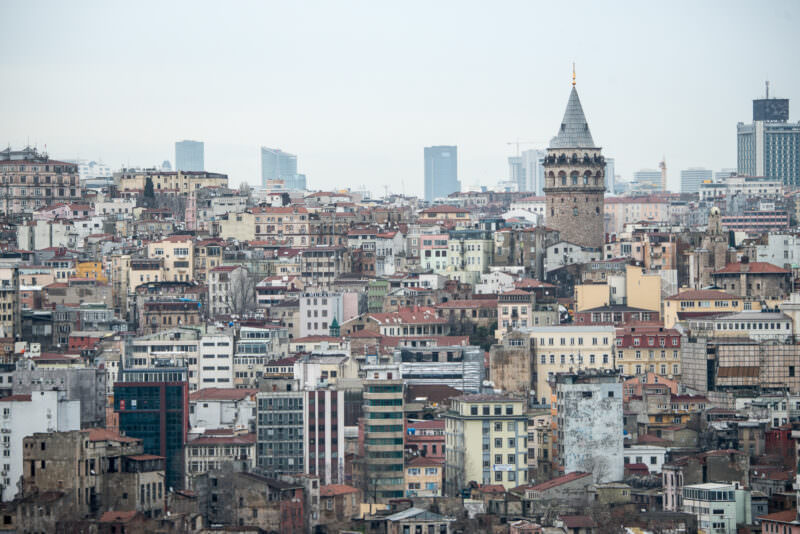
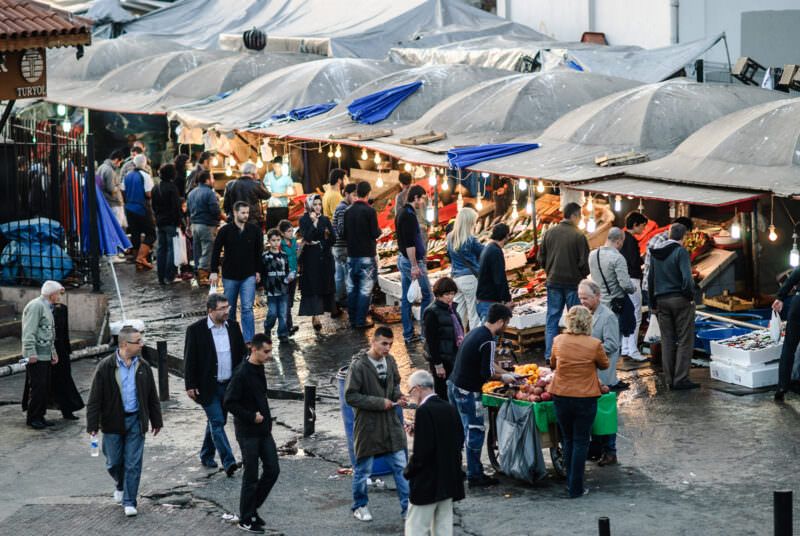
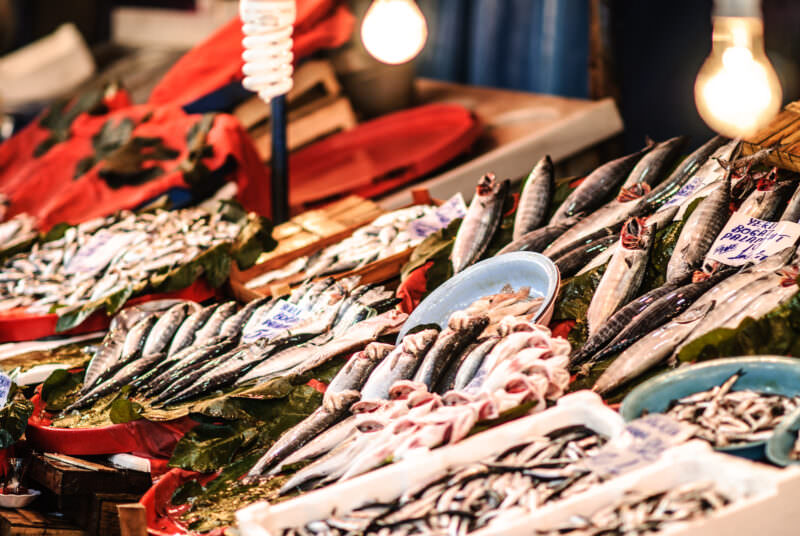
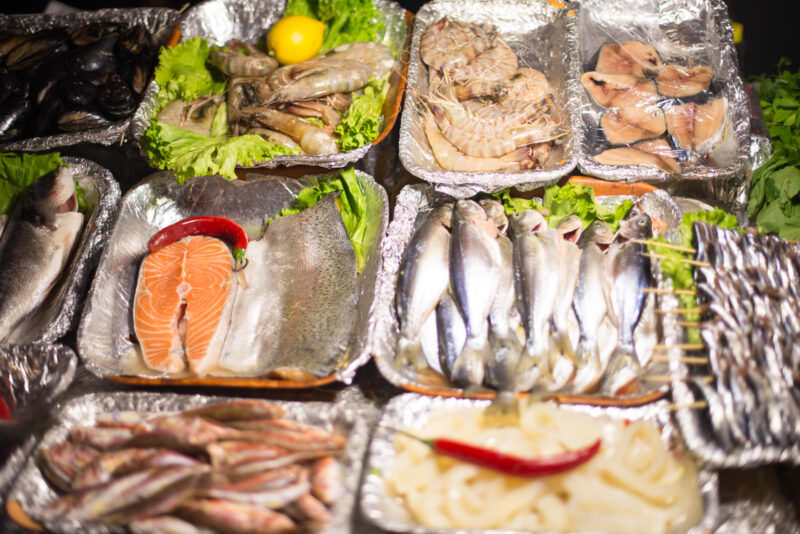
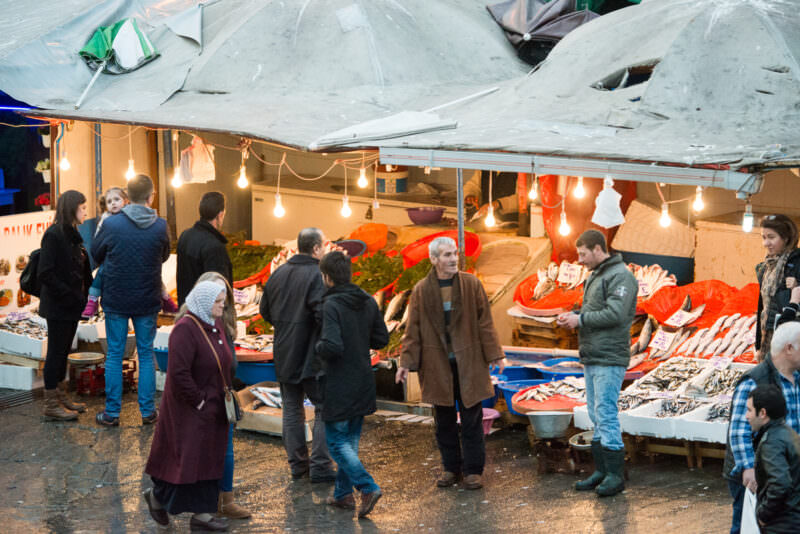
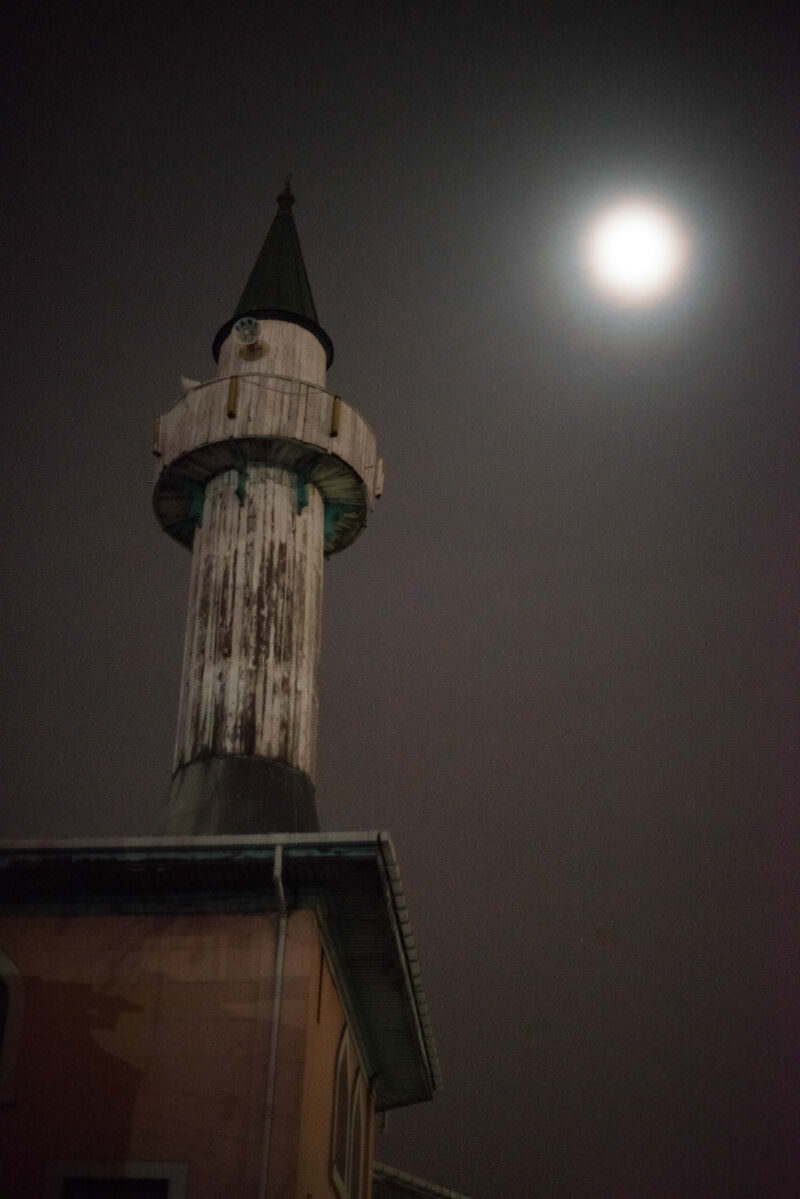
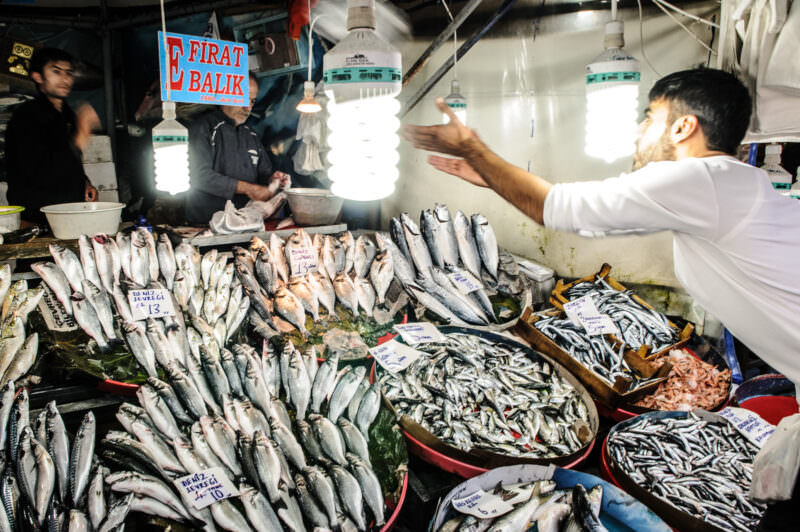
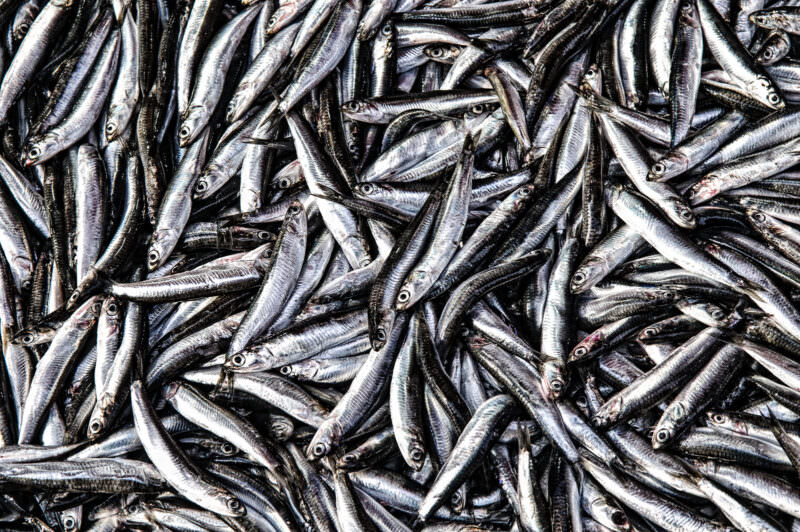
ISTANBUL, Turkey — Two vendors tend tubs of iced fish, prawns and scorpionfish at the Karaköy Balık Pazarı, the retail fish market by the Galata Bridge on the Golden Horn. Hand-lettered signs identify catches such as iskorpit and çinekop; the market has traded informally on this Karaköy shore since roughly 1940. Most stock now comes from Turkey’s broader fishing fleet rather than depleted Bosphorus waters. Photo by David Coleman / Have Camera Will TravelLicense this image at:DirectlyAlamyISTANBUL, Turkey — A street vendor grills fish fillets on a mobile cart near the Karaköy Fish Market and Galata Bridge to prepare balık ekmek, the grilled-fish sandwich long sold along the Golden Horn waterfront. The dish traces to the mid-19th century, when fishermen grilled surplus catch on their boat decks for dockworkers and sailors, a tradition that persisted at Karaköy until municipal clearance of the shoreline stalls in 2015. Photo by David Coleman / Have Camera Will TravelLicense this image at:DirectlyAlamyISTANBUL, Turkey — Outdoor restaurants fill the Golden Horn waterfront in Karaköy, with the New Mosque (Yeni Cami), completed in 1665, and the Galata Bridge rising across the water. The informal eateries operated alongside the Karakoy Fish Market until Istanbul Metropolitan Municipality cleared the shoreline strip overnight on 22 June 2015, ending a longstanding waterfront dining tradition at the site. Photo by David Coleman / Have Camera Will TravelLicense this image at:DirectlyAlamyISTANBUL, Turkey — A boy pauses before crates of iced fish at the Karaköy Fish Market near the Galata Bridge, where mezgit and other catch are priced by the kilo beneath strings of bare bulbs. Turkish press reported the market had served the Karaköy neighborhood for some 75 years before the municipality cleared its shoreline stalls in 2015 and reopened an enclosed replacement later that year. Photo by David Coleman / Have Camera Will TravelLicense this image at:DirectlyAlamyISTANBUL, Turkey — Diners share a waterside meal at Karaköy near the Galata Bridge, with the Süleymaniye Mosque rising across the Golden Horn. Completed in 1557, the mosque is architect Mimar Sinan’s masterwork and remains one of the defining silhouettes of the Istanbul skyline. Ferries crowd the water below, linking the Karaköy shore to the historic peninsula. Photo by David Coleman / Have Camera Will TravelLicense this image at:DirectlyAlamyISTANBUL, Turkey — Diners enjoy meals at informal outdoor restaurants along the Golden Horn waterfront in Karaköy. The New Mosque (Yeni Cami), completed in 1665, and the Galata Bridge form a dramatic backdrop across the water. These mostly unlicensed eateries, which operated alongside the Karakoy Fish Market, were cleared overnight by Istanbul Metropolitan Municipality on 22 June 2015, with the area reported to have been allocated to BELTUR, the municipality’s tourism arm. Photo by David Coleman / Have Camera Will TravelLicense this image at:DirectlyAlamyISTANBUL, Turkey — Fresh çupra, or gilthead sea bream, lies stacked at the Karaköy Fish Market near the Galata Bridge, priced by the kilo on a hand-written sign. Prized in Turkish cuisine for its firm white flesh, this Mediterranean species is typically sourced from Turkey’s broader fishing industry, as stocks native to the Bosphorus and Sea of Marmara have declined markedly since the mid-20th century. Photo by David Coleman / Have Camera Will TravelLicense this image at:DirectlyAlamyISTANBUL, Turkey — The Galata Tower rises above the dense, layered architecture of the Beyoğlu district, photographed from the Karaköy waterfront below. Built by the Genoese in 1348 as the Christea Turris (“Tower of Christ”), the stone cylinder served as the keep and chief watchtower of their fortified colony at Pera, anchoring a walled enclosure that the merchants had progressively built — despite Byzantine prohibitions — across the preceding decades. Standing roughly 205 feet (62.59 m) to the top of the shaft, with walls nearly 12 feet (3.75 m) thick, it was for centuries the tallest structure on the European side of the city. The conical cap visible today is largely an Ottoman reconstruction completed in 1831 – 1832 under Mahmud II, following an earlier fire — a reminder that the tower reads as a layered monument: Genoese lower shaft, Ottoman upper works. The Genoese colony itself surrendered peacefully when Constantinople fell in 1453, its keys handed to Mehmed II on the very day the city fell, sparing the tower from assault. Since October 2020 it has operated as a museum under Turkey’s Ministry of Culture and Tourism. Photo by David Coleman / Have Camera Will TravelLicense this image at:DirectlyAlamyISTANBUL, Turkey — Diners enjoy meals at outdoor restaurants along the Golden Horn waterfront in Karaköy. The New Mosque (Yeni Cami), completed in 1665, and the Galata Bridge form a backdrop across the water on the Eminönü shore. The view from the Karaköy restaurants also takes in the broader historic-peninsula skyline, including the silhouette of the Süleymaniye Mosque rising above the rooflines to the west. Photo by David Coleman / Have Camera Will TravelLicense this image at:DirectlyAlamyISTANBUL, Turkey — Shoppers and vendors crowd the tented stalls of the Karaköy Fish Market beside the Galata Bridge, where fresh catch is sold each morning on the northern shore of the Golden Horn. The market’s fishmongers occupy a waterfront that has served as Istanbul’s principal commercial shore since the Byzantine and Genoese eras, and the enclosed stalls seen here replaced an open shoreline strip demolished and rebuilt in 2015. Photo by David Coleman / Have Camera Will TravelLicense this image at:DirectlyAlamyISTANBUL, Turkey — Diners fill outdoor restaurants along the Golden Horn waterfront in Karaköy. The New Mosque (Yeni Cami), completed in 1665, is visible across the water on the Eminönü shore, with the Galata Bridge spanning the mouth of the inlet. The bridge’s lower deck is lined with fish restaurants supplied by the same Karaköy waterfront trade, while amateur anglers cast lines from the railings above throughout the day. Photo by David Coleman / Have Camera Will TravelLicense this image at:DirectlyAlamyISTANBUL, Turkey — The Karaköy fish market occupies a waterfront site just northwest of the Galata Bridge on the northern shore of the Golden Horn, in the historic Karaköy district formerly known as Galata. Known formally as the Karaköy Balıkçılar Çarşısı, the market traces its origins to around 1940 and long operated as an informal open shoreline row; in June 2015, the Istanbul Metropolitan Municipality cleared the unlicensed stalls and replaced them with an enclosed building of 25 fishmonger units. The market sits directly across the inlet from the Eminönü waterfront and the Spice Bazaar, and the standard view from its stalls takes in the historic-peninsula skyline, including the Süleymaniye Mosque. It is a retail fishmongers’ market, distinct from Istanbul’s historic wholesale fish hall, which operated across the Golden Horn at Azapkapı. Photo by David Coleman / Have Camera Will TravelLicense this image at:DirectlyAlamyISTANBUL, Turkey — Three fishermen stand shoulder to shoulder on the Karaköy waterfront, rods extended toward the Golden Horn as the Süleymaniye Mosque rises in silhouette across the water. Mimar Sinan completed the mosque in 1557 for Suleyman the Magnificent; anglers have lined this shore and the nearby Galata Bridge as a daily pastime for generations. Photo by David Coleman / Have Camera Will TravelLicense this image at:DirectlyAlamyISTANBUL, Turkey — A vendor arranges fish beneath strings of bare bulbs at Erzinanlı Kardeşler Balıkçısı, one of the fishmonger stalls making up the Karaköy Fish Market near the Galata Bridge. Crates of hamsi (anchovy) and other iced catch line the stall fronts with hand-lettered lira prices. The market’s retail row sits opposite the historic peninsula across the Golden Horn, separate from Istanbul’s former wholesale fish hall at Azapkapı. Photo by David Coleman / Have Camera Will TravelLicense this image at:DirectlyAlamyISTANBUL, Turkey — Rows of freshly iced mackerel and bonito fill a stall at the Karaköy Fish Market near the Galata Bridge on the Golden Horn’s northern shore. Known locally as Karaköy Balık Pazarı, the market traded informally here for some seventy-five years before the municipality cleared and rebuilt it in 2015. Photo by David Coleman / Have Camera Will TravelLicense this image at:DirectlyAlamyISTANBUL, Turkey — Fresh fish and other seafood on display at a vendor’s stall at the Karaköy fish market on the Golden Horn waterfront, just northwest of the Galata Bridge. Seasonal offerings at the market have historically included bluefish, bonito, mackerel, anchovy, sea bass, and sea bream — species that once migrated through the Bosphorus — Golden Horn corridor in enormous numbers but whose stocks declined sharply after mid-century industrial fishing methods were introduced. Photo by David Coleman / Have Camera Will TravelLicense this image at:DirectlyAlamyISTANBUL, Turkey — A vendor prepares grilled fish and vegetables at a night stall on the Karaköy waterfront, near the Golden Horn mouth by the Galata Bridge. The dish echoes balık ekmek, a grilled-fish sandwich sold along this shore since the mid-19th century, originally improvised by fishermen grilling surplus catch on their boat decks for dockworkers and sailors. Photo by David Coleman / Have Camera Will TravelLicense this image at:DirectlyAlamyISTANBUL, Turkey — Fresh fish and seafood on display at the Karakoy Fish Market near the Galata Bridge on the northern shore of the Golden Horn. Known locally as the Karaköy Balık Pazarı, the market had served the neighborhood for some 75 years before Istanbul Metropolitan Municipality excavators cleared the shoreline stalls overnight on 22 June 2015, after which the fishmongers relocated to a new enclosed facility of 25 units that reopened in early November 2015. Photo by David Coleman / Have Camera Will TravelLicense this image at:DirectlyAlamyISTANBUL, Turkey — The moon shines through light mist over a tower in the Karaköy waterfront district on the northern shore of the Golden Horn. Karaköy occupies a shore with a commercial and maritime history stretching back to antiquity — settled as the Byzantine district of Sykai, it became a Genoese colony from 1267 to 1453 and has functioned as Istanbul’s principal commercial northern waterfront for roughly seven centuries. Photo by David Coleman / Have Camera Will TravelLicense this image at:DirectlyAlamyISTANBUL, Turkey — A vendor tosses a bundle of fish to a colleague inside the Karaköy Fish Market near the Galata Bridge, past rows of iced mackerel, anchovy and sea bass marked with handwritten price tags. The market’s twenty-five stalls, rebuilt in 2015 after the municipality cleared the earlier shoreline market, trade mainly in the mornings. Photo by David Coleman / Have Camera Will TravelLicense this image at:DirectlyAlamyISTANBUL, Turkey — Wooden fishing boats crowd the mooring beside the Karaköy Fish Market, with the Süleymaniye Mosque rising above the Eminönü skyline across the Golden Horn. These weathered vessels once supplied the daily catch to the adjacent retail market; today most fish sold along this shore arrives from Turkey’s wider industry rather than local nets. Photo by David Coleman / Have Camera Will TravelLicense this image at:DirectlyAlamyISTANBUL, Turkey — Fresh hamsi (Black Sea anchovy) fills the frame at the Karaköy Fish Market near the Galata Bridge, a staple catch still landed in quantity even as larger Bosphorus species have declined. Overfishing and fleet modernization since the mid-20th century sharply reduced local stocks of bluefish, bonito and mackerel, though anchovy migrations from the Black Sea remain a reliable seasonal trade. Photo by David Coleman / Have Camera Will TravelLicense this image at:DirectlyAlamy
Enjoyed this article? Personalize your search results.
I'm a freelance travel photographer based in Washington DC. Seven continents, up mountains, underwater, and a bunch of places in between. My images have appeared in numerous publications, and you can check out some of my gear reviews and tips here. More »