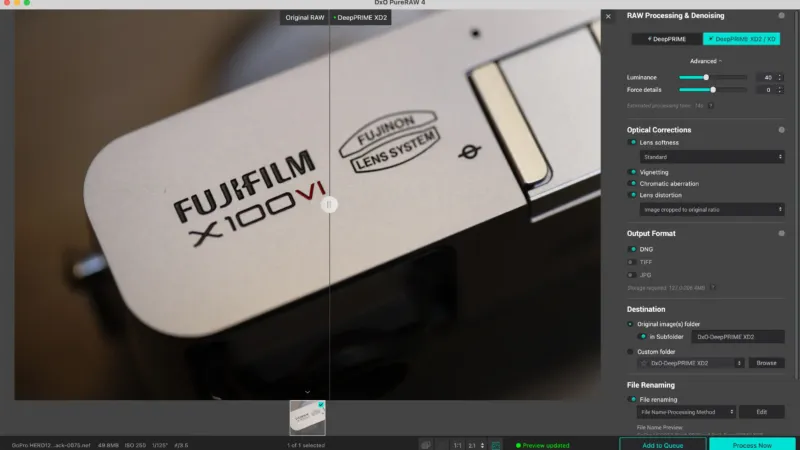
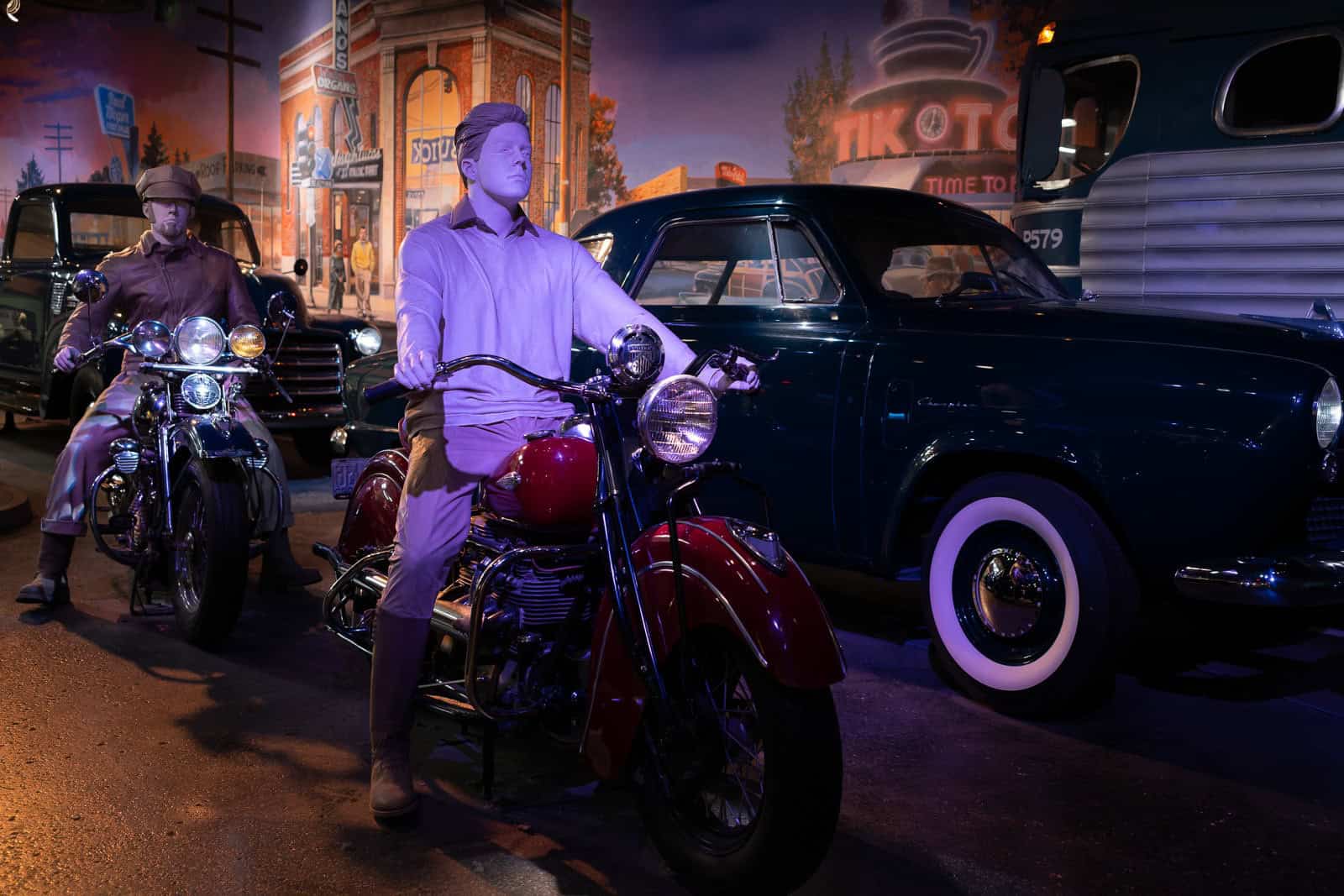
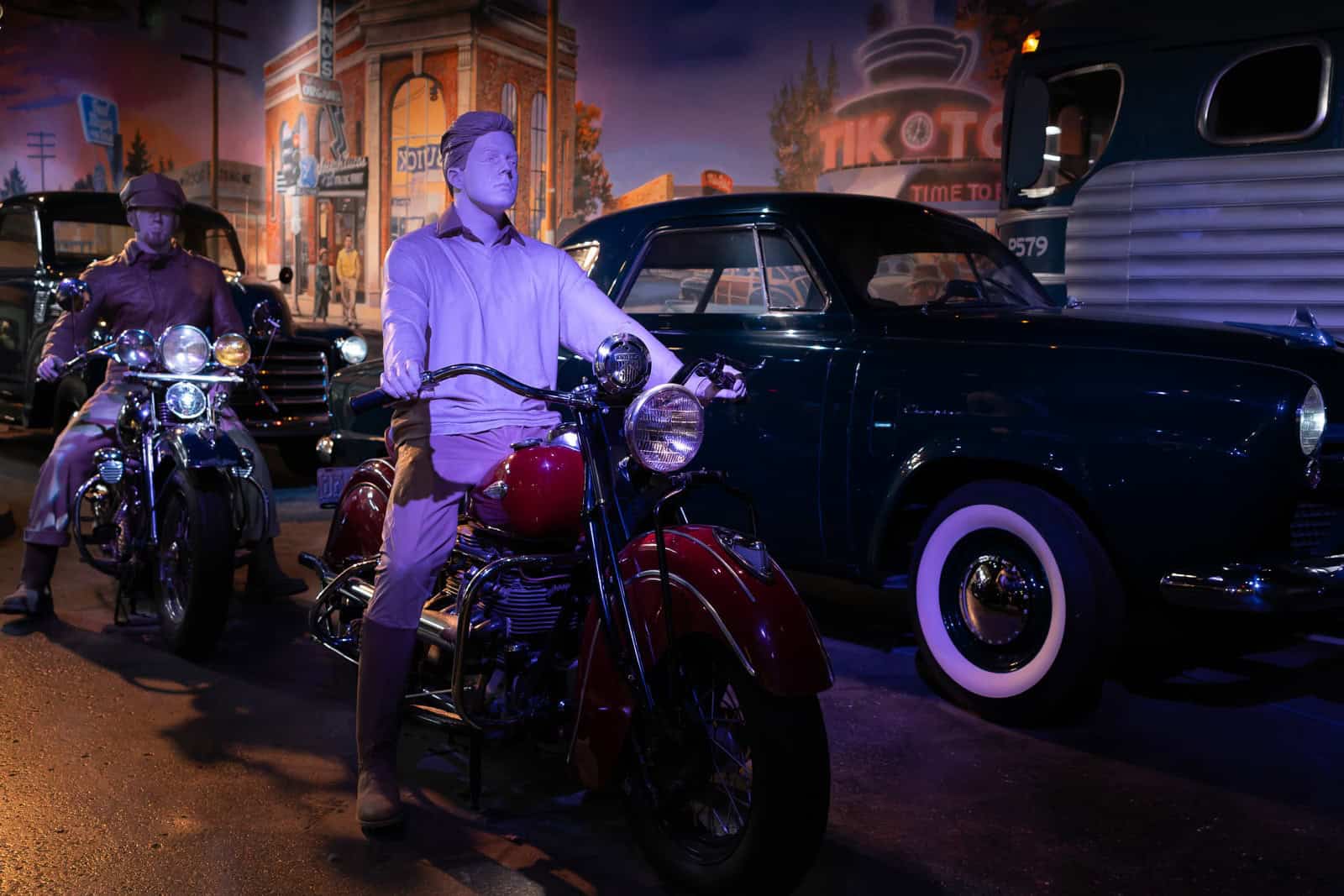
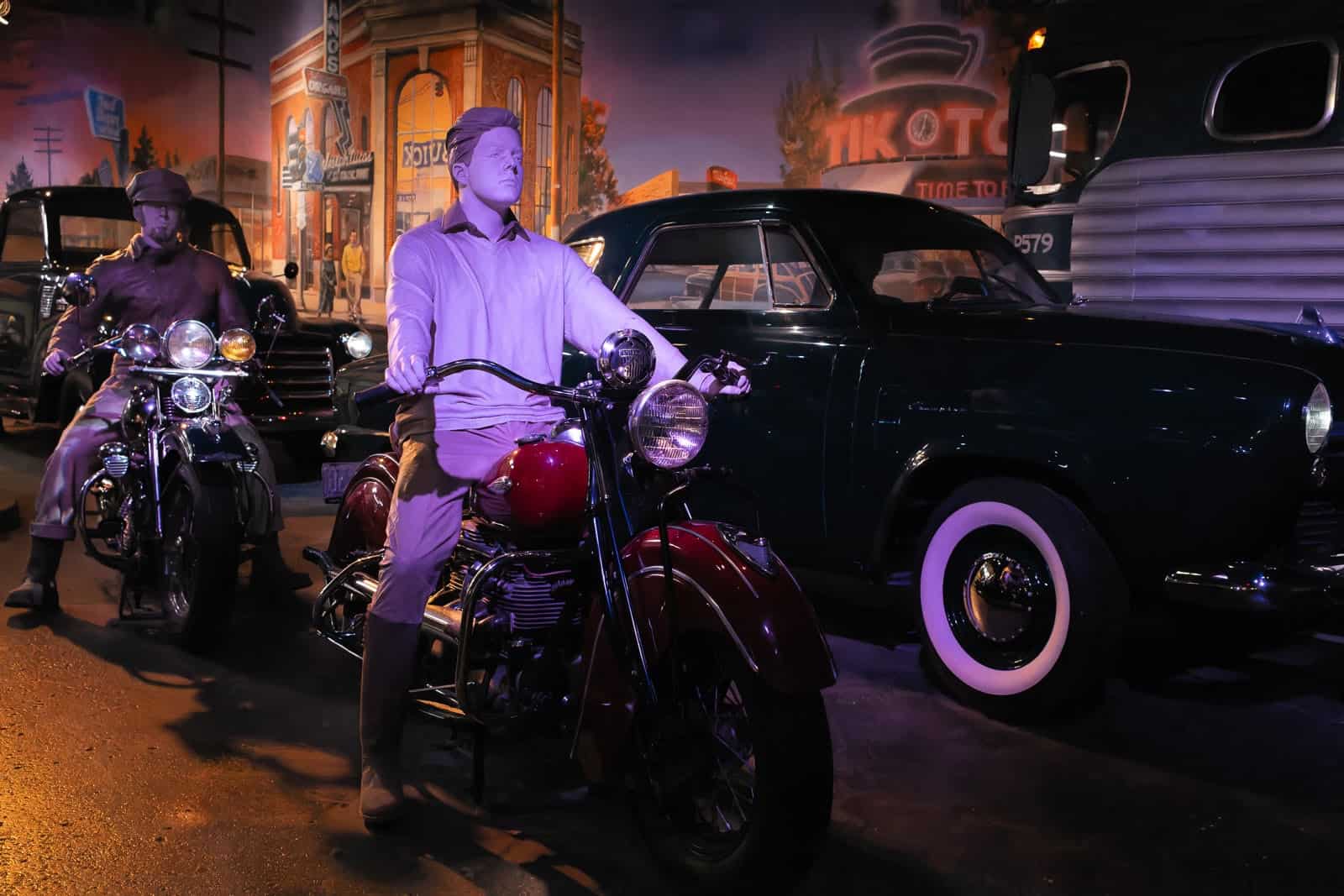
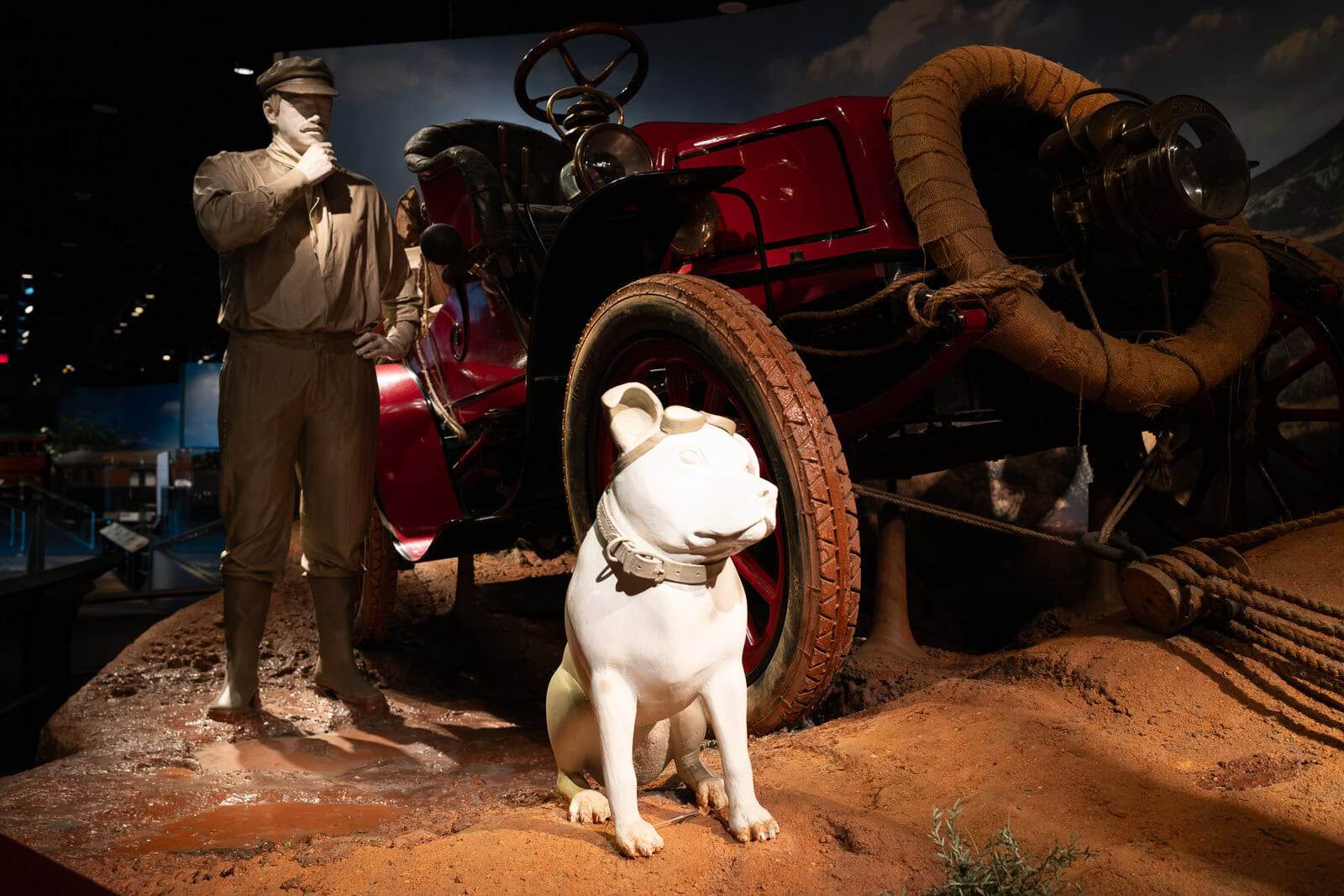
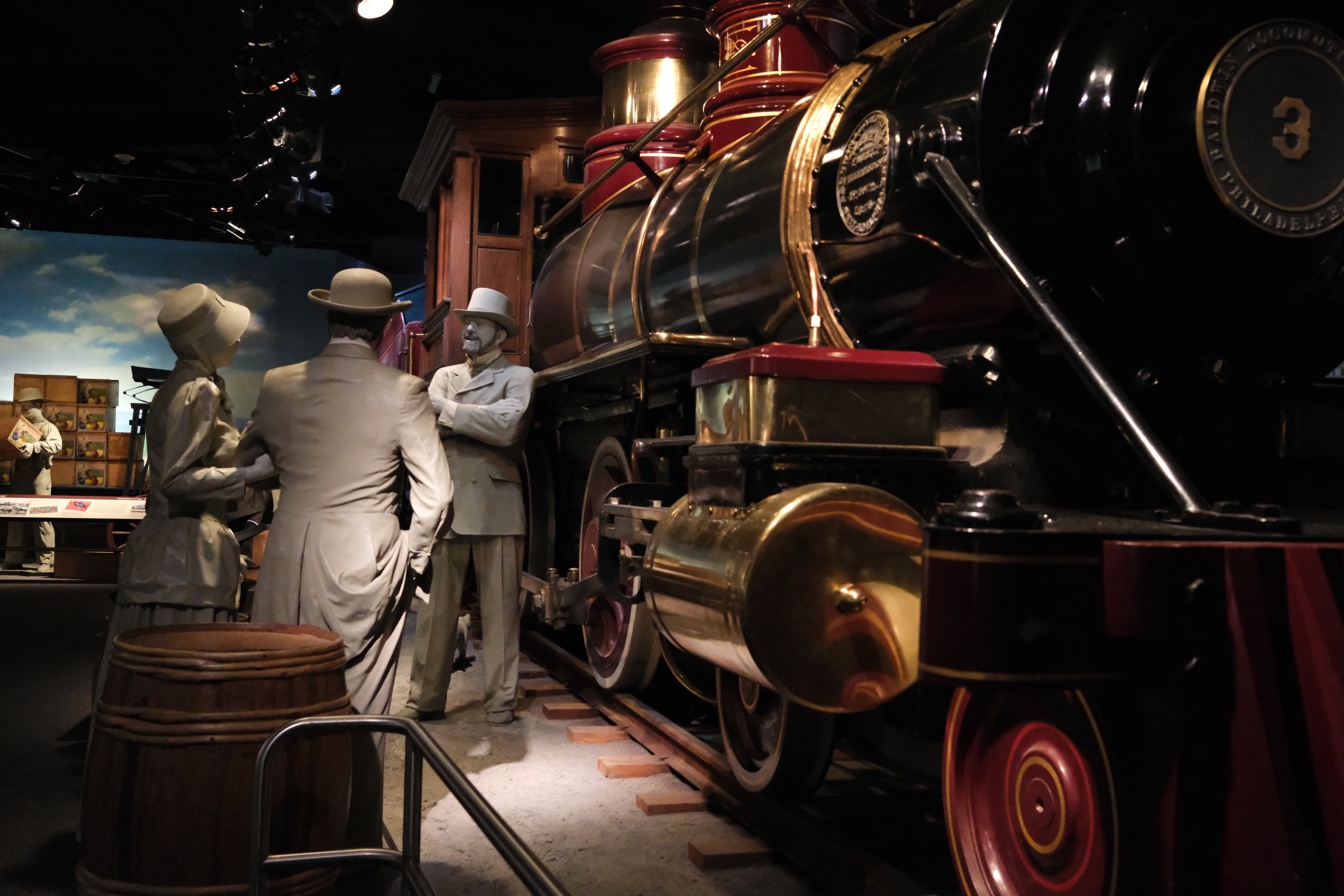
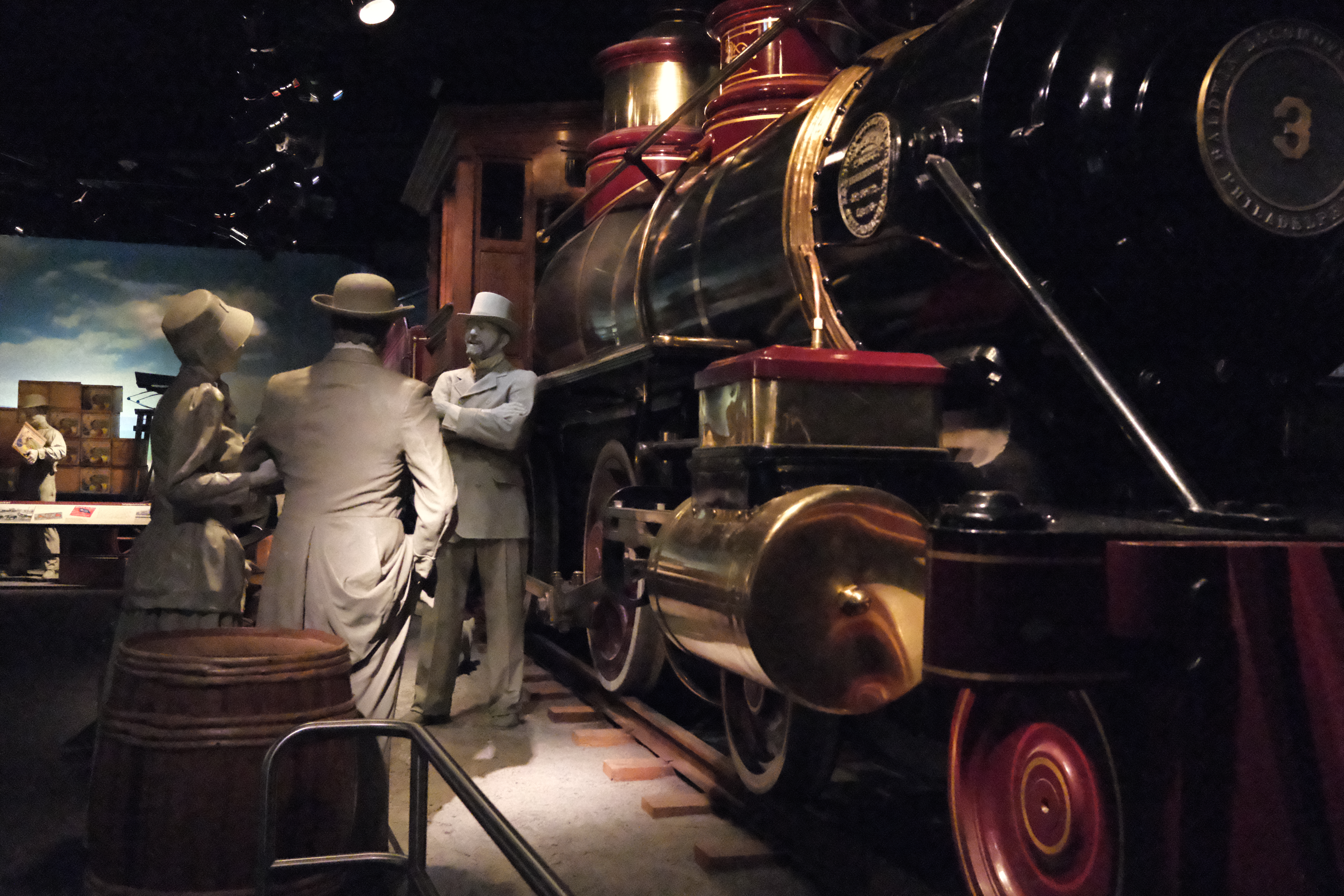
DxO has added compatibility with Fujifilm X100VI files across their product lines, including PureRAW 4. I ran some X100VI files through it to see the results.
DxO has just released new versions of their software products that include compatibility the Fujifilm X100VI RAW (.raf) files. That includes PureRAW 4.
Since I’ve been shooting quite a bit with the X100VI recently, it’s something I’ve been eager to try out. PureRAW is their app that applies denoising, demosaicing and other processing on RAW files (and only RAW files). It can be used as a standalone app or as a plugin with Lightroom/Photoshop for round-trip editing.1
I was particularly interested in seeing two things:
How much PureRAW might improve some of the high-ISO images coming out of the X100VI.
Whether its lens distortion and vignetting corrections might improve stitching for panoramas. There’s not a lot of distortion or vignetting with the X100VI’s lens — it’s a good lens. But there’s still room for improvement to make panorama stitching cleaner and easier.
Fujifilm X100VI RAW files in DxO PureRAW 4 tests
Here are some examples using both of the core processing methods available in PureRAW 4.
I shot all of these with the Fujifilm X100VI in RAW (firmware v.1.10). I processed them in PureRAW 4.2.0.2
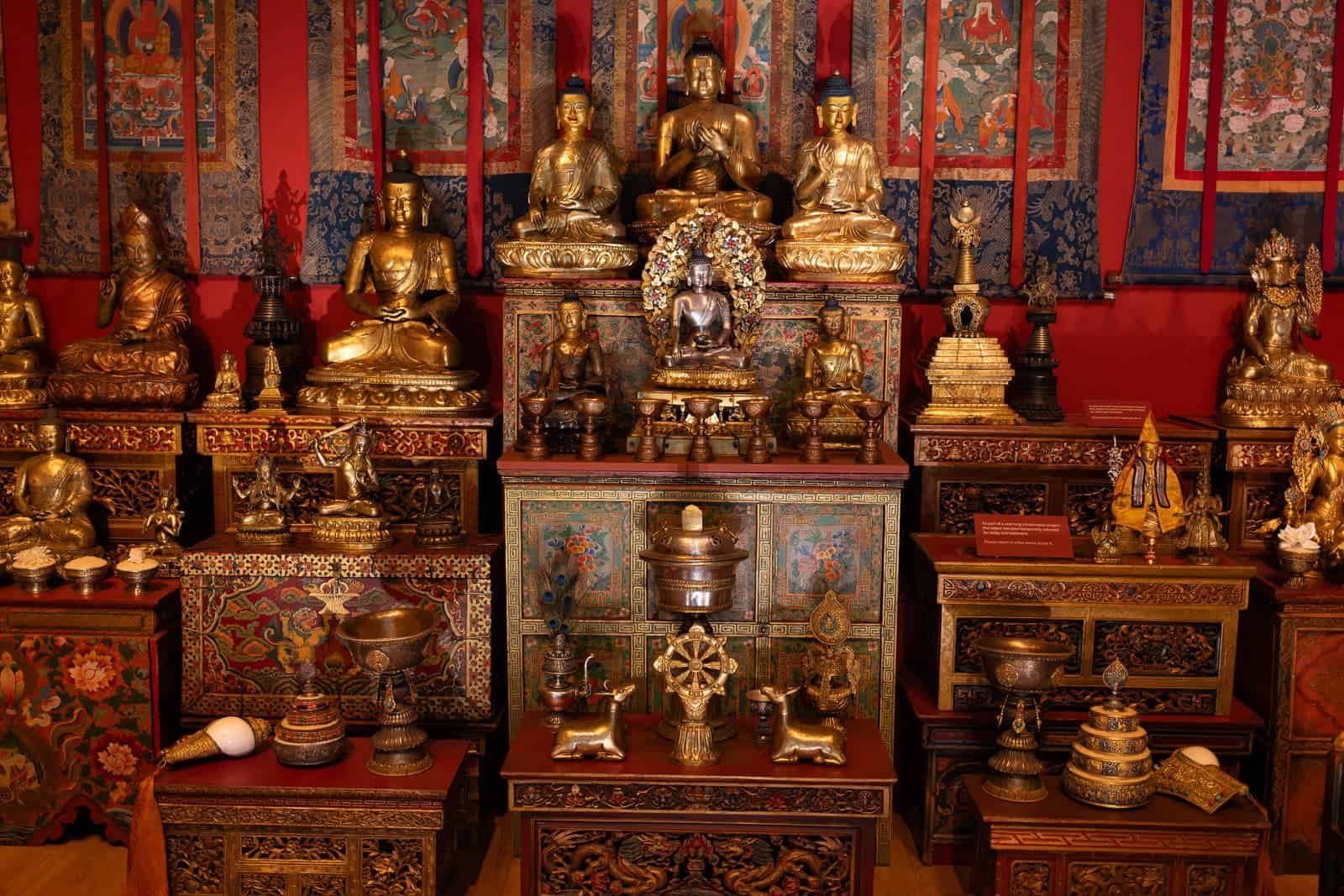
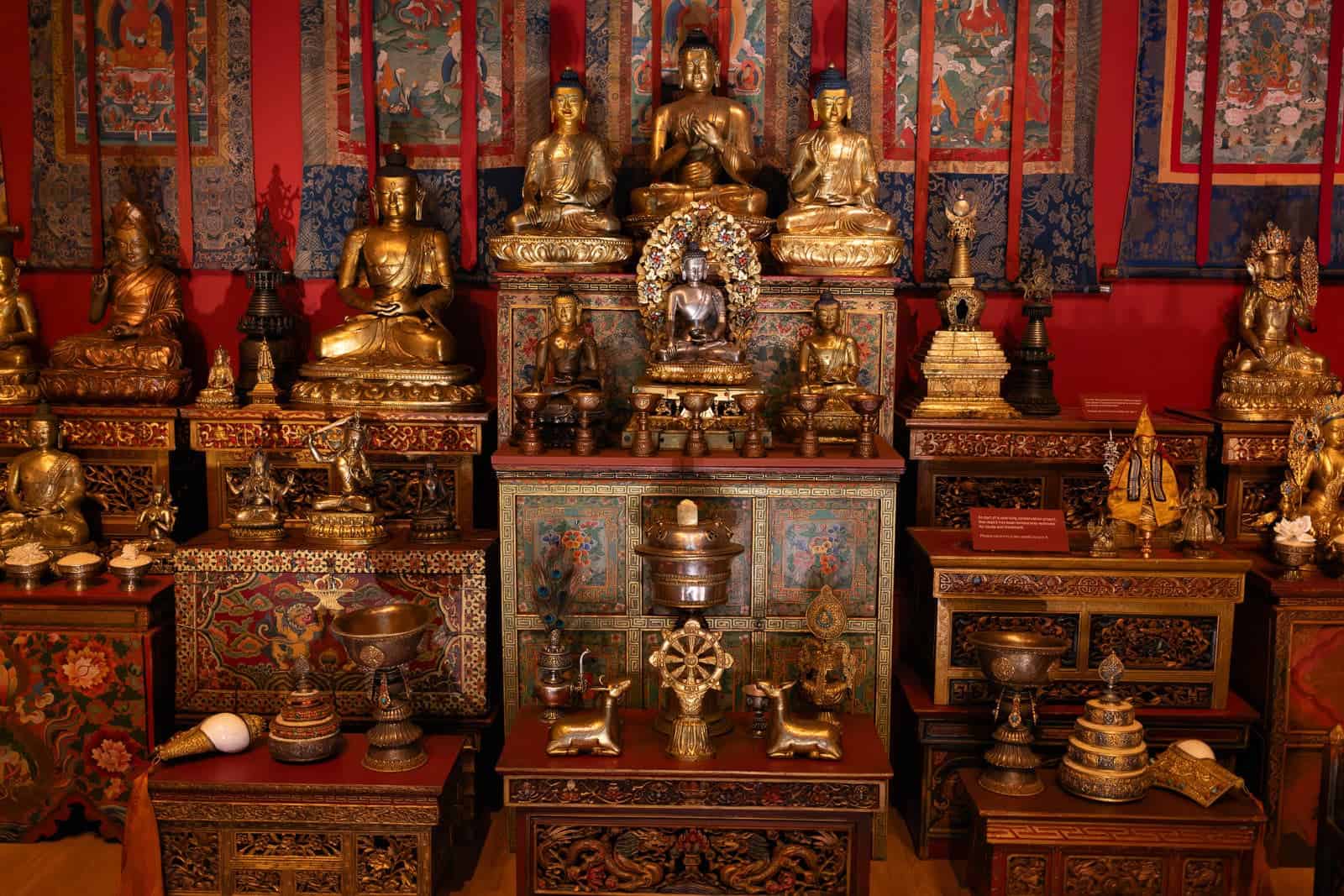
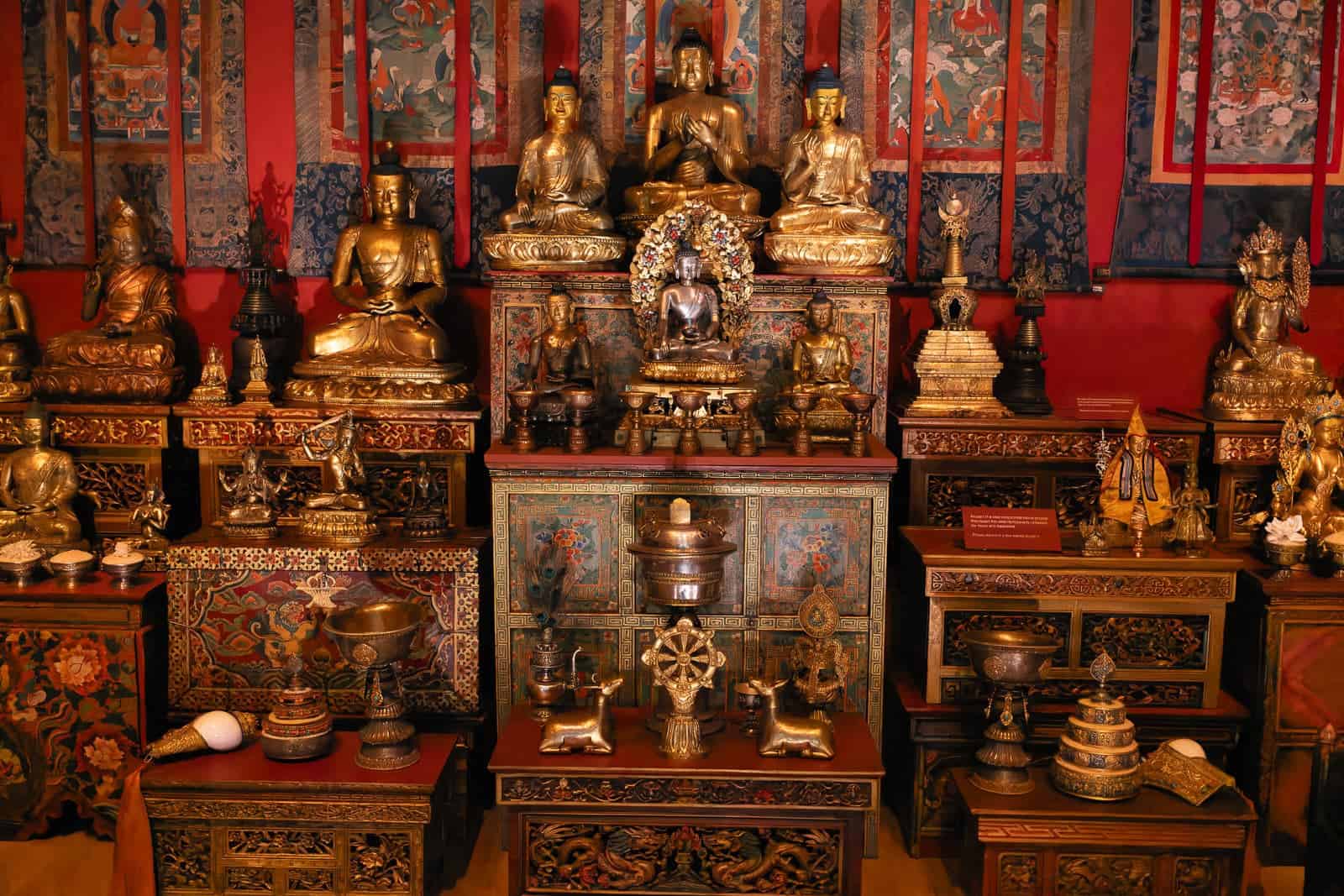
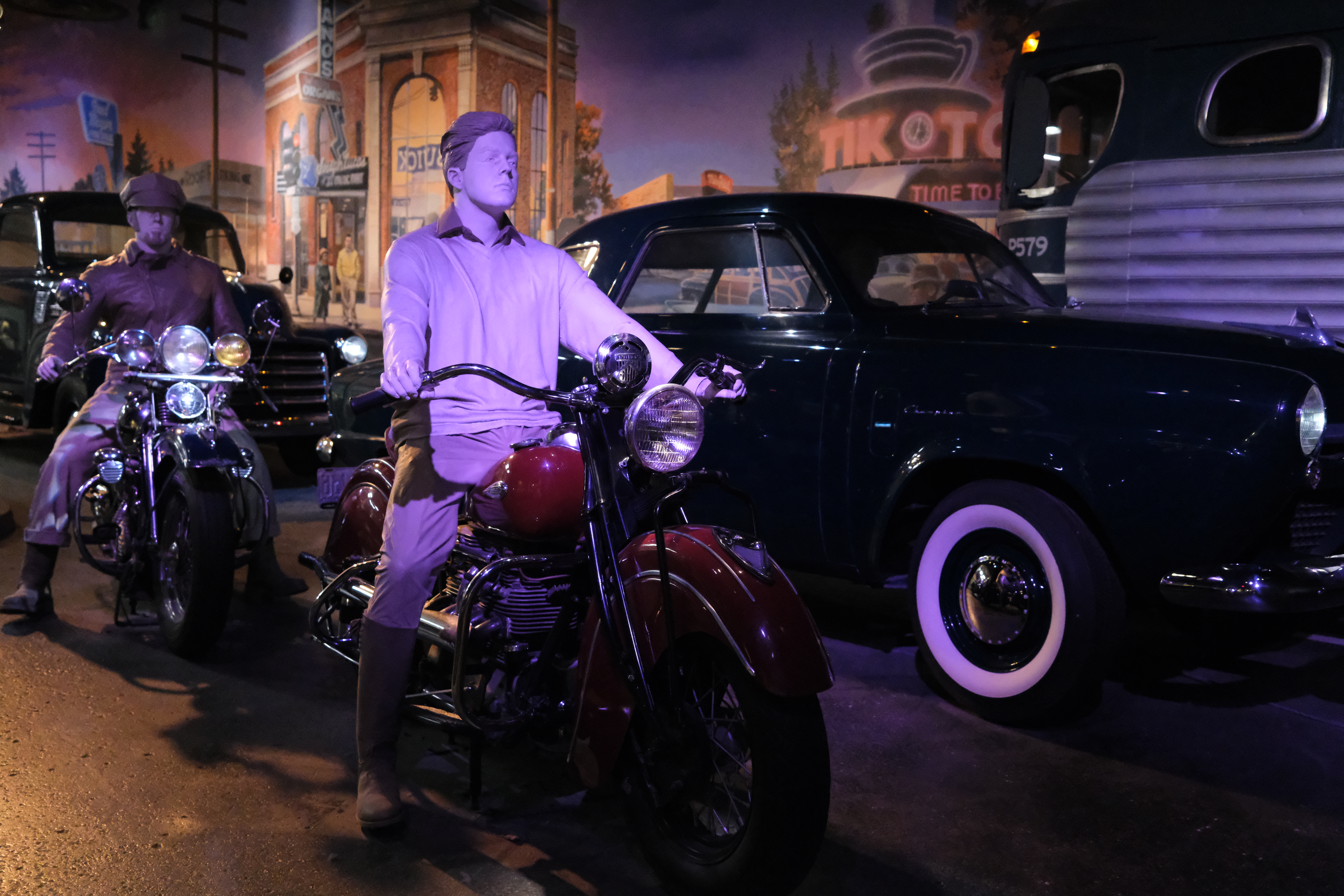
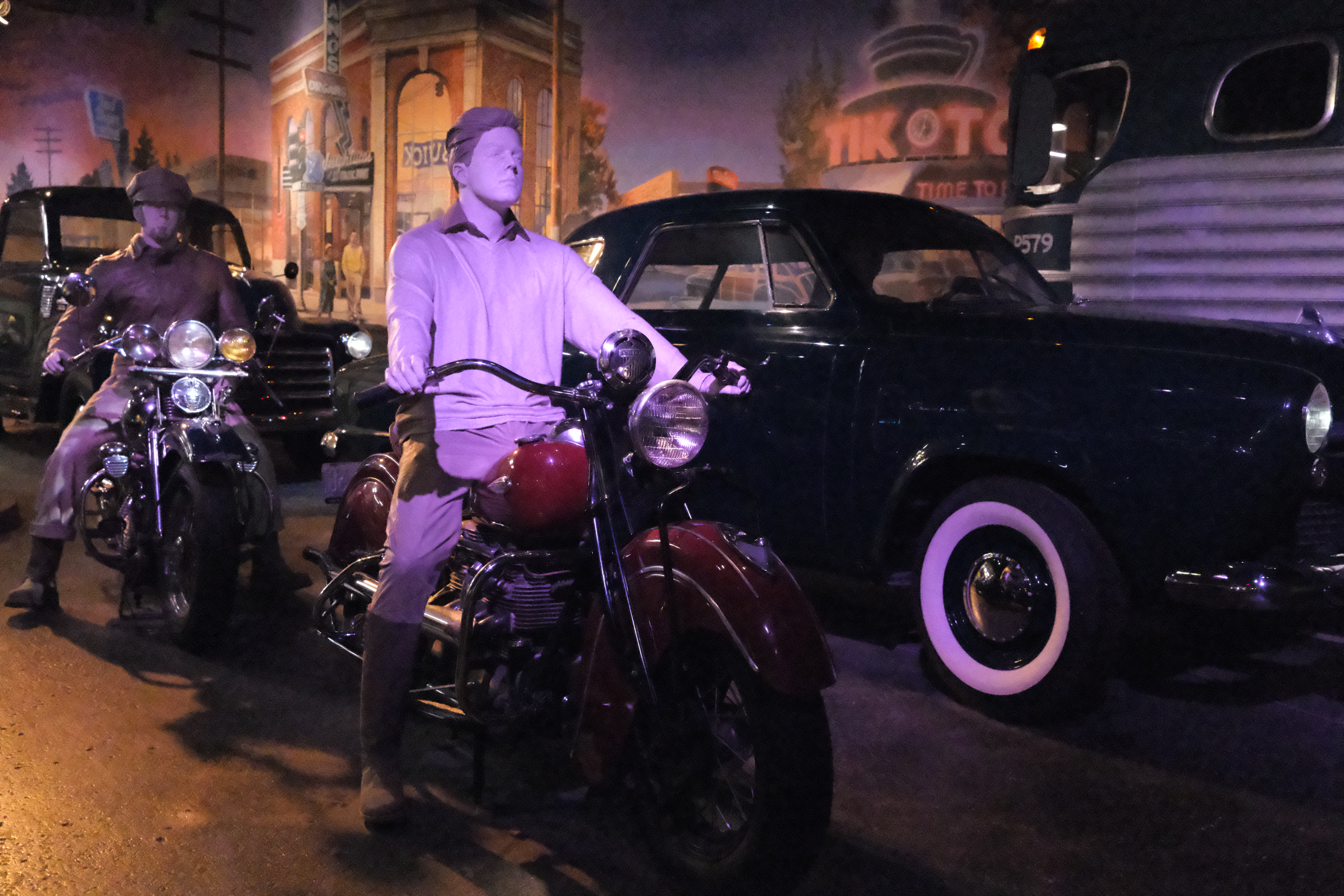
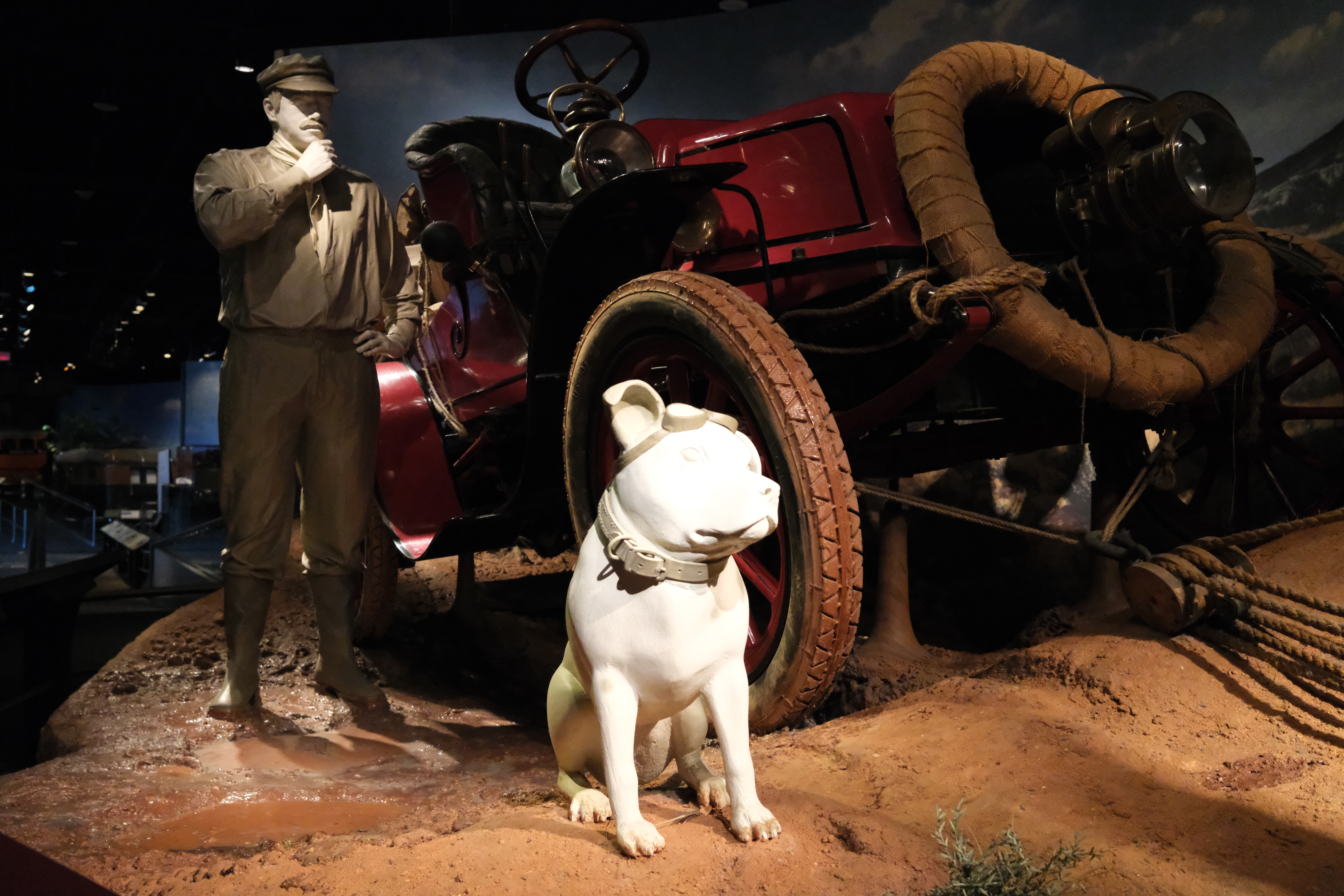
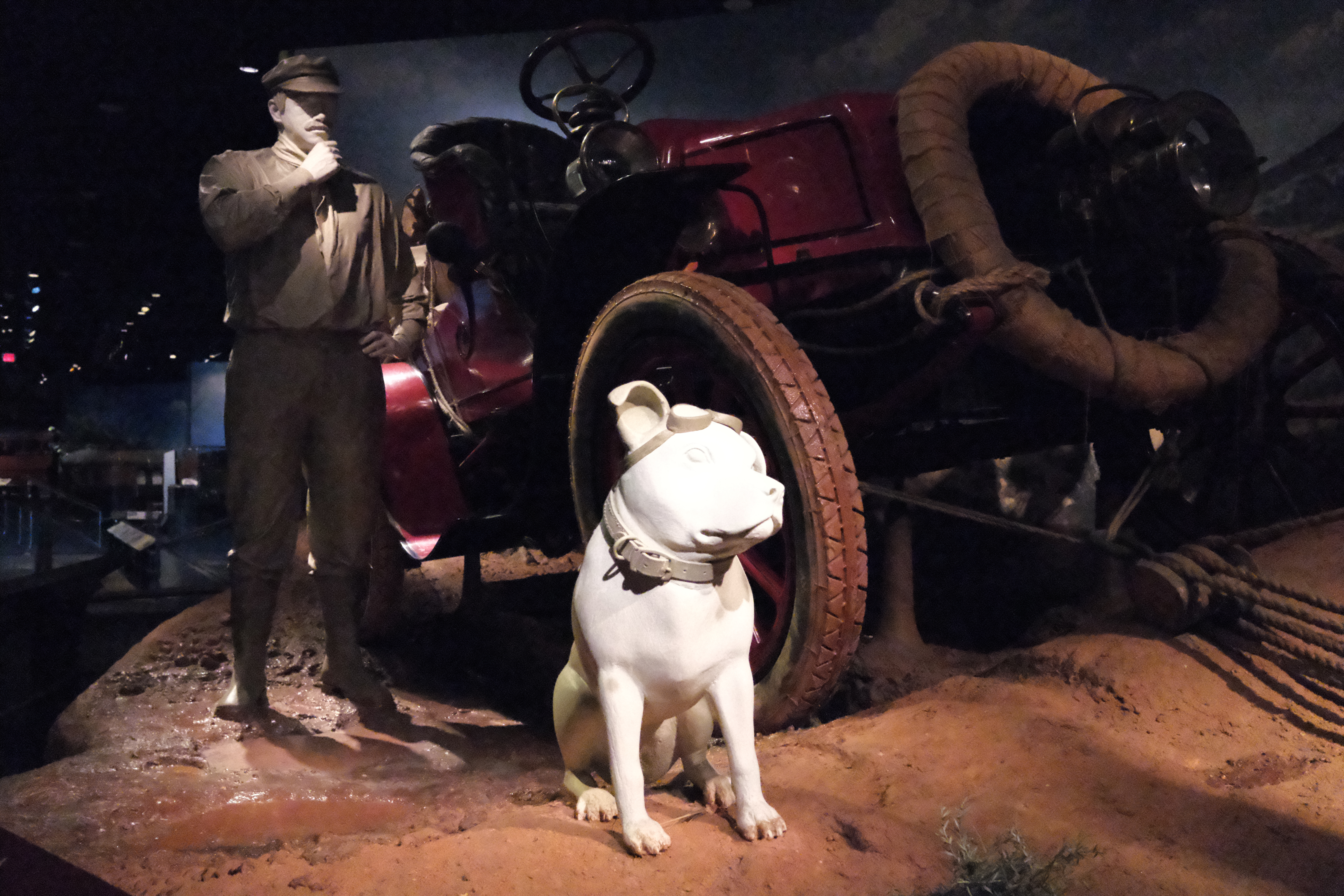
While I’ve embedded the processed versions below, they’re frankly not especially helpful when viewed at this small size. Much of the detail really isn’t visible unless you view it at 1:1 or near to it.
You can click on each image for a full-size version. But an even better option is to use the links in the caption of each image to download the original files. Some of them can be large filesizes — up to around 140MB — but it’s by far the best way to see accurate results and compare to the original out-of-camera versions.
The original RAW files for the images in this post are available to subscribers to my newsletter on the RAW file downloads page. The page is password-protected; the password is in the newsletter’s welcome email. The JPG versions linked in the captions stay free.
DeepPRIME
This is using the basic DeepPRIME method, the most basic method (and also the quickest) available in PureRAW 4. And because it applies less-intensive process, it’s also the quickest.
Have Camera Will Travel // Newsletter
Practical field notes, hands-on gear tests, and the fun of exploring the world with a camera in hand.
And while you might be forgiven for assuming that less processing means lower quality, that’s not always true. I find that I often prefer this method, because the more-intensive XD2 methods below can be prone to smearing artefacts in some cases.
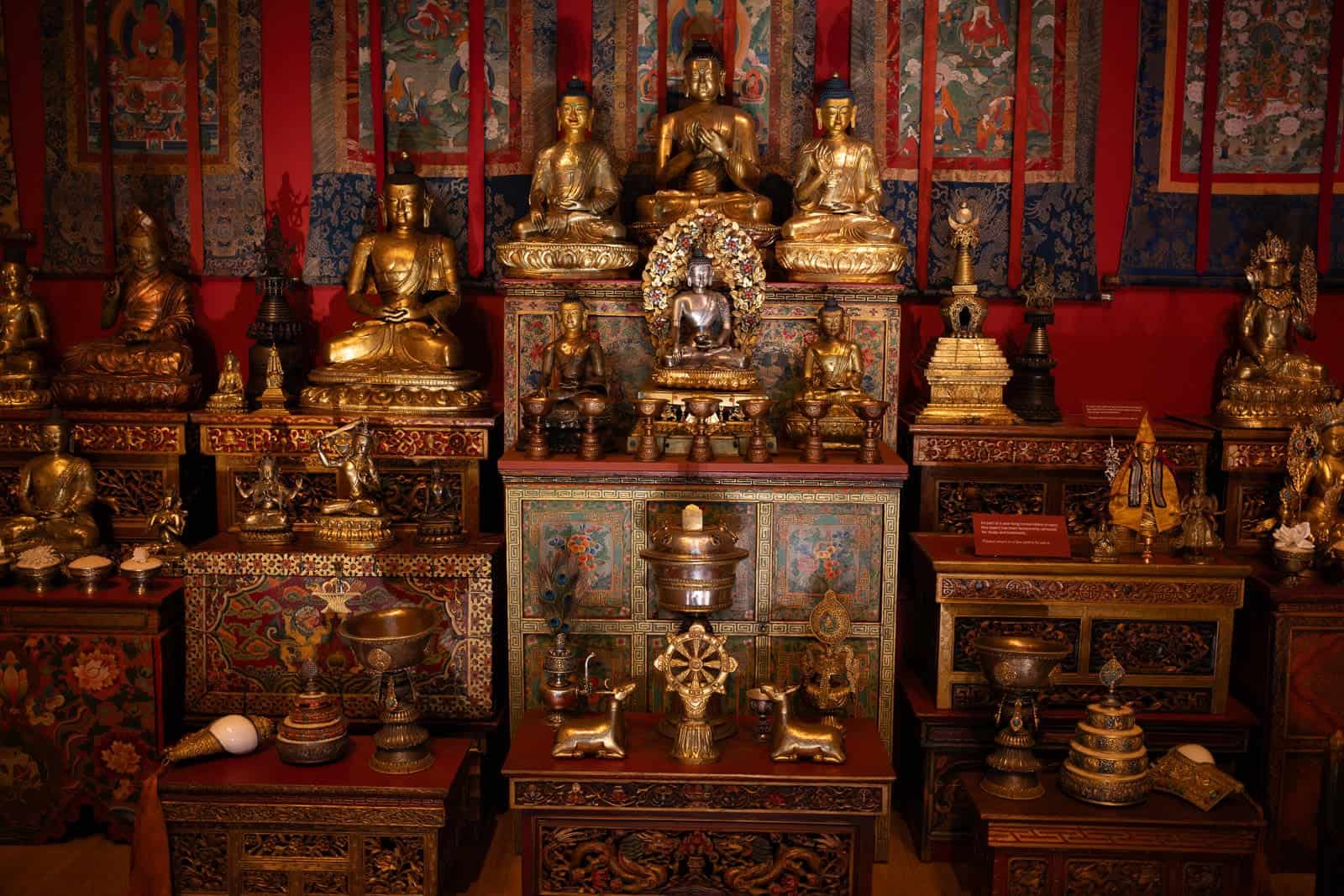
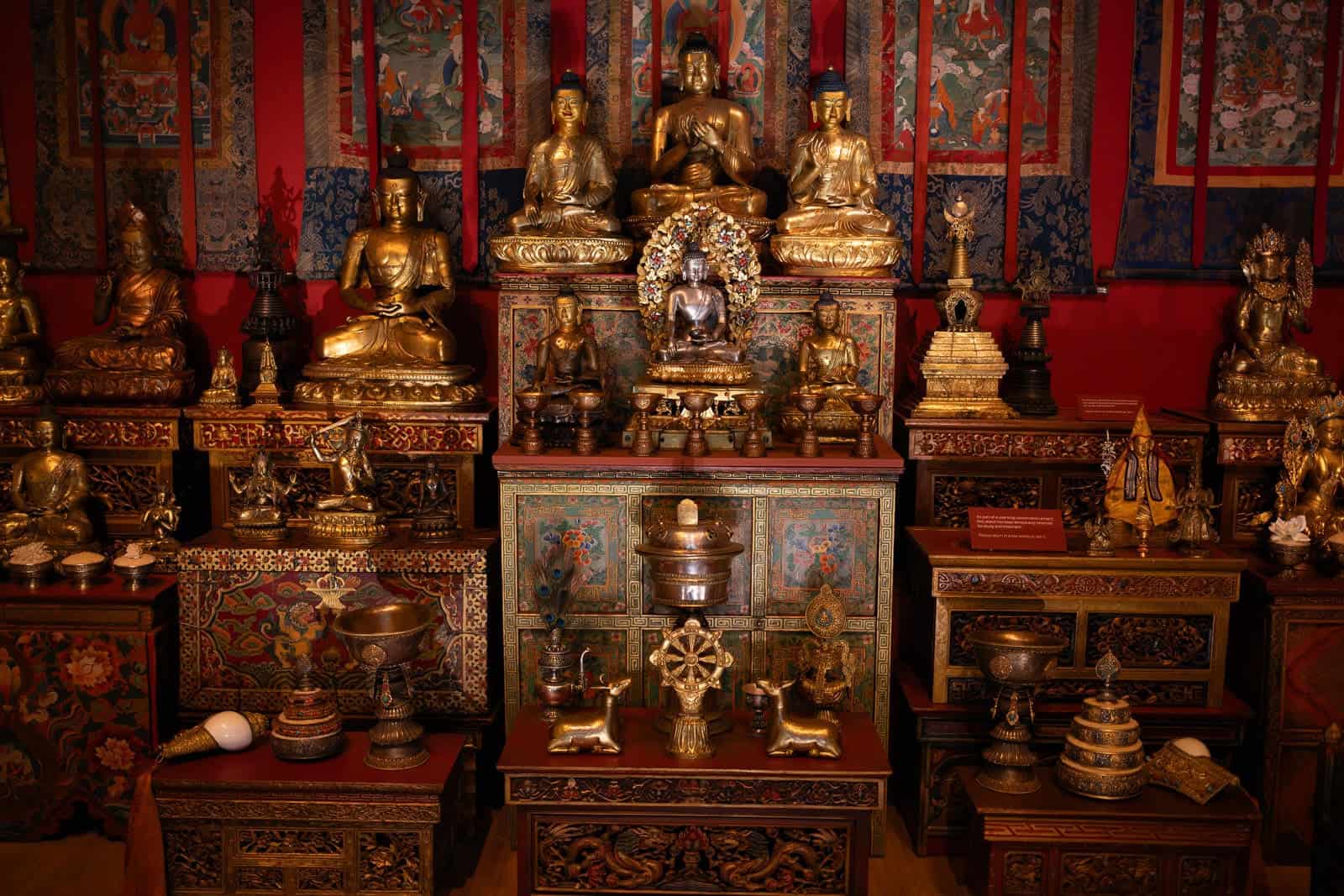
Taken with a Fujifilm X100VI. Exposure details: ISO: 6400; Aperture: ƒ/2; Shutter Speed: 1/140 sec; Exposure Compensation: 0 EV. Processed with DxO PureRAW 4.2.0 with these settings: DeepPRIME; Lens softness: Standard; Vignetting: On; Chromatic aberration: On; Lens distortion: On (image cropped to original ratio); Output format: DNG. You can download the original RAW and JPG versions directly out of the camera as well as the PureRAW DNG version: Original JPG; Original RAW (RAF) (subscribers); DxO PureRAW DNG (subscribers). Photo by David Coleman / Have Camera Will TravelTaken with a Fujifilm X100VI. Exposure details: ISO: 12800; Aperture: ƒ/2; Shutter Speed: 1/280 sec; Exposure Compensation: 0 EV. Processed with DxO PureRAW 4.2.0 with these settings: DeepPRIME; Lens softness: Standard; Vignetting: On; Chromatic aberration: On; Lens distortion: On (image cropped to original ratio); Output format: DNG. You can download the original RAW and JPG versions directly out of the camera as well as the PureRAW DNG version: Original JPG; Original RAW (RAF) (subscribers); DxO PureRAW DNG (subscribers). Photo by David Coleman / Have Camera Will TravelTaken with a Fujifilm X100VI. Exposure details: ISO: 51200; Aperture: ƒ/2; Shutter Speed: 1/1100 sec; Exposure Compensation: 0 EV. Processed with DxO PureRAW 4.2.0 with these settings: DeepPRIME; Lens softness: Standard; Vignetting: On; Chromatic aberration: On; Lens distortion: On (image cropped to original ratio); Output format: DNG. You can download the original RAW and JPG versions directly out of the camera as well as the PureRAW DNG version: Original JPG; Original RAW (RAF) (subscribers); DxO PureRAW DNG (subscribers). Photo by David Coleman / Have Camera Will TravelTaken with a Fujifilm X100VI. Exposure details: ISO: 6400; Aperture: ƒ/2.5; Shutter Speed: 1/120 sec; Exposure Compensation: -0.67 EV. Processed with DxO PureRAW 4.2.0 with these settings: DeepPRIME; Lens softness: Standard; Vignetting: On; Chromatic aberration: On; Lens distortion: On (image cropped to original ratio); Output format: DNG. You can download the original RAW and JPG versions directly out of the camera as well as the PureRAW DNG version: Original JPG; Original RAW (RAF) (subscribers); DxO PureRAW DNG (subscribers). Photo by David Coleman / Have Camera Will TravelTaken with a Fujifilm X100VI. Exposure details: ISO: 12800; Aperture: ƒ/3.2; Shutter Speed: 1/160 sec; Exposure Compensation: -0.67 EV. Processed with DxO PureRAW 4.2.0 with these settings: DeepPRIME; Lens softness: Standard; Vignetting: On; Chromatic aberration: On; Lens distortion: On (image cropped to original ratio); Output format: DNG. You can download the original RAW and JPG versions directly out of the camera as well as the PureRAW DNG version: Original JPG; Original RAW (RAF) (subscribers); DxO PureRAW DNG (subscribers). Photo by David Coleman / Have Camera Will TravelTaken with a Fujifilm X100VI. Exposure details: ISO: 51200; Aperture: ƒ/4.5; Shutter Speed: 1/320 sec; Exposure Compensation: -0.67 EV. Processed with DxO PureRAW 4.2.0 with these settings: DeepPRIME; Lens softness: Standard; Vignetting: On; Chromatic aberration: On; Lens distortion: On (image cropped to original ratio); Output format: DNG. You can download the original RAW and JPG versions directly out of the camera as well as the PureRAW DNG version: Original JPG; Original RAW (RAF) (subscribers); DxO PureRAW DNG (subscribers). Photo by David Coleman / Have Camera Will TravelTaken with a Fujifilm X100VI. Exposure details: ISO: 6400; Aperture: ƒ/3.6; Shutter Speed: 1/220 sec; Exposure Compensation: -1 EV. Processed with DxO PureRAW 4.2.0 with these settings: DeepPRIME; Lens softness: Standard; Vignetting: On; Chromatic aberration: On; Lens distortion: On (image cropped to original ratio); Output format: DNG. You can download the original RAW and JPG versions directly out of the camera as well as the PureRAW DNG version: Original JPG; Original RAW (RAF) (subscribers); DxO PureRAW DNG (subscribers). Photo by David Coleman / Have Camera Will TravelTaken with a Fujifilm X100VI. Exposure details: ISO: 12800; Aperture: ƒ/4.5; Shutter Speed: 1/280 sec; Exposure Compensation: -1 EV. Processed with DxO PureRAW 4.2.0 with these settings: DeepPRIME; Lens softness: Standard; Vignetting: On; Chromatic aberration: On; Lens distortion: On (image cropped to original ratio); Output format: DNG. You can download the original RAW and JPG versions directly out of the camera as well as the PureRAW DNG version: Original JPG; Original RAW (RAF) (subscribers); DxO PureRAW DNG (subscribers). Photo by David Coleman / Have Camera Will TravelTaken with a Fujifilm X100VI. Exposure details: ISO: 51200; Aperture: ƒ/5.6; Shutter Speed: 1/750 sec; Exposure Compensation: -1 EV. Processed with DxO PureRAW 4.2.0 with these settings: DeepPRIME; Lens softness: Standard; Vignetting: On; Chromatic aberration: On; Lens distortion: On (image cropped to original ratio); Output format: DNG. You can download the original RAW and JPG versions directly out of the camera as well as the PureRAW DNG version: Original JPG; Original RAW (RAF) (subscribers); DxO PureRAW DNG (subscribers). Photo by David Coleman / Have Camera Will TravelTaken with a Fujifilm X100VI. Exposure details: ISO: 6400; Aperture: ƒ/2.8; Shutter Speed: 1/140 sec; Exposure Compensation: -0.67 EV. Processed with DxO PureRAW 4.2.0 with these settings: DeepPRIME; Lens softness: Standard; Vignetting: On; Chromatic aberration: On; Lens distortion: On (image cropped to original ratio); Output format: DNG. You can download the original RAW and JPG versions directly out of the camera as well as the PureRAW DNG version: Original JPG; Original RAW (RAF) (subscribers); DxO PureRAW DNG (subscribers). Photo by David Coleman / Have Camera Will TravelTaken with a Fujifilm X100VI. Exposure details: ISO: 12800; Aperture: ƒ/3.6; Shutter Speed: 1/160 sec; Exposure Compensation: -0.67 EV. Processed with DxO PureRAW 4.2.0 with these settings: DeepPRIME; Lens softness: Standard; Vignetting: On; Chromatic aberration: On; Lens distortion: On (image cropped to original ratio); Output format: DNG. You can download the original RAW and JPG versions directly out of the camera as well as the PureRAW DNG version: Original JPG; Original RAW (RAF) (subscribers); DxO PureRAW DNG (subscribers). Photo by David Coleman / Have Camera Will TravelTaken with a Fujifilm X100VI. Exposure details: ISO: 51200; Aperture: ƒ/4.5; Shutter Speed: 1/400 sec; Exposure Compensation: -0.67 EV. Processed with DxO PureRAW 4.2.0 with these settings: DeepPRIME; Lens softness: Standard; Vignetting: On; Chromatic aberration: On; Lens distortion: On (image cropped to original ratio); Output format: DNG. You can download the original RAW and JPG versions directly out of the camera as well as the PureRAW DNG version: Original JPG; Original RAW (RAF) (subscribers); DxO PureRAW DNG (subscribers). Photo by David Coleman / Have Camera Will Travel
DeepPRIME XD2 / XD
This is using the more advanced (and slower) DeepPRIME XD2 / XD.
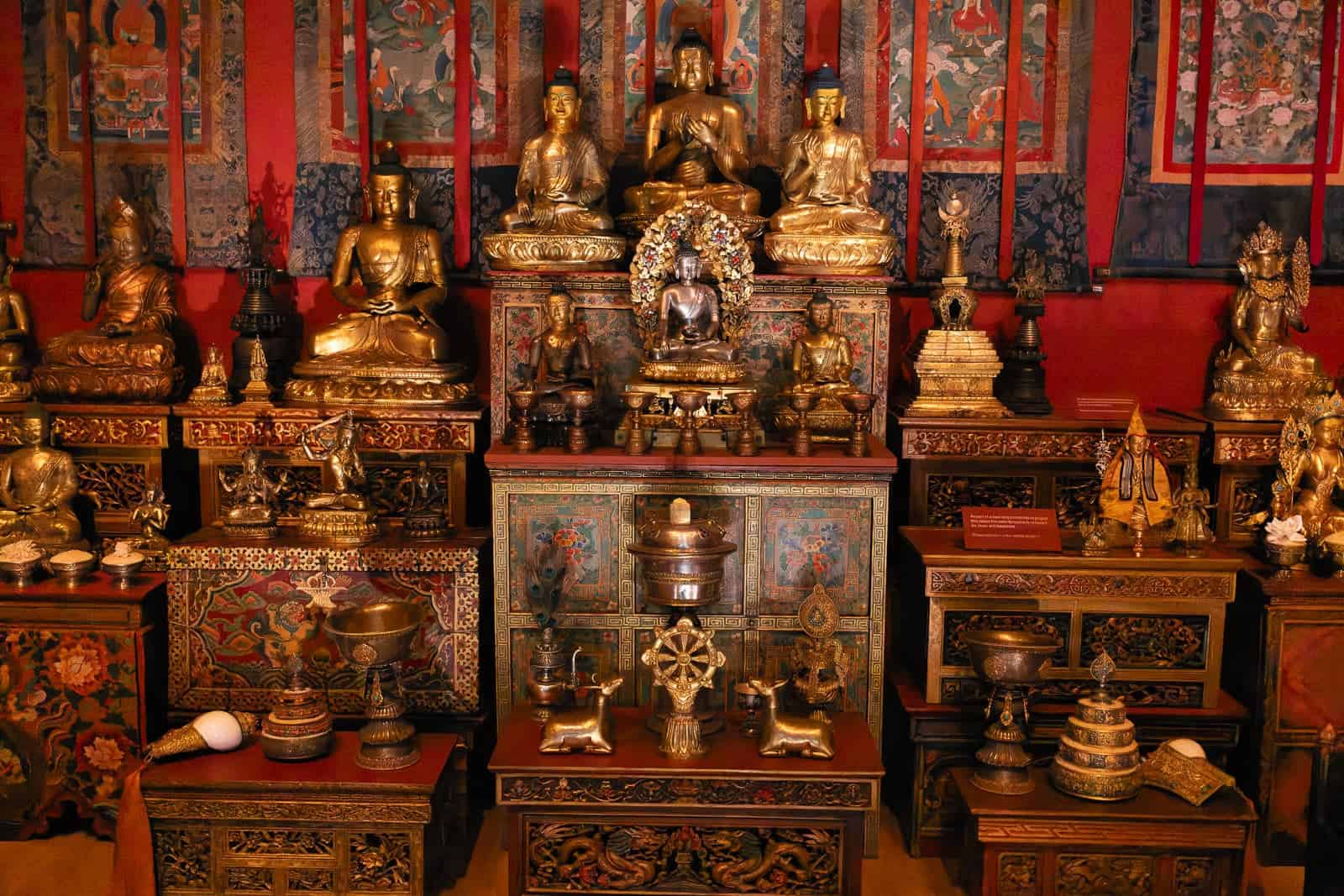
Taken with a Fujifilm X100VI. Exposure details: ISO: 6400; Aperture: ƒ/2; Shutter Speed: 1/140 sec; Exposure Compensation: 0 EV. Processed with DxO PureRAW 4.2.0 with these settings: DeepPRIME XD2/XD; Lens softness: Standard; Vignetting: On; Chromatic aberration: On; Lens distortion: On (image cropped to original ratio); Output format: DNG. You can download the original RAW and JPG versions directly out of the camera as well as the PureRAW DNG version: Original JPG; Original RAW (RAF) (subscribers); DxO PureRAW DNG (subscribers). Photo by David Coleman / Have Camera Will Travel
Taken with a Fujifilm X100VI. Exposure details: ISO: 12800; Aperture: ƒ/2; Shutter Speed: 1/280 sec; Exposure Compensation: 0 EV. Processed with DxO PureRAW 4.2.0 with these settings: DeepPRIME XD2/XD; Lens softness: Standard; Vignetting: On; Chromatic aberration: On; Lens distortion: On (image cropped to original ratio); Output format: DNG. You can download the original RAW and JPG versions directly out of the camera as well as the PureRAW DNG version: Original JPG; Original RAW (RAF) (subscribers); DxO PureRAW DNG (subscribers). Photo by David Coleman / Have Camera Will Travel
Taken with a Fujifilm X100VI. Exposure details: ISO: 51200; Aperture: ƒ/2; Shutter Speed: 1/1100 sec; Exposure Compensation: 0 EV. Processed with DxO PureRAW 4.2.0 with these settings: DeepPRIME XD2/XD; Lens softness: Standard; Vignetting: On; Chromatic aberration: On; Lens distortion: On (image cropped to original ratio); Output format: DNG. You can download the original RAW and JPG versions directly out of the camera as well as the PureRAW DNG version: Original JPG; Original RAW (RAF) (subscribers); DxO PureRAW DNG (subscribers). Photo by David Coleman / Have Camera Will Travel
Taken with a Fujifilm X100VI. Exposure details: ISO: 6400; Aperture: ƒ/2.5; Shutter Speed: 1/120 sec; Exposure Compensation: -0.67 EV. Processed with DxO PureRAW 4.2.0 with these settings: DeepPRIME XD2/XD; Lens softness: Standard; Vignetting: On; Chromatic aberration: On; Lens distortion: On (image cropped to original ratio); Output format: DNG. You can download the original RAW and JPG versions directly out of the camera as well as the PureRAW DNG version: Original JPG; Original RAW (RAF) (subscribers); DxO PureRAW DNG (subscribers). Photo by David Coleman / Have Camera Will Travel
Taken with a Fujifilm X100VI. Exposure details: ISO: 12800; Aperture: ƒ/3.2; Shutter Speed: 1/160 sec; Exposure Compensation: -0.67 EV. Processed with DxO PureRAW 4.2.0 with these settings: DeepPRIME XD2/XD; Lens softness: Standard; Vignetting: On; Chromatic aberration: On; Lens distortion: On (image cropped to original ratio); Output format: DNG. You can download the original RAW and JPG versions directly out of the camera as well as the PureRAW DNG version: Original JPG; Original RAW (RAF) (subscribers); DxO PureRAW DNG (subscribers). Photo by David Coleman / Have Camera Will Travel
Taken with a Fujifilm X100VI. Exposure details: ISO: 51200; Aperture: ƒ/4.5; Shutter Speed: 1/320 sec; Exposure Compensation: -0.67 EV. Processed with DxO PureRAW 4.2.0 with these settings: DeepPRIME XD2/XD; Lens softness: Standard; Vignetting: On; Chromatic aberration: On; Lens distortion: On (image cropped to original ratio); Output format: DNG. You can download the original RAW and JPG versions directly out of the camera as well as the PureRAW DNG version: Original JPG; Original RAW (RAF) (subscribers); DxO PureRAW DNG (subscribers). Photo by David Coleman / Have Camera Will Travel
Taken with a Fujifilm X100VI. Exposure details: ISO: 6400; Aperture: ƒ/3.6; Shutter Speed: 1/220 sec; Exposure Compensation: -1 EV. Processed with DxO PureRAW 4.2.0 with these settings: DeepPRIME XD2/XD; Lens softness: Standard; Vignetting: On; Chromatic aberration: On; Lens distortion: On (image cropped to original ratio); Output format: DNG. You can download the original RAW and JPG versions directly out of the camera as well as the PureRAW DNG version: Original JPG; Original RAW (RAF) (subscribers); DxO PureRAW DNG (subscribers). Photo by David Coleman / Have Camera Will Travel
Taken with a Fujifilm X100VI. Exposure details: ISO: 12800; Aperture: ƒ/4.5; Shutter Speed: 1/280 sec; Exposure Compensation: -1 EV. Processed with DxO PureRAW 4.2.0 with these settings: DeepPRIME XD2/XD; Lens softness: Standard; Vignetting: On; Chromatic aberration: On; Lens distortion: On (image cropped to original ratio); Output format: DNG. You can download the original RAW and JPG versions directly out of the camera as well as the PureRAW DNG version: Original JPG; Original RAW (RAF) (subscribers); DxO PureRAW DNG (subscribers). Photo by David Coleman / Have Camera Will Travel
Taken with a Fujifilm X100VI. Exposure details: ISO: 51200; Aperture: ƒ/5.6; Shutter Speed: 1/750 sec; Exposure Compensation: -1 EV. Processed with DxO PureRAW 4.2.0 with these settings: DeepPRIME XD2/XD; Lens softness: Standard; Vignetting: On; Chromatic aberration: On; Lens distortion: On (image cropped to original ratio); Output format: DNG. You can download the original RAW and JPG versions directly out of the camera as well as the PureRAW DNG version: Original JPG; Original RAW (RAF) (subscribers); DxO PureRAW DNG (subscribers). Photo by David Coleman / Have Camera Will Travel
Taken with a Fujifilm X100VI. Exposure details: ISO: 6400; Aperture: ƒ/2.8; Shutter Speed: 1/140 sec; Exposure Compensation: -0.67 EV. Processed with DxO PureRAW 4.2.0 with these settings: DeepPRIME XD2/XD; Lens softness: Standard; Vignetting: On; Chromatic aberration: On; Lens distortion: On (image cropped to original ratio); Output format: DNG. You can download the original RAW and JPG versions directly out of the camera as well as the PureRAW DNG version: Original JPG; Original RAW (RAF) (subscribers); DxO PureRAW DNG (subscribers). Photo by David Coleman / Have Camera Will Travel
Taken with a Fujifilm X100VI. Exposure details: ISO: 12800; Aperture: ƒ/3.6; Shutter Speed: 1/160 sec; Exposure Compensation: -0.67 EV. Processed with DxO PureRAW 4.2.0 with these settings: DeepPRIME XD2/XD; Lens softness: Standard; Vignetting: On; Chromatic aberration: On; Lens distortion: On (image cropped to original ratio); Output format: DNG. You can download the original RAW and JPG versions directly out of the camera as well as the PureRAW DNG version: Original JPG; Original RAW (RAF) (subscribers); DxO PureRAW DNG (subscribers). Photo by David Coleman / Have Camera Will Travel
Taken with a Fujifilm X100VI. Exposure details: ISO: 51200; Aperture: ƒ/4.5; Shutter Speed: 1/400 sec; Exposure Compensation: -0.67 EV. Processed with DxO PureRAW 4.2.0 with these settings: DeepPRIME XD2/XD; Lens softness: Standard; Vignetting: On; Chromatic aberration: On; Lens distortion: On (image cropped to original ratio); Output format: DNG. You can download the original RAW and JPG versions directly out of the camera as well as the PureRAW DNG version: Original JPG; Original RAW (RAF) (subscribers); DxO PureRAW DNG (subscribers). Photo by David Coleman / Have Camera Will Travel
Wrap UP
I have been running many of my images from my other cameras through PureRAW more regularly in recent months now that some of its workflow has been improved (but still isn’t perfect). And I find that the results I’m getting are, most of the time, excellent (with some exceptions).
But my aim here isn’t to convince you to use PureRAW or not use it. Every photographer has their own set of preferences and tastes. And whether the results fit yours is something only you can decide.
But I thought some other X100VI shooters might find it helpful to see some real-world results to judge for themselves whether it might be useful in their own workflow. And it’s something you really have to decide after seeing the visual results. Which is why I thought it might be useful to post them here.
Notes & References:
For reasons I still don’t fully understand, PureRAW doesn’t do true round-trip editing from Lightroom, and that’s one of my biggest criticisms and frustrations with it. But in the recent version, they’ve improved the workflow so that it approximates round-trip editing. That said, there are some limitations, such as the resulting images not being automatically stacked with the originals and IPTC metadata not being transferred across. [↩︎]
You’ll need at least version 4.2.0 to have the X100VI compatibility; it was rolled out in late May 2024. [↩︎]
Found this helpful? Personalize your search results.