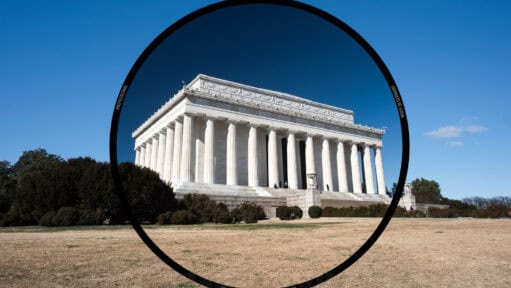
Why You Only Need One Polarizer Filter
Here's an old trick to save money and get better results at the same time.
Gear reviews and how-to guides for on lenses digital cameras.
Here's an old trick to save money and get better results at the same time.

A collection of real-world Fujifilm GFX100RF sample images, shot with its fixed 28mm-equivalent f/4 lens and no in-body stabilization, each with the exact exposure settings used to keep them sharp.
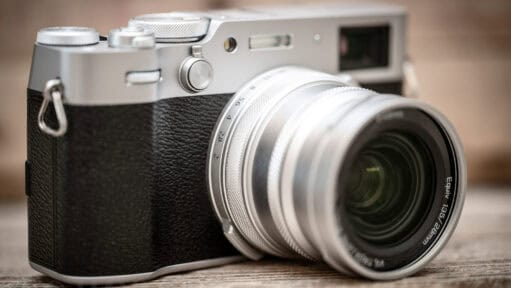
I've been shooting with the Viltrox WCL-X100VI wide-angle conversion lens on my Fujifilm X100VI, and here's what I've found.

There's still no native Nikon Z-mount fisheye, but an old discontinued F-mount lens paired with the FTZ adapter turns out to be a genuinely strong option on the Z8. Here's what you gain, what you lose, and how it stacks up against the newer third-party Z-mount fisheyes.

I've written a full technical review of the TTArtisan Tilt 50mm f/1.4 separately, but I wanted to include here a larger collection of sample images.

Tilt lenses are definitely niche, but they allow you to aggressively manipulate the focus plane to create that fun "miniature" optical illusion. The TTArtisan Tilt 50mm f/1.4 is an affordable, all-metal manual lens designed exactly for this creative purpose. I took it for a spin handheld to see if this $229 lens could deliver that eye-catching diorama look without the high price tag of traditional architectural glass.

A collection of handheld sample images from the Laowa 8-15mm f/2.8 FF Zoom Fisheye on a Nikon Z8, shot in RAW at f/2.8 and f/4 with no distortion corrections applied, showing what this manual-focus zoom fisheye actually delivers.
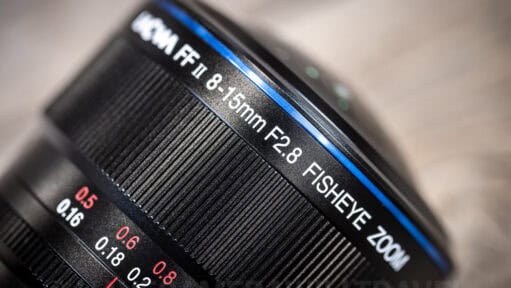
The Laowa 8-15mm f2.8 is a full-frame zoom fisheye lens that comes with various common lens mounts. I've been shooting with it, and here's my take.

Here are some high-resolution sample images to go along with my review of the Meike 85mm f1.4 AF Z fast prime lens.
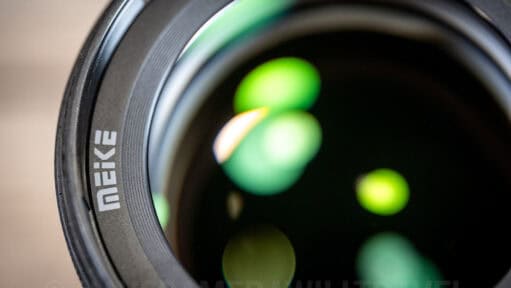
I've been shooting with the Meike 85mm f1.4 AF Z fast prime lens. The price is certainly attractive. It's optics are very good. My biggest quibble with it is the speed and reliability of the autofocus.
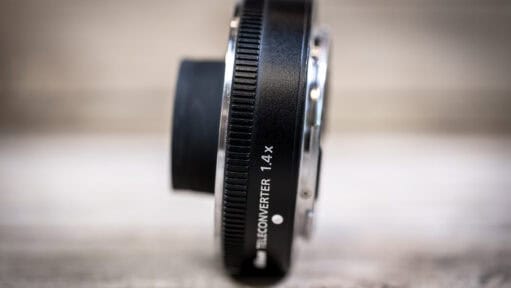
Want to turn your 200mm lens into a 280mm or 400mm monster without spending thousands on new glass? A teleconverter might be the answer. But before you buy, you need to understand the 'optical tax' involved — specifically regarding light loss and autofocus speed.
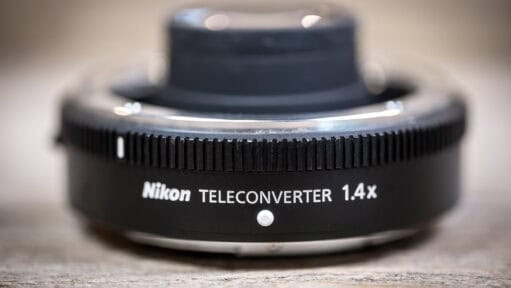
My experiences with teleconverters over the years haven't been great. But this new Nikon Z 1.4x teleconverter surprised me.
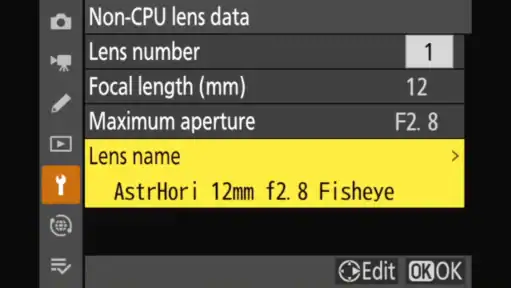
Using a manual-focus lens on a Nikon Z? Here's what a non-CPU lens actually is, and a step-by-step walkthrough of the Non-CPU Lens Data menu that sharpens IBIS, Auto ISO, and your image metadata.

I've been testing the TTArtisan 11mm f/2.8, a full-frame fisheye with manual focus and manual aperture. Here are some more sample images I've taken with it to go along with my detailed hands-on review.

Here's my hands-on review after shooting with the TTArtisan 11mm f/2.8 full-frame fisheye lens.
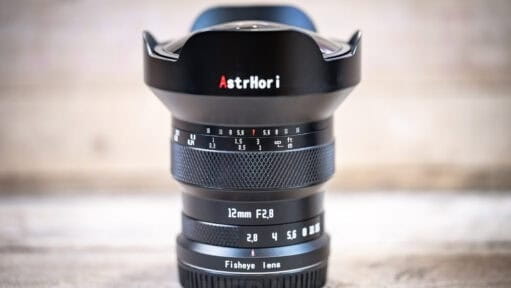
The AstrHori 12mm f/2.8 fisheye is a fast full-frame fisheye lens. It's an entirely analog lens with manual focus and manual aperture. I've been out shooting with it, and here's my take on it.

The Viltrox AF 28mm f/4.5 Z is a fixed-aperture full-frame lens that is absolutely tiny. It's an interesting option for street and travel photography.
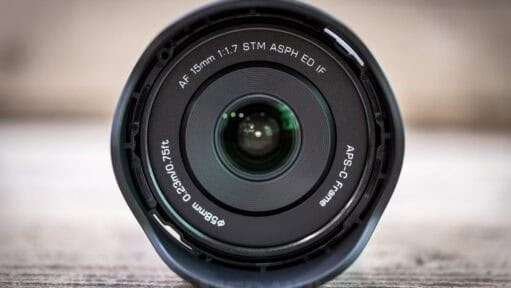
The Viltrox AF 15mm f1.7 Air lens is small, light, pleasingly sharp, and certainly priced attractively. After shooting with it, here's my detailed take on it.

After years shooting the heavier AF-S 14-24mm f/2.8G, this Z-mount version became a lens I actually look forward to using. Here's a large set of real-world sample images shot on a Nikon Z8, with notes on how it compares to the AF-S original and the Z 14-30mm f/4 S.

Here's a collection of sample images I've taken with the Viltrox AF 24mm f1.8 Z to go along with my detailed hands-on review.
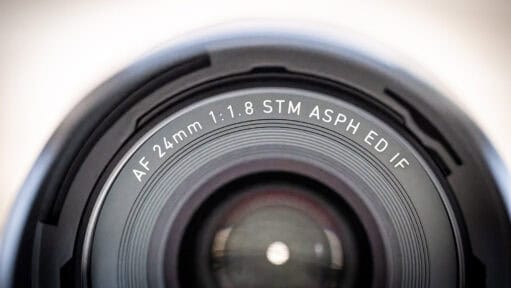
The Viltrox AF 24mm f1.8 Z is a competent, workmanlike wide prime lens. But factor the price in, and it becomes a very attractive lens.
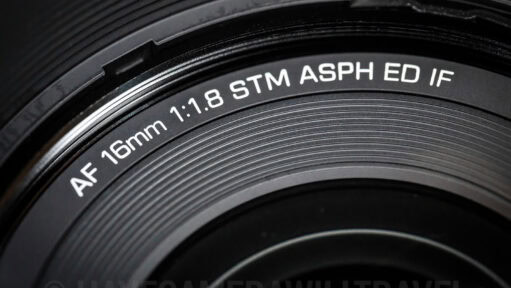
After weeks of real-world shooting on a Nikon Z8, this fast, sharp ultra-wide has become one of my favorite Viltrox lenses yet. Here's my hands-on take on the Viltrox 16mm f/1.8 AF Z, including sample images and how it stacks up against pricier alternatives.

The Viltrox 16mm f1.8 AF Z manages to be good, cost-effective, and fun to shoot with, which is a great combination. I've been out putting it to the test on my Nikon Z8, and here are some sample images to give a sense of how it performs in real-world shooting conditions.

There are Viltrox lenses that I like. And I especially like a fast 50mm prime. So why wouldn't I recommend this one?
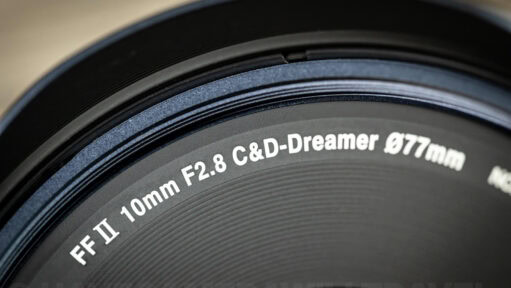
The Laowa 10mm f2.8 is wide, relatively fast, and has autofocus. It's also full-frame and, importantly, has very effective aspherical elements to keep things straight. I've been shooting with it. Here's my take.
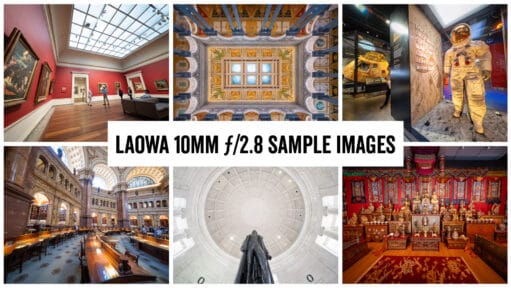
I've been out shooting with the ultra-wide Laowa 10mm f/2.8 autofocus lens (full-frame). Here's a selection of high-resolution sample files I've taken with it.
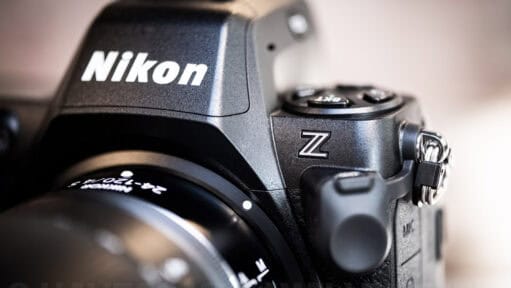
There's a surprisingly large range of options available if you're looking for Nikon Z DX mirrorless lenses. Here's my running list of the alternatives from Nikon and third-party manufacturers.
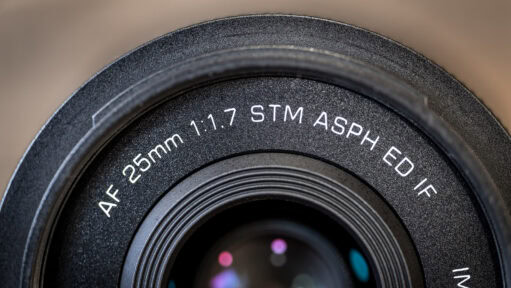
At $176, the Viltrox AF 25mm f/1.7 Z undercuts Nikon's own DX primes by hundreds of dollars — but is the autofocus and optical quality good enough to matter? Here's what real-world shooting with it on a Nikon Z8 revealed, from sharpness wide open to vignetting and AF speed.
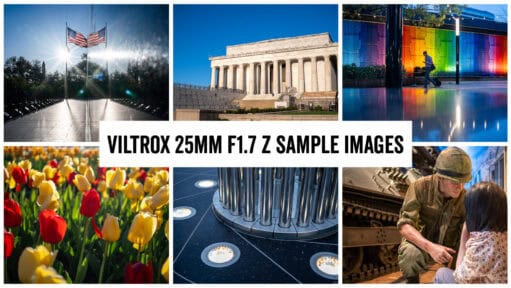
A look at real photos taken with the Viltrox AF 25mm f1.7 Z, an inexpensive APS-C prime for Nikon's Z-mount, shot mostly wide open to see what this $176 lens can really do.
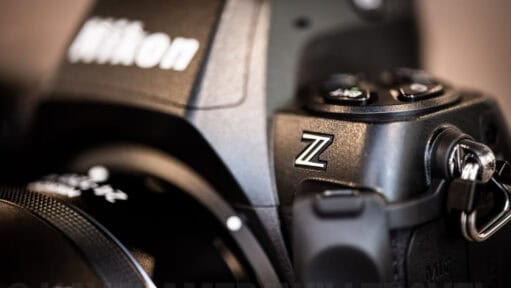
There's a surprisingly large range of options available if you're looking for Nikon Z full-frame lenses. Here's my running list of the alternatives from Nikon and third-party manufacturers.

180mm is already telephoto territory, but this lens reaches all the way to 600mm on full-frame. Here are uncropped, real-world Nikon Z8 examples across the zoom range so you can see what that reach actually looks like.
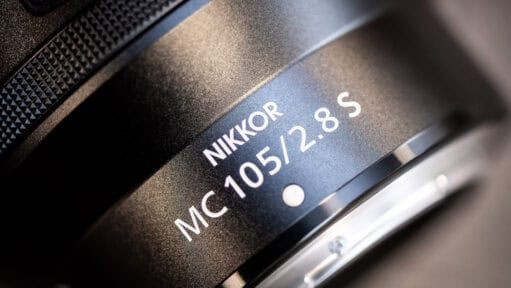
A year of real shooting with the Nikkor Z MC 105mm f/2.8 VR S on a Nikon Z8, from macro close-ups to cherry blossoms at the Tidal Basin. Here's a look at the sample images and why its flat-field macro design makes it an unusually capable everyday telephoto.
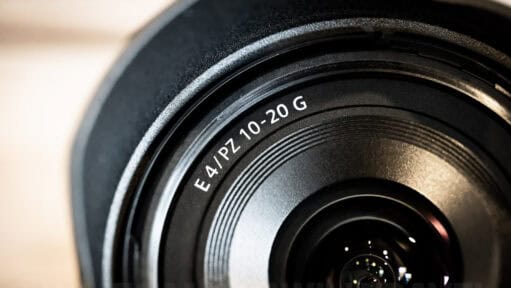
Here are some practical examples of the zoom range of the Sony E 10-20mm f/4 PZ G wide-angle zoom lens to give a visual sense of how the focal lengths translate into real-world shooting.

I've been shooting with these two fast wide-angle primes for Sony E-mount. Here's my take on how they compare.

This is my hands-on review of the Sigma 16mm f/1.4 DC DN lens, which I've been using on a Sony a6700.

Here's a selection of images I've taken using the Sigma 16mm f/1.4 DC DN prime lens on a Sony a6700.

Here's my hands-on review of the Sony E 15mm f/1.4 G prime lens for Sony APS-C Alpha cameras.

Here are some sample images I've taken with the Sony E 15mm f/1.4 G lens on a Sony a6700. It's a fast prime designed for Sony's cropped-sensor APS-C cameras in the Alpha range.

If you've ever shopped for a lens and seen the phrase "35mm equivalent," you know photography jargon can be confusing. This term is the key to understanding how different cameras see the world. Here is exactly what it means and how to use it to choose the right lens.

My aim in this post is to walk through how to adjust the control ring settings, explore the default settings, and dive into the various options available so you can set it up for your own style of shooting.

I shot the Nikon AF-S and Z 105mm f/2.8 macro lenses side-by-side on my Z8 to settle a practical question: is the Z version's price worth ditching a lens I already own and use constantly.
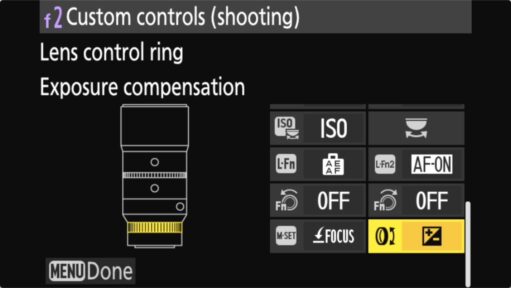
Every time I turned my Z8 on, my exposure was off by a stop. I thought I had "Auto Reset" enabled, but I missed one critical detail about how the lens control ring behaves. Here is the fix.

The Nikon Z 40mm f/2 is probably the closest thing to a nifty fifty in Nikon's current Z lens lineup. Here are some photos I've taken with it to go alongside my hands-on review.
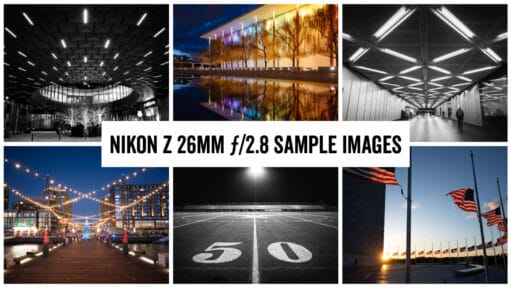
I've been out shooting with the small, compact Nikon Z 26mm f/2.8 lens. Here are some photos I've taken with it.

The Nikon Z 28mm f/2.8 is small, light, and very reasonably priced. Here are some photos I've taken with it.

Here's my hands-on review of the Nikon Z 28mm f/2.8, a small, light, and cheap prime lens for Nikon Z-mount mirrorless cameras.

I've been out shooting with the Nikon Z 40mm f/2 prime lens. It's a small, light, and relatively fast prime that is a great option for candids, street, and travel photography. Here's my take on it.
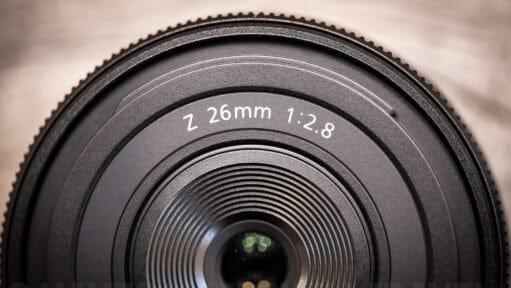
This 26mm pancake lens is the smallest lens in Nikon's Z lineup. And yet I'm very impressed with its performance, both in handling and in image quality. It has quickly earned a regular place attached to my camera.

A running list of Nikon lens hood model numbers matched to specific NIKKOR lenses, covering F-mount FX and DX lenses, older manual-focus glass, and Z-mount mirrorless lenses, plus what the HB, HN, HR, and HK codes actually mean.

If you're after a replacement or spare lens hood for your Sony lens, here are the part numbers to look for. Updated with the latest Sony lenses.

Laowa lenss use various codes in their names to denote compatibility or particular features. Here's how to make sense of them.

Sharp, smooth, and reasonably priced, the Nikon NIKKOR Z 35mm f/1.8 S is a highly versatile and useful lens in Nikon's expanding lineup of Z-mount primes.

Sony uses a specific set of codes to distinguish its lenses, from the entry-level "E" series to the top-tier "G Master" glass. As a relative newcomer compared to Canon or Nikon, Sony's list is shorter, but the rapid evolution of their autofocus motors (from SSM to XD) can still be confusing. Here is the complete breakdown.

Pentax users pride themselves on backward compatibility — you can mount a 1975 lens on a 2024 camera. But the alphabet soup of lens codes (DA, FA, PLM, DC) tells a different story. Some new lenses won't work on old bodies, and some old lenses need special settings to work on new bodies. Here's a breakdown of the Pentax code language.

Rokinon lenses offer incredible bang-for-your-buck, but their naming convention is a confusing soup of "Cine DSX," "AS," and "UMC." Are Rokinon and Samyang really the same thing? Does the V-AF line actually have autofocus for video? We break down every cryptic code on the barrel to help you buy the right glass for your Sony, Canon, or Nikon camera — including the modular Remaster Slim system.

The Nikon Z 50mm f/1.2 S is fast, heavy, and pricey. But it's also optically excellent. Here are some photos I've taken with it.

A look at how the Fujifilm XF 8-16mm f/2.8 R LM WR performs in real shooting, with rectilinear optics that keep straight lines straight and no fisheye bulge at ultra-wide angles. These RAW, lightly processed shots from an X-T5 complement the full hands-on review of this lens.

A gallery of real-world sample images shot with the Nikon NIKKOR Z 14-30mm f/4 S on a Nikon Z8, meant as a companion to my full hands-on review of the lens. All shots were taken in RAW with default in-camera corrections applied, so you can see exactly what this smaller, filter-friendly alternative…

I've been testing the OM System M.Zuiko Digital ED 12-45mm f/4 Pro zoom lens for OM System and Olympus Micro Four Thirds cameras. Here are some quick practical examples of its zoom range to provide a visual idea of its perspective.

Get to grips with fast lenses--what they are, how they work and why they're so popular among photographers. Learn what defines a fast lens, the benefits of shooting with one, and good lenses to start with. Plus, discover some lens gotchas to watch out for.

If you've ever looked at a lens barrel and wondered why it lists an aperture range instead of a single f-stop, you are looking at a variable aperture zoom. It is a deliberate engineering compromise to keep glass portable and affordable. Here is a breakdown of the optical math behind that sliding scale, plus a look at the hidden "effective aperture" quirk that happens when shooting 1:1 macro.

There is nothing more frustrating than shooting a beautiful multi-frame landscape, only to get home and find dark, blotchy bands ruining the sky when you try to stitch it together. If you shoot panoramas, you've likely run into this issue. Here is a practical look at exactly why circular polarizers and stitched panoramas don't mix well, along with a few examples from my archive and the workarounds I rely on instead.
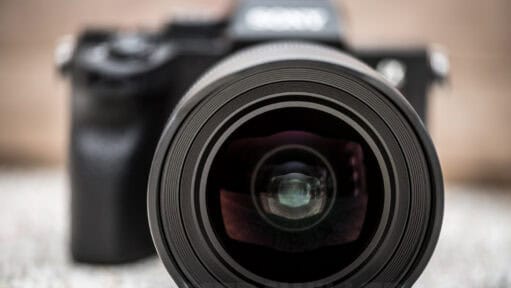
The Sony FE 12-24mm F4 G zoom lens has an ultra-wide perspective that adds a lot of drama and packs a lot of scene into the frame, but it manages to do it without the distracting parts that you often get at such extreme focal lengths.

Before threaded screw-on filters, lenses used a three-piece slip-on system sized by "series" number. Here's how Series 7, 8 and 9 filters actually attach, and why you'll still meet the term on vintage manual-focus lenses.
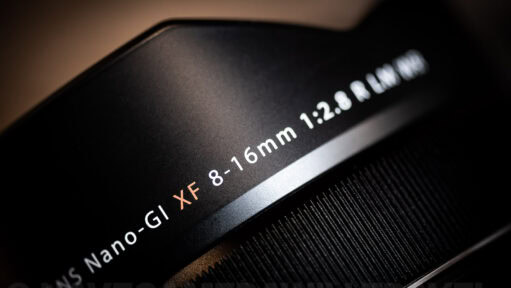
Here are the part numbers for the lens hoods for common Fujifilm/Fujinon lenses, including X series and GFX series lenses. Updated with the latest Fujifilm lenses.

Many Canon lenses come with a dedicated lens hood that is optimized for that specific lens. If you need a replacement or spare lens hood, these are the compatibility charts with the lens hood model numbers. Updated to include the latest Canon lenses.

I've previously posted a detailed review of the Nikon AF-S 85mm f/1.4G. Here are some high-resolution sample images I've taken with it.

Here are the part numbers took look for if you need a replacement or spare lens hood for your Sigma lens.

A gallery of real-world sample images from the Nikon Z 24-120mm f/4 S, shot in RAW on a Nikon Z8 with default in-camera settings rather than lab conditions, meant to complement the full hands-on review of this versatile kit zoom.

A hands-on look at the Nikon Z 24-120mm f/4 S, tested on a Nikon Z8 to see whether this kit lens option earns its premium "S" badge, with real sample images and a verdict on where it falls short.

In this review, I'm focusing on the Nikon Z 50mm f/1.2 S fast prime lens for Nikon Z-mount mirrorless cameras.
Small, light, with great optical performance, and affordably priced, there's a lot going for the Nikon NIKKOR Z 14-30mm f/4 S ultra-wide zoom lens. Here's my hands-on review.

Here are some practical visual examples of the zoom range of the Nikon NIKKOR Z 14-30mm f/4 S zoom lens.
A 5x zoom range sounds simple on paper, but what does 24mm to 120mm actually look like side by side? Here are practical examples shot on a Nikon Z8, including how close you can really get at each end.

I've been shooting with the ultra-fast prime Fujifilm XF 50mm f/1.0 R WR lens on the new Fujifilm X-T5. Here are sample images.

I've been shooting with the Fujifilm XF 50mm f/1.0 R WR ultra-fast autofocus prime lens on the new Fujifilm X-T5. Here's my take on it.

I've been out shooting with the Fujifilm XF 8-16mm f/2.8 R LM WR ultra wide-angle lens on the new Fujifilm X-T5. Here's my take on it.

There is no name more distinguished in optics than Zeiss, but their naming convention is anything but intuitive. Unlike other brands that use tech-jargon, Zeiss names lenses after birds and century-old optical formulas. From the autofocus Batis to the manual-focus Milvus and the legendary T* coating, here is a plain-English guide to understanding exactly what you’re buying when you see that famous blue badge.

Tokina lenses are legendary for their "built-like-a-tank" construction, but their naming system has undergone a massive overhaul recently. If you’re confused by the jump from "AT-X" to "atx-i" or "opera," you aren’t alone. Here is the definitive guide to every code Tokina uses, including their unique Focus Clutch mechanism and their 2026 mirrorless lineup.

Tamron Di, Di II, Di III, VXD, SP — what do they actually mean on a lens barrel? This guide breaks down every current and legacy Tamron code, from sensor compatibility to autofocus motors and glass coatings.

Sigma lens names can be a mouthful of acronyms. Once you know how to read them, however, they are a powerful shorthand for identifying whether a lens is built for full-frame or crop sensors, DSLRs or mirrorless cameras. This guide demystifies the alphabet soup so you can quickly categorize any lens in their massive lineup.

As a relative newcomer to the modern mirrorless game, Fujifilm hasn’t accumulated the decades of confusing acronyms that Canon or Nikon have. But their naming convention is precise, and knowing how to read it will tell you exactly what you are buying — and whether it has that all-important aperture ring.

VR? ED? S-Line? Plena? Nikon lens names are a alphabet soup of confusing abbreviations. This guide decodes them all — from the latest Z-mount tech to vintage manual focus terms — so you know exactly what you're buying.
Like most lens manufacturers, Canon uses codes in their lens names to identify key features and technologies of the lens. They might look like a look like a random jumble of letters, but they are actually a precise formula. Once you know how to read them, you can instantly tell if a lens will fit your camera, how fast it will focus, and whether it is weather-sealed.

Here are some real-world examples of the zoom range of the Fujifilm XF 8-16mm f/2.8 R LM WR ultra-wide-angle zoom lens.

I've been out shooting to test out the OM System M.Zuiko Digital ED 12-45mm f/4 PRO zoom lens. Here's a selection of images I've taken with it.

Fisheye lenses pack a dramatic, distorted view into the frame — great for tight interiors and immersive action shots, terrible for portraits and architecture. Here's what to know before you shoot with one, including the two main types and what to avoid.

With a fast maximum aperture combined with a short telephoto, the Nikon AF-S 85mm f/1.4G offers wonderful opportunities for isolating a subject from its background and shooting in low light. Here's my take on it.

Here's a selection of sample images I've taken with the Olympus M.Zuiko Digital ED 12-100mm f/4 IS PRO zoom lens. I've included a range of settings and lighting conditions to give a sense of how it performs in real-world shooting conditions.

What does a 12-100mm zoom actually look like on a Micro Four Thirds body? These real-world sample images, shot on an Olympus OM-1, show the full range from 12mm to 100mm (a 24-200mm full-frame equivalent) in practical terms.
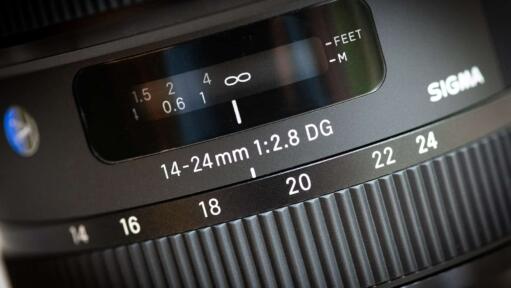
Here's my hands-on review of the Sigma 14-24mm f/2.8 DG HSM lens for full-frame DSLRs. I've found it to be optically excellent and great fun to shoot with.

I've been testing out the Sigma 14mm f/1.8 DG HSM ultra-wide lens. Here's a selection of sample images I've taken with it.

The Sigma 14mm f/1.8 DG HSM Art lens is optically excellent and the only 14mm ultrawide f/1.8 prime lens. But how does it stack up against Sigma's own 14-24mm f/2.8 zoom?
The Sigma 105mm f/1.4 DG HSM Art telephoto lens is fast, sharp, and well-made. Here's my hands-on review.

This is a selection of sample images I've taken with the Sigma 14-24mm f/2.8 DG HSM Art Lens to give a sense of how it performs in real-world shooting conditions.

Here's a selection of sample photos I've taken with the Sigma 105mm f/1.4 DG HSM Art lens, the fastest of Sigma's 105mm lenses.

Here are some practical examples of the zoom range of the Sigma 14-24mm f/2.8 DG HSM Art ultra-wide zoom lens.

Fisheye lenses are powerful creative tools, but not all of them work the same way. Some create a floating circle, while others fill the frame with curved drama. Nikon currently offers three very different options — from the vintage 16mm prime to the modern 8-15mm zoom. Here is my breakdown of how they compare.

The Nikon AF-S 50mm f/1.4G lens comes with a perfectly good lens hood included. But there's another option I've found to work better for me.

I've been testing the Sony E 20mm f/2.8 wide-angle lens for Sony E-mount APS-C mirrorless cameras. Here are some high-resolution sample images I've shot with it.

Because Nikon's crop-sensor (DX) DSLRs share the exact same lens mount, finding the perfect wide-angle lens for sweeping landscapes or tight real estate photography is the same whether you shoot with an entry-level D3500 or a flagship D500. Here are my practical recommendations for the best wide-angle options for your Nikon DX camera.
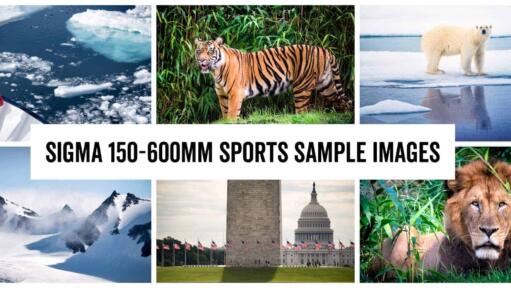
Sigma has two zoom lenses at the 150-600mm focal lengths. Here are some sample images I've shot with the Sports version, which is bigger, heavier, and much more expensive than the Contemporary version, but also offers much improved optical performance.
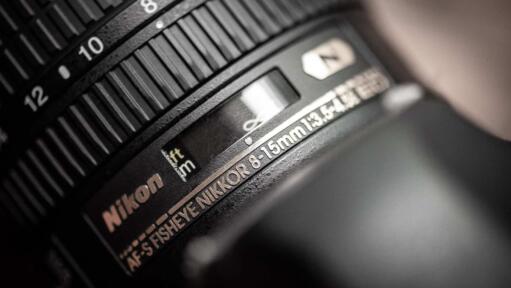
The Nikon AF-S 8-15mm fisheye zoom lens is optically excellent and opens up some fun creative opportunities. There are also some quirks when shooting with it.
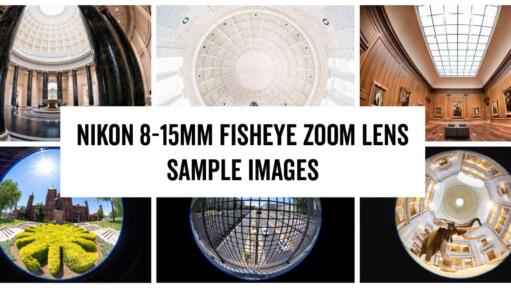
A set of unedited sample photos from the Nikon AF-S 8-15mm f/3.5-4.5E ED fisheye zoom, shot on a D850, along with practical notes on the lens hood's vignetting quirk, filter limitations, and dedicated accessories.
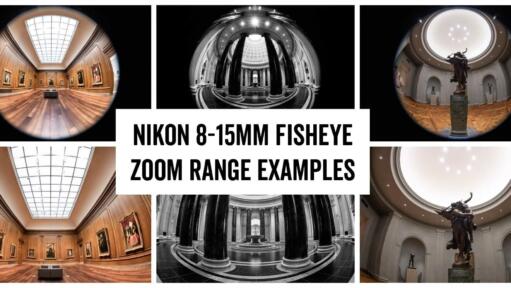
The zoom range of this lens isn’t your typical closer-and-further-away views. Here are some practical examples.
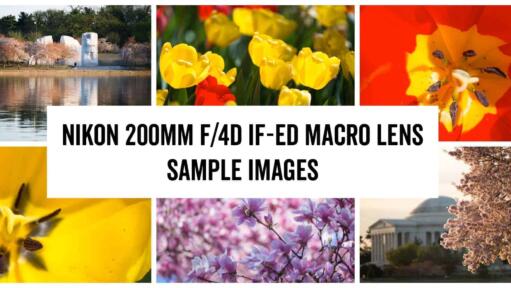
This is a collection of sample images I've taken with the Nikon AF Micro-NIKKOR 200mm f/4D IF-ED macro lens.

Here's a collection of sample images that I've shot with the Sigma 35mm f/1.4 Art lens for Nikon DSLRs.

Here's a selection of photos I've taken with the Sony FE 20mm f/1.8 G wide-angle prime lens on a Sony Alpha camera to give a sense of how it performs in real-world shooting.
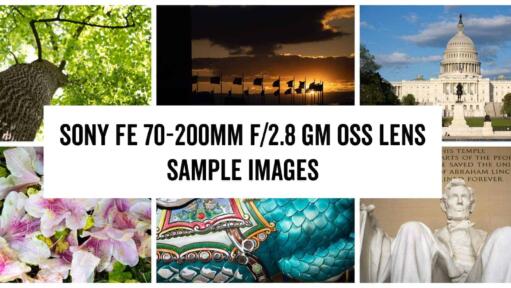
I've recently been out shooting with the Sony FE 70-200mm GM OSS zoom lens. Here are some photos I've taken with it.

A set of handheld, natural-light sample photos from the Sony FE 90mm f/2.8 Macro G OSS, shot on a Sony A1 across a range of apertures and distances — a real look at what this compact macro prime can do, from close-up flower detail to soft-background portraits.
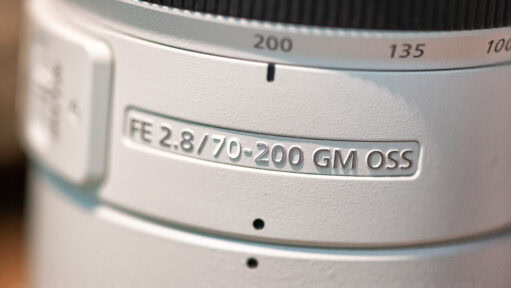
Here are some practical examples of the zoom range of the Sony FE 70-200mm f/2.8 GM OSS zoom lens on a Sony Alpha full-frame mirrorless camera.

A collection of real-world sample images shot with the Canon RF 24-105mm f/4L IS USM on a Canon EOS R5, covering a range of apertures, focal lengths, and scenes to show how this versatile zoom actually performs.
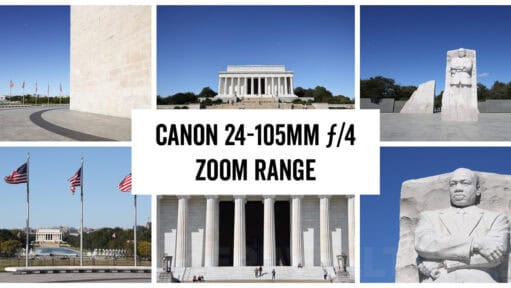
How different is 24mm from 105mm in practice? These uncropped photo pairs, shot from the same spot on a Canon R5, show exactly what the Canon 24-105mm f/4 IS USM's zoom range looks like.
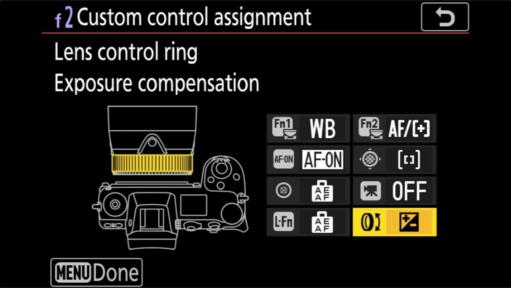
That narrow ring near the camera body isn't just for manual focus — Nikon calls it the Control Ring, and it can be reassigned to aperture, ISO, or exposure compensation. Here's exactly where to find that setting in the Z6/Z7 menus, for both photo and video modes.

Here's a collection of photos I've taken recently with the Nikon NIKKOR Z 24-70mm f/4 S zoom lens. All of these were shot on a Nikon Z7 body.
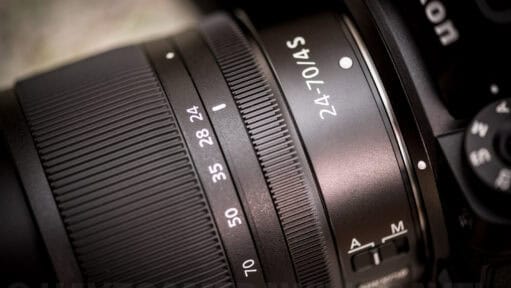
Here are some practical examples of the zoom range of the Nikon NIKKOR Z 24-70mm f/4 S, with side-by-side examples shot at 24mm and 70mm.
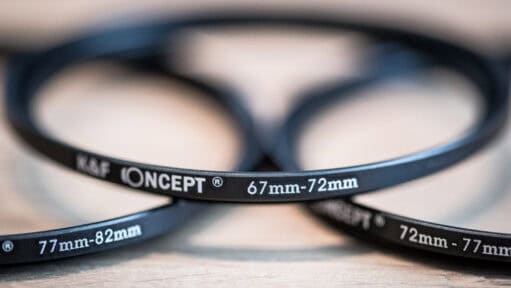
Why buy three expensive polarizers when you only need one? Step-up rings are the secret weapon of pro photographers, allowing you to adapt a single high-quality filter to fit almost every lens in your bag. Here is how they work.

There is nothing more frustrating than a filter that refuses to unscrew, especially when the light is fading. But before you reach for the pliers (don't!), you need to understand the physics of why it's stuck. Here are the safest ways to remove a seized filter without damaging your lens — starting with a very old trick that works like magic.
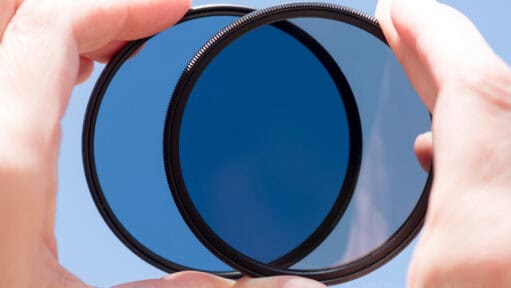
Here's a quick rundown on using some of the most common types of screw-in filters and considerations when using them.

A searchable chart of filter sizes for every screw-thread Pentax lens, from 49mm to 77mm, plus the step-up ring trick pros use to buy one filter instead of five.
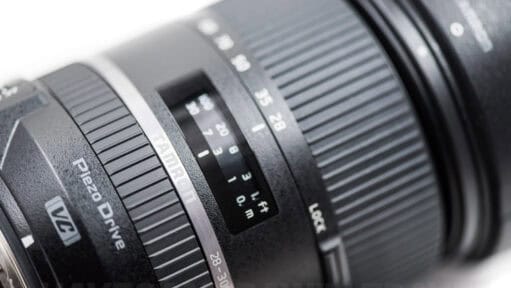
If you're looking to add a polarizer, UV, or ND filter to your lens, you'll need to know the lens diameter/filter size. Here's a lens filter size chart for Tamron lenses.

If you're looking to add a polarizer, UV, or ND filter to your lens, you'll need to know the lens diameter/filter size. Here's a lens filter size chart for Sigma lenses. Updated with Sigma's latest lenses.
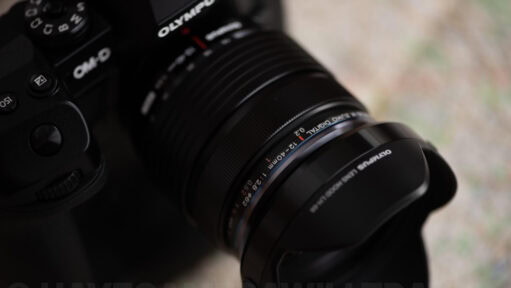
A searchable chart of filter diameters for Olympus and OM System M.Zuiko lenses, from the 45mm f1.8 to the 12-40mm f2.8 Pro, plus a step-up ring trick pros use to avoid buying a separate filter for every lens.
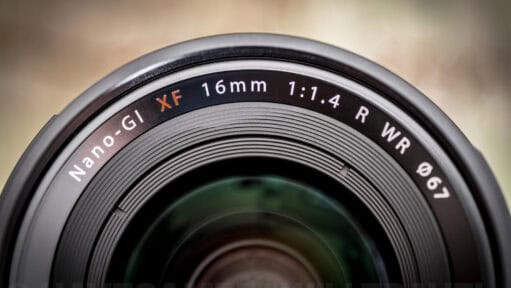
Here's a lens filter size chart for Fujifilm/Fujinon lenses, including their X series and GFX series lenses. If you're looking to add a polarizer, UV, or ND filter to your lens, you'll need to know the lens diameter/filter size.

A running chart of filter thread diameters for Sony E-Mount and A-Mount lenses, updated as new glass ships, plus the step-up ring trick pros use to avoid buying a filter for every lens.
Looking for the right filter size? You don't need to guess. I've compiled a master list of lens diameters for the entire Nikon lineup — from the latest Z-mount releases (like the Plena) to vintage manual focus glass — so you can buy the right screw-in filter every time.

Look up the filter thread size for your Canon lens by mount, whether RF, EF, EF-S, or EF-M, across current zoom and prime models. Updated regularly as new Canon lenses are released, plus tips on step-up rings and polarizing filters.

Why is the jump from f/5.6 to f/8 a full stop, but f/1.4 to f/1.8 is only two-thirds? The math behind lens apertures is famously counterintuitive, but mastering it is the key to perfect exposure. We’ve built a custom, mobile-friendly F-Stop Calculator to help you instantly solve for ND filter offsets (including Big and Super Stoppers) and compare increments across the entire range — from f/0.95 "Noct" glass to f/32. Use this interactive tool and charts to take the guesswork out of your next shoot.
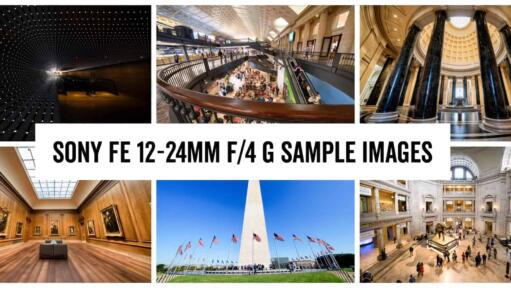
Sony's FE 12-24mm f/4 G lens is an ultra-wide-angle zoom lens designed for their full-frame cameras. For an unusually wide lens, it's remarkably true and sharp and doesn't suffer from the usual optical flaws you'd expect.
The Sony FE 24mm f/1.4 GM is a high-end fast prime designed for Sony's full-frame mirrorless cameras. Here's my hands-on review.
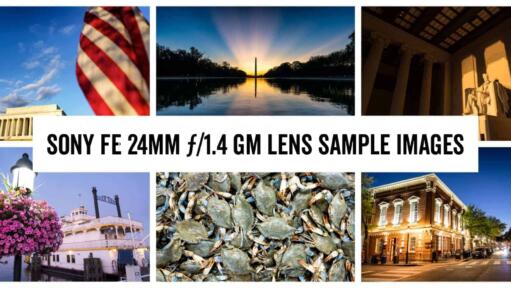
Here's a collection of photos I've taken recently with the Sony FE 24mm f/1.4 GM wide-angle prime lens on a Sony a7R IV body.
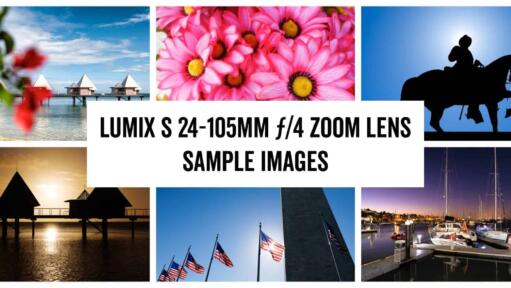
I've recently been out shooting with the new Lumix S 24-105mm f/4 on the also-new Lumix S1 full-frame mirrorless camera. Here are some images taken with the combination with an emphasis on examples showing how the lens performs in real-world shooting.
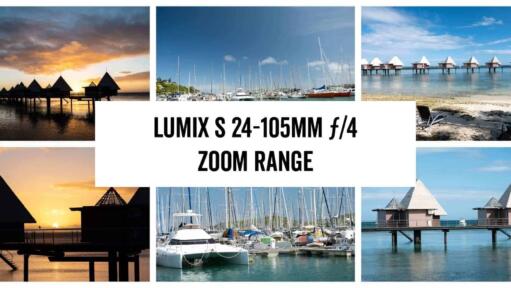
Here are some practical examples taken at each end of the zoom range of the new Panasonic Lumix S 24-105mm f/4 macro zoom lens.
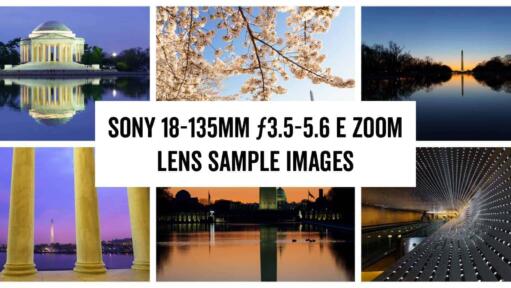
A selection of photos I've taken with the Sony 18-135mm f/3.5-5.6 E-Mount lens, a highly versatile zoom lens.
Here's a quick practical example of the zoom range of the Olympus M.Zuiko Digital ED 12-40mm f/2.8 Pro zoom lens.

A selection of photos I've taken with the Olympus M.Zuiko Digital ED 12-40mm f/2.8 Pro wide-angle zoom lens.
No button, no switch — just a sliding focus ring that isn't obvious until you know it's there. Here's exactly how to move the Olympus 12-40mm f/2.8 Pro (and PRO II) between autofocus and manual focus.
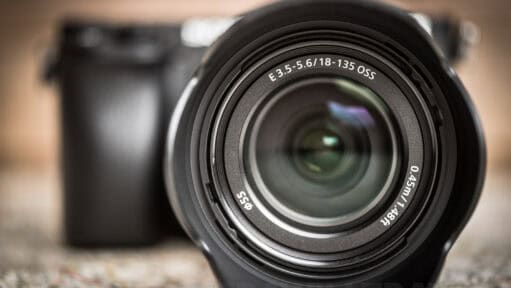
The Sony E 18-135mm f/3.5-5.6 is a popular choice for APS-C mirrorless cameras like the new Sony a6400 or the Sony a6000. And it makes for a versatile zoom lens for everyday travel photography. Here are some practical examples of its zoom range.
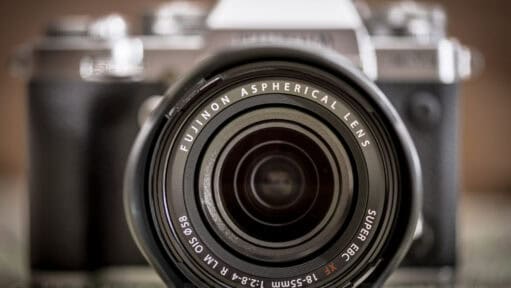
Here's a collection of photos I've taken with the Fujifilm XF 18-55mm lens to give some practical examples of how it performs in real-world shooting conditions.
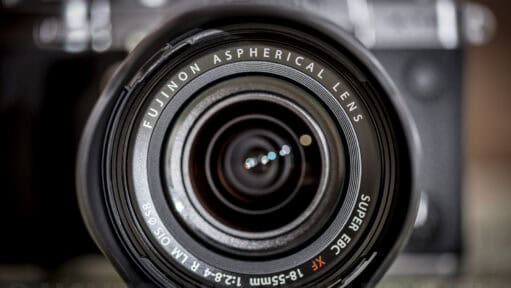
The Fujifilm (Fujinon) XF 18-55mm f/2.8-4 R LM OIS zoom lens, often included with Fujifilm X-series cameras such as the X-T4 and X-T30, is better than your average kit lens. Here are some practical examples of its zoom range from 18mm to 55mm.

Here are some quick practical examples of the zoom range of the Sony E 55-210mm f/4.5-6.3 lens, a cost-effective and versatile telephoto zoom for Sony E-mount mirrorless cameras.
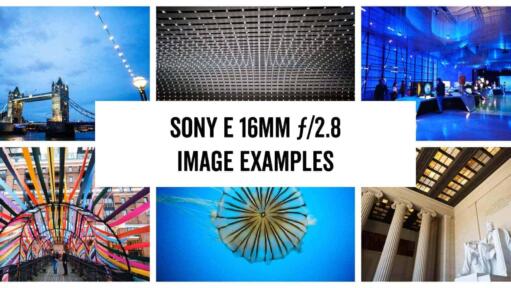
A tiny, fast pancake prime with a 24mm-equivalent view on APS-C — here's a look at what the Sony E 16mm f2.8 actually delivers, through unedited RAW photos shot on a Sony a6500 across a range of apertures.
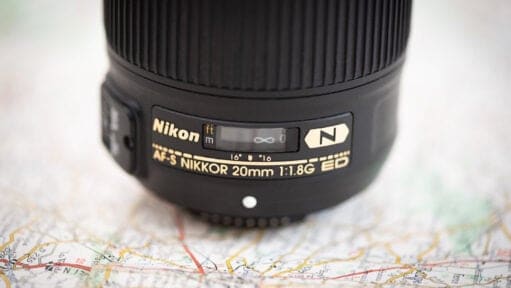
After years of favoring the 24mm f/1.4G and struggling to love the bulky 14-24mm f/2.8, I finally put the Nikon 20mm f/1.8G ED to the test on the road, checking sharpness, build, and handling with real-world sample photos.
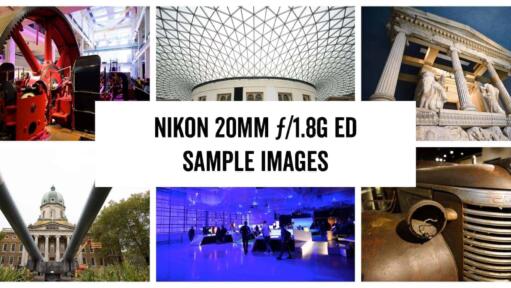
A gallery of real-world photos shot with the Nikon 20mm f/1.8G ED on a Nikon D810, left unedited by Lightroom's lens corrections so you can judge vignetting, sharpness, chromatic aberration, and distortion for yourself.
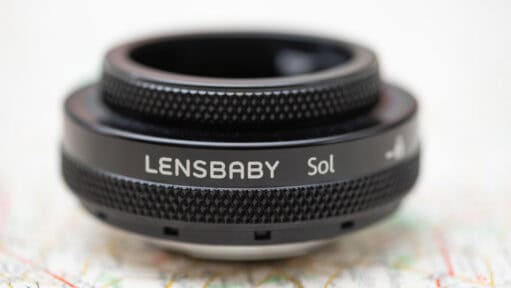
LensBaby have released a new model in their range of special effects lenses. This one, the SOL 45, has a focal length of 45mm and combines selective focus and tilting. Here's my review and some photos taken with it.
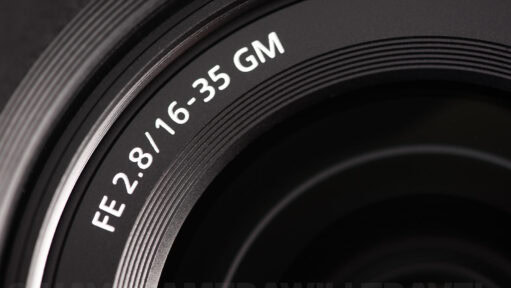
I've been shooting with the Sony FE 16-35mm f/2.8 GM zoom lens on a Sony a7 iii full-frame mirrorless camera. Here's my hands-on review.

A set of lightly processed RAW sample photos shot with the Sony FE 24-70mm f/2.8 GM on a Sony a7III, covering a range of subjects, apertures, and focal lengths to show how this G Master zoom actually performs in everyday travel shooting.
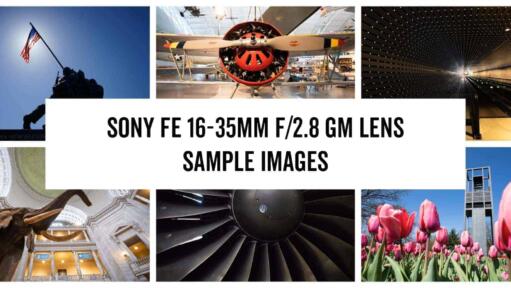
A collection of photos taken with the Sony FE 16-35mm f/2.8 GM lens to give a sense of how it performs in real-world shooting conditions.
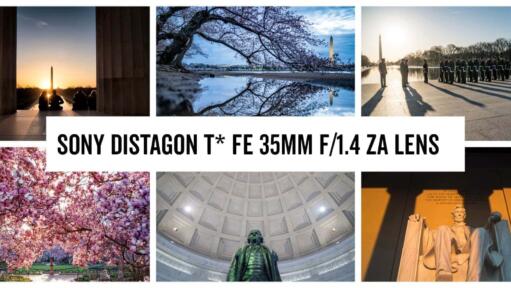
Here's a selection of sample images I've taken with the Sony 35mm f/1.4 ZA lens, one of Sony's high-end E-mount prime lenses.
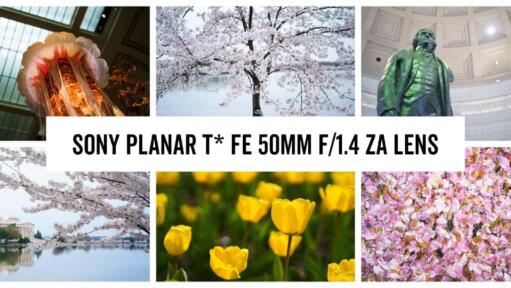
The Sony 50mm f/1.4 ZA lens is one of Sony's high-end lenses. On full-frame sensors it offers a normal perspective and is especially good for low-light and selective focus shooting. Here are some sample photos I've taken with it.

Here's a selection of photos I've taken with the Sigma 105mm f/2.8 EX DG OS HSM macro prime lens.
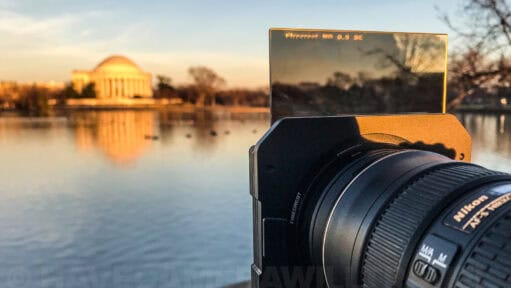
Screw-in filters are convenient, but for serious landscape photography, a square filter system offers unmatched flexibility. I took the Formatt Hitech Firecrest 100mm Pro Essentials Kit into the field to see if its aluminum holder and sandwich-coated glass really deliver the color neutrality they promise — and how they stack up against big names like Lee and Cokin.
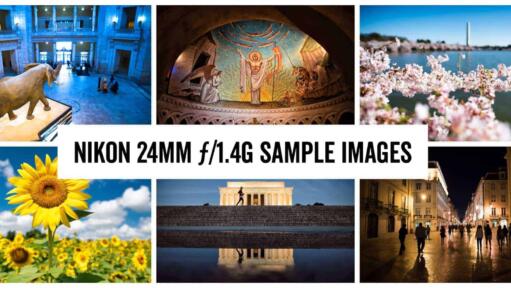
If I had to pick one lens to take with me to the ends of the earth, it would be this one: Nikon's 24mm f/1.4G. Here are some example photos I've shot with it.
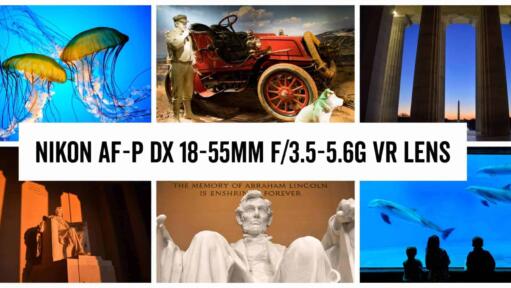
Here are some samples of photos I've taken with Nikon's AF-P 18-55mm f/3.5-5.6G VR to give a sense of how it performs in real-world shooting. It's a versatile zoom lens designed for Nikon's F-mount DX DSLRs.
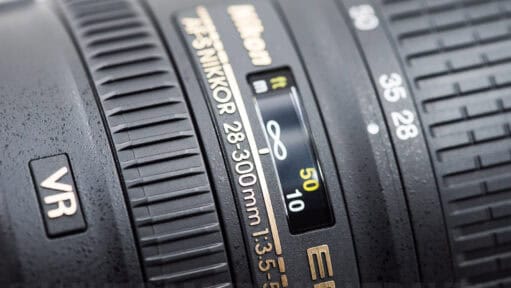
After months shooting with the Nikon 28-300mm f/3.5-5.6G ED VR on the D810 and D800, here's a hands-on look at sharpness, distortion, vibration reduction, and whether this all-purpose travel lens earns its versatile reputation.
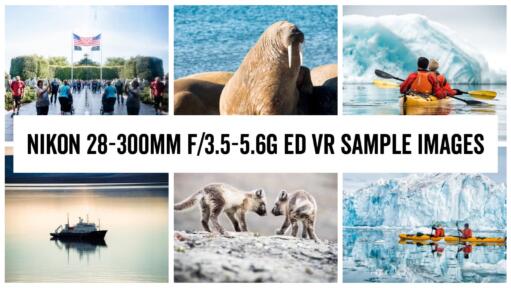
A look at real-world photos shot with the discontinued Nikon AF-S NIKKOR 28-300mm f/3.5-5.6G ED VR, from full wide-angle to 300mm zoomed in, plus notes on current used pricing versus its original MSRP.
I spent time shooting with Tamron's affordable 28-300mm all-in-one zoom, testing its sharpness, autofocus, and vibration compensation against the flaws that come with the low price. Here's what held up and what didn't.
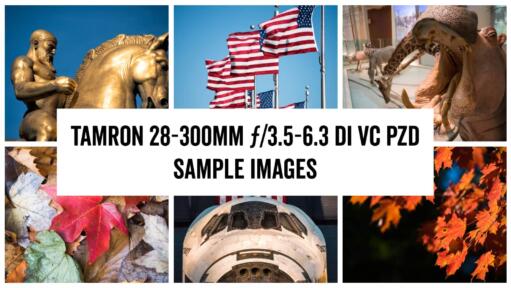
This is a selection of photos I've taken with the Tamron 28-300mm f/3.5-6.3 Di VC PZD. I've included a range of settings and lighting conditions to give a sense of how it performs in real-world shooting conditions.

A Circular Polarizer is a landscape photographer's best friend — until you put it on a wide-angle lens. Then, it can quickly become your enemy, turning beautiful blue skies into ugly, uneven gradients and dark 'blobs.' Here is the physics behind why wide-angle lenses and polarizers often don't mix, and the specific techniques you can use to avoid ruining your shot.

A look at how the Nikon AF-S VR Micro-Nikkor 105mm f/2.8G performs in practice, from flower and product macro shots to a vignetting test across apertures, based on real-world use.
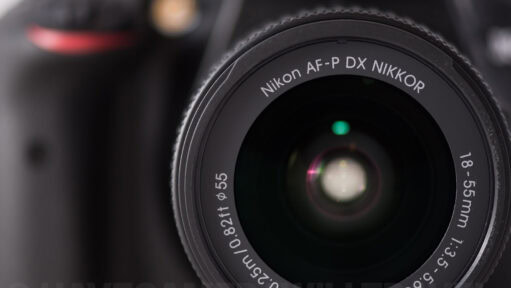
Here are some practical examples that show the zoom range of the Nikon 18-55mm lens in case you're trying to decide which lens bundle to go with.
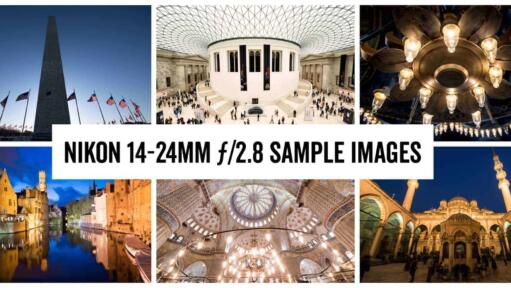
Here's a selection of photos I've taken with the Nikon 14-24mm f/2.8 ultra-wide-angle zoom lens that gives an idea of how it performs under real-world shooting conditions.

A hands-on look at the Nikon AF-S 17-55mm f/2.8G DX lens through a collection of real-world travel photos, showing exactly how its constant f/2.8 aperture performs across the zoom range.
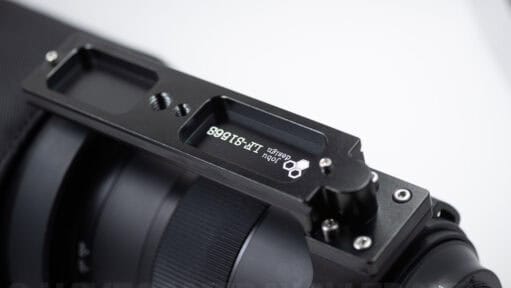
The Sigma 150-600mm Sports collar can't be removed, but its foot can — swapped for the Jobu Design LF-S156S, an Arca-compatible replacement that skips the wobbly quick-release-plate workaround.
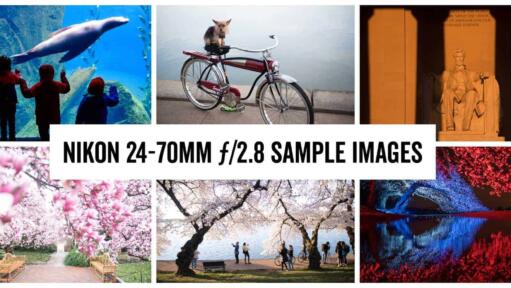
A look at how the Nikon AF-S NIKKOR 24-70mm f/2.8E ED VR performs beyond spec sheets, with real-world sample photos across a range of subjects and shooting conditions.
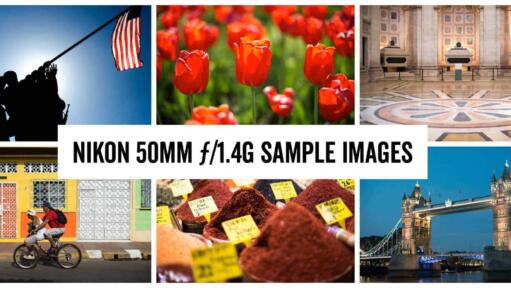
This is a selection of photos I've taken with a Nikon 50mm f/1.4G to give an idea of how it performs in real-world shooting. It's an extremely versatile lens and one of my favorites.
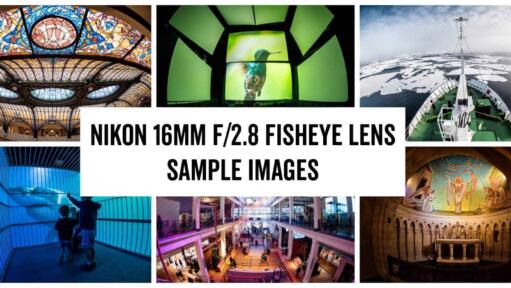
The Nikon NIKKOR-Fisheye 16mm f/2.8D lens is designed for Nikon's F-mount full-frame FX DSLRs. It provides a dramatic wide-angle fisheye look that can be very effective. Here's a selection of photos I've used it on to give a sense of how it performs under real-world shooting conditions.
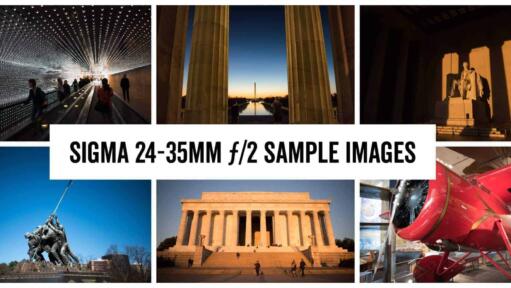
A collection of sample photos taken with the Sigma 24-35mm f/2 DG HSM Art Lens to give an idea of how it performs in real-world shooting.
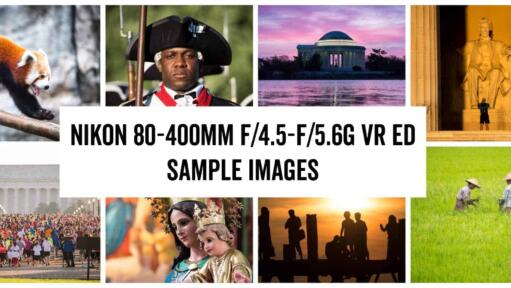
Here's a hands-on look at what the Nikon 80-400mm f/4.5-5.6G VR ED delivers in the field: a gallery of real shots taken across various conditions, paired with a detailed review of the lens.
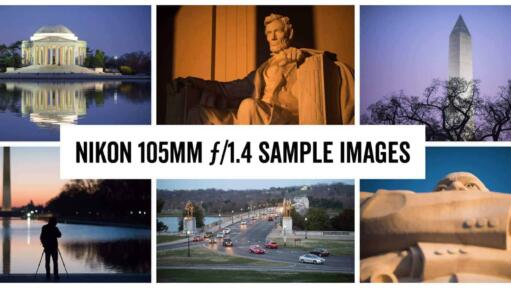
This is a selection of photos I've taken using the Nikon 105mm f/1.4 lens. My emphasis with these shots is leaning more toward travel and everyday photography rather than the more common target for this lens of portrait photography.

Sigma has a USB dock for its newer lenses that allows you to update the lens's firmware and customize some of the lens's core functions like autofocus and optical stabilization. Here's how the USB dock works and what you can do with it.
I put four popular circular polarizing filters, from Hoya, Tiffen, B+W, and Nikon, through the same side-by-side test on one camera and lens to see how their strength, color, and sharpness actually compare.
A collection of sample images taken with Sigma's 35mm f/1.4 DG HSM Art Lens.
In the age of AI editing, many physical filters have become obsolete. But there is one that remains essential: the Circular Polarizer. Why? Because it manipulates light physics before it hits your sensor, removing glare that software simply cannot 'see.' Here is how to use the '90-Degree Rule' to capture shots that are impossible to fake.

A hands-on review of the Sigma 120-300mm F2.8 EX DG OS APO HSM telephoto zoom lens. It's the first lens in Sigma's new Sports line.
Sigma has two super telephoto zoom lenses in their current range. Lately I've been putting the less expensive and smaller model through its paces.
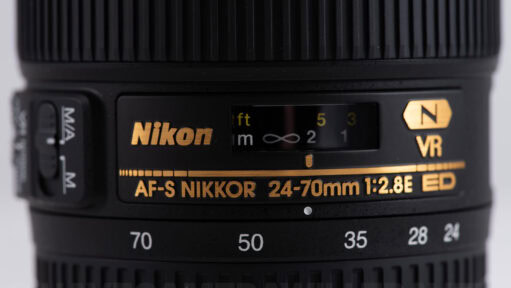
Nikon has come out with a new version of its 24-70mm zoom lens that adds Vibration Reduction. I've been shooting with it for a few weeks now. Here's my review.
I've been putting the new Sigma 24-35mm f/2 DG HSM Art Lens through its paces. Here's what I found.

Now that spring has finally arrived, here's a hands-on review of using the Nikon 200mm f/4D IF-ED macro lens for outdoor flower photography.

A hands-on review of Sigma's flagship super telephoto zoom for sports and wildlife photography.

If you're finding that the autofocus isn't focusing exactly where you want it, some cameras offer calibration tools. Here's how they work.

For years, if you wanted the best 35mm f/1.4, you bought Nikon or Canon. Then Sigma released the "Art" series and shook tings up. At nearly half the price of the Nikon equivalent, the Sigma 35mm f/1.4 DG HSM isn't just a budget alternative — it's optically excellent and a very attractive alternative. Here is my field test.
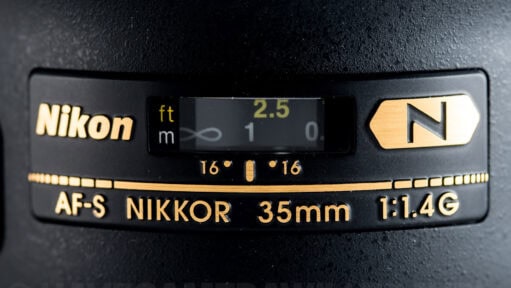
The 35mm focal length is the storyteller's lens — wide enough for context, tight enough for portraits. Nikon’s f/1.4G version promises optical perfection with Nano Crystal coatings and a 9-blade diaphragm. But shooting wide open at f/1.4 reveals some quirks that require careful calibration. Here is my hands-on review.
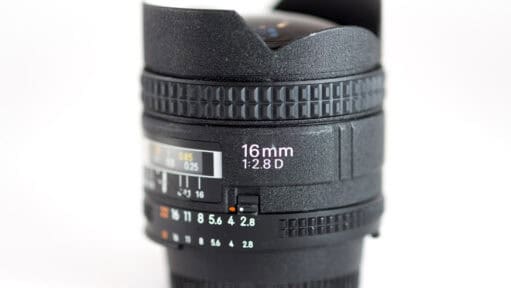
A hands-on look at Nikon's tiny, discontinued AF Fisheye-Nikkor 16mm f/2.8D — how it handles sharpness, low light, filters, and spherical panoramas, plus how it compares to the 10.5mm and 14-24mm.
After months shooting the Nikon 80-400mm f/4.5-5.6G VR handheld on a D800, here's how its sharpness, autofocus, and vibration reduction hold up against the 70-200mm f/2.8 for travel and general telephoto work.
Confused by the numbers on your lens? You aren't alone. The most common mistake beginners make is trying to find a filter that matches their focal length (e.g., 50mm) instead of their lens diameter. Here is how to decode the 'ø' hieroglyphics on your lens barrel and why you should never buy a separate filter for every lens you own. And once you know what to look for, it's easy.
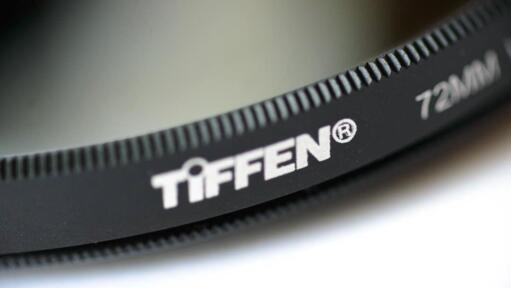
An ND filter blocks light, meaning you can use a slower shutter speed or larger aperture. The Tiffen Variable ND Filter sounds great on paper, offering flexibility and convenience. Here's how it performs in practice.

My name is David Coleman, and this is my site. I take photos for a living. Seven continents. Dozens of countries. Up mountains. Underwater. And a bunch of places in between. I'm based in Washington, D.C.
This site is where I post practical photography help, tips, and troubleshooting.
All posts and reviews on this site are written by me. And I only review gear with which I have personal hands-on experience. By a photographer, for photographers. More about me.


© 2009-2026 David Coleman | Have Camera Will Travel LLC
Photos by David Coleman. Please contact me for licensing images. Images are registered with the U.S. Copyright Office.
Have Camera Will Travel LLC | 901 N Glebe Rd, Arlington, VA 22203 | +1.703.942.9245

