Lens hood finder: Which hood does your Fujifilm lens take?

Start typing the lens (focal length is enough). The filter thread, hood, and where to buy appear below.
Here are the part numbers for Fujfilm lens hoods for common Fujifilm lens / Fujinon lens X series and GFX series lenses. If you’re looking for lens diameters, I also have Fujifilm lens filter size charts.
You might notice in the chart below that in some cases there are multiple lenses with matching focal lengths. So it’s important to match the other parts of the name. Differences might be to do with speed (maximum aperture), how old the lens is, features like autofocus or image stabilization, or built quality (eg. ruggedized vs not). Manufacturers often have multiple iterations of lenses at a specific focal length, and they don’t necessarily all take filters of the same size.
This is an ongoing list, and there are still a number of lenses I’m chasing down information on. I’m starting with Fujifilm’s current lineup and adding older lenses to it as the opportunity arises. Please feel free to send through any additions, requests, or corrections.
Fujifilm XF lens hoods
XF Prime
| Lens Model | Lens Hood |
|---|---|
| XF 8mm f/3.5 R WR | Included with lens; no model number specified |
| XF 14mm f/2.8 R | 100A12457A10 |
| XF 16mm f/1.4 R WR | LH-XF16 |
| XF 16mm f/2.8 R WR | BB00043597-100 |
| XF 18mm f/1.4 R LM WR | LH-XF18 |
| XF 18mm f/2 R | LHCP-001 Lens Hood Cap |
| XF 23mm f/1.4 R | LH-XF23 |
| XF 23mm f/1.4 R LM WR | LH-XF23 II |
| XF 23mm f/2 R WR | LH-XF23 |
| XF 27mm f/2.8 | LH-XF27 |
| XF 27mm f/2.8 R WR | LH-XF27 |
| XF 30mm f/2.8 LM WR Macro | BB00054145-100 |
| XF 33mm f/1.4 R LM WR | LH-XF23 II |
| XF 35mm f/1.4 R | LHCP-002 Lens Hood Cap |
| XF 35mm f/2 R WR | LH-XF35-2 |
| XF 50mm f/1.0 R WR | BB00048976-100 |
| XF 50mm f/2 R WR | BB00036596-100 |
| XF 56mm f/1.2 R | 27B13249820 |
| XF 56mm f/1.2 R WR | Included / Model number not specified |
| XF 56mm f/1.2 R APD | — |
| XF 60mm f/2.4 R Macro | — |
| XF 80mm f/2.8 R LM OIS WR Macro | BB00039125-100 |
| XF 90mm f/2 R LM WR | BB00029598-100 |
| XF 200mm f/2 R LM OIS WR | BU00007951-101 |
| XF 400mm f/4.5 R LM OIS WR | Included / Model number not specified |
| XF 500mm f/5.6 R LM OIS WR | Included / Model number not specified |
XF Zoom
| Lens Model | Lens Hood |
|---|---|
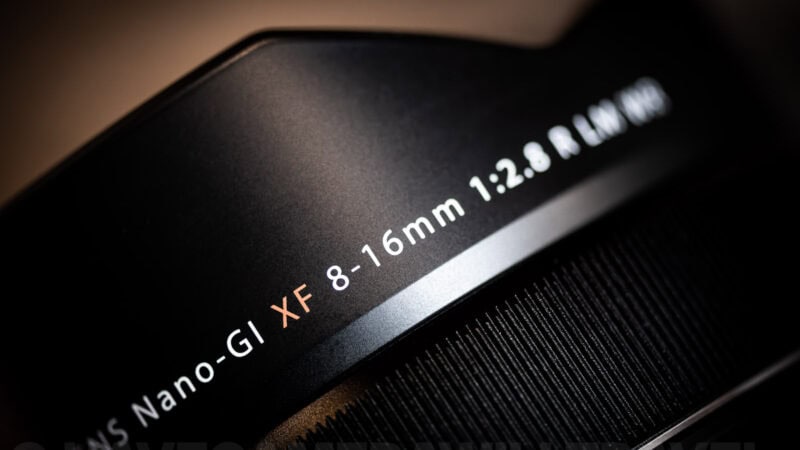
| XF 8-16mm f/2.8 R LM WR | Built-in |
| XF 10-24mm f/4 R OIS | 027B013246460 |
| XF 10-24mm f/4 R OIS WR | 027B013246460 |
| XC 13-33mm f/3.5-6.3 OIS | No dedicated hood included. |
| XF 16-55mm f/2.8 R LM WR II | Included / Model number not specified |
| XF 16-55mm f/2.8 R LM WR | BB27760-100 |
| XF 16-50mm f/2.8-4.8 R LM WR | Included / Model number not specified |
| XF 16-80mm f/4 R OIS WR | BB00045194-100 |
| XF 18-55mm f/2.8-4 R LM OIS | 100A12457A10 |
| XF 18-135mm f/3.5-5.6 R LM OIS WR | Included / Model number not specified |
| XF 18-120mm f/4 LM PZ WR | BB00053214-100 |
| XF 50-140mm f/2.8 R LM OIS WR | BU00004967-100 |
| XF 55-200mm f/3.5-4.8 R LM OIS | 100A12472A10 |
| XF 70-300mm f/4-5.6 R LM OIS WR | BB00048341-100 |
| XF 100-400mm f/4.5-5.6 R LM OIS WR | BU00006065-100 |
| XF 150-600mm f/5.6-8 R LM OIS WR | BU00009860-200 |
Fujifilm XC lens hoods
XC Prime
| Lens Model | Lens Hood |
|---|---|
| XC 35mm f/2 | — |
XC Zoom
| Lens Model | Lens Hood |
|---|---|
| XC 15-45mm f/3.5-5.6 OIS PZ | — |
| XC 16-50mm f/3.5-5.6 OIS II | — |
| XC 16-50mm f/3.5-5.6 OIS | — |
| XC 50-230mm f/4.5-6.7 OIS II | 100A12485A10 |
| XC 50-230mm f/4.5-6.7 OIS | — |
Fujifilm GF lens hoods
GF Prime
| Lens Model | Lens Hood |
|---|---|
| GF 23mm f/4 R LM WR | BU00006924-100 |
| GF 30mm f/3.5 R WR | BU00009061-100 |
| GF 45mm f/2.8 R WR | BU00007186-100 |
| GF 50mm f/3.5 R LM WR | — |
| GF 55mm f/1.7R WR | Included / Model number not specified |
| GF 63mm f/2.8 R WR | Included / Model number not specified |
| GF 80mm f/1.7 R WR | BU00009219-100 |
| GF 110mm f/2 R LM WR | BU00006920-100 |
| GF 120mm f/4 R LM OIS WR Macro | BU00006861-100 |
| GF 250mm f/4 R LM OIS WR | BU00007708-100 |
| GF 500mm f/5.6 R LM OIS WR | Not included. Part number not specified. |
GF Zoom
| Lens Model | Lens Hood |
|---|---|
| GF 20-35mm f/4 R WR | BU00010095-100 |
| GF 32-64mm f/4 R LM WR | BU00006771-100 |
| GF 35-70mm f/4.5-5.6 WR | BB00051626-100 |
| GF 45-100mm f/4 R LM OIS WR | BU00008675-100 |
| GF 100-200mm f/5.6 R LM OIS WR | BU00008280-100 |
GF Tilt-Shift
| Lens Model | Lens Hood |
|---|---|
| GF 30mm f/5.6 T/S | Included / Model number not specified |
| GF 110mm f/5.6 T/S Macro | — |
Fujifilm compact cameras / fixed lens
| Camera | Lens Hood |
|---|---|
| X100VI | LH-100 Lens Hood (includes AR-X100 adapter ring) |
| X100V | LH-100 Lens Hood (includes AR-X100 adapter ring) |
| X100T | LH-100 Lens Hood (includes AR-X100 adapter ring) |
| X100S | LH-100 Lens Hood (includes AR-X100 adapter ring) |
| X100F | LH-100 Lens Hood (includes AR-X100 adapter ring) |
| X100 | LH-100 Lens Hood (includes AR-X100 adapter ring) |
Fujifilm lens codes
Like all manufacturers, Fujifilm adds codes to the names of its lenses that refer to specific features or design elements. I have a more comprehensive and detailed list of Fujifilm lens codes separately, but here are some of the main ones used in the XF series:
- R = aperture ring (exposure)
- LM = linear motor (focusing)
- OIS = optical image stabilizer (optical stabilization)
- PZ = power zoom
- WR = Weather Resistant
That last one is open to interpretation. Here’s what Fujifilm says about it:
Dustproof and splashproof lenses with WR in their names can be used in light rain or in dusty environments by attaching them to a dustproof and splashproof camera. In addition, if you continue to use it while it is wet for a long time, water may seep inside, so if it gets wet due to rain, etc., immediately wipe off the water droplets and store it.
Common Types of Lens Hoods
There’s more than one shape of lens hood, and some styles are better for some types of lenses.
I’ve found that Sony does a nice job with their lens hoods, especially on the higher-end lenses that have felt lining inside the lens hood to prevent reflections and glare.
Most lens hoods these days are plastic, but it’s also possible to find aluminum and even carbon (on very high-end lenses). And there are foldable rubber lenses that can be useful.
Here’s a quick rundown of some of the common types of lenses.
- Petal (Tulip) Lens Hood:
- Shape: Characterized by a petal or tulip shape with distinct cut-outs.
- Use: Ideal for wide-angle lenses; the cut-outs prevent vignetting (dark corners).
- Advantage: Maximizes light blockage while minimizing the hood’s footprint in the image frame.
- Cylindrical Lens Hood:
- Shape: A simple tube-like shape, often used with telephoto lenses.
- Use: Effective in preventing lens flare and protecting the lens.
- Advantage: Provides consistent shading throughout the zoom range.
- Rectangular Lens Hood:
- Shape: Rectangular or square shape, often found in video cameras.
- Use: Used in lenses where the image sensor is not perfectly circular (like in some video cameras).
- Advantage: Matches the shape of the sensor, providing effective shading without vignetting.
- Conical Lens Hood:
- Shape: Cone-shaped, tapering towards the end.
- Use: Common in medium telephoto lenses.
- Advantage: Good balance between effective shading and size.
- Rubber Lens Hood:
- Shape: Flexible rubber that can extend or collapse.
- Use: Versatile, used for various focal lengths and easy storage.
- Advantage: Adjustable for different shooting scenarios; good for travel due to its collapsibility.
- Screw-In Lens Hood:
- Shape: Threaded to screw directly onto the lens.
- Use: Common for prime lenses.
- Advantage: Secure attachment; often metal, providing extra protection.
Pros & cons of using lens hoods
A lens hood is often a useful thing to have on your lens, but there are also times that it can get in the way. Aside from making the lens longer, and therefore bulkier, they can interfere with the use of filters such circular polarizers.
Pros of using lens hoods
- Reduced Lens Flare and Glare:
- Lens hoods minimize flare and glare caused by stray light hitting the lens, enhancing image quality.
- Increased Contrast and Color Saturation:
- By blocking unwanted light, lens hoods help in maintaining rich colors and contrast in your photos.
- Physical Protection:
- They provide an extra layer of protection for the lens against accidental impacts, scratches, and elements like rain or dust.
- Better Image Quality in Certain Conditions:
- In bright outdoor settings or when shooting towards light sources, lens hoods can significantly improve image quality.
Cons of using lens hoods
- Size and Bulk:
- Lens hoods add extra size and weight to your camera setup, making it less compact and potentially more cumbersome.
- Can Cause Vignetting:
- If not matched correctly with the lens, particularly at wider angles, lens hoods can cause vignetting (darkening of photo corners).
- Inconvenient for Filters:
- Certain types of lens hoods can make it difficult to adjust or attach lens filters, such as polarizers or ND filters.
- Hassle in Storage and Transport:
- Storing and transporting lens hoods, especially larger ones, can be inconvenient as they take up extra space in your camera bag.
Updates
- September 5, 2026 / Added new Fujifilm XF Lenses XF 400mm f/4.5 R LM OIS WR
- July 24, 2026 / Added new Fujifilm XF Lenses XF 500mm F5.6 R LM OIS WR
- July 24, 2026 / Added new Fujifilm XF Lenses XF 18-120mm F4 LM PZ WR
- July 24, 2026 / Added new Fujifilm XF Lenses XF 16-55mm F2.8 R LM WR II
- July 24, 2026 / Added new Fujifilm XF Lenses XF 150-600mm F5.6-8 R LM OIS WR