Fujifilm X-T5 ISO, From Native to Extended, in Real Photos
Fujifilm officially lists ISO 125 as the X-T5’s native base ISO, with ISO 64 available as an extended setting — here’s what that distinction actually means, plus sample images shot across the full ISO 64 to 51,200 range.
The Fujifilm X-T5 has a total ISO range when shooting photos of 64 to 51,200. But it’s not quite that simple. That’s because, like many modern cameras, there’s a native ISO range and an extended range. So let’s break that down.
The X-T5’s native ISO range is ISO 125 to 12,800, which makes ISO 125 the base ISO — the lowest native setting, and the cleanest one to shoot at. Native ISO refers to the natural sensitivity of the hardware (in this case, the sensor).
ISO 125 is also a change from the previous generation of X-Trans bodies, where the base was ISO 160. Fujifilm spells it out on the X-T5 product page: because the X-Trans CMOS 5 HR sensor has a more light-efficient pixel structure, ISO 125 — previously an extended sensitivity — is now available natively. That’s worth knowing if you’re coming from an X-T4 or X-T3 and expecting your usual base of 160.
The X-T5’s extended ISO range goes down to ISO 64 on the low end and up to 51,200 on the high end. Put another way, these are the ISO settings that are available in the extended ISO range: ISO 64 / ISO 80 / ISO 100 / ISO 25,600 / ISO 51,200.1 The extended ISO range refers to settings beyond the sensor’s natural sensitivity and where in-camera software adds a boost.
One thing that catches people out at the bottom of the range: the Dynamic Range settings have their own ISO floors. On the X-T5, DR200 needs at least ISO 250 and DR400 needs at least ISO 500, so neither is selectable at base ISO 125, let alone at the extended pulls below it. If DR200 or DR400 is greyed out in the menu, that’s why — either drop back to DR100 or raise the ISO to meet the threshold.
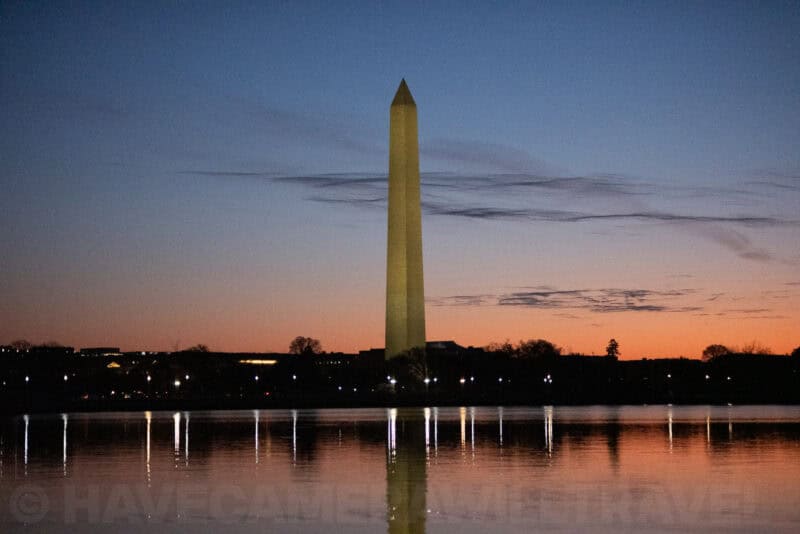
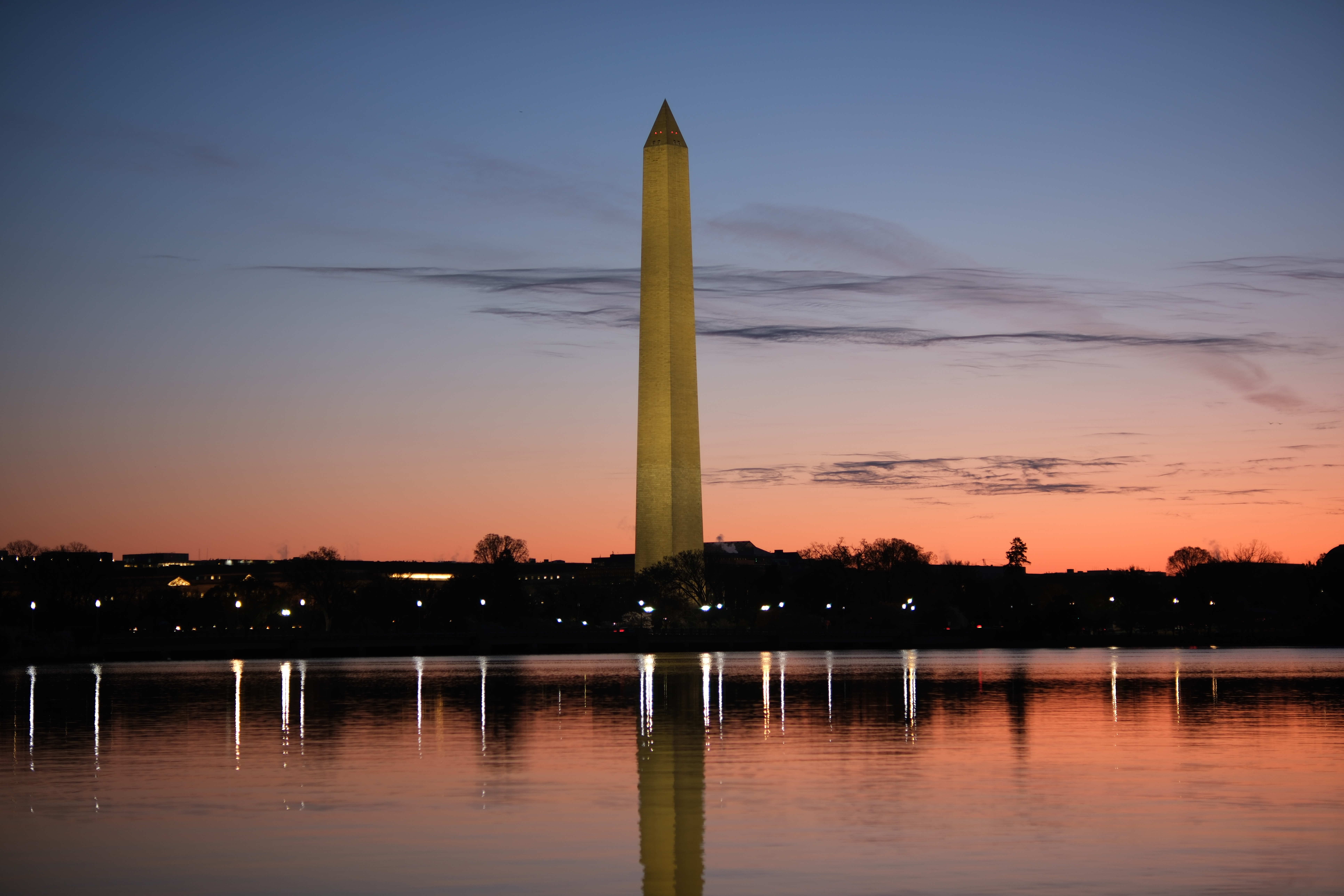
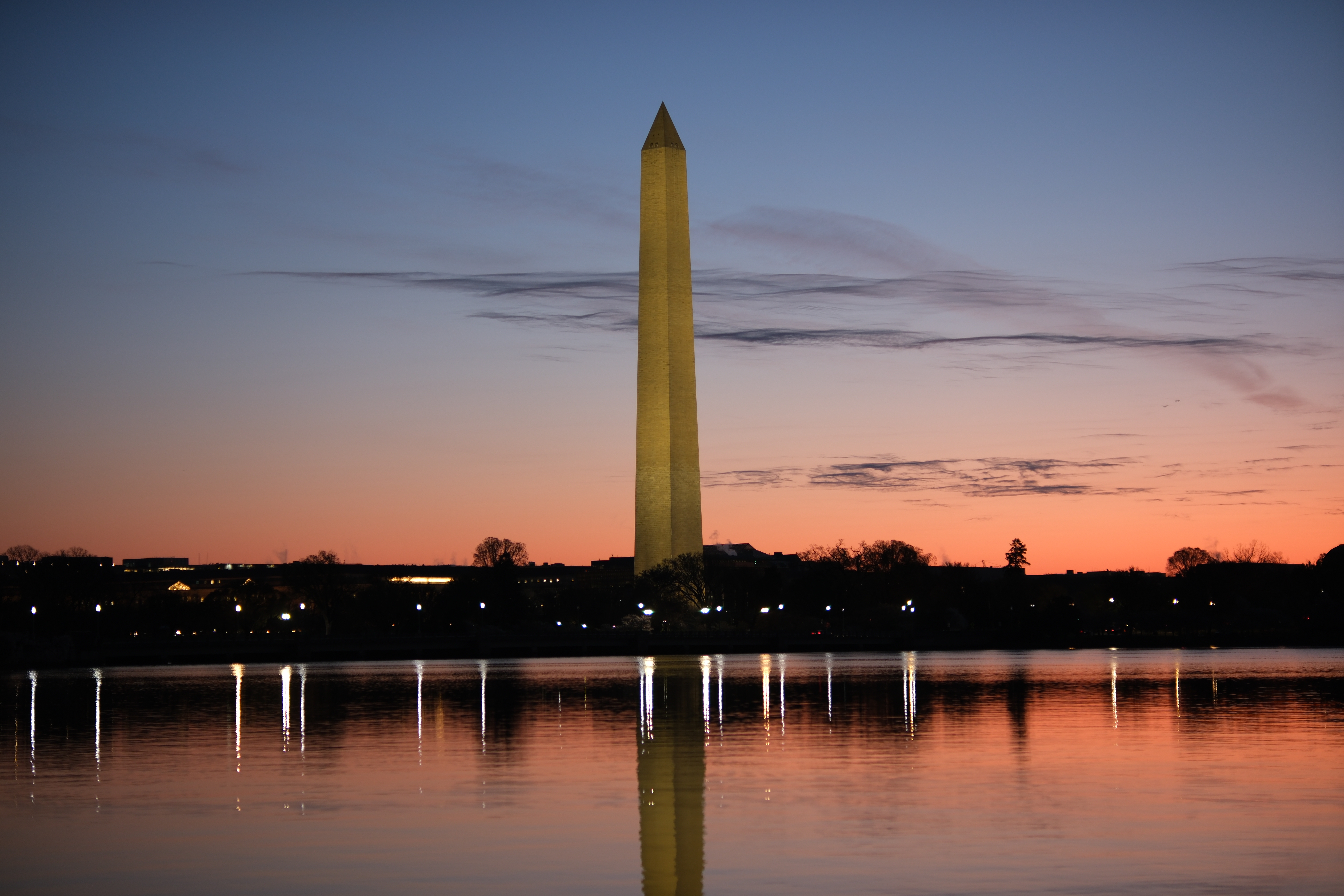
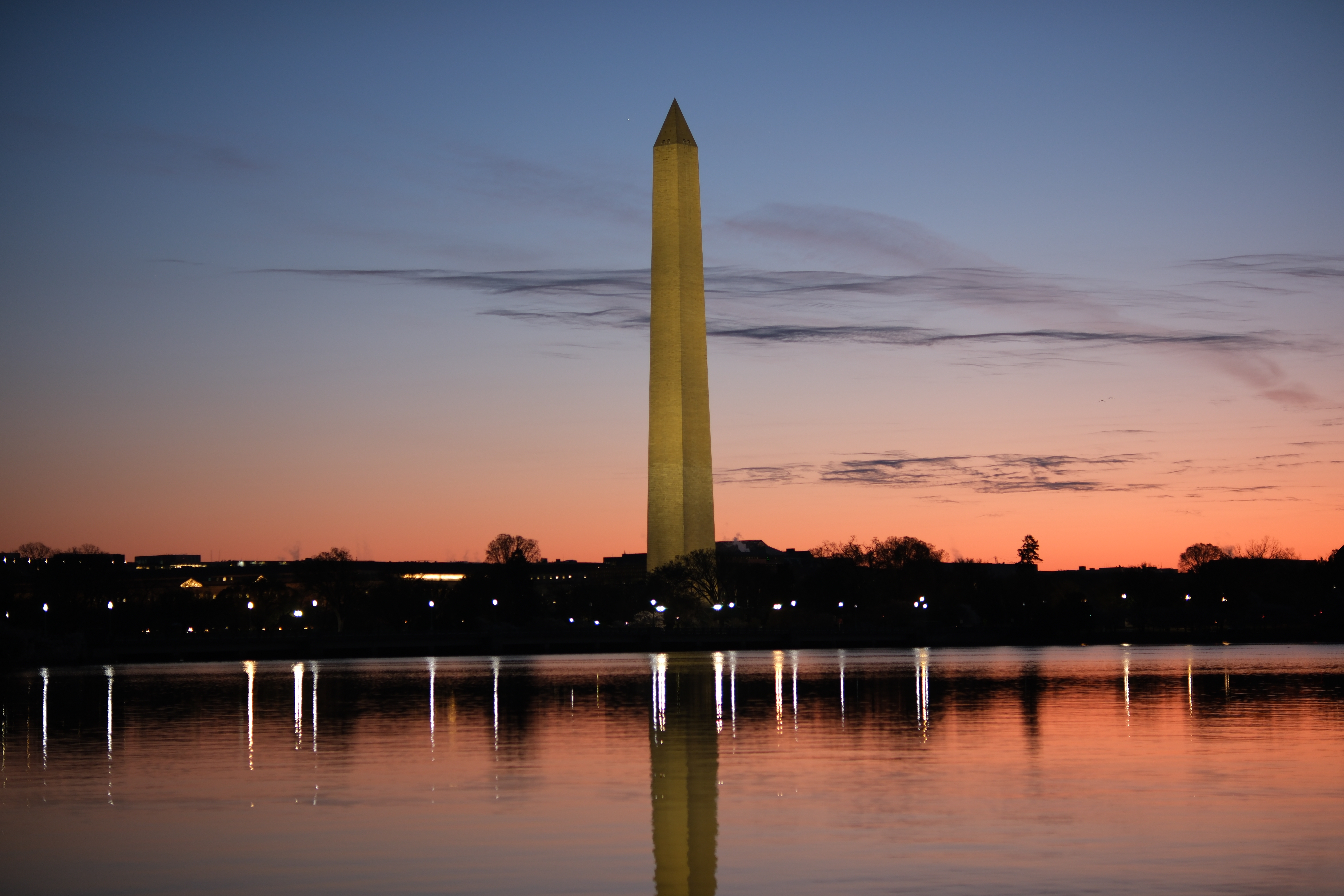
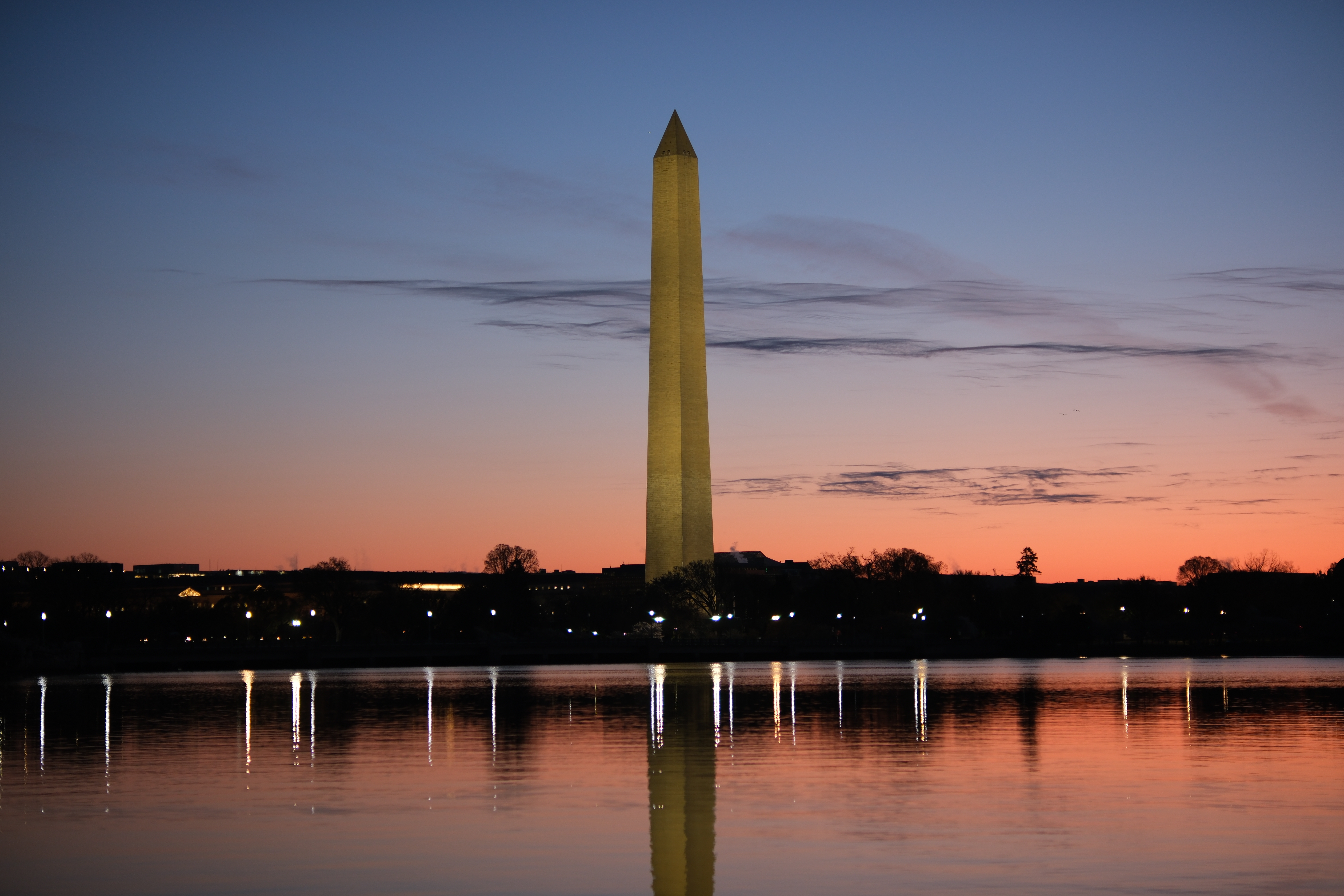
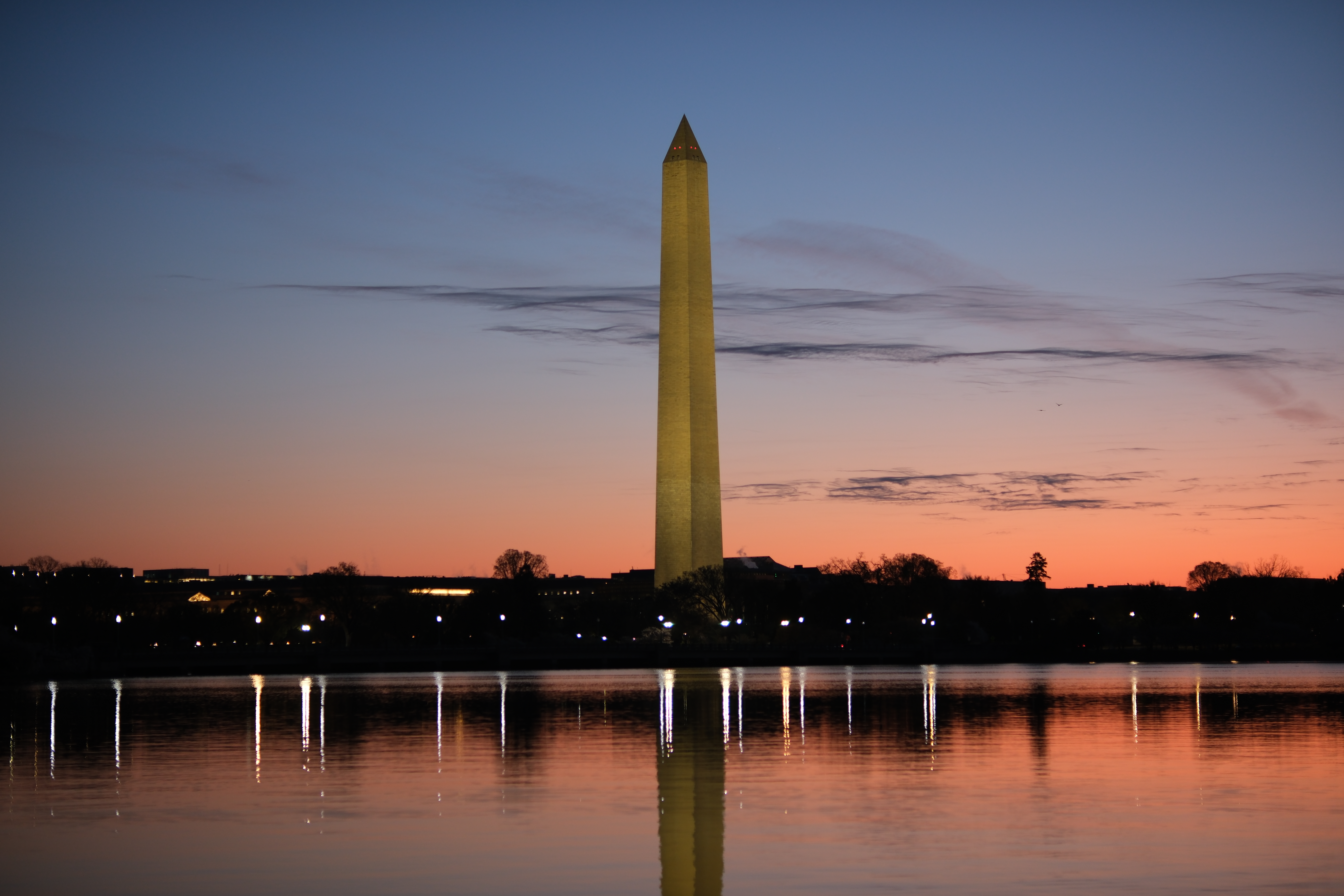
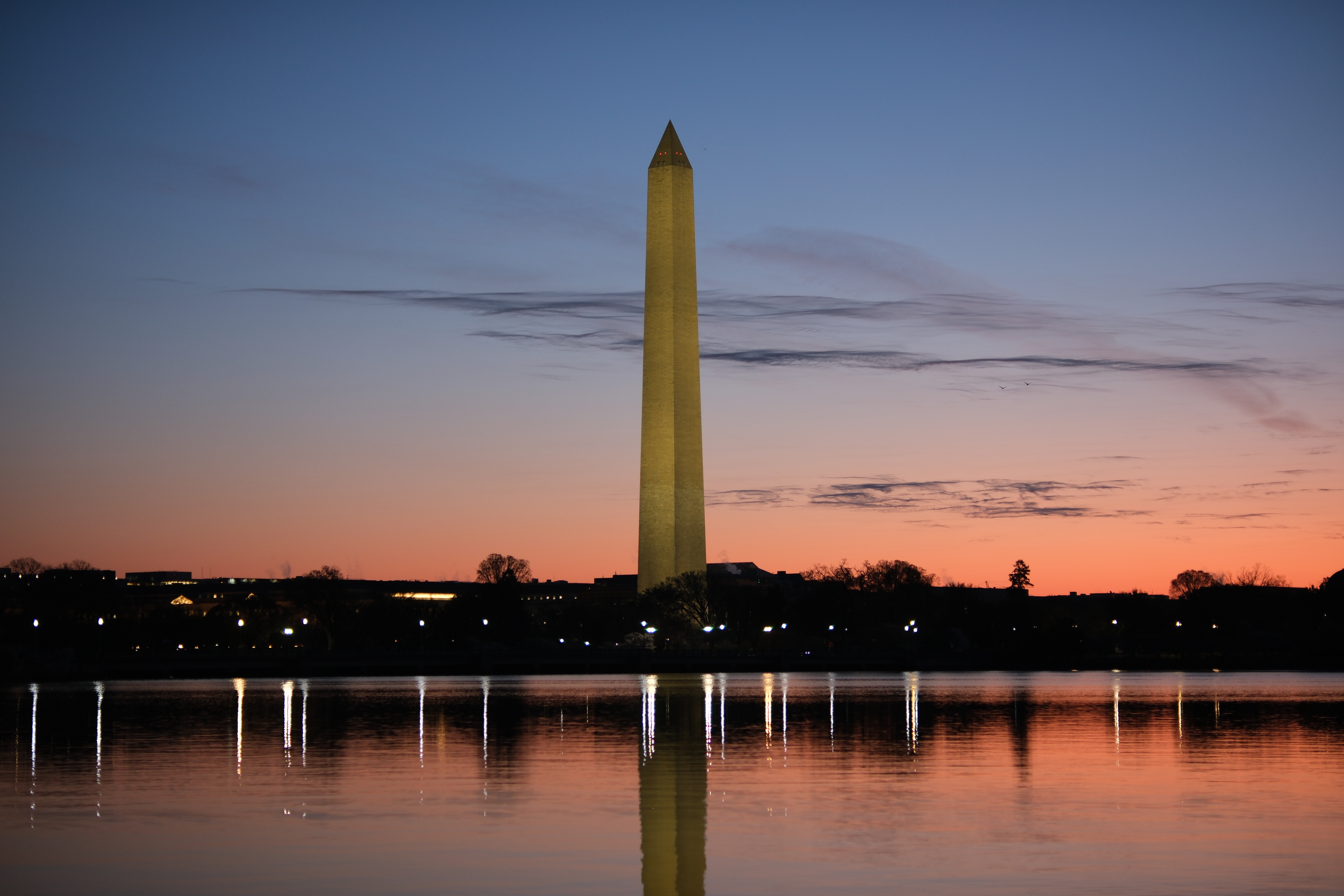
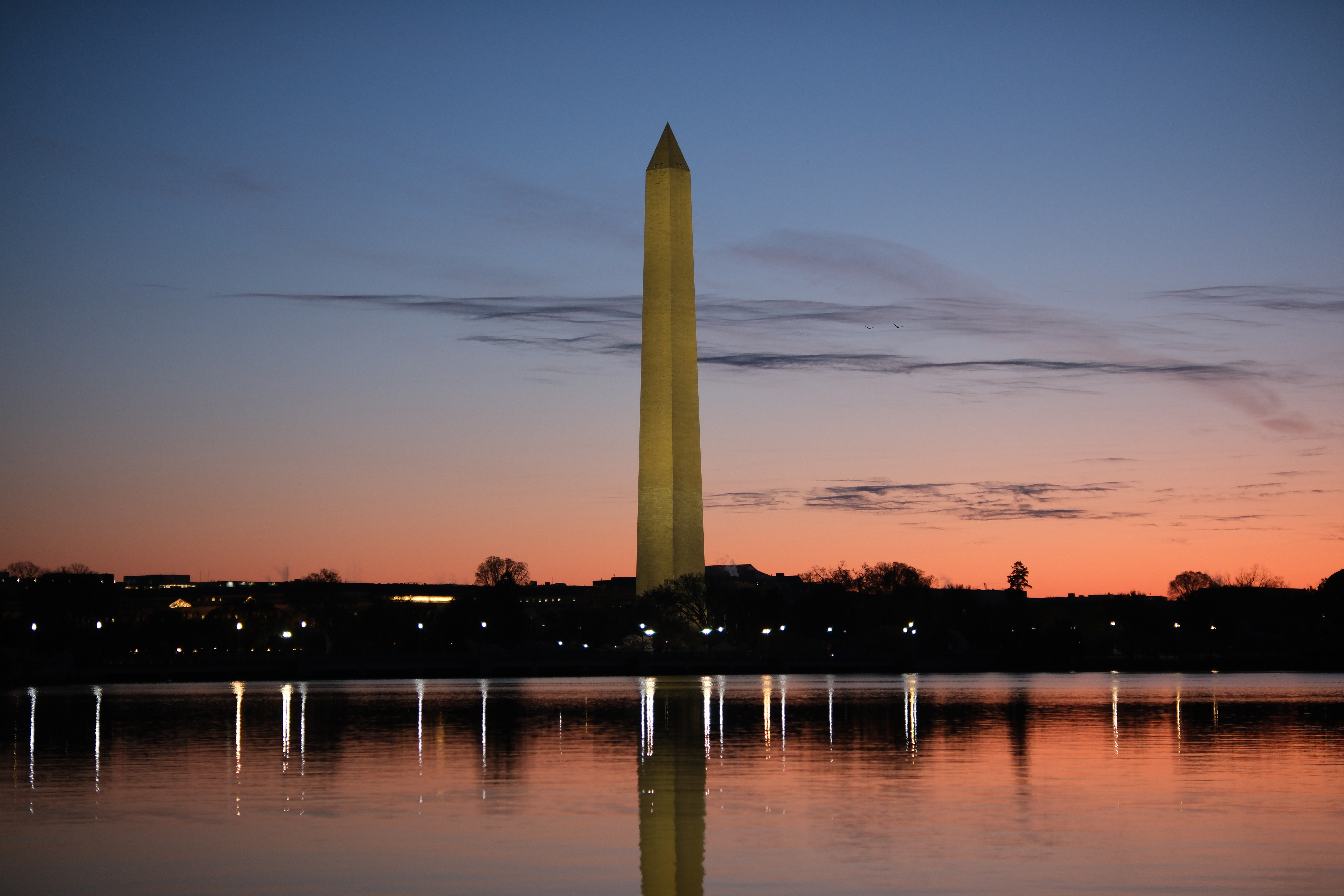
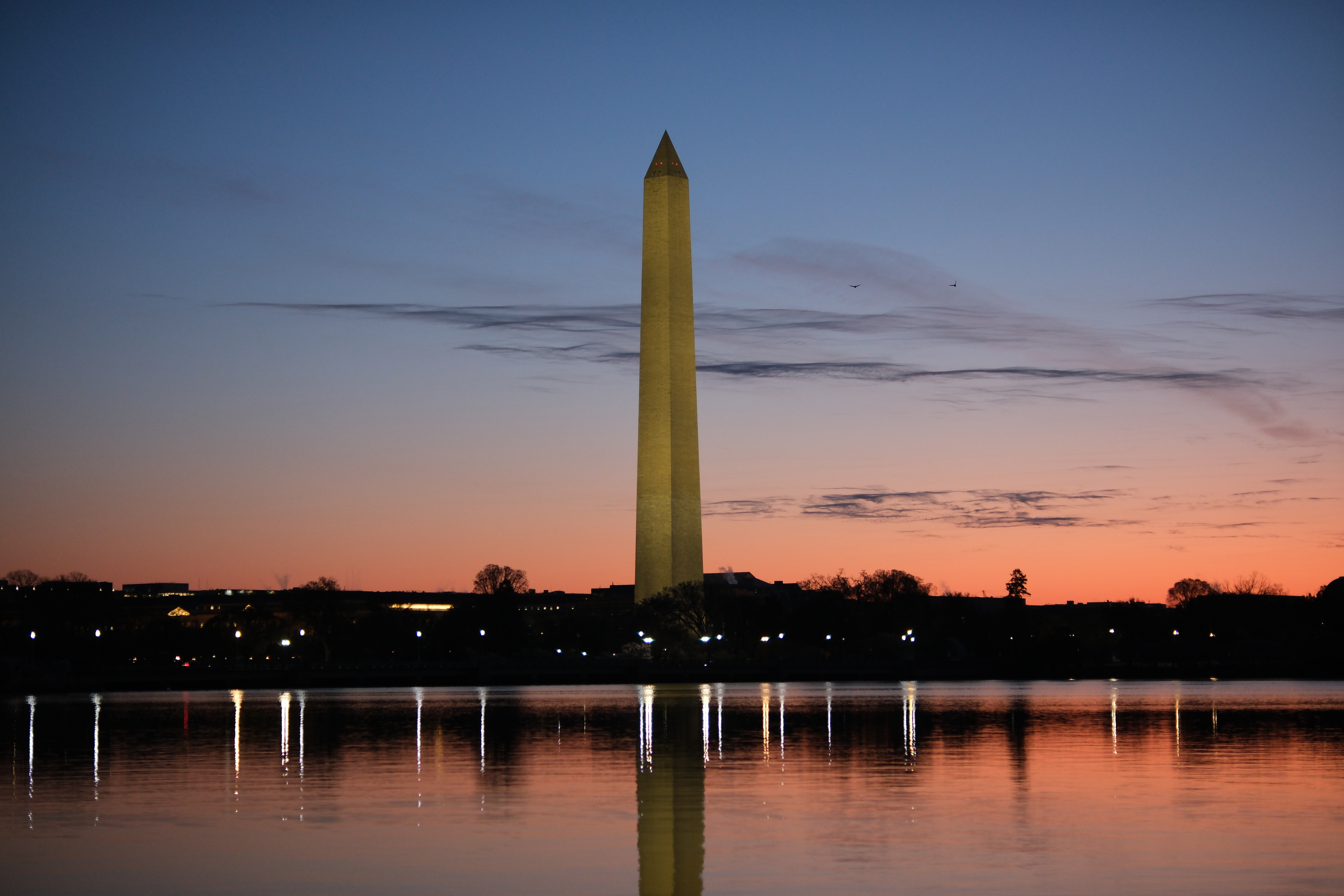
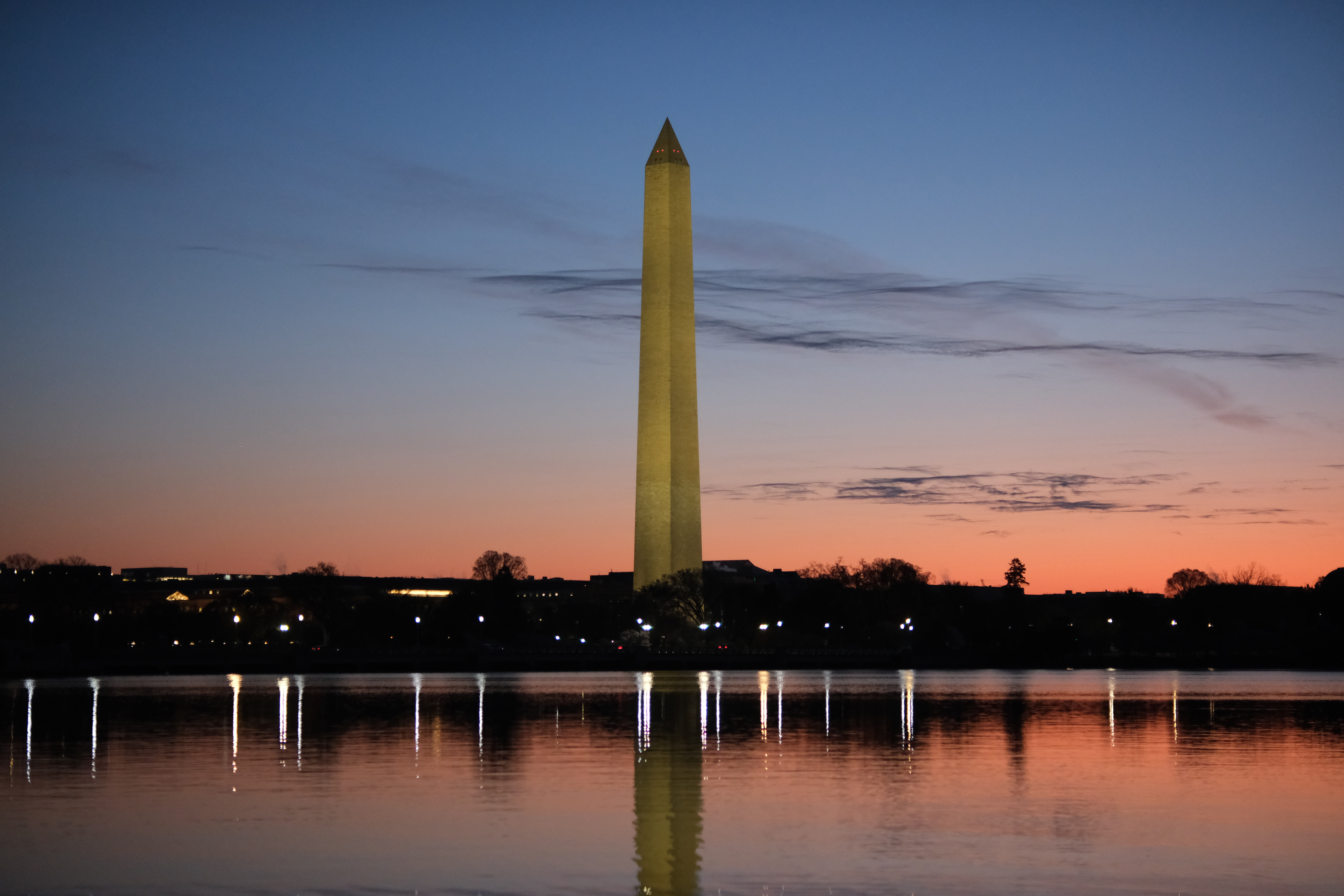
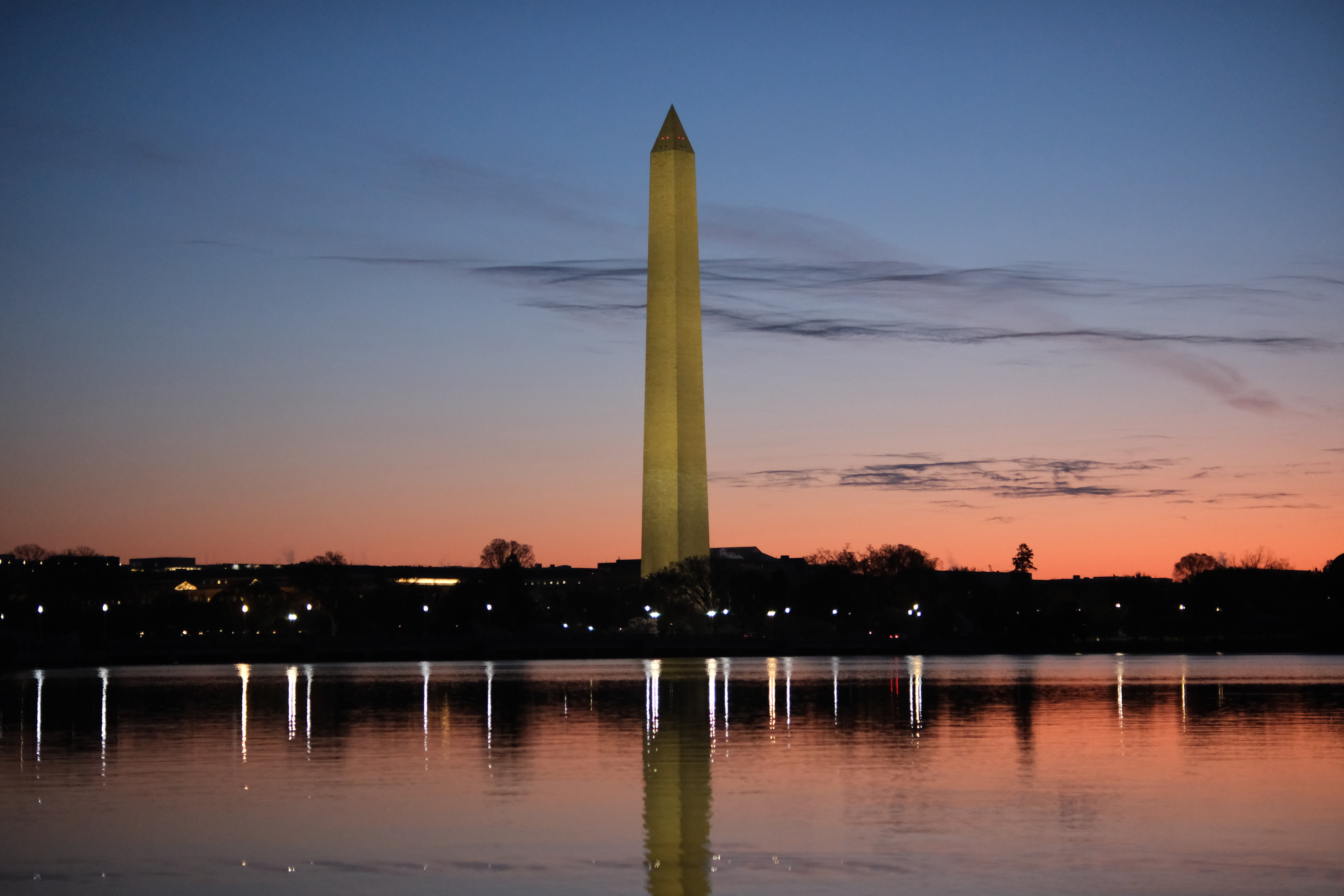
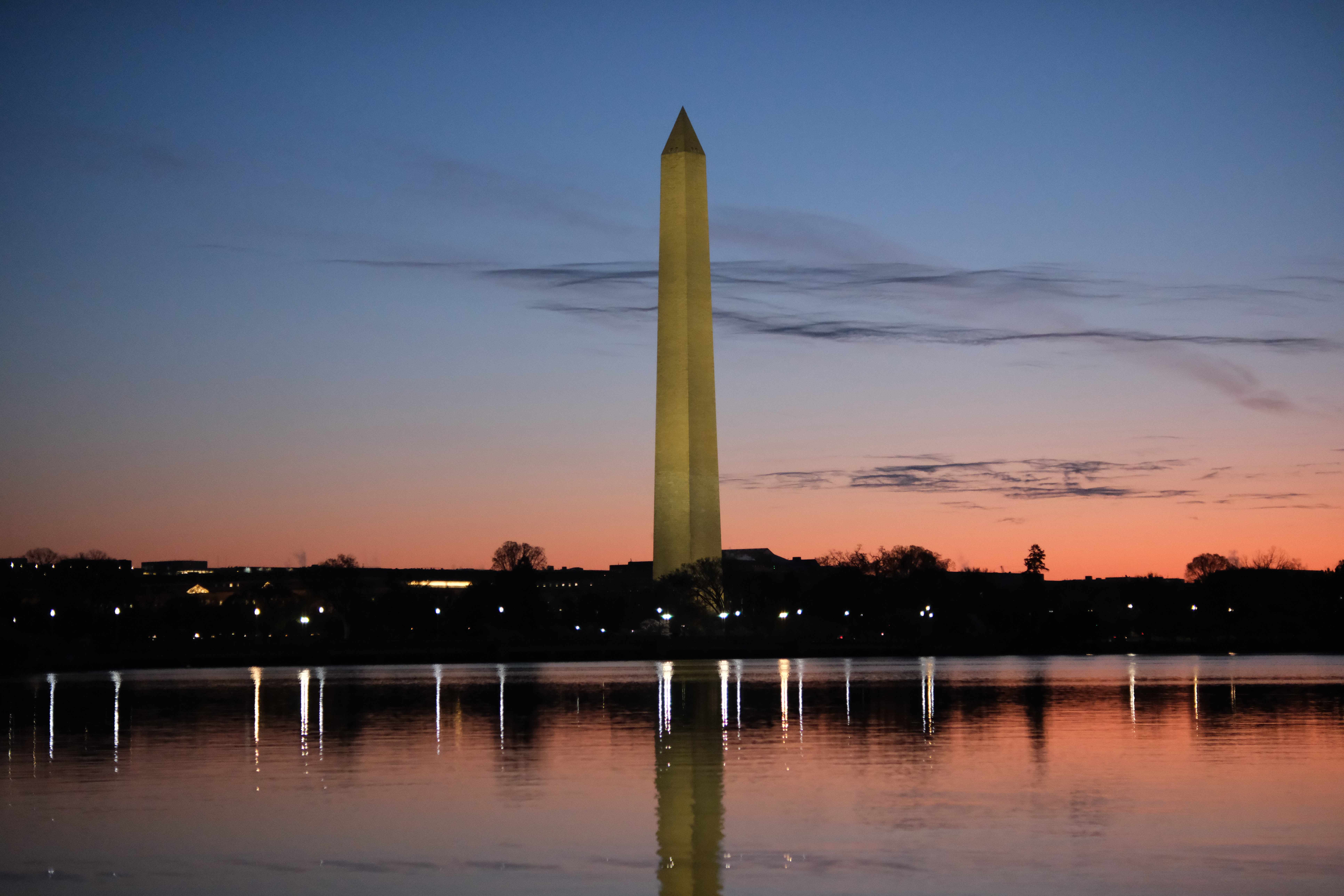
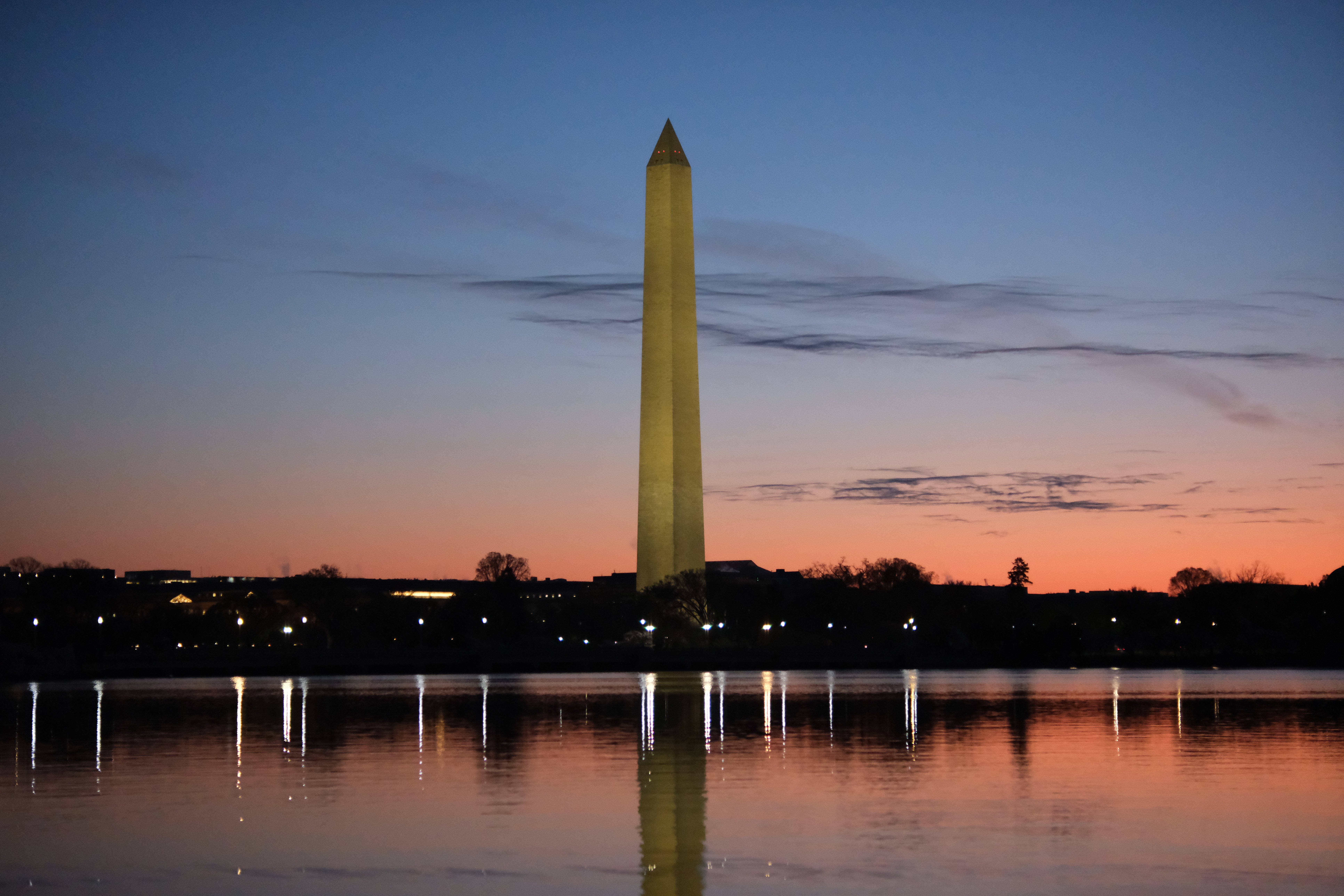
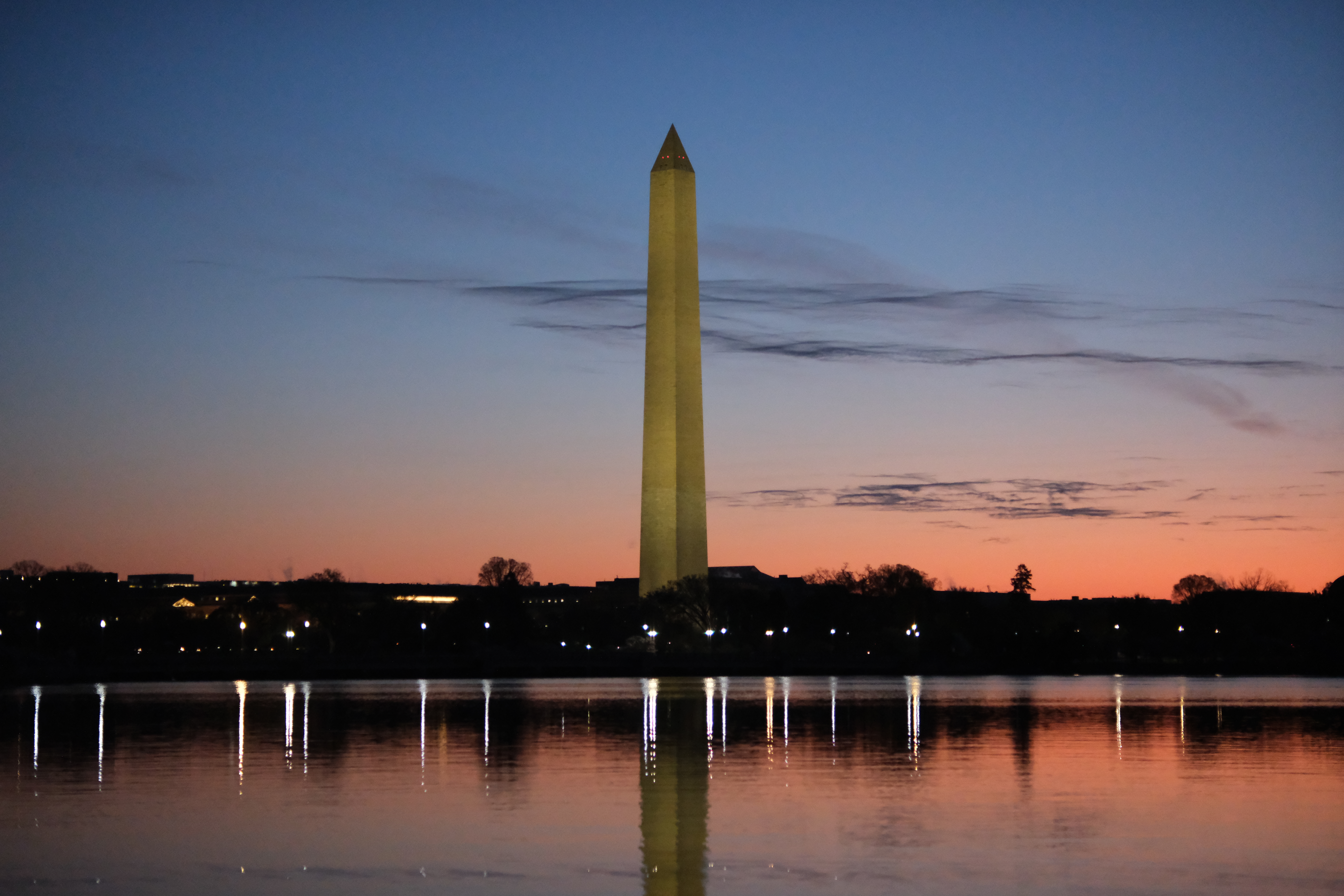
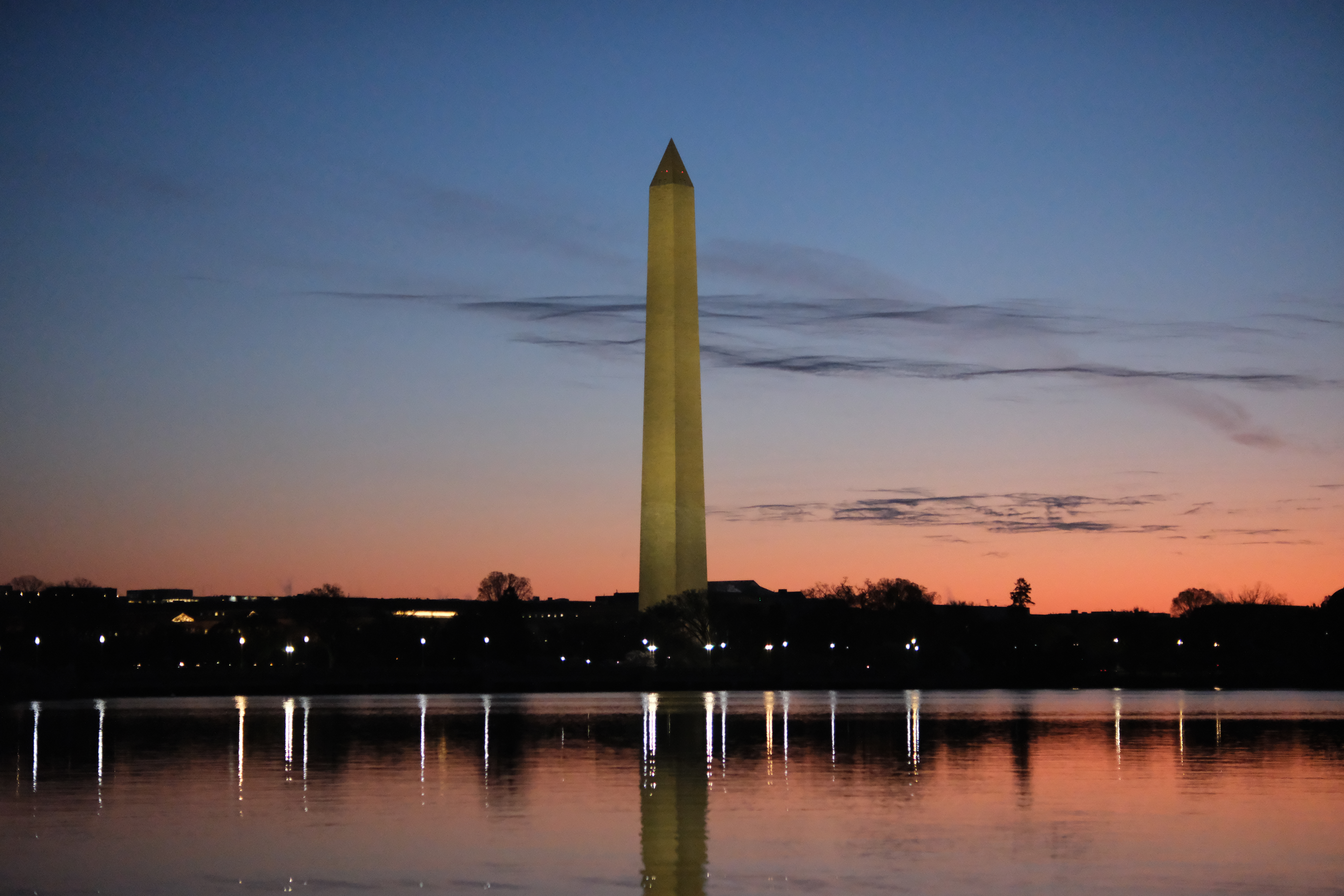
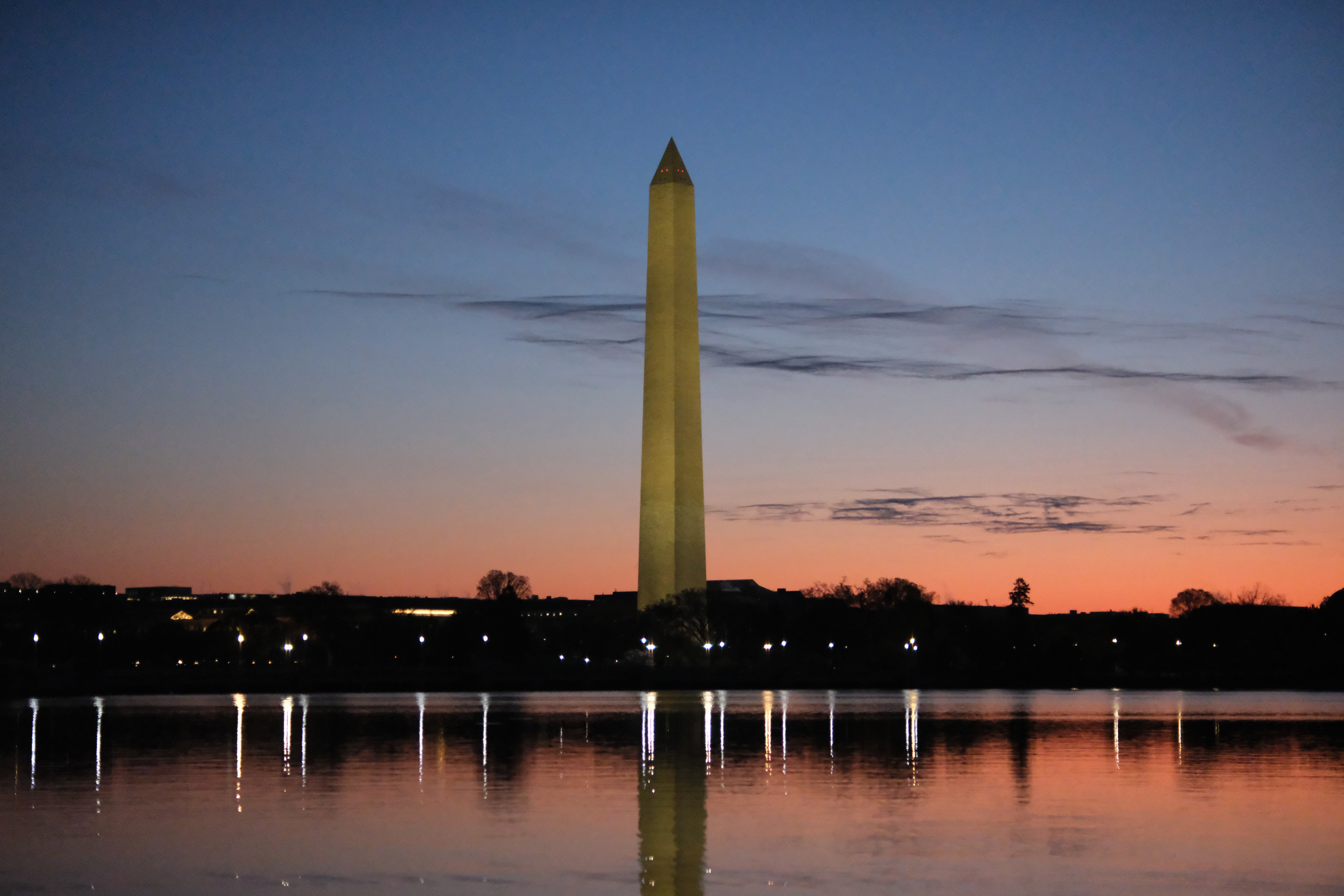
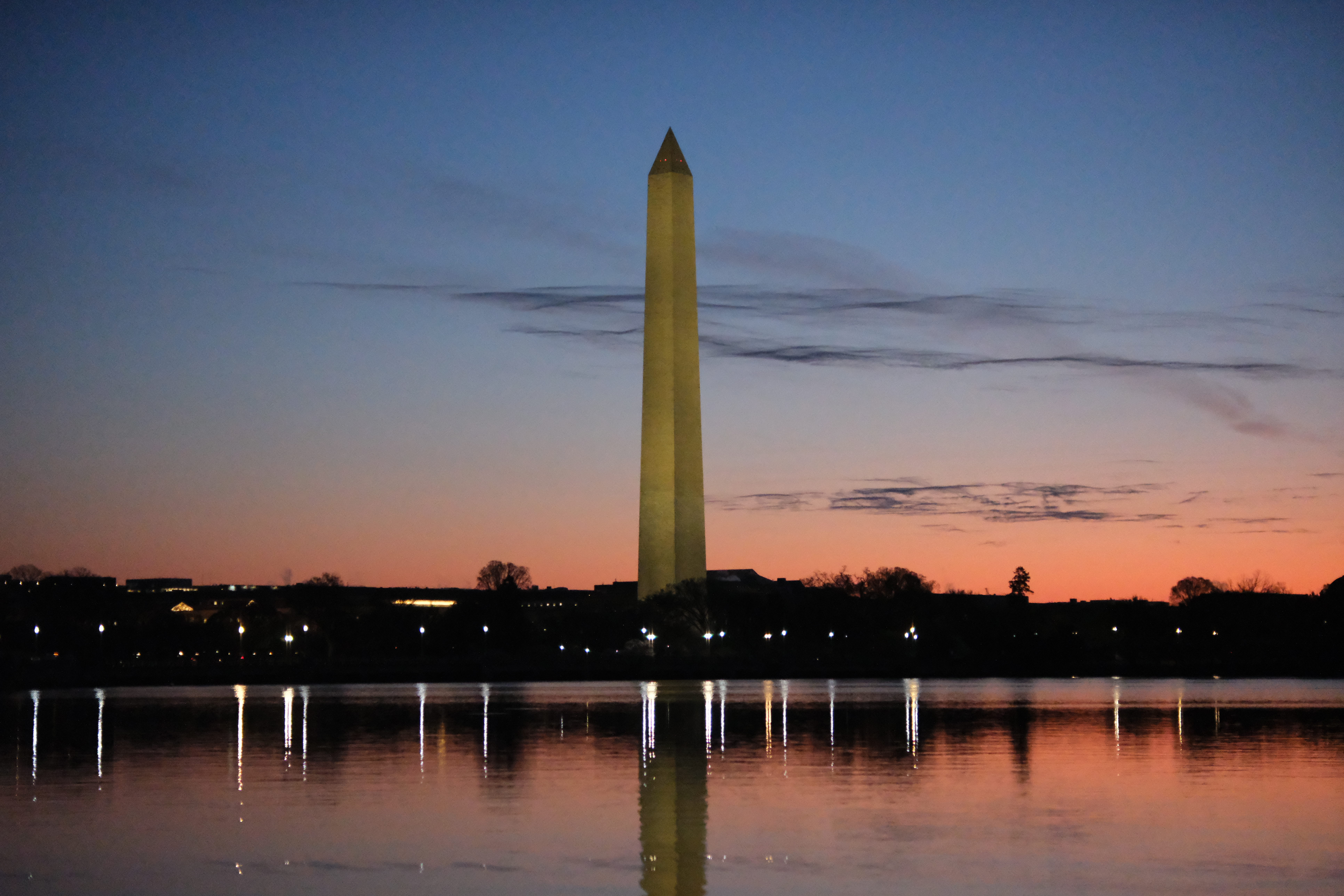
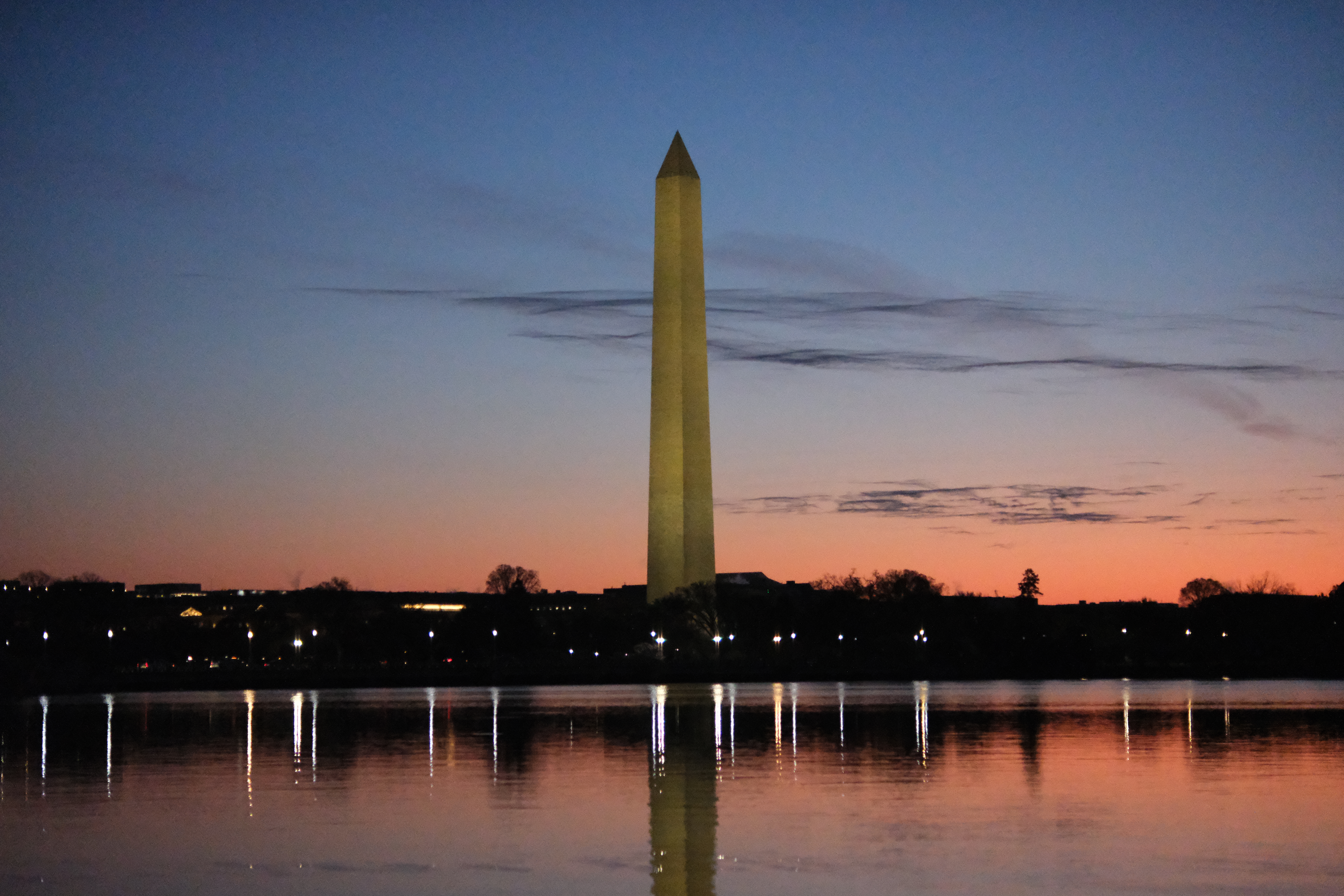
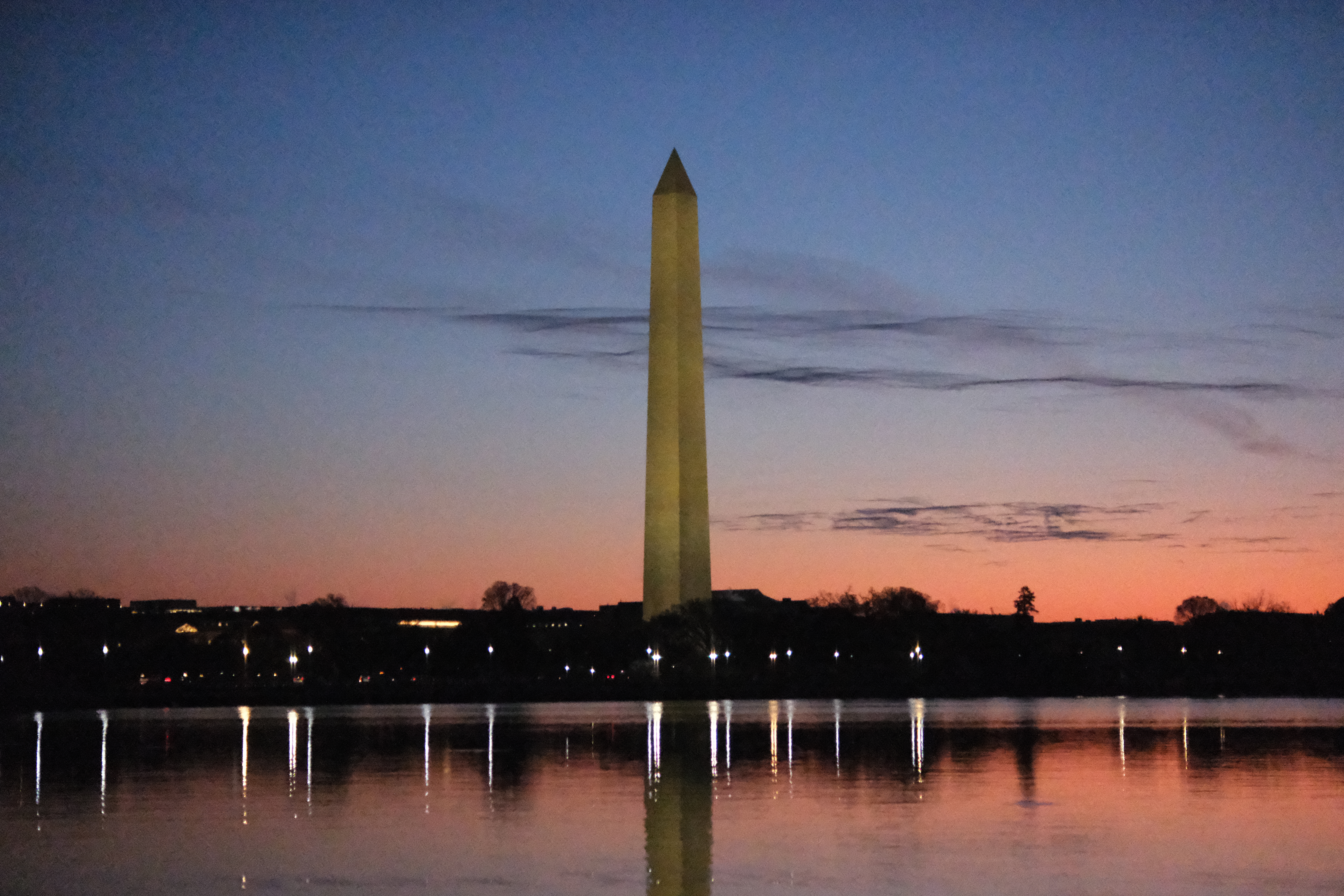
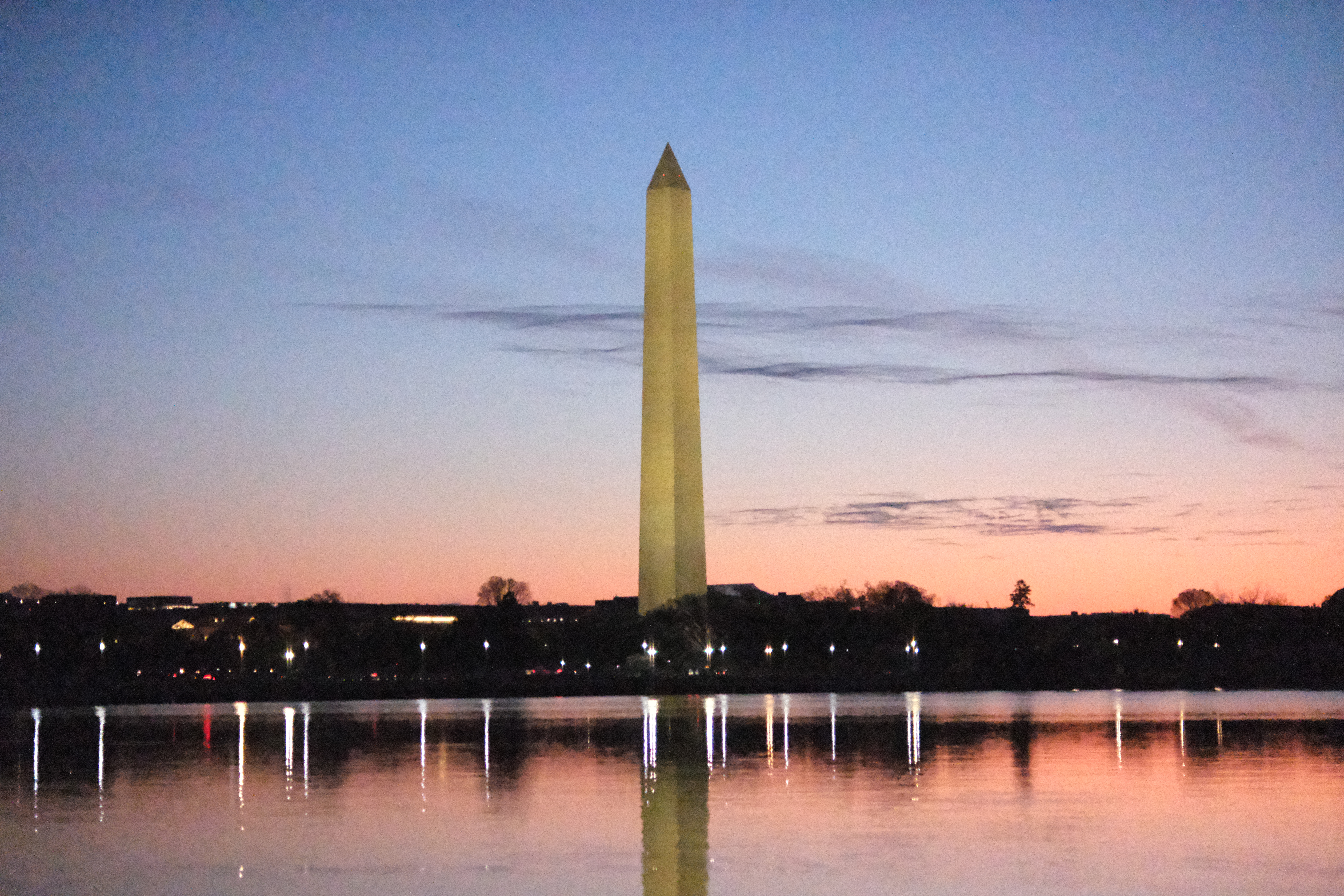
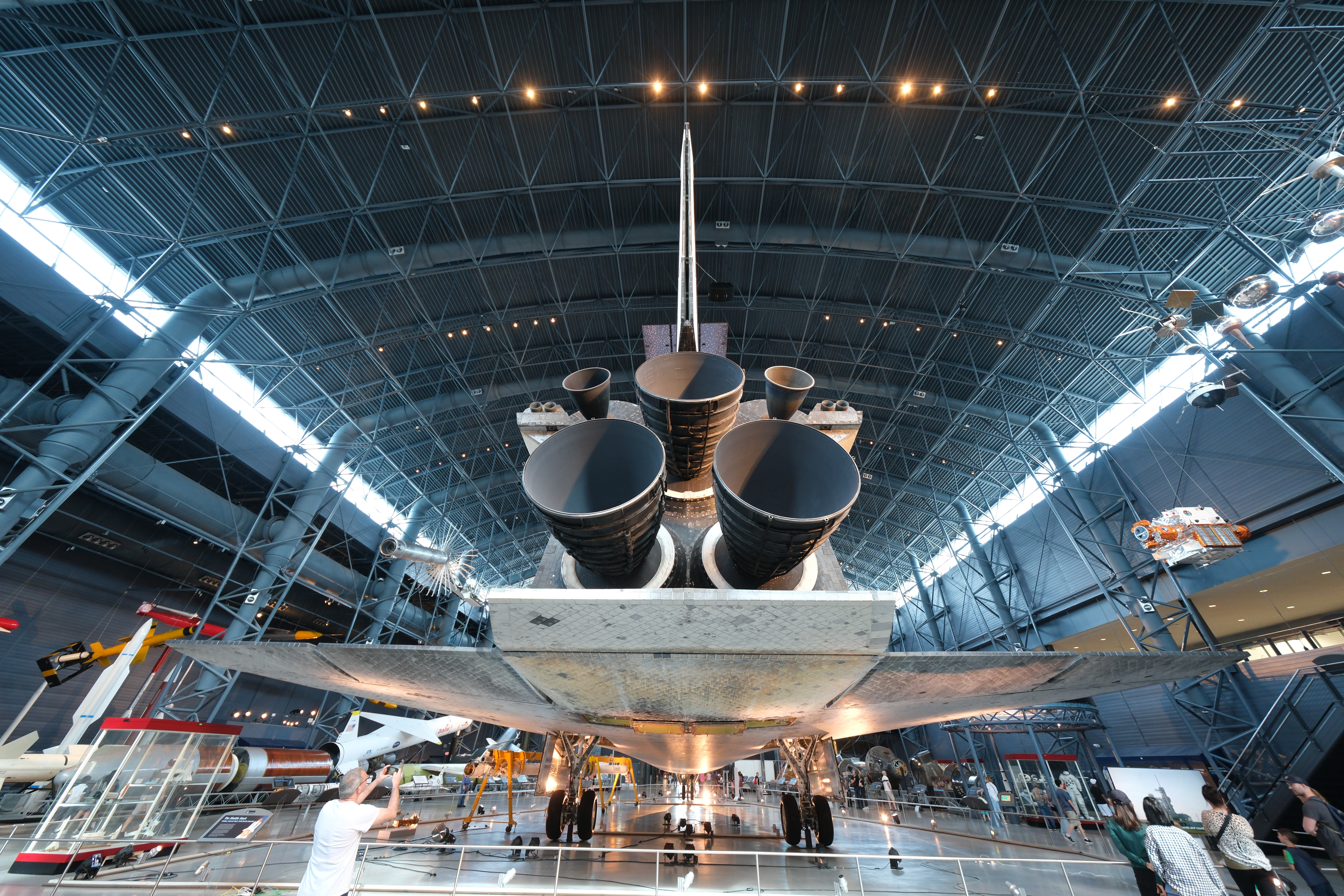
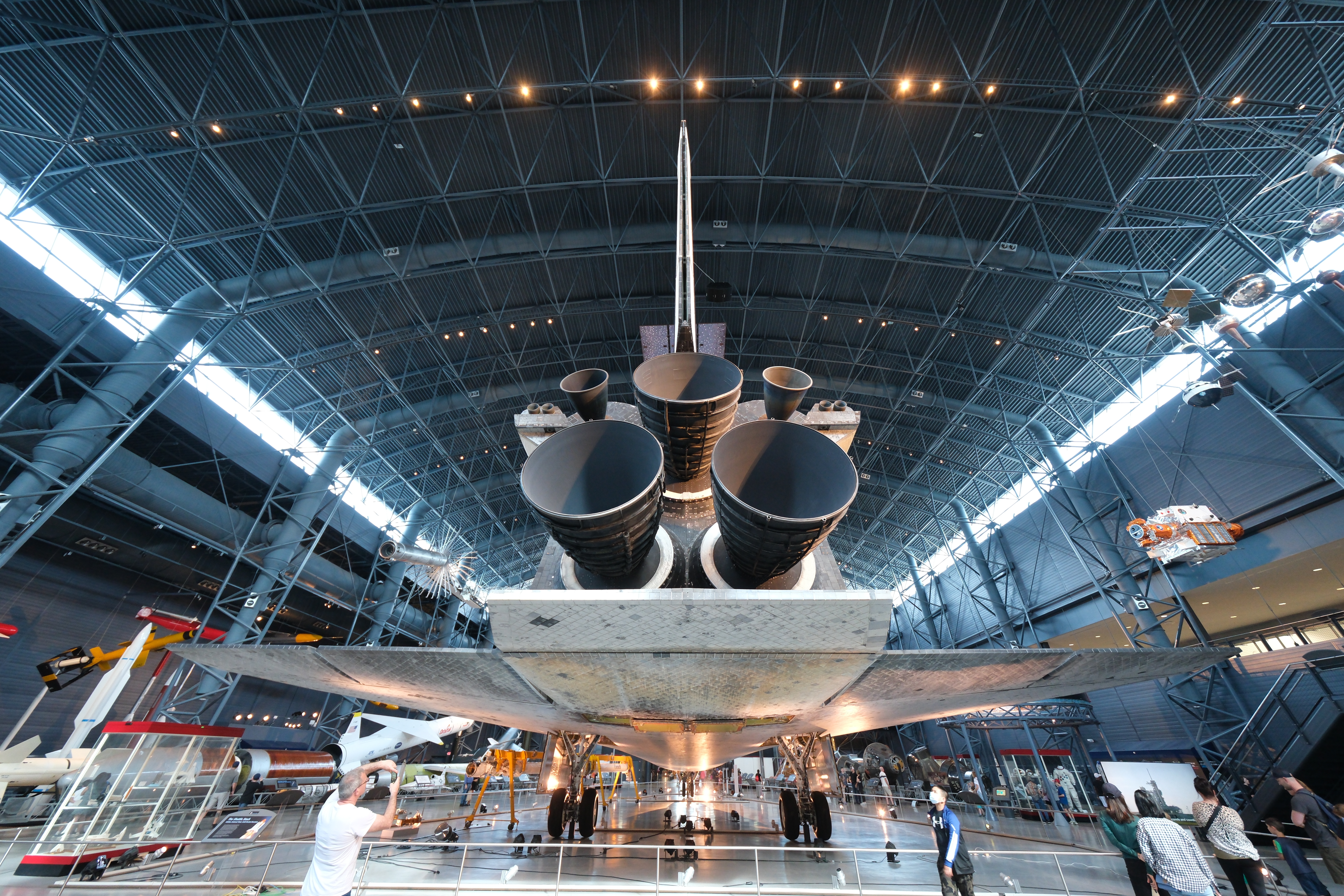
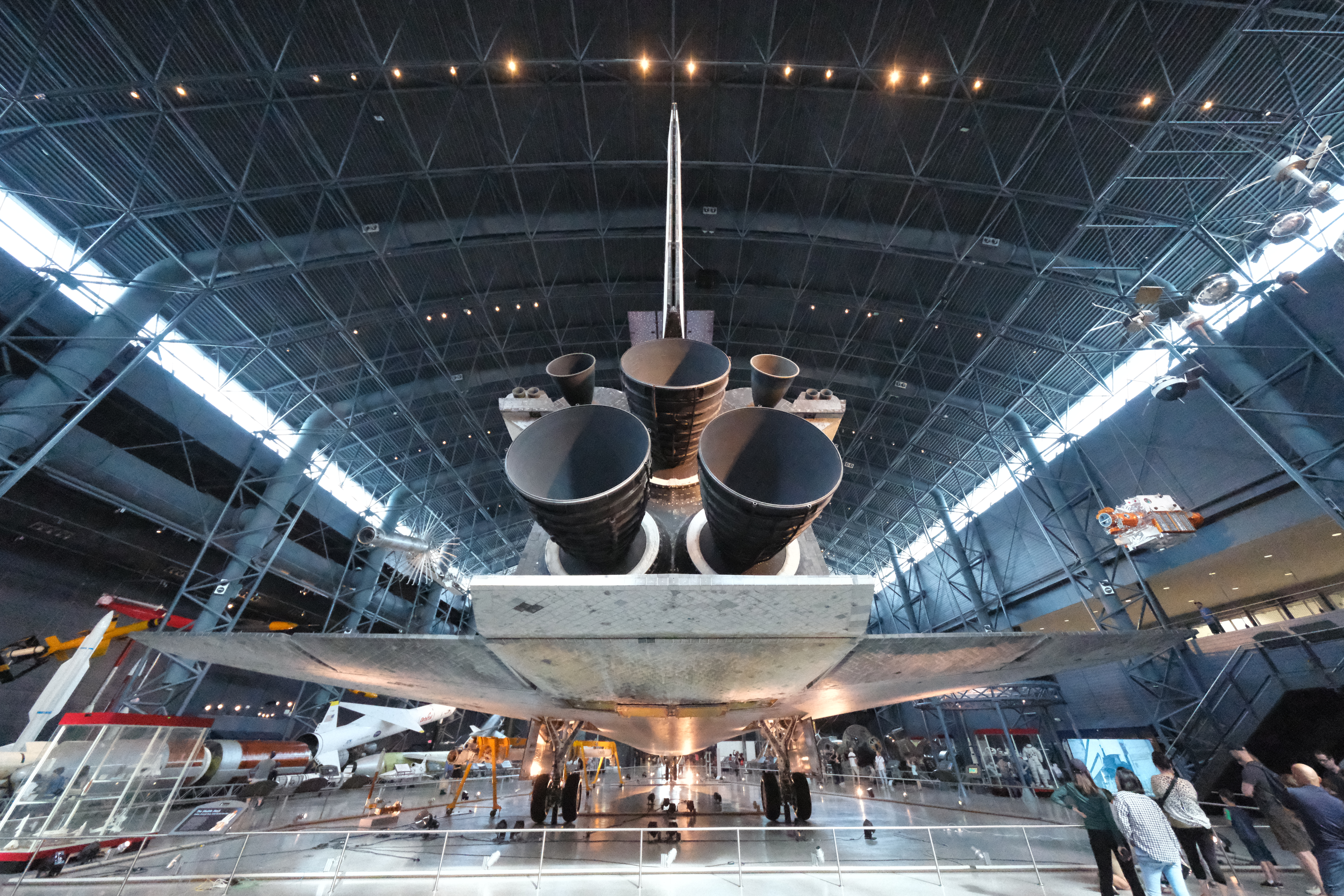
You can click on each image for a full-size version.
The versions you see embedded in the page here are generated from straight-from-camera JPG versions.
By default, the X-T5 adds noise reduction to enhance high-ISO JPGs. When shooting these, I’m using the camera’s default of 0. (You can also choose in settings along a sliding scale from -4 to +4.) So what you’re seeing here are the versions after the X-T5 has applied noise reduction in-camera. That’s why I’ve included links in the caption for each image to open the original JPG and RAW files. The RAW files, in particular, will give you the most accurate view of the sensor’s performance before processing.
But even then, there’s another layer. As standard procedure, the X-T5 embeds a JPG preview image in the RAW file. That preview image has the same processing as the JPG versions. And that is what shows when you first open the RAW file. So if you want to strip back to the actual RAW image, make sure to regenerate the thumbnails (aka previews) in your RAW image editor.
ISO range / series 1
The original RAW files for the images in this post are available to subscribers to my newsletter on the RAW file downloads page. The page is password-protected; the password is in the newsletter’s welcome email. The JPG versions linked in the captions stay free.
I’m focusing here on the ISO range when shooting photos. The available ISO range when shooting video is mostly the same, with a few key differences at the edges.
The native ISO of the X-T5’s video shooting is ISO 125 to 12,800. The extended range goes up to 25,600.
Things worth knowing about the X-T5’s ISO settings
Using ISO 25,600 and ISO 51,200 involves quite a lot of processing power. The result is there’s a noticeable slow-down in the camera when shooting at those as you wait for it to finish before moving on. It’s quick — less than a second or so — but definitely noticeable if you’re shooting a rapid sequence.
If you plan to use different software for addressing high-ISO issues when editing, you’ll be much better off using RAW files than processing on top of the already-processed JPG versions.
The extended ISO range settings aren’t available all the time. To enable them, you need to turn the sensitivity dial to C and then dial in the value with the front command dial. They’re not available through the Auto ISO banks, either. I’ve posted a guide to accessing the highest ISO settings separately.
Notes & References:
I’ve seen some tech spec pages for the X-T5 put the lowest setting at ISO 80. That’s incorrect–it’s ISO 64. [↩︎]
Found this helpful? Personalize your search results.
I take photos for a living. Now based in Washington, D.C., I have spent the last 30+ years shooting across seven continents — from underwater environments to mountain peaks. My images and time-lapses have appeared in major newspapers, magazines, museums, professional sports stadiums, and even on massive architectural scrims covering world-famous buildings.
I started this site in 2009 to field-test gear, share problem-solving solutions, and share what I've learned in shooting around the world. I only review gear and services I have personally used. No armchair opinions — just real-world experience. Because, for me, the fun is in the making of the photo.
I’m a XH-2 User. Great sample photos and job showing all the common interval settings. I generally don’t use extended ISO’s. I primarily was checking on the comparison of ISO64 vs just using the Native 125. With personal experience I don’t notice a benefit unless I am not using an ND filter and trying to slow down for long exposure. Comparing 12,800 with 25,600 or 51,200 was nice to see. If you can’t do burst photos with the higher than 12,800 it wouldn’t be beneficial to me but I’ll run a test.

































I’m a XH-2 User. Great sample photos and job showing all the common interval settings. I generally don’t use extended ISO’s. I primarily was checking on the comparison of ISO64 vs just using the Native 125. With personal experience I don’t notice a benefit unless I am not using an ND filter and trying to slow down for long exposure. Comparing 12,800 with 25,600 or 51,200 was nice to see. If you can’t do burst photos with the higher than 12,800 it wouldn’t be beneficial to me but I’ll run a test.