
The HERO5 Black’s video tops out at 4K30, 1080p120, and 720p240 — the same peaks as the HERO4 Black — but adds in-camera stabilization (in some modes) and the distortion-free Linear field of view, alongside SuperView, Wide, Medium, and Narrow. Sizes, aspect ratios, file types, and which FOVs work where are below.
It records H.264 only — HEVC arrived with the HERO6. NTSC/PAL determines which framerates you see; that switch is covered at the end.
The GoPro HERO5 Black shares many of the same video modes with its predecessor, the HERO4 Black.

Have Camera Will Travel Newsletter
Practical field notes, hands-on gear tests, and the fun of exploring the world with a camera in hand.

The top-end video modes remain 4K30, 1080p120, and 720p240. So if you were hoping for 8K video or 4K60, you’ll have to wait a bit longer yet.
Two new additional features are available in many, but not all, video modes. They are the new Linear FOV mode, which corrects for fisheye distortion in-camera, and the built-in video stabilization that smooths out the footage in the camera.
Relative sizes and aspect ratios
Here’s a graphic showing the relative sizes and aspect ratios of the available video resolutions. Click on the image to open a full-size version at 1:1.

Note that in practice the zoom is done from the center of the frame.
Video file types on the HERO5 Black
The HERO5 Black outputs .mp4 files in 8-bits with a variable bitrate setting. They’re encoded with the widely compatible H.264 (AVC) video codec, so you can edit and share them just about anywhere and with nearly all video editing, playing, and sharing software and services.
Fields of view when shooting video with the HERO5 Black
The GoPro HERO5 has a fixed lens, but it’s capable of outputting video in five different fields of view, or FOV settings (FOV is also often known as lens perspective).
Not every FOV setting is available in every combination of resolution and framerate–see the table below for details. The different video FOV settings available are:
SuperView FOV
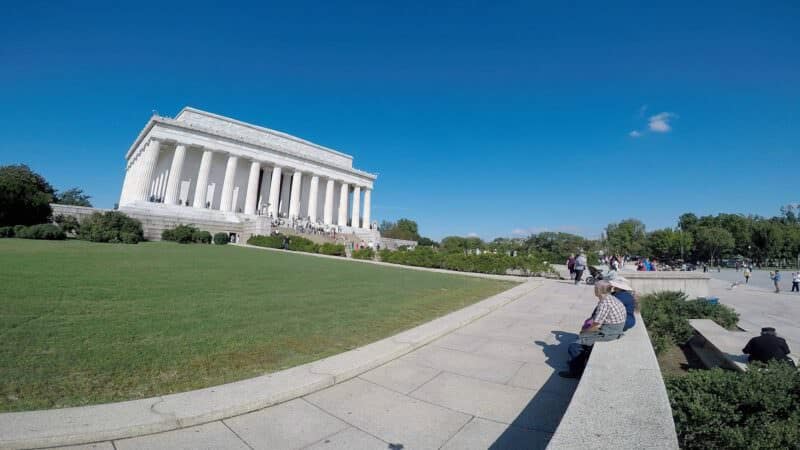
Unique to GoPro (and trademarked by them), SuperView is an even wider view than the standard wide view. It’s good for an exaggerated immersive look such as from chest harnesses or helmets, but it also adds even more distortion by stretching the content.
Wide FOV
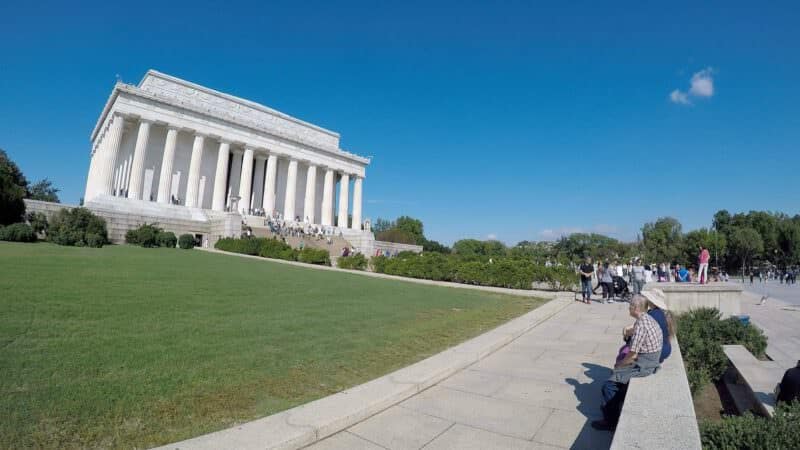
This is with the most commonly used settings. It provides a large field of view in wide-angle but also adds that distinctive fisheye look that GoPro footage has become known for.
(It’s possible to correct the fisheye distortion in post-production.)
Medium FOV
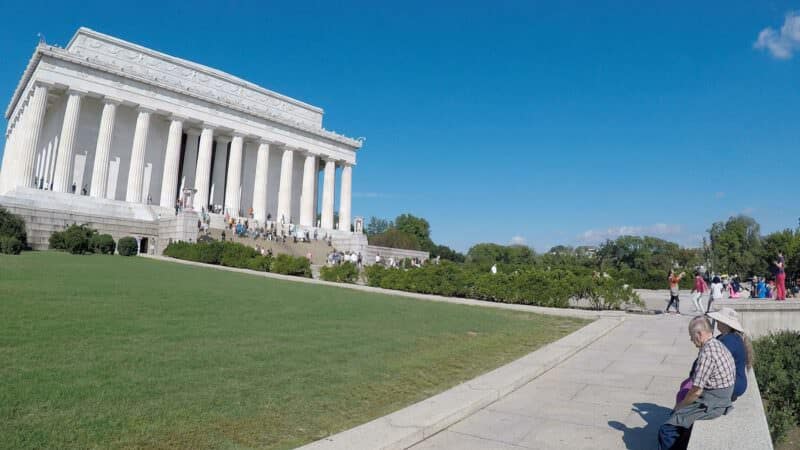
This is a zoomed-in field of view, focusing on the center of the frame. Note that the “zooming” is a digital manipulation, not an optical change in the lens. That is, it’s really a type of cropping, although the output dimensions remain the same.
Linear FOV
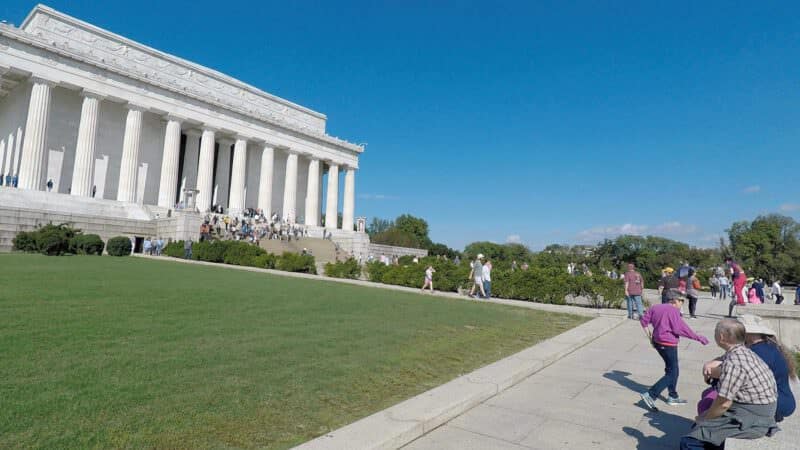
This is a new setting with the HERO5 line that corrects for the fisheye distortion in-camera rather than having to do it in post-production. It’s good if you want a more traditional perspective, for aerial drone footage, or you don’t want bendy lines that should be straight. It does reduce the field of view around the edges of the frame.
I have more detail on the linear FOV setting here, along with more examples.
Narrow FOV
This is the most-zoomed-in perspective. But again, it’s really a type of digital cropping, not optical zooming (although the output video dimensions remain the same).
It’s also worth noting that there are actually two versions of the Narrow FOV: the one used in the ultra-high-speed 720p240 setting is smaller than at the other resolutions and framerates.
Protune settings on the HERO5 Black
Protune is GoPro’s name for its suite of expert controls that lets you override some of the automatic exposure settings.
| Protune Option | HERO5 Black |
|---|---|
| Color | GoPro Color (default), Flat |
| White Balance | Auto (default), 3000K, 4000K, 4800K, 5500K, 6000K, 6500K, Native |
| ISO | 6400, 3200, 1600, 1200, 800, 400 (used as the maximum; when Shutter isn’t Auto, the value can be locked) |
| Shutter | Auto (default), 1/FPS, 1/(2xFPS), 1/(4xFPS), 1/(8xFPS) |
| Exposure Value Compensation | -2.0 to +2.0 (default 0; for video, only when Shutter is Auto) |
| Sharpness | High (default), Medium, Low |
| RAW Audio | Low, Med, High (saves a separate .wav file) |
Protune isn’t available in Video + Photo, Looping, or Time Lapse Video. For other GoPro models, see the Protune settings guide.
Master list of video modes available on the GoPro HERO5 Black
Here’s a master list of all the video resolutions and framerates, along with the corresponding bitrates and whether or not stabilization is available with that setting.
| Resolution | FPS | FOV | Dimensions | Aspect Ratio | Bitrate (megabits/s) - Protune / + Protune | Stabilization? |
|---|---|---|---|---|---|---|
| 4K | 30 | Wide | 3840x2160 | 16:9 | 60 / 60 | - |
| 25 | Wide | 3840x2160 | 16:9 | 60 / 60 | - | |
| 24 | Wide | 3840x2160 | 16:9 | 60 / 60 | - | |
| SuperView | 3840x2160 | 16:9 | 60 / 60 | - | ||
| 2.7K | 60 | Wide | 2704x1520 | 16:9 | 60 / 60 | ✓ |
| Medium | 2704x1520 | 16:9 | 60 / 60 | ✓ | ||
| Linear | 2704x1520 | 16:9 | 60 / 60 | ✓ | ||
| 50 | Wide | 2704x1520 | 16:9 | 60 / 60 | ✓ | |
| Medium | 2704x1520 | 16:9 | 60 / 60 | ✓ | ||
| Linear | 2704x1520 | 16:9 | 60 / 60 | ✓ | ||
| 48 | Wide | 2704x1520 | 16:9 | 60 / 60 | ✓ | |
| Medium | 2704x1520 | 16:9 | 60 / 60 | ✓ | ||
| Linear | 2704x1520 | 16:9 | 60 / 60 | ✓ | ||
| 30 | SuperView | 2704x1520 | 16:9 | 45 / 45 | ✓ | |
| Wide | 2704x1520 | 16:9 | 45 / 45 | ✓ | ||
| Medium | 2704x1520 | 16:9 | 45 / 45 | ✓ | ||
| Linear | 2704x1520 | 16:9 | 45 / 45 | ✓ | ||
| 25 | SuperView | 2704x1520 | 16:9 | 45 / 45 | ✓ | |
| Wide | 2704x1520 | 16:9 | 45 / 45 | ✓ | ||
| Medium | 2704x1520 | 16:9 | 45 / 45 | ✓ | ||
| Linear | 2704x1520 | 16:9 | 45 / 45 | ✓ | ||
| 24 | Wide | 2704x1520 | 16:9 | 45 / 45 | ✓ | |
| Medium | 2704x1520 | 16:9 | 45 / 45 | ✓ | ||
| Linear | 2704x1520 | 16:9 | 45 / 45 | ✓ | ||
| 2.7K 4:3 | 30 | Wide | 2704x2028 | 4:3 | 45 / 60 | ✓ |
| 25 | Wide | 2704x2028 | 4:3 | 45 / | ✓ | |
| 1440p | 80 | Wide | 1920x1440 | 4:3 | 60 / 60 | - |
| 60 | Wide | 1920x1440 | 4:3 | 45 / 60 | ✓ | |
| 50 | Wide | 1920x1440 | 4:3 | 30 / 45 | ✓ | |
| 48 | Wide | 1920x1440 | 4:3 | 30 / 45 | ✓ | |
| 30 | Wide | 1920x1440 | 4:3 | 30 / 30 | ✓ | |
| 25 | Wide | 1920x1440 | 4:3 | 30 / 30 | ✓ | |
| 24 | Wide | 1920x1440 | 4:3 | 30 / 30 | ✓ | |
| 1080p | 120 | Wide | 1920x1080 | 16:9 | 60 / 60 | - |
| Narrow | 1920x1080 | 16:9 | 60 / 60 | - | ||
| 90 | Wide | 1920x1080 | 16:9 | 60 / 60 | - | |
| 80 | SuperView | 1920x1080 | 16:9 | 60 / 60 | - | |
| 60 | SuperView | 1920x1080 | 16:9 | 30 / 45 | ✓ | |
| Wide | 1920x1080 | 16:9 | 30 / 45 | ✓ | ||
| Medium | 1920x1080 | 16:9 | 30 / 45 | ✓ | ||
| Linear | 1920x1080 | 16:9 | 30 / 45 | ✓ | ||
| Narrow | 1920x1080 | 16:9 | 30 / 45 | ✓ | ||
| 50 | SuperView | 1920x1080 | 16:9 | 30 / 30 | ✓ | |
| Wide | 1920x1080 | 16:9 | 30 / 30 | ✓ | ||
| Medium | 1920x1080 | 16:9 | 30 / 30 | ✓ | ||
| Linear | 1920x1080 | 16:9 | 30 / 30 | ✓ | ||
| Narrow | 1920x1080 | 16:9 | 30 / 30 | ✓ | ||
| 48 | SuperView | 1920x1080 | 16:9 | 30 / 30 | ✓ | |
| Wide | 1920x1080 | 16:9 | 30 / 30 | ✓ | ||
| Medium | 1920x1080 | 16:9 | 30 / 30 | ✓ | ||
| Linear | 1920x1080 | 16:9 | 30 / 30 | ✓ | ||
| Narrow | 1920x1080 | 16:9 | 30 / 30 | ✓ | ||
| 30 | SuperView | 1920x1080 | 16:9 | 30 / 30 | ✓ | |
| Wide | 1920x1080 | 16:9 | 30 / 30 | ✓ | ||
| Medium | 1920x1080 | 16:9 | 30 / 30 | ✓ | ||
| Linear | 1920x1080 | 16:9 | 30 / 30 | ✓ | ||
| Narrow | 1920x1080 | 16:9 | 30 / 30 | ✓ | ||
| 25 | SuperView | 1920x1080 | 16:9 | 30 / 30 | ✓ | |
| Wide | 1920x1080 | 16:9 | 30 / 30 | ✓ | ||
| Medium | 1920x1080 | 16:9 | 30 / 30 | ✓ | ||
| Linear | 1920x1080 | 16:9 | 30 / 30 | ✓ | ||
| Narrow | 1920x1080 | 16:9 | 30 / 30 | ✓ | ||
| 24 | SuperView | 1920x1080 | 16:9 | 30 / 30 | ✓ | |
| Wide | 1920x1080 | 16:9 | 30 / 30 | ✓ | ||
| Medium | 1920x1080 | 16:9 | 30 / 30 | ✓ | ||
| Linear | 1920x1080 | 16:9 | 30 / 30 | ✓ | ||
| Narrow | 1920x1080 | 16:9 | 30 / 30 | ✓ | ||
| 960p | 120 | Wide | 1280x960 | 4:3 | 30 / 45 | - |
| 60 | Wide | 1280x960 | 4:3 | 30 / 30 | ✓ | |
| 50 | Wide | 1280x960 | 4:3 | 30 / 30 | ✓ | |
| 720p | 240 | Narrow* | 1280x720 | 16:9 | 60 | - |
| 120 | SuperView | 1280x720 | 16:9 | 30 / 45 | - | |
| Wide | 1280x720 | 16:9 | 30 / 45 | - | ||
| Medium | 1280x720 | 16:9 | 30 / 45 | - | ||
| Narrow | 1280x720 | 16:9 | 30 / 45 | - | ||
| 100 | SuperView | 1280x720 | 16:9 | 30 / 30 | - | |
| 60 | SuperView | 1280x720 | 16:9 | 30 / 30 | ✓ | |
| Wide | 1280x720 | 16:9 | 30 / 30 | ✓ | ||
| Medium | 1280x720 | 16:9 | 30 / 30 | ✓ | ||
| Narrow | 1280x720 | 16:9 | 30 / 30 | ✓ | ||
| 50 | SuperView | 1280x720 | 16:9 | 30 / 30 | ✓ | |
| Wide | 1280x720 | 16:9 | 30 / 30 | ✓ | ||
| Medium | 1280x720 | 16:9 | 30 / 30 | ✓ | ||
| Narrow | 1280x720 | 16:9 | 30 / 30 | ✓ | ||
| 30 | Wide | 1280x720 | 16:9 | 20 / 45 | ✓ | |
| Medium | 1280x720 | 16:9 | 20 / 45 | ✓ | ||
| Narrow | 1280x720 | 16:9 | 20 / 45 | ✓ | ||
| 25 | Wide | 1280x720 | 16:9 | 20 / 45 | ✓ | |
| Medium | 1280x720 | 16:9 | 20 / 45 | ✓ | ||
| Narrow | 1280x720 | 16:9 | 20 / 45 | ✓ | ||
| 480p | 240 | Wide | 848x480 | 16:9 | 30 / 30 | - |
Video bitrates
The HERO5 Black retains the 60 megabits per second (60 Mb/s) bitrate for the top-end video modes, with lesser modes at 45, 30, and 20 megabits per second. See the table above for details on which bitrates used for individual modes, with and without Protune.
Video formats
The HERO5 Black can shoot in NTSC and PAL formats — you choose which in the main camera preferences, not in the video settings where you might expect it.
Some FPS settings are only available in the corresponding format. For instance, if you want to shoot at 50fps, perhaps to match some existing footage, then you’ll need to first put the camera into PAL format.


I have a hero 5 black. I’m taking videos and editing them with Quik on my Android tablet. My videos played off the camera chip look fine and aspect ratio is correct. When i edit them in quik, save them and then view the results the aspect ratio is making things look stretched. How can I prevent this? The video is stretched or compressed depending on how the tablet is held and is stretched on a desktop.
This is a very useful article. I look forward to details on the stills RAW modes.
w..
I really hope to see that GoPro one day will add the feature to take photos in Linear FOV in RAW format instead of JPG.
Me too. And burst mode in RAW.
Since I got this camera, I had this love/hate relationship all along. The video quality is good (minus the sound), here I use the Zoom H1 for sound. But I have to admit that I gave up using the camera for photos. I just can’t deal with this wide FOV that comes along with the RAW format, meanwhile I can’t settle with Linear FOV that only uses JPG format. To edit JPG photos is like painting a rusty car…, compared to edit in RAW format. Don’t get me wrong, because I don’t mind exporting to JPG (if it’s needed) as long the source is the RAW format. Once you’ve started with working with RAW, it’s hard to work with less…
I hear you. I really don’t like shooting in JPG if I can help it. But I’ve also come to embrace the wide format and am using them more and more for photos. Even though I have a bunch of different cameras on hand, including waterproof ones, I love some of the shots I’ve gotten with GoPros that I couldn’t as easily get with other cameras. You really have to get in close–which isn’t going to work all the time–and you have to like wide-angle, which I do. I just got back from a trip kayaking in the Arctic where I was testing a bunch of different waterproof cameras, including some very high-end ones. And some of my favorite shots I came back with ended up being taken with the GoPro I would throw in a pocket from time to time on a whim.
There is one other approach worth trying if you haven’t already (I’ve been meaning to do a post on this and hope to soon): shoot in RAW format as usual. Process in Lightroom. Use Lightroom’s Lens Corrections > Enable Profile Corrections and use that slider to adjust the field of view. A big advantage of doing it that way is that you’re not stuck with either Wide or Linear but can use the slider in between. And you still get to shoot in RAW. Of course, that only works in Lightroom. It might work in other editors, but I’m not sure off-hand of the status of GoPro lens profiles in other processing apps.
Hi. RAW is a file without any software enhancement. Can’t do linear FOV without software.
Good point. I haven’t checked whether GoPro Studio includes a one-click linear FOV template for GPR files–maybe the latest versions already do–but it would seem a fairly easy thing for them to include if they were so inclined.
Great article. Do you know of any other software that can use the built in GPS data on the video file? The gopro one isn’t great.
As far as I know–and I could be wrong–for now it’s a proprietary GoPro thing. GPS metadata doesn’t tend to be as standardized for video footage as for still images, and I’m not sure if the embedded metadata in GoPro footage accessible to other developers.
Check out Race Render http://racerender.com/RR3/Download.html
Thank you! Very good information