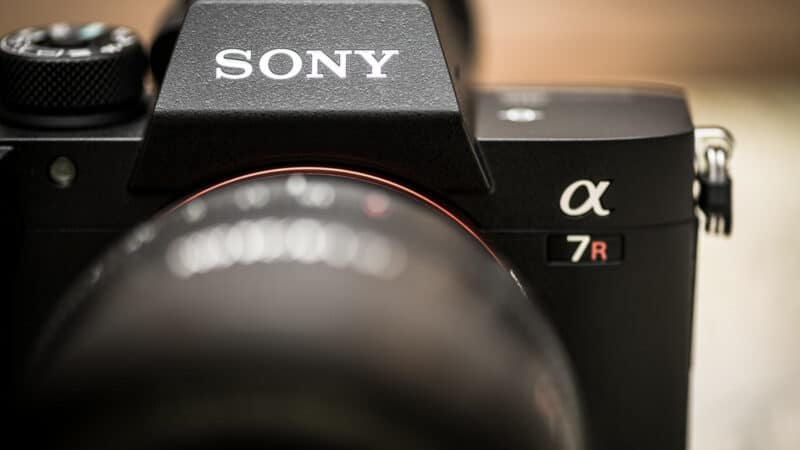
The cameras in Sony’s Alpha range have had some of the best sensors around for a while now, especially their flagship full-frame models. And the Sony a7R IV is yet another improvement.1




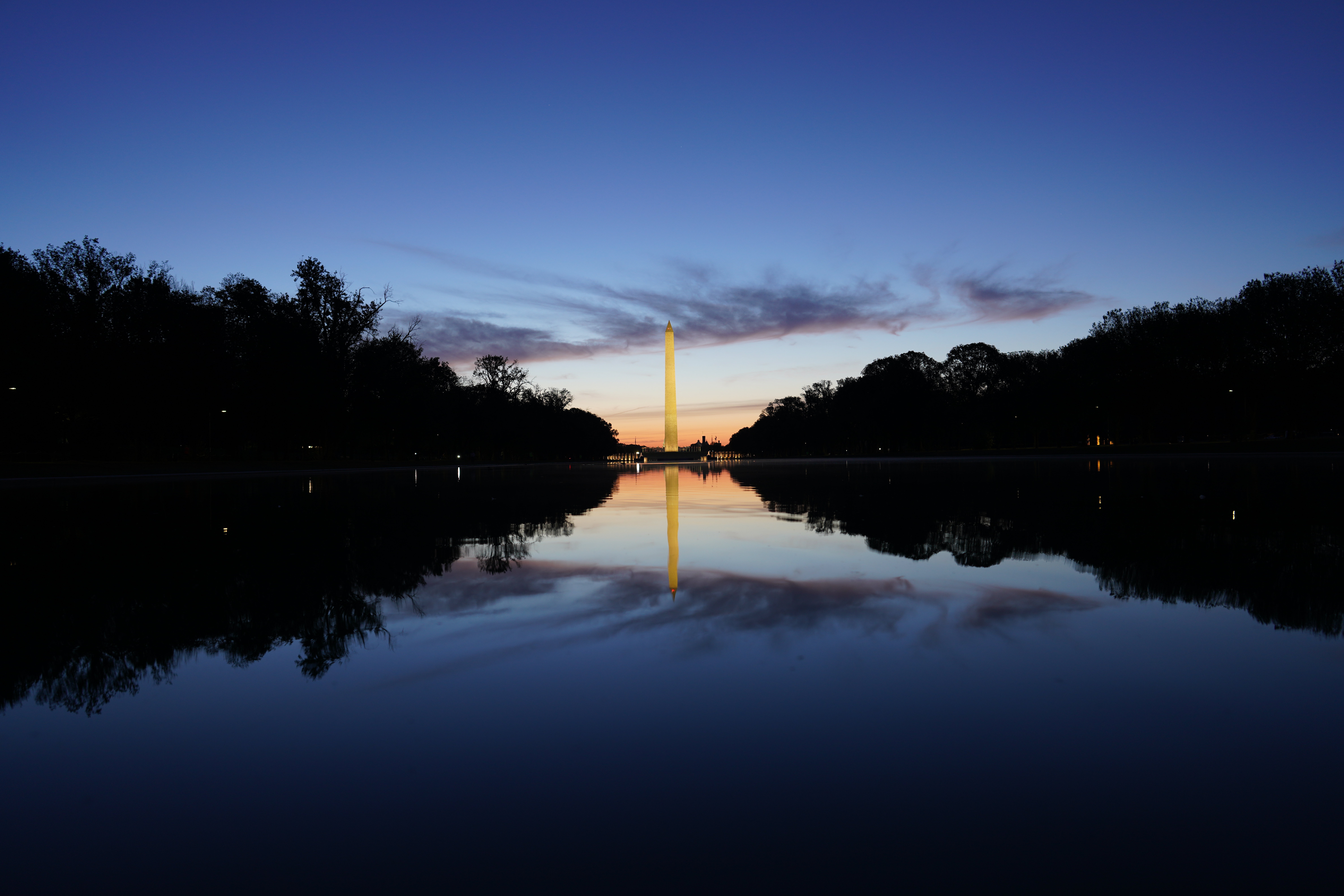

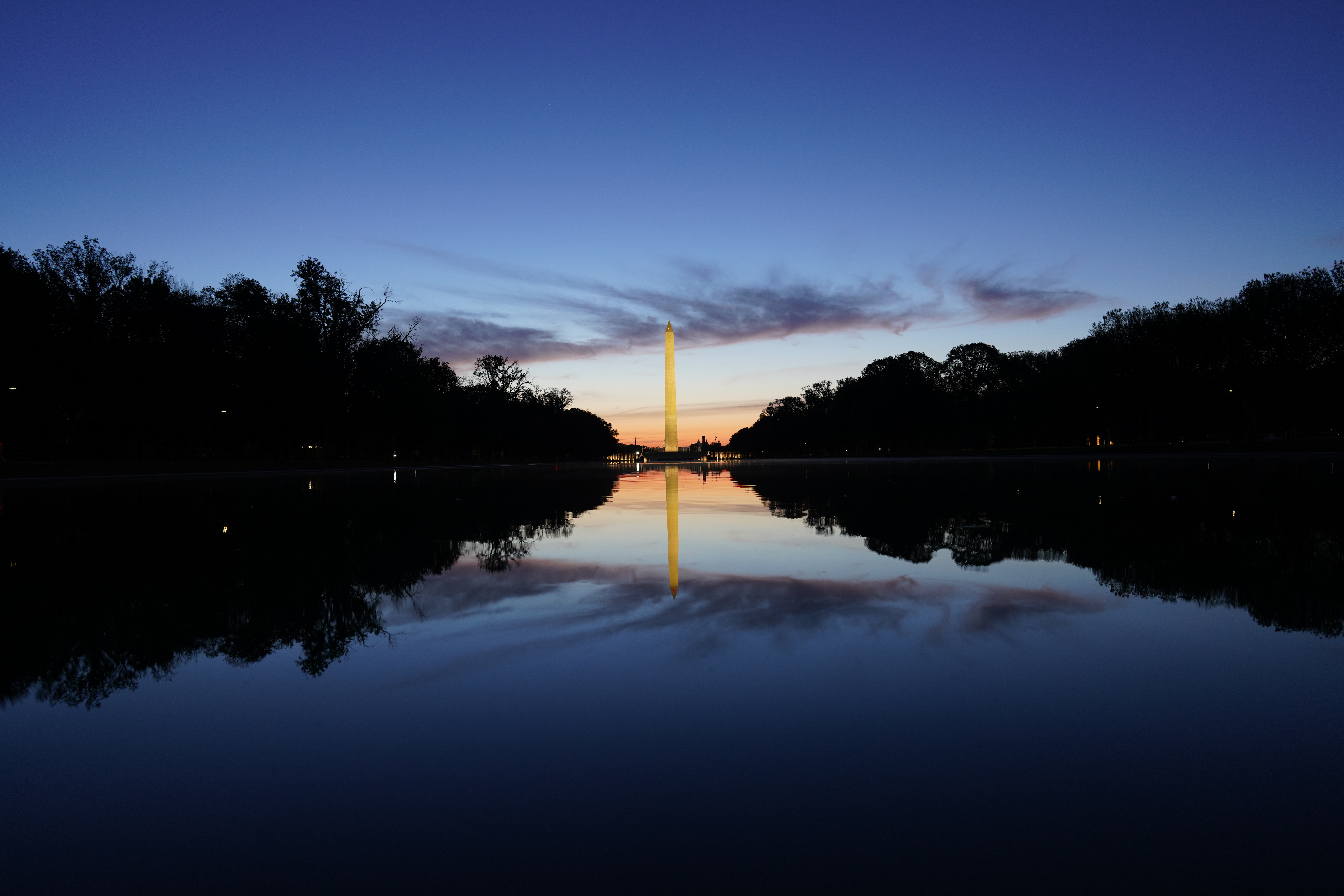






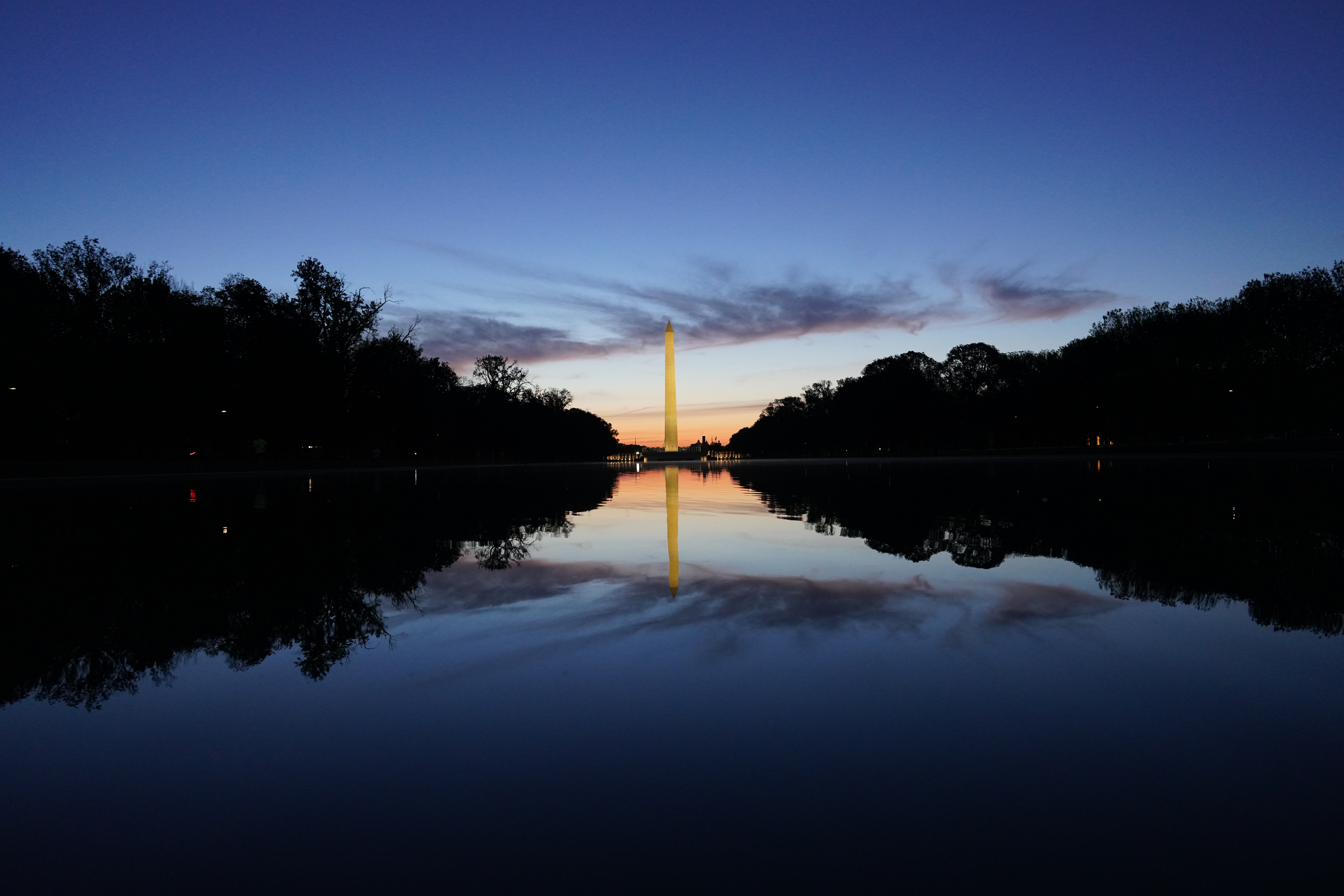



I thought it might be useful to post some practical examples taken throughout the ISO range. It’s a scene I often use for ISO tests because of the smooth tones between highlights and dark shadows. They might look like shadow blocks, but there’s detail there. And the smooth tonal gradations can expose trouble that might be hidden by high-contrast, sharp-edge scenes. Basically, it’s a good test of ISO image quality, particularly as you start getting into the higher ISOs (in addition to being a fun place to shoot around the equinox!).
The Sony a7R IV has an ISO range from 50 through 102400. Of that, the native ISO range is from 100 through 32000.
At either end are extended ISO ranges where software takes over beyond the native capabilities of the sensor. These extended ISO ranges are from ISO 50 to ISO 80 and from ISO 40000 to ISO 102400.
ISO Range Sample Images taken with a Sony a7R IV
I haven’t applied any processing or corrections to any of these — they’re as shot and entirely untouched after they’ve come out of the camera. They were all taken with a Sony a7R IV with a Sony FE 24mm f/1.4 GM prime lens at f/2.8 (the shutter speed obviously varied somewhat).
You can click on each image for a full-size version. The versions displayed are from the JPG versions; these have the camera’s built-in processing applied. You can see that at work particularly in the high-ISO versions where the processing engine has worked some magic to compensate for the downsides of high-ISO images, such as image noise, shifting colors, and reduced dynamic range.
Those full-size versions give you a good idea of the camera’s performance, but it’s worth noting that the versions you see displayed on the page here are derivative versions that are generated for web display. They’re good copies, but they’re still copies. So, in the caption for each image, you can find download links for the direct-out-of-camera original RAW and JPG versions (I shot them with the RAW+JPG option). You can download and view the original images at full resolution if you want a closer look. Be warned, though, that a 60MP camera produces big files — the JPG versions here range from around 21MB to 52MB, and the RAW (.arw) versions are about 123MB each (I used the uncompressed RAW setting).
The original RAW files for the images in this post are available to subscribers to my newsletter on the RAW file downloads page. The page is password-protected; the password is in the newsletter’s welcome email. The JPG versions linked in the captions stay free.
Sony a7R IV lower Extended ISO Range


Sony a7R IV native ISO range


Sony a7R IV upper Extended ISO Range


Compared to the a7R III
I’ve previously posted a similar series of images across the ISO range of the a7R III.
Key specs
- Imaging
- Lens Mount: Sony E
- Sensor Type: 35.7 x 23.8 mm (Full-Frame) CMOS
- Sensor Resolution Actual: 62.5 Megapixel
- Effective Resolution: 61 Megapixel (9504 x 6336 pixels)
- Crop Factor: None (Full-Frame)
- Aspect Ratio: 1:1, 3:2, 4:3, 16:9
- Image File Format: JPEG, Raw (14-bit)
- Image Stabilization: Sensor-Shift, 5-Axis
- Exposure Control
- ISO Sensitivity: Auto, 100 to 32000 (Extended: 50 to 102400)
- Shutter Speed: Mechanical Shutter / 1/8000 to 30 Second + Bulb Mode (1/8000 to 1/4 Second in Movie Mode)
- Metering Method: Center-Weighted Average, Highlight Weighted, Multiple, Spot
- Exposure Modes: Aperture Priority, Manual, Program, Shutter Priority
- Exposure Compensation: -5 to +5 EV (1/3, 1/2 EV Steps)
- Metering Range: -3 to 20 EV
- White Balance: Auto, Cloudy, Color Temperature, Custom, Daylight, Flash, Fluorescent (Cool White), Fluorescent (Day White), Fluorescent (Daylight), Fluorescent (Warm White), Incandescent, Shade, Underwater
- Continuous Shooting: Up to 10 fps at 61 MP for up to 68 Frames (JPEG)
- Interval Recording (Timelapse): Yes
- Self-Timer: 2/5/10-Second Delay
- Video
- XAVC S: UHD 4K (3840 x 2160) at 23.976p/25p/29.97p [60 to 100 Mb/s]
- Full HD (1920 x 1080) at 3.976p/24.00p/25p/29.97p/50p/59.94p/100p/119.88p [16 to 100 Mb/s]
- AVCHD: Full HD (1920 x 1080) at 50i/59.94i [17 to 24 Mb/s]
- External Recording Modes: 4:2:2 8-Bit / DCI 4K (4096 x 2160) at 23.976p/25p/29.97p / Full HD (1920 x 1080) at 23.976p/50i/50p/59.94i/59.94p
- Video Encoding: NTSC/PAL
- ISO Sensitivity: Auto: 100 to 12800
- Manual: 100 to 32000
- Audio Recording: Built-In Microphone (Stereo)
- External Microphone Input: (Stereo)
- Focus System
- Focus Type Auto and Manual Focus
- Focus Mode Automatic (A), Continuous-Servo AF (C), Direct Manual Focus (DMF), Manual Focus (M), Single-Servo AF (S)
- Autofocus Points: Phase Detection: 567
- Contrast Detection: 425
- Autofocus Sensitivity: -3 to +20 EV
- Viewfinder
- Viewfinder Type: Electronic (OLED)
- Viewfinder Coverage: 100%
- Interface & Memory Card Slots
- Media/Memory Card Slot Dual Slot: SD/SDHC/SDXC (UHS-II)
- Internal Memory: None
- Cable Connectivity 3.5mm Headphone, 3.5mm Microphone, HDMI D (Micro), USB Type-C (USB 3.2 Gen 1)
- Wireless Connectivity: Wi-Fi / Bluetooth
- GPS No
- Battery: 1 x NP-FZ100 Rechargeable Lithium-Ion, 7.2 VDC, 2280 mAh (Approx. 530 Shots)
- Dimensions: (W x H x D) 5.07 x 3.8 x 3.05″ / 128.9 x 96.4 x 77.5 mm
- Weight: 1.46 lb / 665 g
Sony a7r IV price & availability
You can find it in various configurations and bundles, including the body only or with lenses and other accessories.

Buy new
Sony initially set the MSRP for the a7r IV at $3499.99, but with newer models out since then, you can find it for significantly below that.
Note: There’s now an “A” version (as in, a7R IV A) that features two incremental updates: a higher-resolution back LCD screen and USB 3.2 connectivity. The cameras are otherwise identical.
Buy used
With newer models out now, there’s a healthy supply of a7r IV’s on the used market. Some good places to look are:
Notes & References:
- The camera’s model number is technically the Sony α7R IV (i.e., with an alpha character rather than an “a.” It’s sometimes spelled out as Sony Alpha α7R IV, and the product number is ILCE-7RM4. [↩︎]









Whatcha think about this new camera, and GM lenses compared to Nikon? I’m thinking of moving over to Sony.
That’s not an easy thing to answer, especially in the short space here. I’ve been out shooting with it a lot recently, and I’m very impressed indeed with the image quality. And the higher-end Sony lenses are excellent. Overall, I have a lot of good things to say about it and will be posting a lot more examples and details in coming days.
That said, there are some things that make me personally hesitant to switch from Nikon (the D810-D850-style range). Most of them have to do with usability–specifically things like responsiveness, start-up time, focusing speed, etc. And even tiny little things like the highlight exposure mode that the Nikons have. None of those things by themselves are big deals, and if I always had the luxury of time for carefully composed shots they wouldn’t be factors, but cumulatively they add up. I’ve been shooting with Nikons for a very long time and have learnt that I can rely on them getting the shot when I need it in a pinch. For me, at least, the Sonys are superb cameras and can take first-rate images, but I also find myself fighting against them at times, with things like sometimes-odd auto white balance, the relatively slow fire-up time, etc. And if I’m heading somewhere that’s going to test the durability of the camera–say, kayaking in the polar regions or hiking up a mountain–I know from experience that the Nikons can take a beating.
Sorry if this is a bit scattered–I’ll try to post a more coherent version in some of the posts in coming days. To my mind, it really comes down to personal shooting preferences. But it sure is nice as a photographer to have the luxury of such choices these days.
Thank you!