
I’ve often said that action cameras are an underappreciated option for regular everyday photography.
They’re definitely not a direct replacement. In many ways, their quirks and limitations are more pronounced than with other cameras, and there are many things they don’t or can’t do well.
But they also have their strengths, and they can also do things that most other cameras (and smartphone cameras) can’t do. And as much as I would love for GoPro to develop a premium model with much better photo capabilities (and quality), the current flagship HERO13 Black is still a very good camera. It’s not going to replace your interchangeable lens camera. But it can do things and go places that your other cameras and smartphones can’t.
I’ve been shooting photos with GoPros for a long time, and probably the single most important thing I’ve learned from that is to play to their strengths.
They’re not good for traditional portrait photography, for example. Their low-light performance due to their tiny sensors makes them poor choices, or at least difficult, for a lot of low-light photography. They have poor battery life. And their on-camera controls are sluggish to shoot with.

Have Camera Will Travel Newsletter
Practical field notes, hands-on gear tests, and the fun of exploring the world with a camera in hand.

So, can the HERO13 Black actually take good photos? In good light, yes — the 27MP stills are sharp and well-exposed straight out of the camera. The honest caveat is everything below: low light is where it struggles most, and that’s mostly a function of the small sensor rather than anything GoPro’s processing can fix.
But if they’re not great options as a direct replacement for a “regular” camera, they can also be wonderful complements to one. That’s why I often keep a GoPro in my bag when I’m out shooting. Because there are times that the camera’s strengths can open some interesting new possibilities. Not only are they extraordinarily rugged and almost fool-proof to shoot with, but they’re great for getting a dynamic, immersive look. Some of my favorite family photos were taken with GoPros, and I’ve printed them large and have them framed on our walls at home.
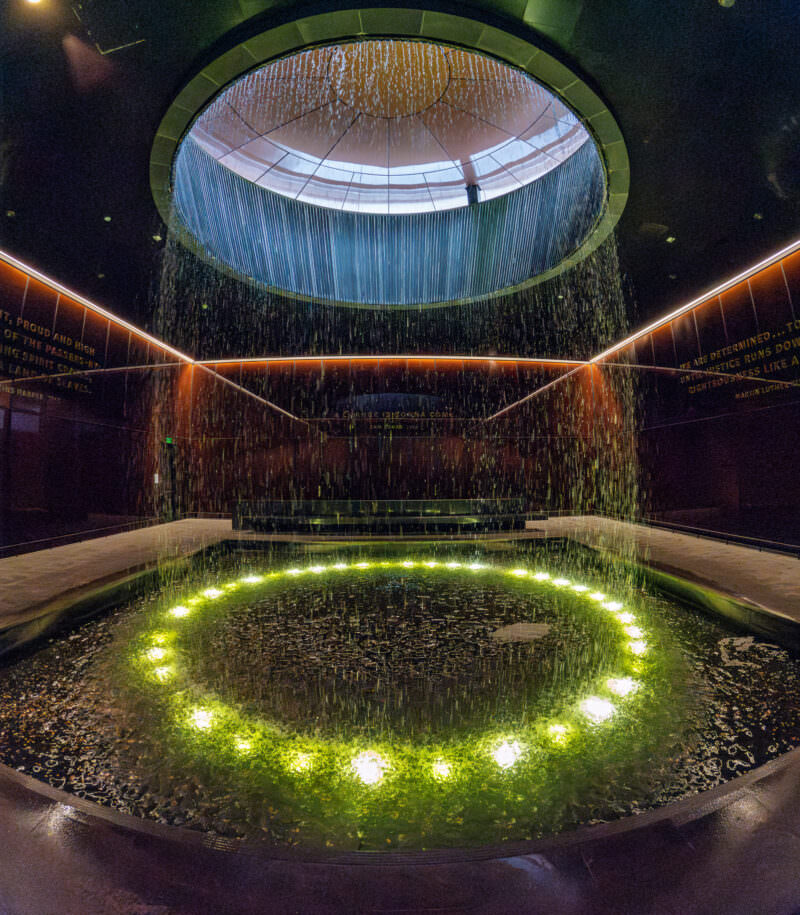
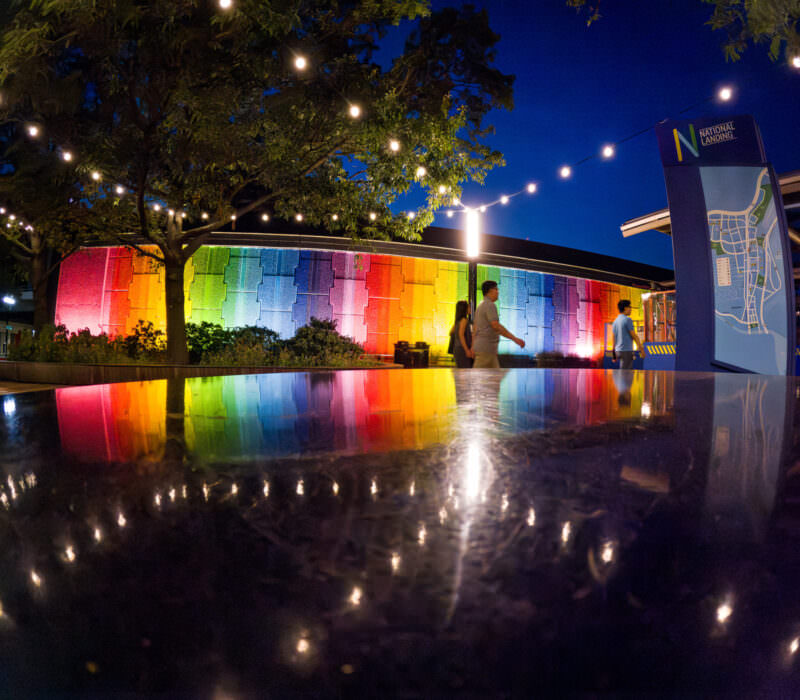
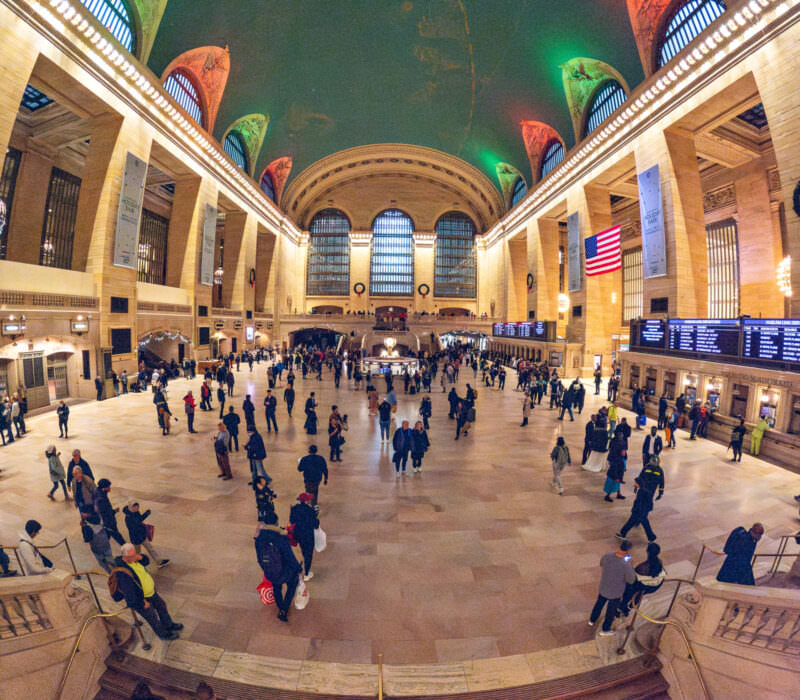
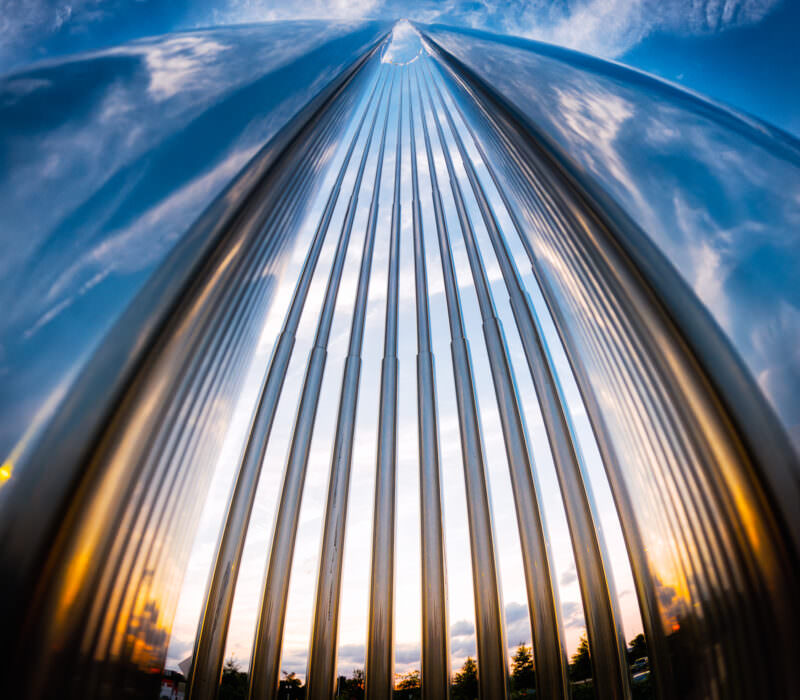
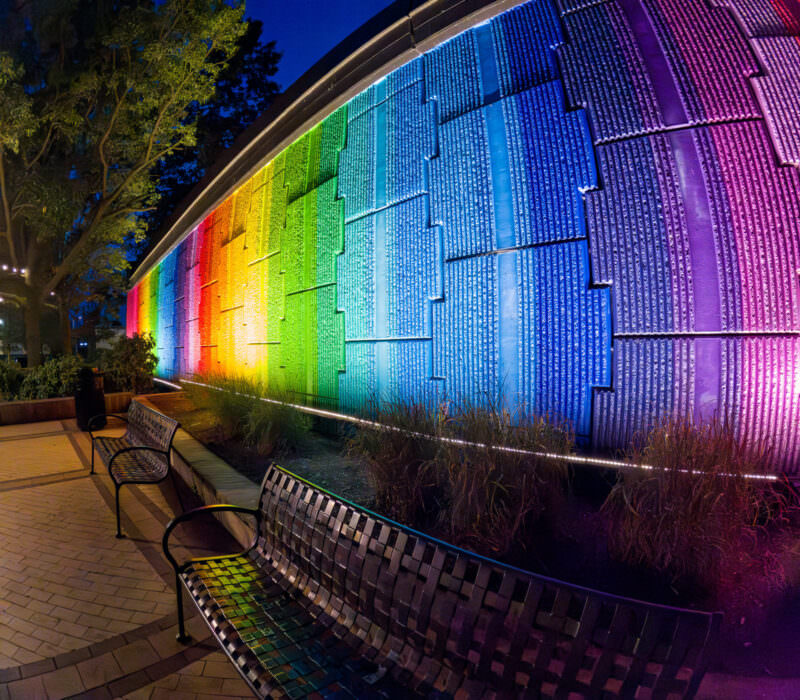
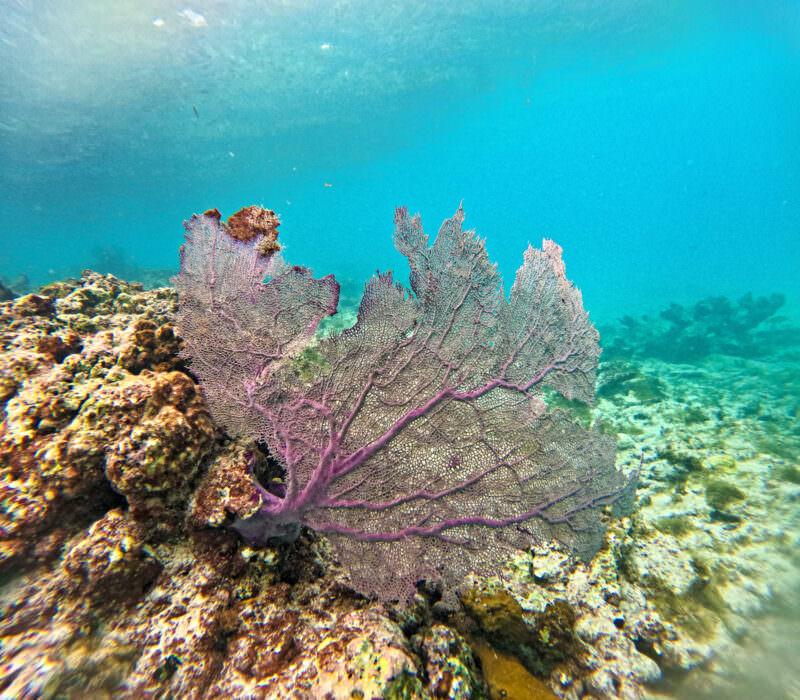
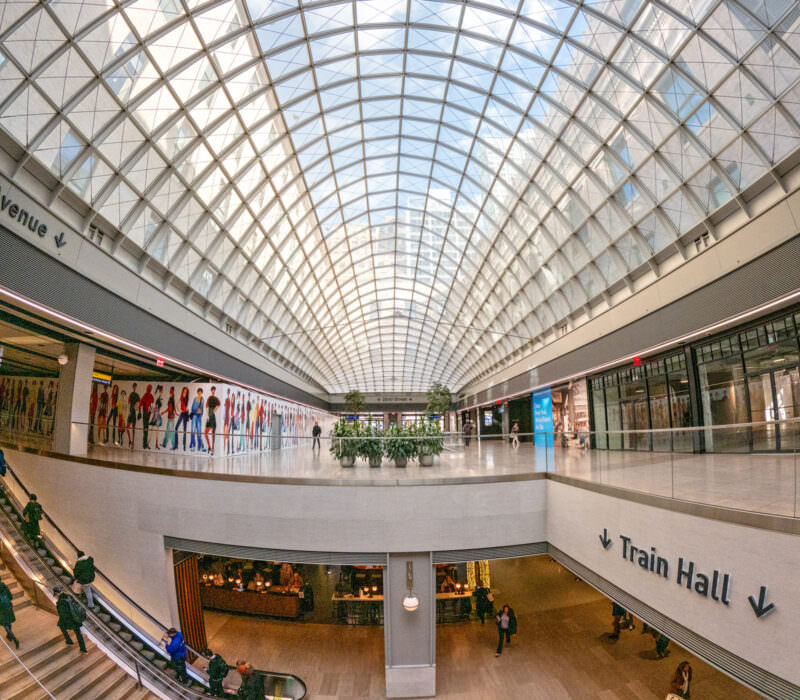
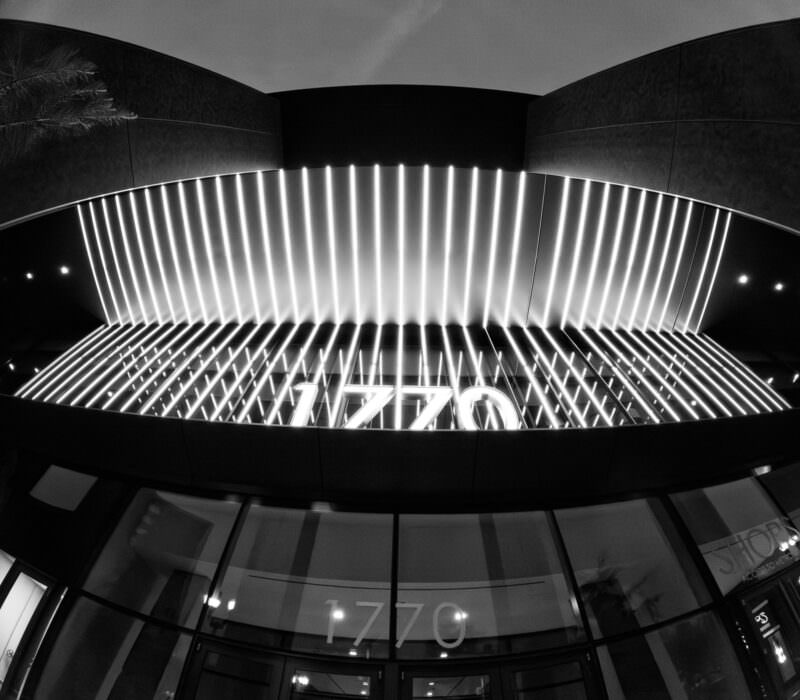
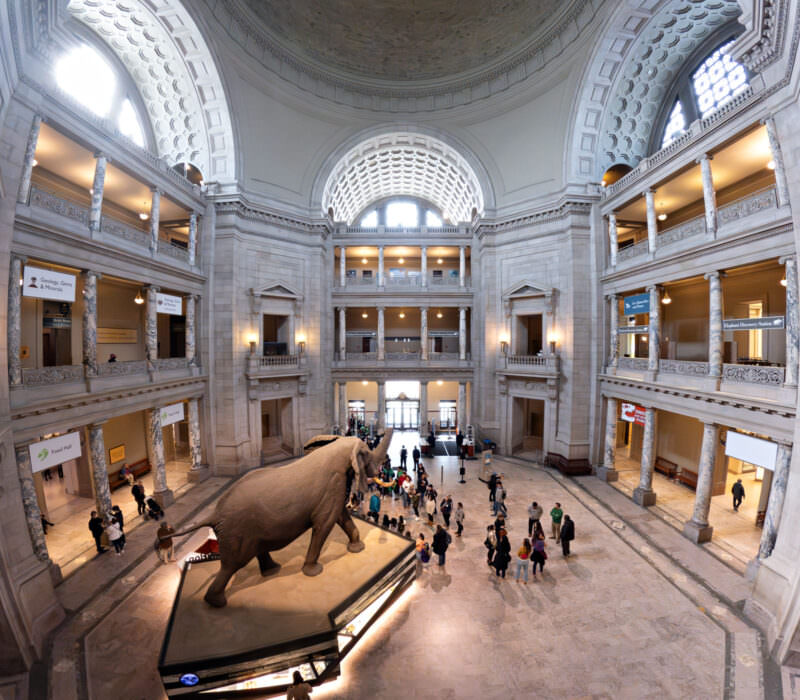
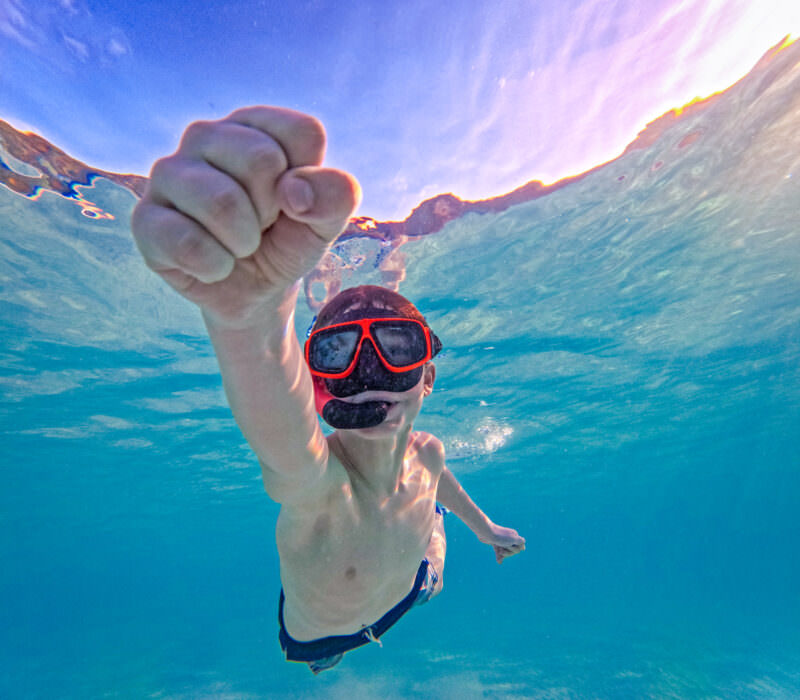
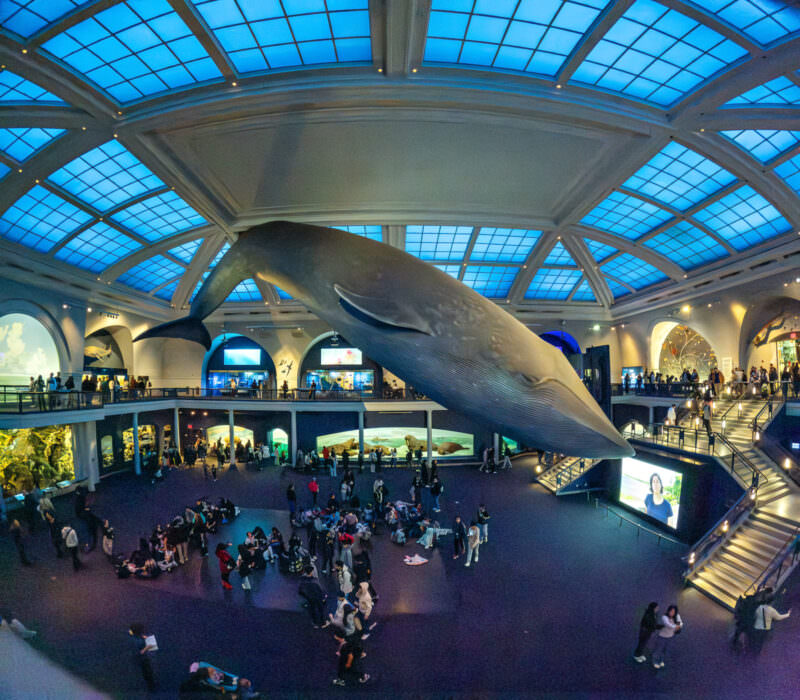
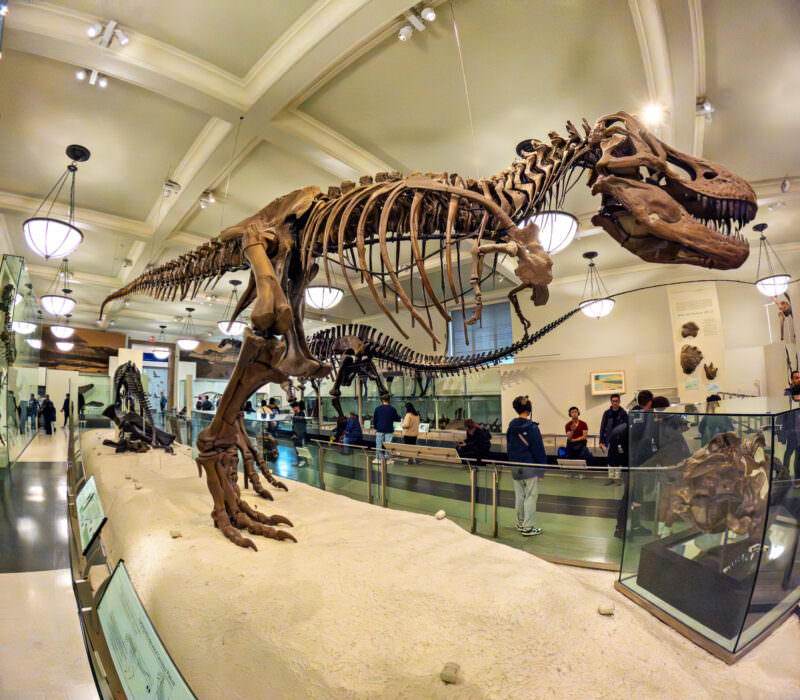
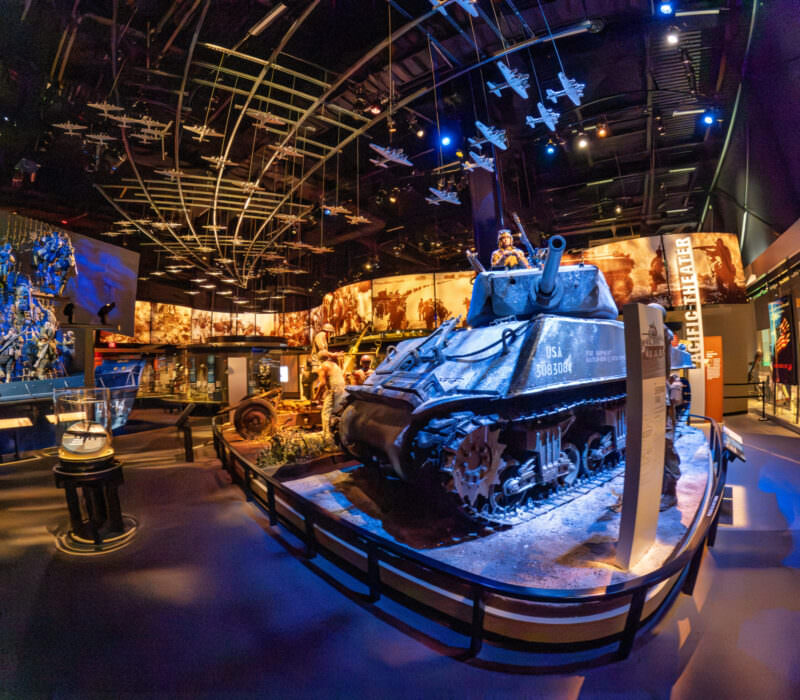
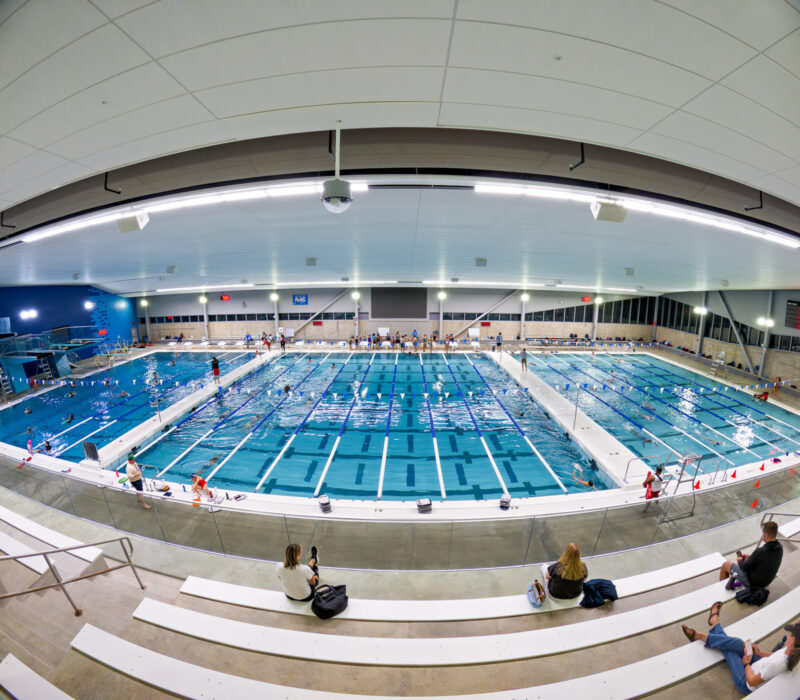
Here are some photos I’ve taken with a GoPro HERO13 Black
This is an ongoing list that I’ll add to as I take more photos.
I’ve tried to include an assortment of different types of scenes. But something you’ll quickly notice is that these are all in the distinctive 8:7 aspect ratio that the most recent GoPros use. There’s no requirement, of course, that you photos must stick to that — you can crop them to more traditional 2:3, 4:3, or 16:9 aspect ratios if you like — but I’m using it here because it’s one of the distinctive things about shooting a newer GoPro.
Most of these were originally shot in RAW and processed in Lightroom. In a few cases — especially on those images at higher ISOs in darker scenes — I’ve run it through Lightroom Classic’s built-in RAW denoising feature, which can help quite a lot but doesn’t totally eliminate image noise (I’ll post separately on that workflow). These were generally shot with regular auto exposure — the main tweak I make from time to time is with exposure compensation.





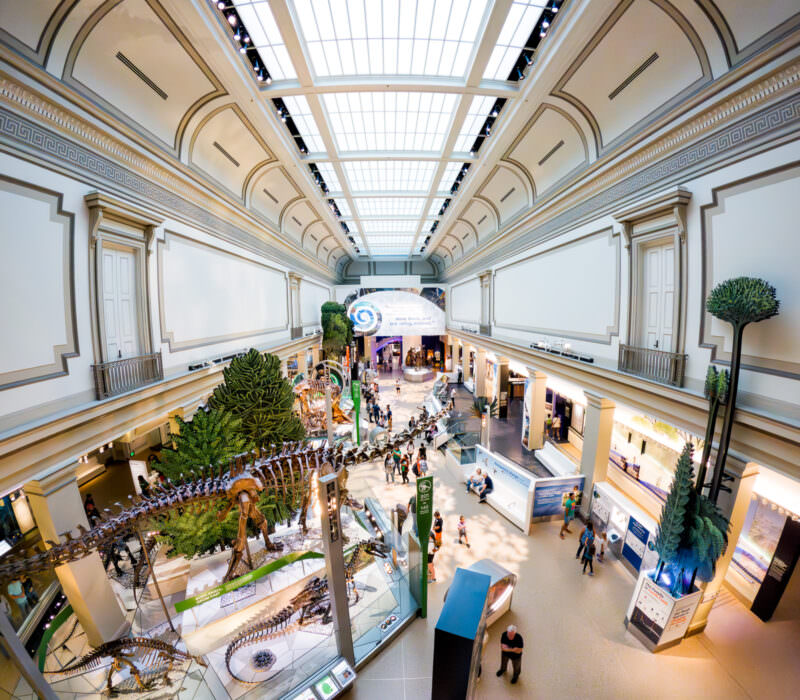




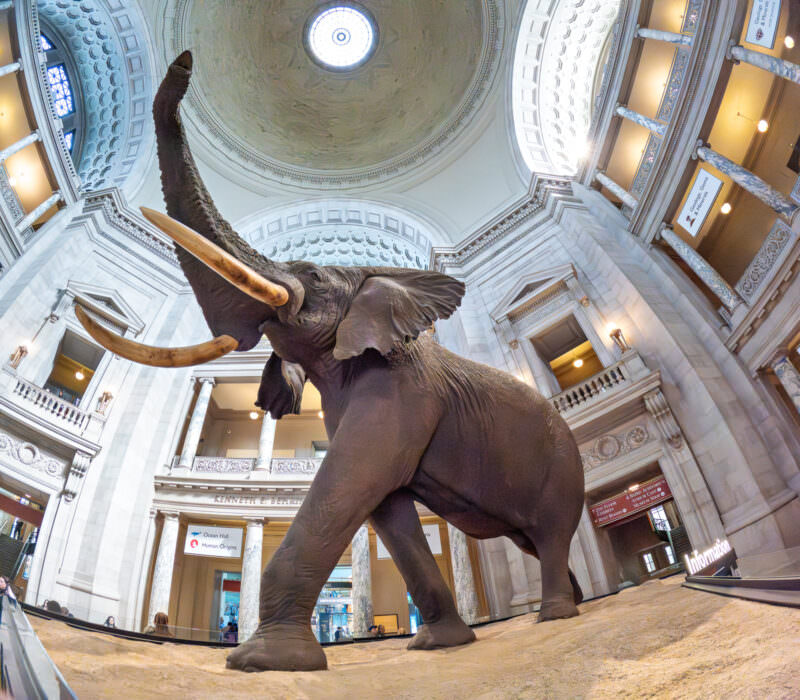
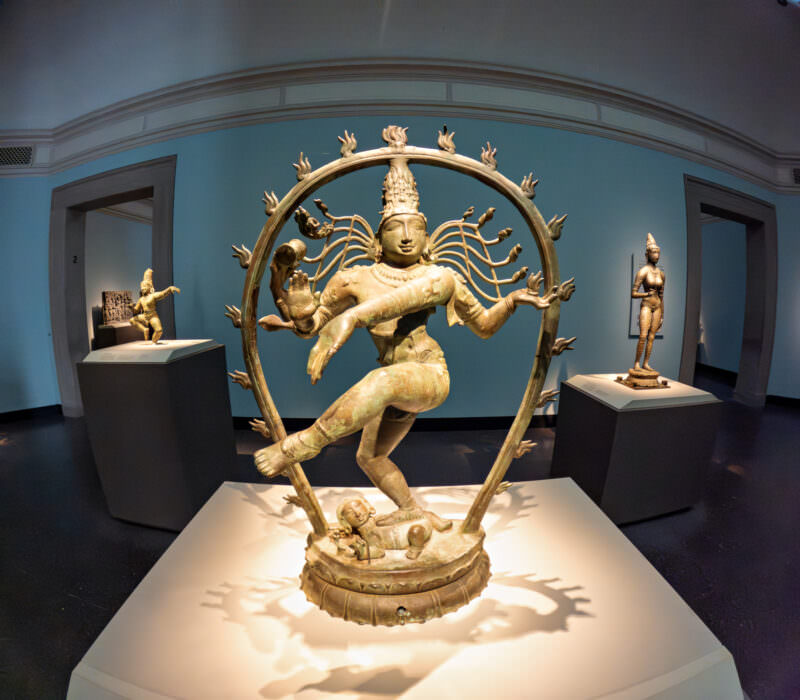


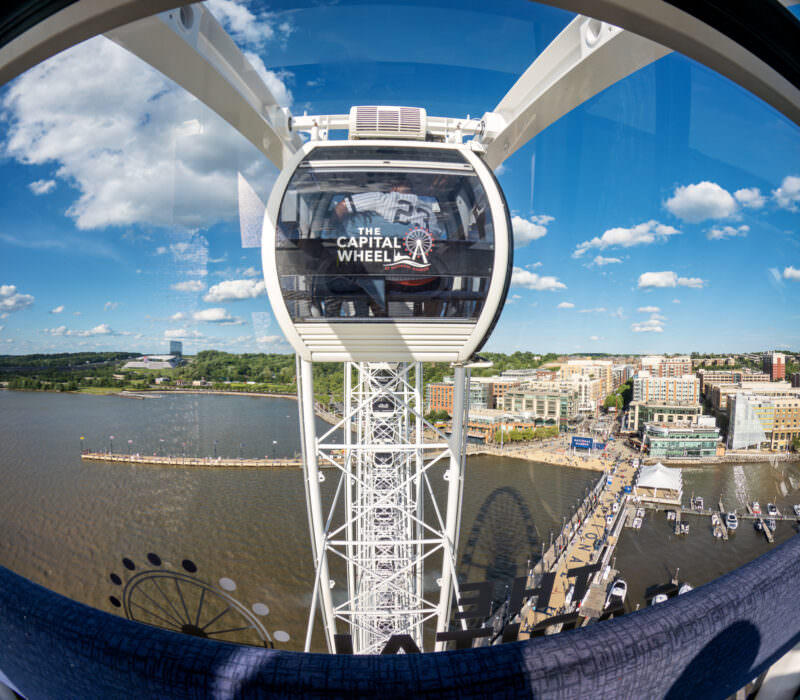
GoPro HERO13 Black photo quality: Strengths for shooting photos
- They’re tiny. That’s good for convenience. It’s also great for not attracting attention.
- They’re rugged, including waterproof. That means you can take them places that most cameras can’t go.
- They have almost foolproof auto-exposure. I said almost. It works well in many situations right out of the box, especially in brightly lit outdoor scenes. But it can also be thrown off fairly easily by non-standard lighting or scenes.
- They have a super-wide-angle lens. That distinctive fisheye look can be a double-edged sword. It is very good for creating a dramatic immersive look. But it’s not to everyone’s taste, and there are many scenes were it can be counterproductive or just plain unsuitable. It also works best when the camera is very close to the scene.
- They have easy remote control from smartphone app. Action cameras have pretty much always been closely tied to smartphone apps, so the apps for them tend to be significantly more developed and advanced than many other camera apps.
- You can mount them just about anywhere. Mounting options for them aren’t an afterthought — they’re a built-in design feature. Throw in that they’re tiny, light, rugged, and have good remote control options, and they become highly flexible in terms of where you can put them.
- They can shoot RAW. For reasons I’ve gone into in some detail separately, choosing RAW on a GoPro HERO13 isn’t a slam dunk like it might be on most cameras. But it’s nice to have the option.
Weaknesses of the GoPro HERO13 for shooting photos
- Controls aren’t as easy to adjust while shooting. At least, not on-camera (it’s much easier if you’re using the smartphone app for remote control). There are minimal buttons, and the touchscreen back screen requires a linear approach to changing settings by moving through menu items.
- The controls are somewhat slow and somewhat sluggish to use. This seems counterintuitive. You might assume an action camera would be snappy and responsive. But, like GoPros, being too responsive would actually be a problem in the rough-and-tumble conditions that action cams are typically used in. So a not-particularly-sensitive shutter, etc, is actually a good thing.
- They have poor battery life. There’s no way around it: GoPros — or any action cameras, for that matter — simply don’t have good battery life. So you’ll almost certainly want a spare battery on hand.
- They’re not good at low-light shooting. That tiny sensor just can’t produce good results in low light. Sure, you can use the camera’s JPG mode to gloss over the noise, but I find that to be heavy-handed. (There are other options, which I’ll go into separately.)
- They have a fixed fisheye lens. I mentioned above that the super-wide lens is a double-edged sword. It can be good. And it can be not-so-good. The HERO13 does have some modes for digitally compensating for that distortion (when shooting JPG), and the HERO13 even debuts a new selection of snap-on lenses, but it’s still optically limited.
What it’s good for (and what it’s not)
The HERO13 Black works best as a complement to your existing camera setup, not a replacement. It’s not going to replace your interchangeable lens camera, or even probably your compact camera. But it can do some things that those cameras can’t, and that’s where it gets interesting.
The obvious limitations are worth getting out of the way first. Low-light performance isn’t great — images indoors or in low light are highly likely to suffer from pretty strong image noise. And distortion? Well, there’s a whole lot of it. That fisheye look is baked in.
I know there’s a Linear FOV that digitally compensates for the distortion, but I like to play to the fisheye look’s strengths and distinctiveness. I treat it as a feature, not a bug. It’s part of what makes GoPro photos different and fun.
Image quality & shooting approach
The HERO13 Black has some fancy-pants photo modes that apply in-camera processing — SuperPhoto and HDR.
I’m sure they can be used to good effect, and yes, it’s definitely convenient being able to share an image straight from the camera. But I’ve never been happy with the results I’ve gotten out of them, and I find them tedious to use. For one thing, they’re slow. For another, you basically lose much of the flexibility you otherwise get for processing them later. So I never use them.
Instead, I prefer to go back to basics. I shoot most images in RAW (the .gpr format), as I would for just about any camera I pick up. For those images, especially those in lower light, I’ve run it through Lightroom Classic’s Denoise AI feature. And that makes a big difference to the strong image noise that GoPro images can get. RAW images need processing anyway, and this is just one more tool to apply with a checkbox.
But there are cases I do not shoot RAW. There are two reasons. One is that GoPro’s in-camera JPGs are actually pretty good — as good or even sometimes better than I can easily get in post-processing.
The other is that when using burst mode, I find the RAW setting to be way too slow… So for burst modes, I will nearly always shoot JPG (or Standard, as the HERO13 calls it) rather than RAW.
That unusual 8:7 aspect ratio
Recent GoPro models have shipped with a native 8:7 aspect ratio sensor. While you can choose other aspect ratios in-camera (like 4:3 or 16:9), the sensor itself is 8:7. Not quite square, but barely rectangular. It’s not at all a typical aspect ratio, and good luck finding an off-the-shelf picture frame that will fit the entire image neatly.
If you are shooting Standard (JPG), you can change the aspect ratio to 4:3 or 16:9 in the camera settings. However, if you shoot RAW (.GPR), the camera always records the full 8:7 sensor area regardless of your settings, so you will need to crop the RAW file yourself in post-processing.
For most of my shots, though, I don’t crop at all. I like the something-different aspect (pun intended!) of it. It combines very nicely with the fisheye lens distortion. I tend to leave it all in and have even printed some for my wall, making custom frames for them.
The aspect ratio does bring in a somewhat sneaky side of the resolution spec. Because the resolution is calculated by multiplying the pixel dimension height by the pixel dimension width, that 27MP resolution is for this non-standard aspect ratio. So it’s not a direct comparison to most other cameras with native aspect ratios of 4:3 or 3:2.
Pros & cons
Pros
- Rugged and waterproof
- Tiny, take anywhere
- Distinctive 8:7 aspect ratio creates interesting compositions
- RAW support with decent results when processed with modern denoise tools
- Complements rather than competes with traditional cameras
Cons
- Won’t match the image quality of larger sensor cameras (usually, at least at 100% viewing)
- Poor low-light performance with significant image noise
- Heavy barrel distortion (though I consider this a feature)
- RAW processing slows down burst mode significantly
- Poor battery life
Technical specifications
| Specification | Details |
|---|---|
| Resolution | 27MP |
| Aspect Ratio | 8:7 (Native), 4:3, 16:9 |
| File Formats | RAW (.gpr), JPG/Standard |
| Lens | Fixed ultra-wide with fisheye distortion |
| Field of View | Linear FOV available (digital correction) |
| Special Modes | SuperPhoto, HDR |
| Burst Mode | Available (JPG recommended for speed, but it works with RAW) |
Wrap up
The GoPro HERO13 Black isn’t trying to be a traditional camera, and that’s exactly what makes it interesting for photography. It’s rugged and waterproof right out of the box, and it occupies its own creative space with that distinctive fisheye look, unusual aspect ratio, and ultra-portable form factor.
Yes, it has limitations if you judge it on the traditional criteria; the low-light performance and image noise are real. Its battery life isn’t good.
But when you work within its strengths and embrace what makes it different, it can produce images that stand out from the crowd. It’s not about replacing your main camera; it’s about adding a new creative tool to your kit. And it can be fun to shoot with in surprisingly interesting ways.


I appreciate your time put into informing us about the pros and cons of the hero13. Thank you. I am debating weather to get one for some underwater shots but I will compare those images to the ones taken by my z8… I will focus on the strength/flexibility/light weight of the gopro.
You’ll find the image quality is nowhere near what you get from your Z8 (which is what I also shoot with). And if image quality is the only factor, it’s no contest–the Z8 will win every time, especially in lower light. But there are certainly strengths with being able to take the GoPros anywhere without worrying whether you’re going to brick your Nikon Z8 with salt water (and yes, I’ve done that too when a housing leaked).