But, briefly, the Sony FE 16-35mm f/2.8 GM lens is an E-mount lens designed for Sony’s full-frame cameras. It has an aperture range of f/2.8 to f/22 (with apertures constant throughout the zoom range), an 11-blade circular diaphragm, three aspherical and two XA elements, and is ruggedized with dust- and moisture-resistant construction.
I’ve included a range of shots at different spots on the zoom range and at different apertures. I’ve also included a range of focusing distances, shots to show up any barrel distortion or chromatic aberration, and some that show general sharpness.
All of them were only lightly processed in Lightroom. Because the whole point is to see how the lens performs, I’ve deliberately done very little to them. And I haven’t done any extra correction for the usual lens issues like chromatic aberration, distortion, or lens vignetting. I also haven’t applied any extra sharpening beyond the Lightroom default (amount: 40; radius: 1.0; detail: 25). They were all shot in RAW, so they haven’t had any of the in-camera processing magic applied.
With the lens hood attached (model ALC-SH149).
I should also note that some of these were deliberately shot at very high ISOs because I was also testing the a7iii’s low-light performance at the same time (you can see those tests here).
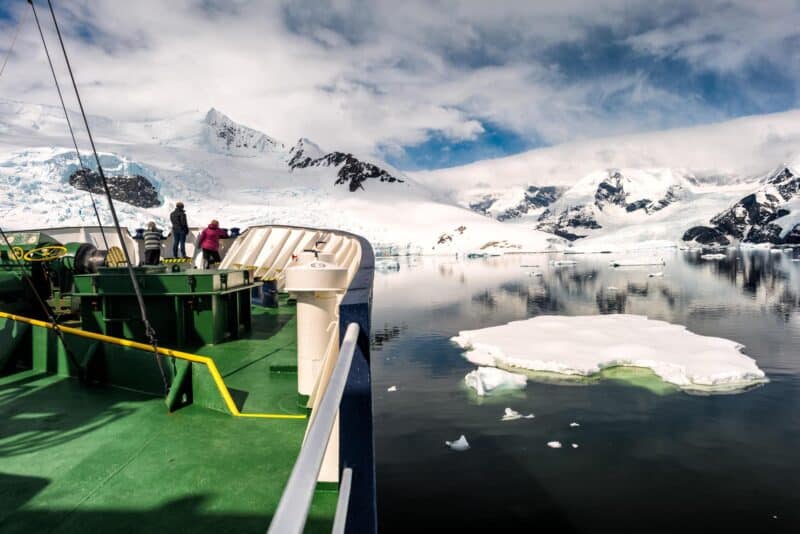
Sample photos taken with a Sony FE 16-35mm f/2.8 GM lens
If you’d like a closer look at a high-resolution version, you can click on each image to open the full-size photo.
Taken with a Sony FE 16-35mm f/2.8 GM lens zoomed to 27mm and with an aperture of f/8. Shot with Sony a7iii. Photo by David Coleman / Have Camera Will Travel
The focus point was on the far end of the tunnel. Taken with a Sony FE 16-35mm f/2.8 GM lens zoomed to 16mm and with an aperture of f/4. Shot with Sony a7iii. Photo by David Coleman / Have Camera Will Travel
Wide aperture with the focus on the close tulip in the center. Taken with a Sony FE 16-35mm f/2.8 GM lens zoomed to 19mm and with an aperture of f/2.8. Shot with Sony a7iii. Photo by David Coleman / Have Camera Will Travel
Taken with a Sony FE 16-35mm f/2.8 GM lens zoomed to 35mm and with an aperture of f/5. Shot with Sony a7iii. Photo by David Coleman / Have Camera Will Travel
Taken with a Sony FE 16-35mm f/2.8 GM lens zoomed to 16mm and with an aperture of f/8. Shot with Sony a7iii. Photo by David Coleman / Have Camera Will Travel
Taken with a Sony FE 16-35mm f/2.8 GM lens zoomed to 16mm and with an aperture of f/2.8. Shot with Sony a7iii. Photo by David Coleman / Have Camera Will Travel
Taken with a Sony FE 16-35mm f/2.8 GM lens zoomed to 16mm and with an aperture of f/5. Shot with Sony a7iii. Photo by David Coleman / Have Camera Will Travel
Testing for both corner sharpness and chromatic aberration. Taken with a Sony FE 16-35mm f/2.8 GM lens zoomed to 16mm and with an aperture of f/5.6. Shot with Sony a7iii. Photo by David Coleman / Have Camera Will Travel
This was shot an exceptionally high ISO (160000), so the image quality is degraded. But I’ve included it here as an example of the starburst effect on the lights when using f/22. Taken with a Sony FE 16-35mm f/2.8 GM lens zoomed to 35mm and with an aperture of f/22. Shot with Sony a7iii. Photo by David Coleman / Have Camera Will Travel
Even at this wide aperture and with the high-contrast lines near the edges, there’s very little chromatic aberration. You can see a little blue fringing along the highlight edges of both windows, but it’s certainly well within normal amounts and is easily fixed in something like Lightroom or another app that has chromatic aberration correction tools. Taken with a Sony FE 16-35mm f/2.8 GM lens zoomed to 16mm and with an aperture of f/2.8. Shot with Sony a7iii. Photo by David Coleman / Have Camera Will Travel
Taken with a Sony FE 16-35mm f/2.8 GM lens zoomed to 16mm and with an aperture of f/7.1. Shot with Sony a7iii. Photo by David Coleman / Have Camera Will Travel
Taken with a Sony FE 16-35mm f/2.8 GM lens zoomed to 35mm and with an aperture of f/7.1. Shot with Sony a7iii. Photo by David Coleman / Have Camera Will Travel
Taken with a Sony FE 16-35mm f/2.8 GM lens zoomed to 24mm and with an aperture of f/5. Shot with Sony a7iii. Photo by David Coleman / Have Camera Will Travel
Taken with a Sony FE 16-35mm f/2.8 GM lens zoomed to 17mm and with an aperture of f/2.8. Shot with Sony a7iii. Photo by David Coleman / Have Camera Will Travel
Taken with a Sony FE 16-35mm f/2.8 GM lens zoomed to 35mm and with an aperture of f/2.8. Shot with Sony a7iii. Photo by David Coleman / Have Camera Will Travel
Taken with a Sony FE 16-35mm f/2.8 GM lens zoomed to 35mm and with an aperture of f/2.8. Shot with Sony a7iii. Photo by David Coleman / Have Camera Will Travel
Taken with a Sony FE 16-35mm f/2.8 GM lens zoomed to 16mm and with an aperture of f/4. Shot with Sony a7iii. Photo by David Coleman / Have Camera Will Travel
Taken with a Sony FE 16-35mm f/2.8 GM lens zoomed to 35mm and with an aperture of f/2.8. Shot with Sony a7iii. Photo by David Coleman / Have Camera Will Travel
I took this shot mostly to push hard on chromatic aberration in the sharp edges in the skylight. I’m impressed with how well it’s handled it — most lenses don’t fare nearly so well. This version hasn’t had any chromatic aberration correction applied to it. Taken with a Sony FE 16-35mm f/2.8 GM lens zoomed to 16mm and with an aperture of f/8. Shot with Sony a7iii. Photo by David Coleman / Have Camera Will Travel
Taken with a Sony FE 16-35mm f/2.8 GM lens zoomed to 16mm and with an aperture of f/7.1. Shot with Sony a7iii. Photo by David Coleman / Have Camera Will Travel
I shot this one mostly for the skylight lines to test for chromatic aberration. Most lenses struggle with this, but this lens handled it just fine. Taken with a Sony FE 16-35mm f/2.8 GM lens zoomed to 35mm and with an aperture of f/2.8. Shot with Sony a7iii. Photo by David Coleman / Have Camera Will Travel
Taken with a Sony FE 16-35mm f/2.8 GM lens zoomed to 35mm and with an aperture of f/2.8. Shot with Sony a7iii. Photo by David Coleman / Have Camera Will Travel
Taken with a Sony FE 16-35mm f/2.8 GM lens zoomed to 35mm and with an aperture of f/2.8. Shot with Sony a7iii. Photo by David Coleman / Have Camera Will Travel
Taken with a Sony FE 16-35mm f/2.8 GM lens zoomed to 16mm and with an aperture of f/2.8. Shot with Sony a7iii. Photo by David Coleman / Have Camera Will Travel
Taken with a Sony FE 16-35mm f/2.8 GM lens zoomed to 16mm and with an aperture of f/2.8. Shot with Sony a7iii. Photo by David Coleman / Have Camera Will Travel
What looks like blurriness are reflections off the glass. Taken with a Sony FE 16-35mm f/2.8 GM lens zoomed to 34mm and with an aperture of f/2.8. Shot with Sony a7iii. Photo by David Coleman / Have Camera Will Travel
Taken with a Sony FE 16-35mm f/2.8 GM lens zoomed to 19mm and with an aperture of f/22. Shot with Sony a7iii. Photo by David Coleman / Have Camera Will Travel
Taken with a Sony FE 16-35mm f/2.8 GM lens zoomed to 19mm and with an aperture of f/11. Shot with Sony a7iii. Photo by David Coleman / Have Camera Will Travel
Taken with a Sony FE 16-35mm f/2.8 GM lens zoomed to 19mm and with an aperture of f/2.8. Shot with Sony a7iii. Photo by David Coleman / Have Camera Will Travel
Taken with a Sony FE 16-35mm f/2.8 GM lens zoomed to 19mm and with an aperture of f/8. Shot with Sony a7iii. Photo by David Coleman / Have Camera Will Travel
Again, there’s very little in the way of chromatic aberration in the windows to the right of the frame. And lots of straight verticals. Taken with a Sony FE 16-35mm f/2.8 GM lens zoomed to 16mm and with an aperture of f/2.8. Shot with Sony a7iii. Photo by David Coleman / Have Camera Will Travel
You can see a reasonable amount of barrel distortion in this shot. It was taken head-on from around 20 feet away. The lens profile in Lightroom CC Classic does a nice job of correcting for it (this version is uncorrected). Taken with a Sony FE 16-35mm f/2.8 GM lens zoomed to 35mm and with an aperture of f/8. Shot with Sony a7iii. Photo by David Coleman / Have Camera Will Travel
Taken with a Sony FE 16-35mm f/2.8 GM lens zoomed to 16mm and with an aperture of f/7.1. Shot with Sony a7iii. Photo by David Coleman / Have Camera Will Travel
Taken with a Sony FE 16-35mm f/2.8 GM lens zoomed to 19mm and with an aperture of f/5. Shot with Sony a7iii. Photo by David Coleman / Have Camera Will Travel
Taken with a Sony FE 16-35mm f/2.8 GM lens zoomed to 22mm and with an aperture of f/2.8. Shot with Sony a7iii. Photo by David Coleman / Have Camera Will Travel
Taken with a Sony FE 16-35mm f/2.8 GM lens zoomed to 24mm and with an aperture of f/2.8. Shot with Sony a7iii. Photo by David Coleman / Have Camera Will Travel
Even wide open, you can get an idea of the sharpness of the detail through the depth, including on the signs on the display cases in the distance. Taken with a Sony FE 16-35mm f/2.8 GM lens zoomed to 16mm and with an aperture of f/2.8. Shot with Sony a7iii. Photo by David Coleman / Have Camera Will Travel
This is a good example of how sharp this lens is even wide open. The focus is on the statue, so the trees and buildings in the background are out of focus, but the detail in the monument is very sharp. There’s also no real lens vignetting to speak of. Taken with a Sony FE 16-35mm f/2.8 GM lens zoomed to 30mm and with an aperture of f/2.8. Shot with Sony a7iii. Photo by David Coleman / Have Camera Will Travel
Taken with a Sony FE 16-35mm f/2.8 GM lens zoomed to 31mm and with an aperture of f/8. Shot with Sony a7iii. Photo by David Coleman / Have Camera Will Travel
Taken with a Sony FE 16-35mm f/2.8 GM lens zoomed to 16mm and with an aperture of f/2.8. Shot with Sony a7iii. Photo by David Coleman / Have Camera Will Travel
Again, there’s quite a bit of barrel distortion, this time at 16mm. But Lightroom’s lens profile correction does a good job of fixing it (this version is uncorrected). Taken with a Sony FE 16-35mm f/2.8 GM lens zoomed to 16mm and with an aperture of f/2.8. Shot with Sony a7iii. Photo by David Coleman / Have Camera Will Travel
Taken with a Sony FE 16-35mm f/2.8 GM lens zoomed to 18mm and with an aperture of f/2.8. Shot with Sony a7iii. Photo by David Coleman / Have Camera Will Travel
Taken with a Sony FE 16-35mm f/2.8 GM lens zoomed to 16mm and with an aperture of f/2.8. Shot with Sony a7iii. Photo by David Coleman / Have Camera Will Travel
I was testing the high ISO settings on the Sony a7iii with this shot, so the image quality is quite poor in terms of grain, detail, and color rendition, but I’m including it here because it’s still useful for giving a sense of the wide-angle perspective and how it handles straight lines angled away from the camera. Taken with a Sony FE 16-35mm f/2.8 GM lens zoomed to 16mm and with an aperture of f/6.3. Shot with Sony a7iii. Photo by David Coleman / Have Camera Will Travel
Taken with a Sony FE 16-35mm f/2.8 GM lens zoomed to 19mm and with an aperture of f/2.8. Shot with Sony a7iii. Photo by David Coleman / Have Camera Will Travel
Taken with a Sony FE 16-35mm f/2.8 GM lens zoomed to 35mm and with an aperture of f/2.8. Shot with Sony a7iii. Photo by David Coleman / Have Camera Will Travel
Taken with a Sony FE 16-35mm f/2.8 GM lens zoomed to 16mm and with an aperture of f/2.8. Shot with Sony a7iii. Photo by David Coleman / Have Camera Will Travel
Taken with a Sony FE 16-35mm f/2.8 GM lens zoomed to 16mm and with an aperture of f/2.8. Shot with Sony a7iii. Photo by David Coleman / Have Camera Will Travel
Taken with a Sony FE 16-35mm f/2.8 GM lens zoomed to 24mm and with an aperture of f/2.8. Shot with Sony a7iii. Photo by David Coleman / Have Camera Will Travel
Taken with a Sony FE 16-35mm f/2.8 GM lens zoomed to 16mm and with an aperture of f/9.0. Shot with Sony a7iii. Photo by David Coleman / Have Camera Will Travel
Taken with a Sony FE 16-35mm f/2.8 GM lens zoomed to 18mm and with an aperture of f/5. Shot with Sony a7iii. Photo by David Coleman / Have Camera Will Travel
Taken with a Sony FE 16-35mm f/2.8 GM lens zoomed to 16mm and with an aperture of f/2.8. Shot with Sony a7iii. Photo by David Coleman / Have Camera Will Travel
The grain and washed-out colors in this are due to the ridiculously high ISO (204800) on the Sony a7iii. Taken with a Sony FE 16-35mm f/2.8 GM lens zoomed to 16mm and with an aperture of f/2.8. Shot with Sony a7iii. Photo by David Coleman / Have Camera Will Travel
Taken with a Sony FE 16-35mm f/2.8 GM lens zoomed to 31mm and with an aperture of f/22. Shot with Sony a7iii. Photo by David Coleman / Have Camera Will Travel
Optical correction tools
I deliberately haven’t applied extensive corrections to these images. And the general rule of thumb in photography is that it’s better to get the shot right at the time of capture rather than trying to fix it after. That’s a great aspiration, but it’s not always possible to do if you’re bumping up against limitations or flaws in gear, conditions, or technique.
But it’s worth mentioning that there are some excellent tools available to help address common issues with lenses, such as distortion, chromatic aberration, and lens vignetting when editing the images. All-round image processing apps like Lightroom Classic and Capture One have solid tools built in already that often cater to specific lens profiles (or you can make your own).
Some more specialized tools can take it even further. DxO, in particular, sets the gold standard.Their software is built on the foundation of their incredibly deep archive of data from their extensive lab testing of the optical performance of lenses and cameras. But there are some other excellent specialized tools available. These are well worth a look (and have free trials):
DxO Pure RAW (for a suite of automatic RAW file corrections enhancement)
DxO ViewPoint (correcting for distortion and geometry)
Topaz Labs Sharpen AI (in addition to standard unsharp tools, includes focus correction and shake reduction)
On1 NoNoise (includes Tack Sharp AI, which applies sharpening)
Price & availability of the Sony FE 16-35mm f/2.8 GM zoom lens
The product number is SEL1635GM.
Check the current price and availability of the Sony 16-35mm f/2.8 at:
I take photos for a living. Now based in Washington, D.C., I have spent the last 30+ years shooting across seven continents — from underwater environments to mountain peaks. My images and time-lapses have appeared in major newspapers, magazines, museums, professional sports stadiums, and even on massive architectural scrims covering world-famous buildings.
I started this site in 2009 to field-test gear, share problem-solving solutions, and share what I've learned in shooting around the world. I only review gear and services I have personally used. No armchair opinions — just real-world experience. Because, for me, the fun is in the making of the photo.
Would have helped to know where focus was in each image in order to determine depth of field as well as focus method, i.e. manual or AF. It seems like most images shot wide open and depth of field looks deeper than I would have thought shot wide open? Do you agree the depth of field is deep even though shot wide open?
Wide-angle lenses do have a broader depth of field–the optics work that way. The wider it is, the more pronounced that effect is. Which is why cameras like GoPros with fisheye lenses can get away with fixed focus.





Would have helped to know where focus was in each image in order to determine depth of field as well as focus method, i.e. manual or AF. It seems like most images shot wide open and depth of field looks deeper than I would have thought shot wide open? Do you agree the depth of field is deep even though shot wide open?
These were shot with AF with spot meter.
Wide-angle lenses do have a broader depth of field–the optics work that way. The wider it is, the more pronounced that effect is. Which is why cameras like GoPros with fisheye lenses can get away with fixed focus.