Nikon hasn’t released a native Z-mount fisheye lens yet. The newest F-mount fisheyes — the 8-15mm zoom fisheye and the 16mm f/2.8D — are both discontinued and surprisingly hard to find even on the used market.
There are fisheye options with native Z-mounts from third-party manufacturers like TTArtisan, Laowa, and AstrHori, a mix of full-frame and APS-C (FX and DX, in Nikon’s language). I’ve been shooting with some of them recently and posting my findings here. But what about F-mount versions? Might those, with an FTZ adapter, be a better option than a native Z-mount version? It turns out the answer might well be yes. Not a slam-dunk yes, but with some meaningful benefits that put them squarely in the mix.

Third-party Z-mount vs Nikon F-mount options
I’ve been methodically trying out a bunch of third-party Z-mount lenses over the past year or so, and some of them are surprisingly good. Less expensive, yes, but also often excellent quality optically and well built.
So when it comes to finding a fisheye combination with my Nikon Z8, that’s where I started. And some of them are very good. But so far, they’re all manual focus and fully analog, which means no informational metadata embedded in the images, no camera-controlled aperture, and limited focusing tools.
They’ve generally been pretty good, but they also haven’t knocked my socks off. So I’ve been curious to expand the horizon a little and try out some other options.
Which, oddly enough, made me circle back to a lens that I already had sitting on the shelf.
For the one I’m focusing on here, it means looking at older F-mount lenses.
Being able to use F-mount lenses on Z cameras is a killer feature, and Nikon really nailed it when they switched from F-mount to Z-mount and released the FTZ adapter (quickly updated to the FTZ II).
But I confess that I still tend to lean toward natively Z-mount lenses when there’s a direct version available. I upgraded my Nikon 105mm f/2.8, 14-24mm f/2.8, and 70-200mm f/2.8 from the F-mount versions I already had to the newer Z-mount versions, for example. And in all of those cases, I’ve found the upgrades to be even better. (I just wish Nikon would make a Z version of the 24mm f/1.4!)
But in terms of fisheye lenses, Nikon doesn’t make a Z-mount fisheye yet. So that’s not an option. But they used to make some really good F-mount fisheyes. And so I’ve been trying those out on the Nikon Z8. All of them require the FTZ adapter to mount on Z cameras. And there are some interesting quirks worth knowing about that might not be immediately obvious.
UPDATE: I have since successfully used the MonsterAdapter LA-FZ1 to restore autofocus with this lens on a Nikon Z8. The LA-FZ1 has its own motor.
And there are a few options in this category, including the Sigma 15mm f/2.8 fisheye and the Nikon 8-15mm f/3.5-4.5E zoom fisheye. I’ll post more on both of those on a Z camera soon.
But to start, I’m focusing on a lens that I’ve had for a long time: the Nikon 16mm f/2.8D fisheye. Or if you want to be pedantic, the Nikon AF Fisheye-Nikkor 16mm f/2.8D.


On the Z8’s full-frame sensor, it does what it was designed to do: a 180-degree field of view measured across the diagonal, corner to corner. Put it on a DX body like the Z50 or Zfc, or shoot it in the Z8’s DX crop, and the smaller sensor only sees the middle of that image circle, which cuts the diagonal coverage to about 107 degrees. That’s still very wide, but it doesn’t look like a fisheye in the same way.
It’s a lens I’ve reviewed before when shooting on DSLRs. It’s an autofocus lens that I’ve loved shooting with over the years on my Nikon DSLRs. It’s tiny and reliable and so easy to take along on your travels. So I was curious to see how it worked on the Nikon Z8.
One thing to plan around: there’s no filter thread on the front of this lens, and the hood is built in and fixed. Filters go in at the back instead, using small 39mm ones that bayonet into the rear of the lens. So if you were hoping to put a screw-in polarizer or ND on it, that’s not going to happen with this lens on the Z8 or on anything else.

After shooting with this combination quite a lot, I can confirm it works. And you get some clear benefits over using one of the current batch of third-party native Z-mount alternatives. But it works with important caveats, and there are some crucial things to know if you plan to use this combination.
If you haven’t used a fisheye lens before, I have a post on “What to Know About Shooting with Fisheye Lenses if You Haven’t Used One Before.”
What you gain (and lose)
Probably the most crucial thing to know about this combination is that while it’s an autofocus lens, you’ll lose the autofocus on a Nikon Z body.
So the practical outcome is that it becomes a manual focus lens.
UPDATE: I have since successfully used the MonsterAdapter LA-FZ1 to restore autofocus with this lens on a Nikon Z8. The LA-FZ1 has its own motor.
That’s because this is an AF-D lens. The “D” is for distance in that the lens transmits distance information to the camera. But AF-D lenses lack internal motors, and since the Z-mount cameras don’t have the mechanical “screwdriver” motors that higher model Nikon DSLRs have, the camera can’t autofocus the lens.
But it’s a manual-focus-plus-benefits situation.1
And one of the benefits that this lens has over the other manual-focus fisheyes on the market like the third-party options I mentioned above is that you still get the benefit of the camera’s Electronic Rangefinder indicator. What that means in practice is that the focus point indicator on screen will change color: red for out of focus and green for in focus. You don’t get that with the regular manual-focus lenses, with which you’ll have to rely on eyeballing it or using the focus peaking feature (problematic with fisheyes) or, even less conveniently, the split-focus feature.
You get a second benefit with the range arrows. In the bottom left corner of the viewfinder (the same spot as on Nikon DSLRs), you will see three symbols: left arrow (focus is too far forward), right arrow (focus is too far back), or a solid dot (perfect focus achieved).
And another big benefit is that while the focus becomes manual, the aperture remains electronic (or, optionally, manual if you prefer). That means two things:
- aperture can be controlled by the camera
- aperture information is automatically embedded in image metadata
Both are useful features that you don’t get from the third-party Z-mount fisheye lenses mentioned above (but you do get with the Sigma 15mm f/2.8 fisheye, another F-mount lens).
Because the lens reports electronically to the camera, it gives the camera the focal length information. That means it’s embedded into image metadata EXIF information. More useful in a practical sense, it also means that the in-camera stabilization has accurate information to work with when optimizing its performance according to the focal length. With fully analog lenses, you can work around this with the Non-CPU Lens Data feature, but that’s a less-than-ideal option.
The lens is also compatible with eye and subject detection and will place the focus box directly over it. This box will still turn green when you’ve manually hit the mark, which is significantly faster than moving a single focus point around the screen with a joystick. In practice, this isn’t as useful with a fisheye lens simply because of the type of scene you’re shooting often ends up in a rather crowded frame, so it’s not something I use much. But it’s there if you want it.
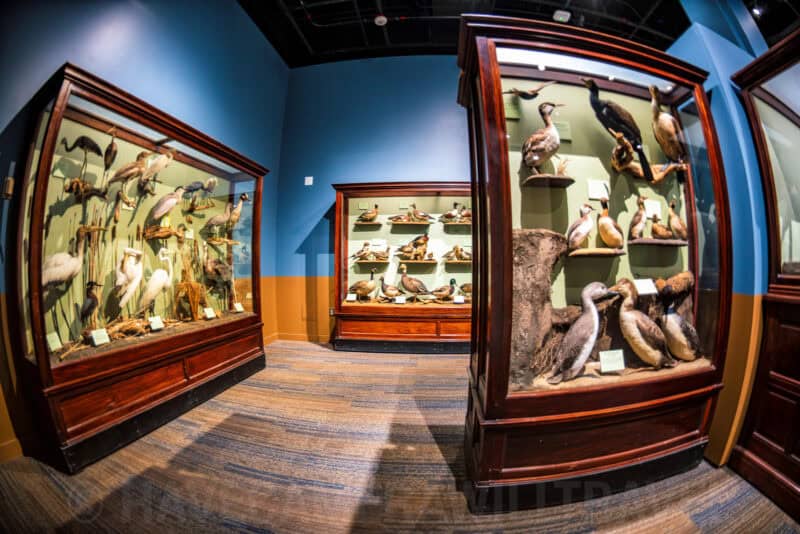
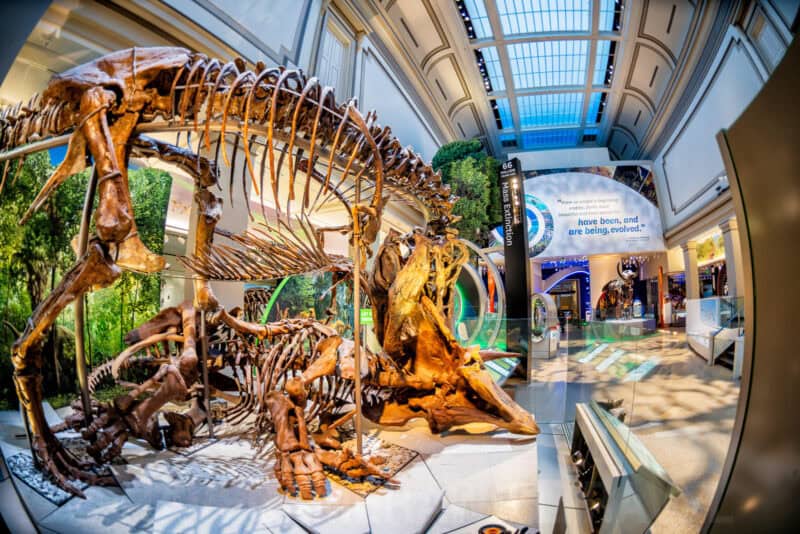
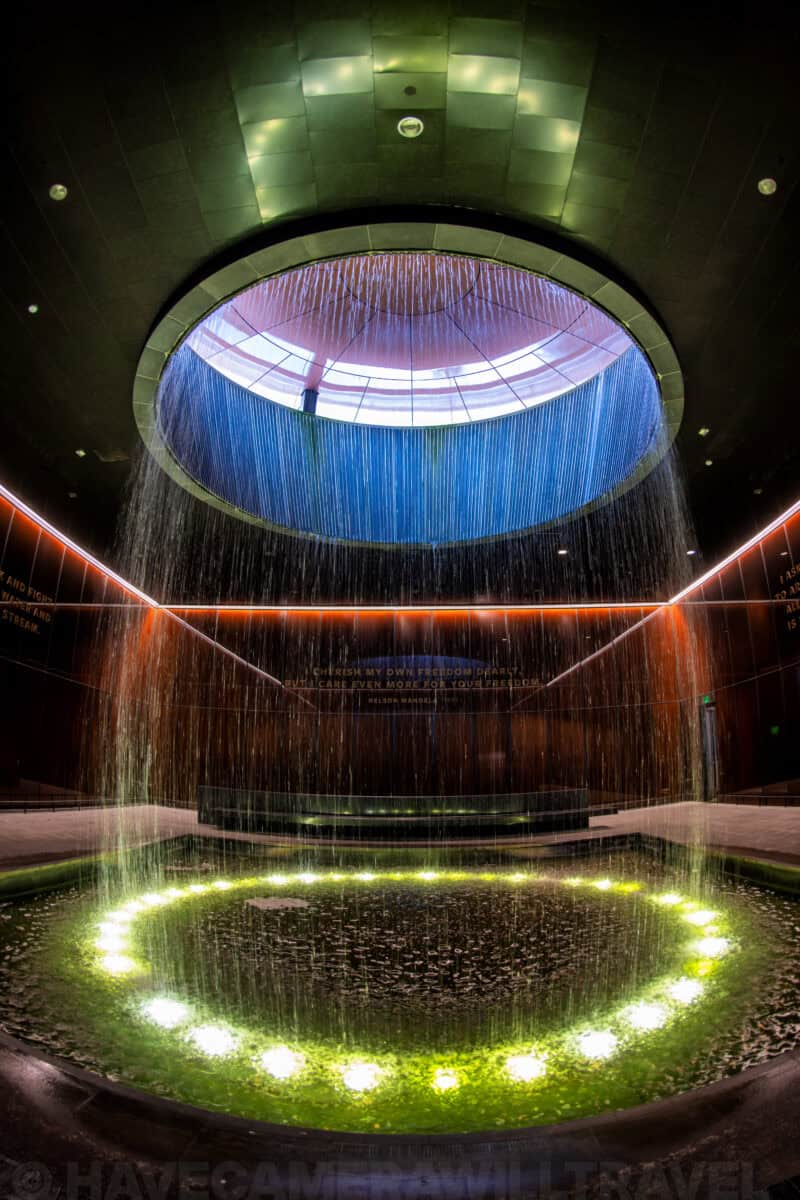
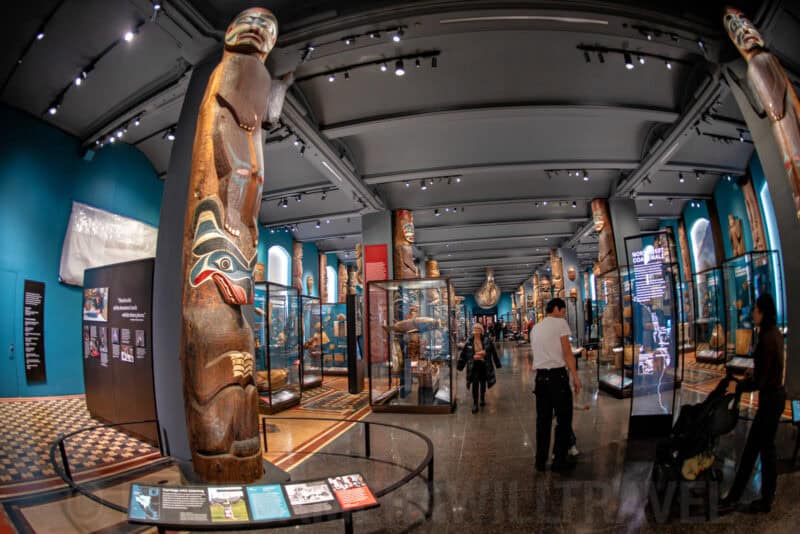
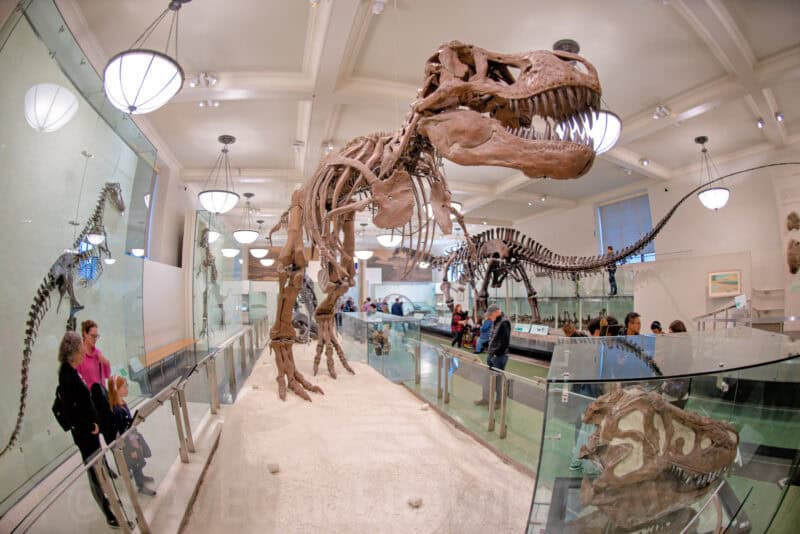
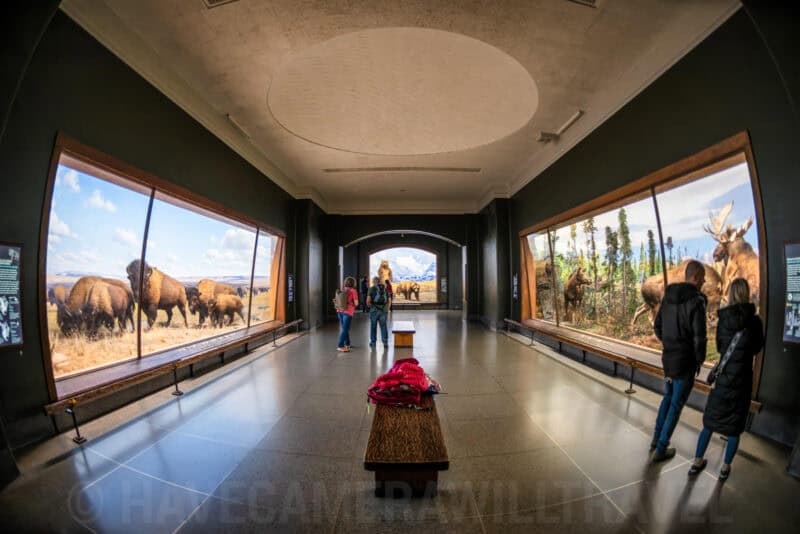
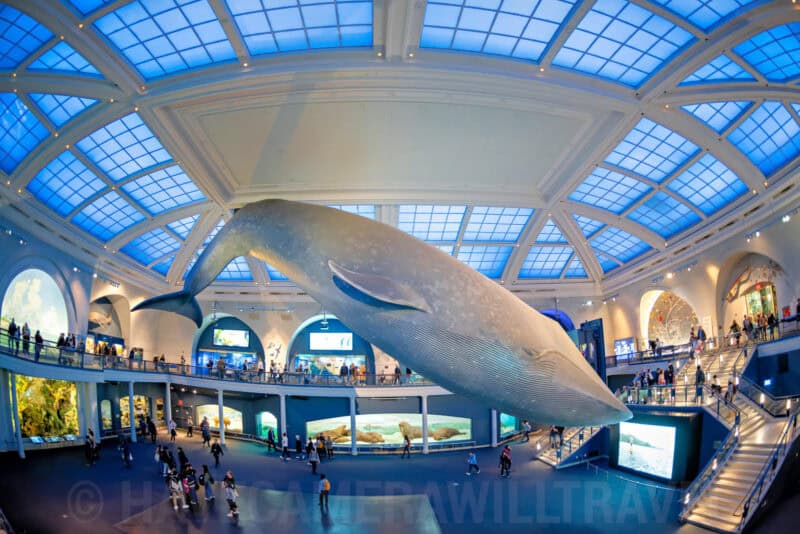
Sample images: Nikon Z8 + Nikon AF-D 16mm f/2.8 fisheye
Here are some quick examples of shots I’ve taken with the Nikon Z8 + Nikon AF-D 16mm f/2.8 combination (see more sample images from this lens here).

















Pros & cons
Pros:
- Compact and lightweight means it doesn’t have to displace other lenses from your camera bag
- Electronic Rangefinder focus indicator works through FTZ/FTZ II adapter
- Range arrows provide focus direction guidance
- Electronic aperture control retained
- Focal length automatically reported to camera (optimizes IBIS)
- Compatible with subject detection
Cons:
- Autofocus not functional on Z-mount bodies
- Requires FTZ adapter (added bulk and cost)
- Discontinued and difficult to find
Wrap-up
If you already own this lens from your DSLR days, as I do, it’s still one of the best options for using a fisheye on a full-frame Nikon Z body. You’ll need to combine with an FTZ adapter, of course, which does add some bulk, but the compact size and reliable optics remain as appealing as ever. And you get added benefits over using one of the newer third-party Z-mount fisheyes that are available so far.
If you don’t already own it, it’s trickier. That’s because it’s surprisingly difficult to track them down used or for rental. That said, you can find a few available reasonably consistently. The best bet seems to be eBay, and they do turn up there, often priced very much in line with the third-party Z-mount fisheyes. Of course, on eBay you don’t get quite the same level of peace of mind that you get with used gear from MPB or KEH.
Notes & References:
- Another lens that is very similar and offers the same benefits is the Sigma 15mm f/2.8 fisheye. I’ve also been shooting with that lately and will write up a post on it soon. [↩︎]